Periodontist vs. Dentist: Who Should You See for Gum Treatment?
Healthy gums are the foundation of a healthy smile. Without strong, disease-free gums, even the healthiest teeth can become loose or fall out entirely. Your gums act as a protective seal around your teeth, keeping harmful bacteria away from the sensitive roots and underlying bone. When this seal is compromised, a cascade of oral health issues can quickly follow. Maintaining excellent gum health is a critical component of your overall well-being, as gum disease has been linked to broader systemic conditions like heart disease and diabetes.
Finding the right dental professional to care for your teeth and gums can sometimes feel confusing. Many patients wonder who they should call when their gums bleed or feel sensitive. That is where a skilled general dentistry practice, like William M. Schneider, DDS, comes into play. General dentists serve as your primary care provider for all things related to your mouth. They monitor your oral health year after year, catching early signs of trouble before they turn into major emergencies.
Understanding the distinct roles of different dental professionals will help you make informed decisions about your care. This guide explains the differences between a general dentist and a periodontist, highlighting the specific services each provides. By learning how these experts handle gum treatment, you will know exactly who to see to keep your smile bright, healthy, and functional for a lifetime.
What Does a General Dentist Do?
A general dentist is your primary dental care provider. They diagnose, treat, and manage your overall oral healthcare needs. Becoming a general dentist requires four years of undergraduate education followed by four years of rigorous dental school. This comprehensive training equips them to handle a wide variety of dental issues for patients of all ages.
Common Dental Issues Treated
General dentists handle the vast majority of dental concerns you will face throughout your life. They perform routine professional cleanings to remove plaque and tartar buildup. They also diagnose and treat tooth decay by placing fillings, and they restore damaged teeth using crowns and bridges. If you experience a sudden toothache, a general dentist is usually the first person you call for an evaluation and treatment plan.
Services at William M. Schneider, DDS
At the practice of William M. Schneider, DDS, maintaining your oral health is the top priority. The practice offers a full spectrum of general dentistry services designed to keep your teeth and gums in excellent condition. From routine examinations and x-rays to composite fillings and custom crowns, the team provides comprehensive care. They also perform regular periodontal screenings to check for early signs of gum inflammation, ensuring that small issues are addressed before they require invasive treatments.
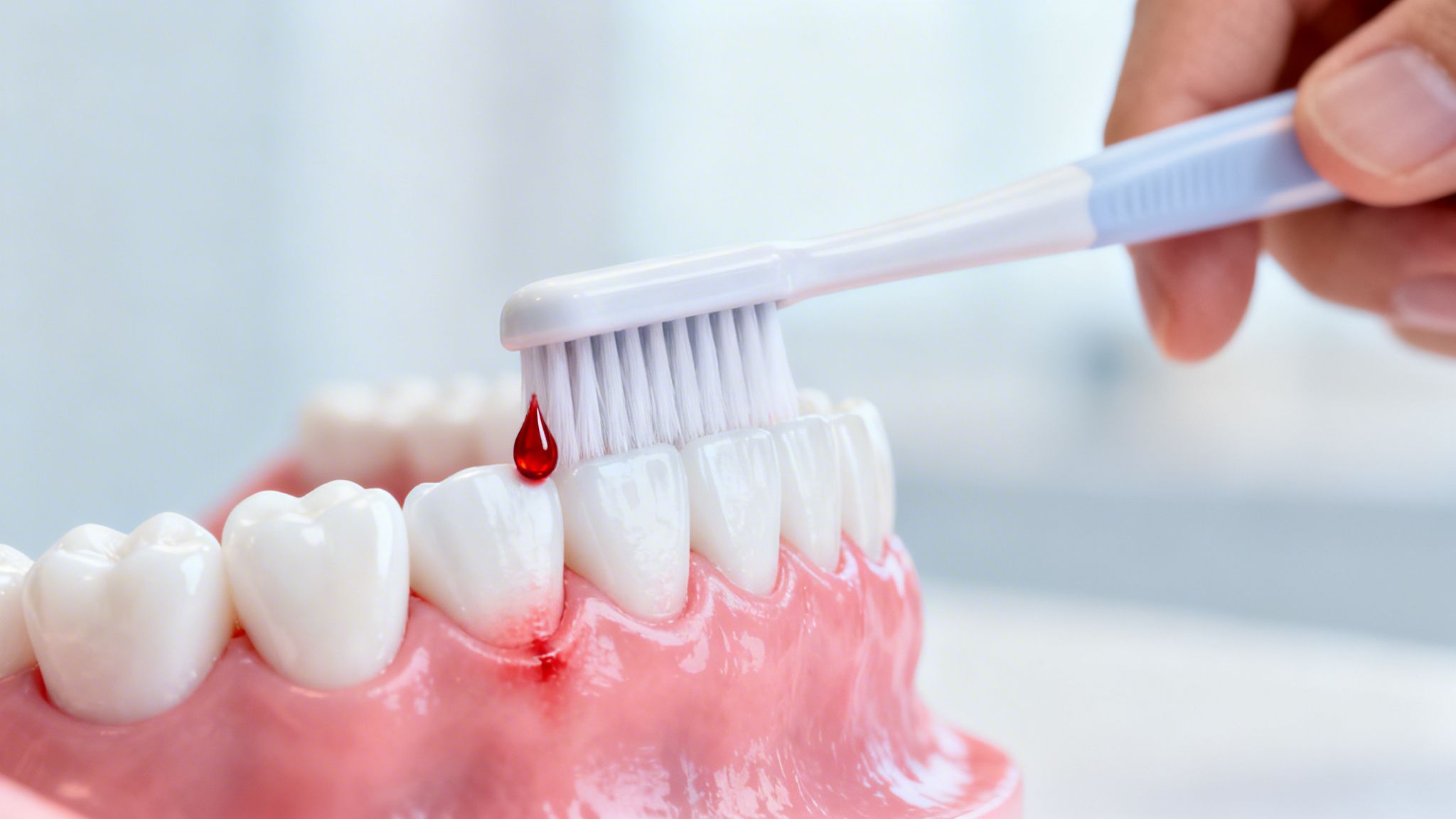
Periodontist vs. Dentist
What is a Periodontist?
While a general dentist handles a broad range of oral health issues, a periodontist is a specialist who focuses exclusively on the inflammatory disease that destroys the gums and other supporting structures around the teeth. A periodontist completes the same four years of dental school as a general dentist, followed by an additional three years of specialized, intensive training specifically focused on periodontics.
Conditions Treated by Periodontists
Periodontists are the experts you need when gum problems become severe or complex. They treat advanced stages of periodontal disease, a severe infection that damages the soft tissue and destroys the bone that supports your teeth. They also handle cases of receding gums through surgical gum grafting procedures. Furthermore, periodontists are highly trained in the placement and maintenance of dental implants, offering solutions for patients who have lost teeth due to advanced gum disease or trauma.
How They Differ from General Dentists
The main difference between a general dentist and a periodontist lies in their focus and expertise. A general dentist is highly skilled at managing overall oral health and treating early-stage gum issues. A periodontist, however, deals primarily with complex cases of gum disease, oral inflammation, and specialized surgical procedures. You can think of a general dentist as your primary care physician, while a periodontist is the specialist you see when a specific, advanced problem arises.
When Should You See a General Dentist?
For most people, a general dentist is the only dental professional they will need to see for regular gum care. Knowing the signs that warrant a visit to your primary dentist can help you stay ahead of potential health issues.
Signs You Need a General Check-Up
You should visit a general dentist if you experience mild sensitivity, notice a small amount of bleeding when you brush, or feel that your teeth need a thorough cleaning. Routine visits every six months are usually sufficient to keep your mouth healthy. A general dentist will evaluate your mouth for cavities, check the health of your gums, and perform a professional cleaning to remove hardened plaque.
Managing Mild Gum Issues
If you develop mild gingivitis—the earliest stage of gum disease—William M. Schneider, DDS, is fully equipped to help you manage it. Symptoms like slight redness, swelling, and minor bleeding during flossing can often be reversed with a professional dental cleaning and improved home care. The team will guide you on proper brushing and flossing techniques to restore your gums to optimal health without the need for specialist intervention.
The Importance of Regular Visits
Regular check-ups are your best defense against gum problems. By visiting a general dentist consistently, you allow them to track changes in your mouth over time. Catching gum inflammation early means the treatment will be less invasive, less expensive, and highly effective.
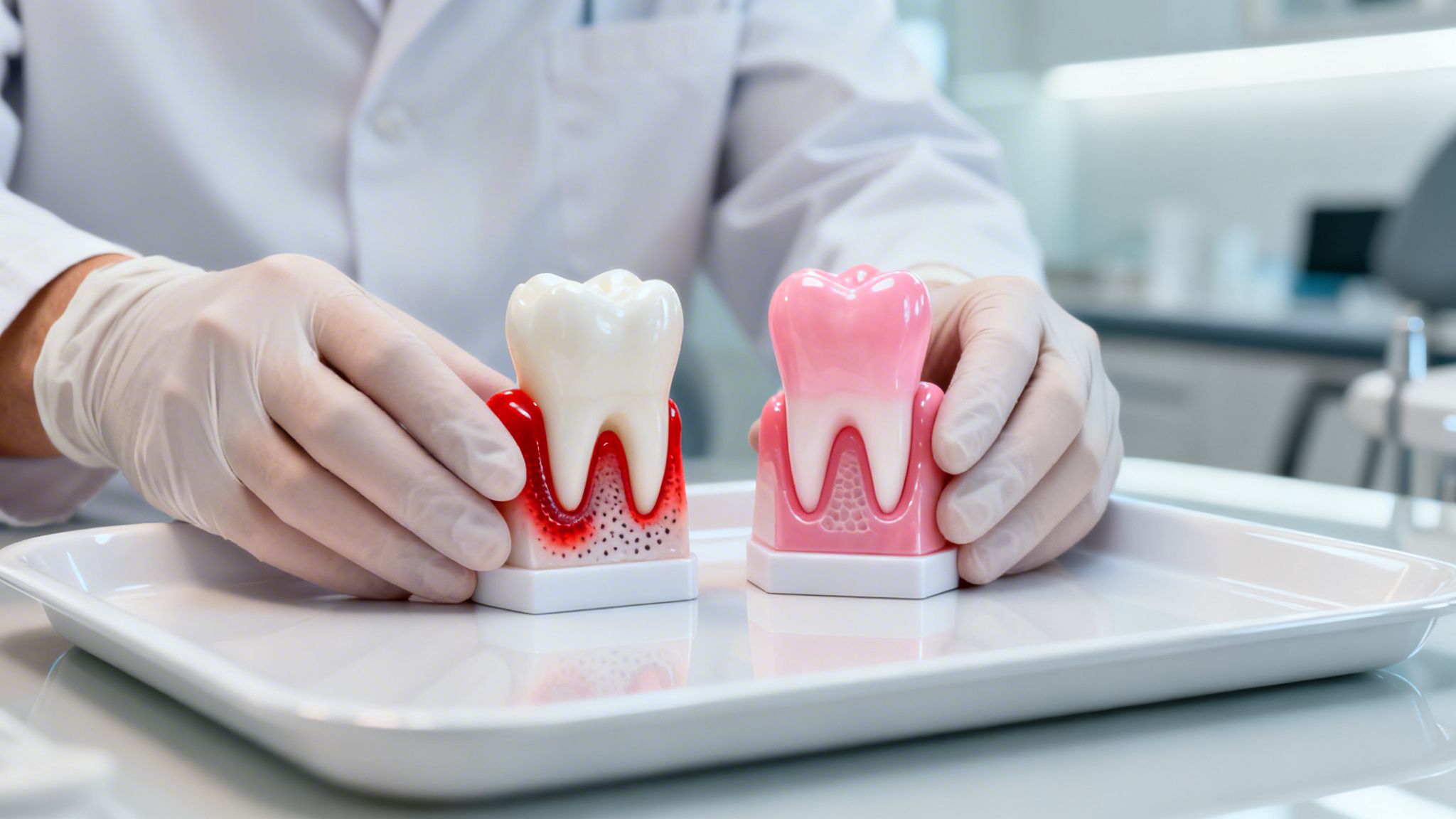
Periodontal Treatment Service
When Should You See a Periodontist?
While general dentists handle routine gum care, certain symptoms require the advanced expertise of a specialist. Ignoring severe signs of gum disease can lead to irreversible bone loss and tooth extraction.
Warning Signs for Specialized Care
You should see a periodontist if you experience persistent, heavy bleeding from your gums, even when you are not brushing. Other major red flags include teeth that feel loose or are shifting in your mouth, severe gum recession that exposes the roots of your teeth, and chronic bad breath that does not improve with brushing. Pockets of pus between your teeth and gums also indicate a serious infection that requires immediate specialized attention.
Collaborative Comprehensive Care
A periodontist rarely works alone. Instead, they collaborate closely with general dentists to provide comprehensive care. If your gum disease progresses beyond what can be managed with routine cleanings, your general dentist will refer you to a periodontist for specialized therapies, such as deep pocket cleanings (scaling and root planing) or surgical interventions. Once the acute phase of the disease is managed, the periodontist and general dentist share the responsibility of your ongoing maintenance.
The Overlap: How Dentists and Periodontists Work Together
A Unified Approach to Oral Health
When a patient faces complex dental issues, the general dentist typically acts as the “quarterback” of the treatment plan. They assess the overall situation, handle the restorative work like crowns and fillings, and bring in the periodontist to manage the underlying foundational health of the gums and bone. This seamless collaboration ensures that any dental work placed by the general dentist rests on a solid, healthy foundation.
When Referrals Happen
A referral to a periodontist might be necessary if a patient has stubborn gum disease that does not respond to non-surgical treatments at the general dentist’s office. Referrals also occur if a patient needs complex bone grafting or multiple dental implants.
Coordinating Your Care
At William M. Schneider, DDS, coordinating your care is a top priority. If your gum health requires a specialist’s touch, Dr. Schneider and his team will connect you with a trusted local periodontist. They will share your dental records, x-rays, and treatment history to ensure the periodontist has a complete picture of your health. After your specialized treatment is complete, Dr. Schneider will continue to oversee your routine maintenance to prevent the disease from returning.

Gum Disease Treatment
Preventing Gum Problems: Tips for a Healthy Smile
The best way to deal with gum disease is to prevent it from happening in the first place. A few simple daily habits can protect your smile and keep both the general dentist and the periodontist happy.
Practical Advice for Daily Care
Maintaining healthy gums starts at home. Brush your teeth twice a day using a soft-bristled toothbrush and fluoride toothpaste. Pay close attention to the gum line, using gentle, circular motions to remove plaque without damaging the delicate tissue. Flossing once a day is equally important, as it removes food particles and bacteria from the tight spaces between your teeth that a brush simply cannot reach.
The Value of Early Detection
Early detection is the most powerful tool in fighting gum disease. Because early-stage gum issues often cause no pain, many patients do not realize they have a problem until it is pointed out during a routine dental exam. By attending your biannual dental appointments, you give your dentist the opportunity to spot minor inflammation and treat it immediately.
Education and Preventive Care
Preventive care is a cornerstone of the philosophy at William M. Schneider, DDS. The team takes the time to educate patients about the connection between diet, lifestyle, and oral health. They will review your brushing and flossing techniques, recommend specialized mouthwashes if necessary, and help you build a personalized home care routine to keep gum disease at bay.
Take Charge of Your Gum Health Today
Understanding the distinct roles of a general dentist and a periodontist ensures you get the right care at the right time. General dentists are your first line of defense, providing routine cleanings, treating early-stage gingivitis, and managing your overall oral health. Periodontists are the specialists called in for severe gum disease, complex surgeries, and dental implants.
You do not have to wait until you are in pain to prioritize your gums. Seeking care from a trusted professional like William M. Schneider, DDS, guarantees that your general dentistry needs are met with precision and compassion. By maintaining regular check-ups, you can catch minor issues early and often avoid the need for specialized treatments entirely.
If you have noticed any changes in your gums, or if it is simply time for your routine check-up, do not delay. Schedule an appointment with William M. Schneider, DDS, today to address your gum and dental concerns, and take the first step toward a healthier, more confident smile.
William M. Schneider, D.D.S.
https://goo.gl/maps/d3H8ow2vWAC4qgZ26
1855 San Miguel Dr STE 31, Walnut Creek, CA 94596, United States
(925) 935-2700
www.wcfamilydentist.com