Endodontic Retreatment: What It Is and When It’s Needed
Treating and maintaining the inner structure of a tooth remains essential for long-term oral health. When the soft tissue inside a tooth becomes infected, an initial root canal removes the bacteria and seals the space to prevent further issues. Preserving this natural foundation helps maintain proper biting force and keeps the surrounding teeth perfectly aligned. Sometimes, however, an infection can return months or even years after the initial procedure, requiring further attention.
Endodontic retreatment is a specialized dental procedure designed to save a previously treated tooth that has not healed properly or has developed a new infection. During this process, a dental professional carefully re-enters the tooth to remove the old filling materials, thoroughly cleans the root canals, and reseals the area. This approach effectively eliminates persistent bacteria and gives the natural tooth a second chance at survival.
Receiving specialized care from professionals like William Schneider DDS Inc. can safely restore dental health and prevent unnecessary tooth loss. By utilizing advanced technology and precise techniques, the practice identifies the exact cause of the failure and addresses it comprehensively. Patients receive structured guidance throughout the entire process, ensuring a comfortable experience and a durable, lasting result for their smiles.
Understanding Endodontic Retreatment
Defining the procedure in simple terms
Endodontic retreatment involves removing old root canal filling materials, cleaning the root canals again, and resealing the tooth to eliminate persistent infection. A dental specialist reopens the tooth to access the inner chambers, meticulously searching for any hidden bacteria or untreated areas. Once the canals are entirely sanitized and shaped, new biocompatible filling material is placed inside to protect the tooth from future contamination.
The success rate of retreatment procedures
A second treatment remains highly effective for saving natural teeth and restoring oral health. Studies consistently show that endodontic retreatment has a strong success rate, often allowing patients to retain their original tooth for a lifetime. By addressing the specific factors that caused the initial failure, dental professionals can successfully eliminate the pain and secure the foundation of the tooth.
How it differs from your first root canal
The primary difference between an initial procedure and a retreatment involves the careful removal of previous restorative materials. While a first root canal focuses on extracting infected pulp tissue, retreatment requires navigating past existing crowns and extracting hardened gutta-percha before the cleaning process can begin. This requires additional specialized tools and a high level of precision to ensure the tooth structure remains intact.
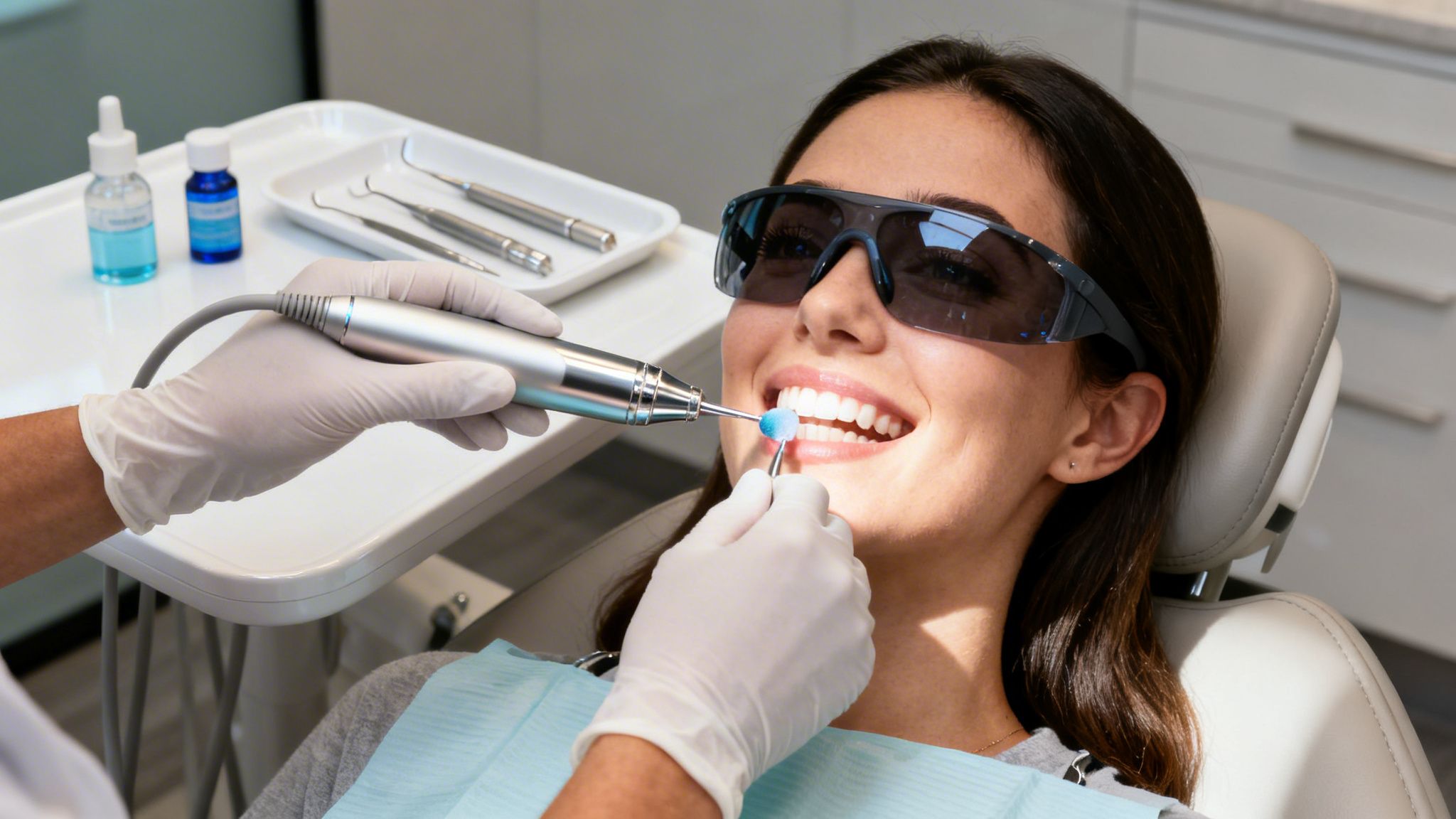
Endodontic Retreatment
Common Reasons Why Initial Root Canals Fail
Hidden or unusually shaped canals
Complex dental root anatomy, such as narrow, curved, or branching canals, might have gone undetected or untreated during the first procedure. Since human teeth possess intricate internal structures, microscopic bacteria can sometimes hide in tiny crevices that standard instruments missed. When these hidden areas remain unsealed, the surviving bacteria eventually multiply and cause a recurrent infection.
Delayed placement of the final restoration
Waiting too long to place a permanent crown or filling can allow bacteria to re-enter and contaminate the treated tooth. After a root canal, the temporary seal is only meant to protect the tooth for a short period before a permanent restoration provides structural integrity. If this final step is delayed, saliva and food particles can compromise the temporary barrier, introducing fresh bacteria into the vulnerable root canal system.
New decay exposing the root canal filling
A new cavity forming on the same tooth can introduce fresh bacteria to the previously treated area, leading to a new infection. Even if the original root canal was entirely successful, poor oral hygiene or a damaged crown can expose the underlying filling material to the oral environment. Once decay breaches this protective seal, bacteria can quickly travel down into the root system and require intervention.
Recognizing the Signs You Need Retreatment
Return of persistent tooth pain
A sudden or lingering ache in a previously treated tooth serves as a clear indicator that the tooth requires professional evaluation. This discomfort might range from a dull, continuous throb to sharp pain that disrupts daily activities. If a tooth that felt fine for years suddenly begins hurting again, it strongly suggests that inflammation or infection has returned to the root tip.
Sensitivity when biting or chewing
Renewed discomfort when applying pressure to the tooth points toward underlying inflammation or a compromised root system. Patients often notice a sharp twinge or prolonged sensitivity when eating hard foods or bringing their upper and lower teeth together. This pressure sensitivity usually indicates that the tissues surrounding the base of the root are actively fighting an infection.
Gum swelling or the presence of a dental abscess
Physical symptoms, such as a bump on the gums or noticeable swelling, signal that bacteria have successfully reached the root tip and spread into the surrounding bone. You might notice a small, pimple-like lesion on the gum tissue near the affected tooth, which sometimes releases a bad taste into the mouth. These visible signs of an abscess require prompt dental care to prevent the infection from spreading further.
The Step-by-Step Retreatment Process
Gaining access to the inner tooth
The procedure begins with the administration of local anesthesia to ensure complete comfort, followed by carefully navigating past the existing crown or filling. The dental professional creates a small opening in the biting surface of the tooth to reach the underlying root canal system. Specialized techniques are utilized to preserve as much of the original restoration and natural tooth structure as possible during this access phase.
Thorough cleaning and disinfecting
The meticulous process continues with the removal of the old gutta-percha, searching for hidden canals, and sanitizing the entire root canal system. Magnification tools help the specialist locate any untreated branches or complex anatomical features that caused the initial treatment to fail. Antibacterial solutions are then flushed through the canals to dissolve debris and eradicate any remaining microscopic bacteria.
Filling, sealing, and protecting the tooth
The cleaned canals are filled with new, biocompatible material and temporarily sealed before a permanent crown is placed. This fresh filling material densely packs the entire root space, preventing bacteria from ever re-entering the area. Finally, a temporary filling closes the access hole, and the patient is advised to return to their general dentist shortly after for a permanent crown that restores full chewing function.

Professional Endodontic Retreatment
Endodontic Retreatment vs. Tooth Extraction
The physical benefits of keeping your natural tooth
Saving the tooth maintains natural biting force and prevents surrounding teeth from shifting out of alignment. A natural tooth root stimulates the jawbone, preserving facial structure and preventing the bone loss that typically follows an extraction. Keeping the original tooth also eliminates the need for more complex dental work, ensuring the smile continues to function exactly as intended.
Comparing the costs and recovery times
Retreatment is generally more cost-effective and involves a less invasive recovery period compared to extraction and implant surgery. Pulling a tooth usually requires replacing it with a dental implant or bridge to restore function, which adds significant time and expense to the overall treatment plan. Retreatment allows patients to heal quickly and get back to their normal routines without the extensive surgery required for a synthetic replacement.
When extraction actually makes sense
In rare situations, a tooth cannot be saved and an extraction becomes the only viable option for preserving overall oral health. If the tooth has a severe vertical fracture, lacks sufficient bone support due to advanced gum disease, or cannot be structurally restored, removal is necessary to stop the infection. In these specific cases, a dental professional will provide objective guidance and discuss the best replacement options.
Advanced Technology Used in Retreatment
High-powered dental operating microscopes
Modern magnification allows dental professionals to clearly see intricate root structures and tiny hidden canals with remarkable clarity. By illuminating the darkest spaces inside a tooth, these advanced microscopes significantly increase the chances of locating and treating missed anatomy.
3D Cone Beam Computed Tomography (CBCT)
Three-dimensional imaging provides immense value in accurately mapping the tooth’s anatomy and pinpointing the exact cause of the failure. Unlike standard two-dimensional x-rays, a CBCT scan allows the specialist to view the tooth from every possible angle before the procedure even begins. This technological advantage takes the guesswork out of the diagnosis and ensures a highly targeted, efficient treatment plan.
Ultrasonic instruments for precise cleaning
Specialized, minimally invasive ultrasonic tools safely remove old filling materials and thoroughly clean the canals without damaging the tooth structure. These instruments use high-frequency vibrations to break apart hardened cement and dislodge stubborn bacteria clinging to the canal walls. The precise nature of ultrasonic technology allows the specialist to preserve the structural integrity of the root while achieving an incredibly clean environment.
Partnering with William Schneider DDS Inc. for Your Care
A commitment to your comfort and health
The welcoming, patient-first environment at William Schneider DDS Inc. ensures that easing patient concerns remains a top priority at all times. Every member of the staff works diligently to create a supportive atmosphere where questions are answered clearly and anxieties are promptly addressed. Patients can expect a calming experience that prioritizes physical comfort and overall well-being from the moment they walk through the doors.
Expertise you can trust for complex procedures
The team brings extensive experience and detailed knowledge to diagnosing and performing advanced endodontic retreatments. By focusing heavily on the intricate details of root anatomy and utilizing the latest technological advancements, the practice consistently delivers high-quality outcomes. This deep level of clinical expertise reassures patients that their smiles are in highly capable and reliable hands.
Seamless continuity of your dental care
William Schneider DDS Inc. integrates the retreatment process smoothly into the overall dental wellness plan, ensuring the newly restored tooth is protected for the long term. Clear communication is maintained with general dentists to coordinate the final restorative steps, such as placing the permanent crown. This collaborative approach guarantees that patients receive comprehensive, uninterrupted care that fully restores their dental health.
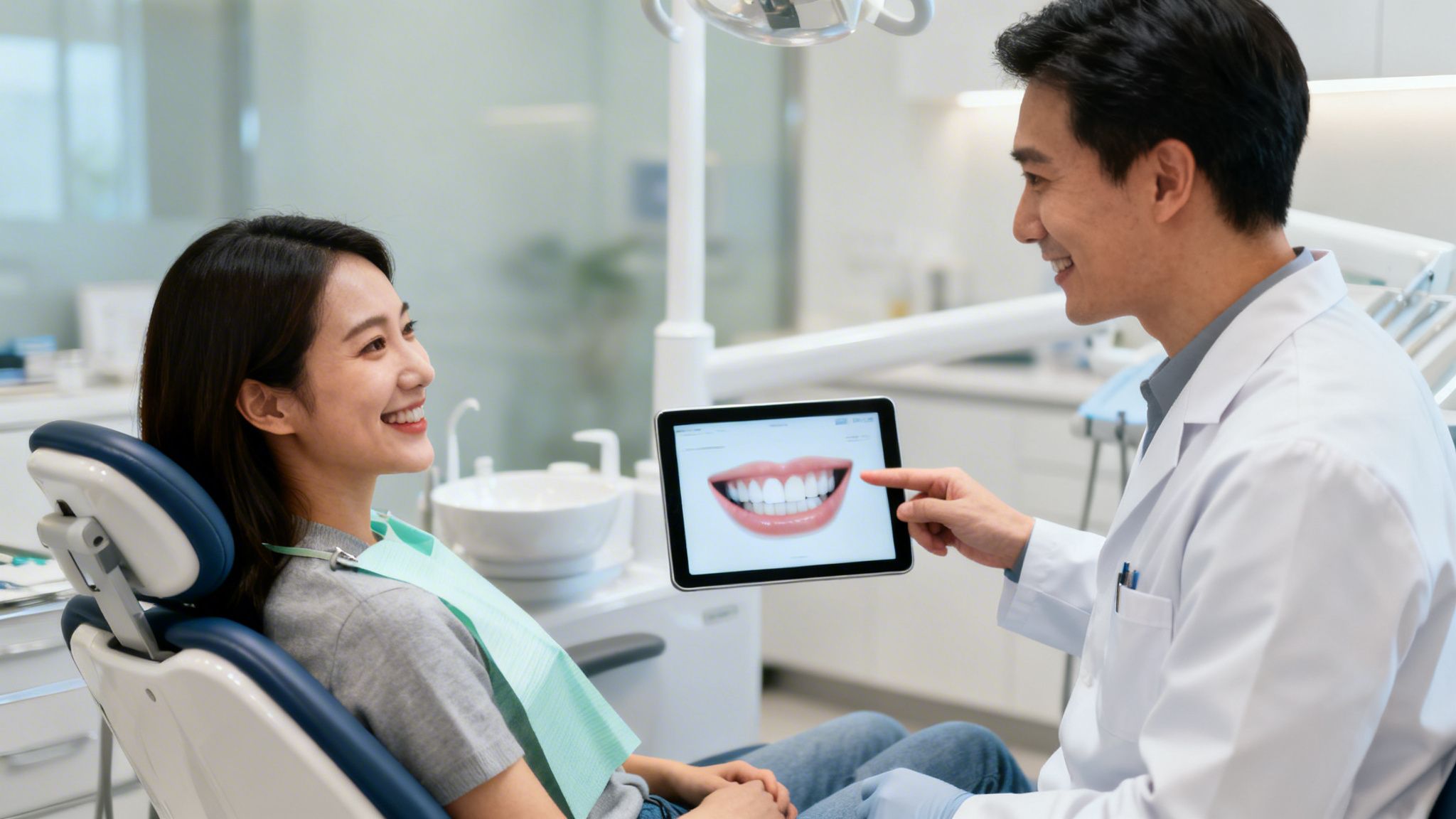
Endodontic Retreatment Specialist
Preserving Your Natural Smile Through Retreatment
While needing a second root canal can seem daunting, endodontic treatment is a safe, highly effective way to eliminate pain and preserve your natural smile. By thoroughly addressing the underlying infection and utilizing advanced technology, dental specialists can successfully give a failing tooth a fresh start. Protecting natural teeth whenever possible remains the best strategy for maintaining long-term oral health and function.
Individuals experiencing discomfort, sensitivity, or swelling around a previously treated tooth should not wait for the symptoms to worsen. Contact William Schneider DDS Inc. promptly to schedule a comprehensive evaluation and get oral health back on track. With expert care and precision, it is entirely possible to save the tooth and enjoy a pain-free smile for years to come.
William M. Schneider, D.D.S.
https://goo.gl/maps/d3H8ow2vWAC4qgZ26
1855 San Miguel Dr STE 31, Walnut Creek, CA 94596, United States
(925) 935-2700
www.wcfamilydentist.com