Osseous Surgery Explained: Advanced Gum and Bone Care Simplified
Gum disease is a progressive condition that silently damages the foundation of your smile. When routine cleanings and daily brushing are no longer enough to stop the infection, osseous surgery offers a proven, effective solution. This advanced dental procedure focuses on repairing the damage caused by severe periodontal disease, smoothing out the underlying bone, and giving your gums a fresh chance to heal.
Understanding the direct connection between your gum health, jawbone structure, and overall oral wellness is the key to preserving your natural teeth. Healthy gums act as a tight seal around your teeth, protecting the sensitive roots and underlying bone from harmful bacteria. When this seal breaks down, bacteria invade the deeper tissues, causing inflammation that ultimately destroys the bone holding your teeth in place. Osseous surgery halts this destructive cycle by thoroughly cleaning the infected areas and reshaping the bone to prevent future bacterial attacks.
If you struggle with chronic gum inflammation, deep periodontal pockets, or severe bone loss, you may benefit greatly from learning about advanced periodontal procedures. Patients who experience persistent bleeding, loose teeth, or bad breath often find that standard treatments no longer manage their symptoms effectively.
Understanding the Basics of Osseous Surgery
Defining the condition
Periodontal disease actively damages the supportive structures resting beneath your gum line. Plaque buildup introduces bacteria that gradually turn mild gum inflammation into a severe structural threat to your jawbone and teeth. Over time, these bacteria release toxins that cause your immune system to break down the connective tissue and bone, resulting in deep pockets that harbor even more infection.
Clarifying the procedure’s goal
The primary objective of osseous surgery is to eliminate deep bacterial pockets and carefully reshape the irregular, damaged bone. This reshaping process smooths out the rough areas and craters where harmful bacteria typically hide and multiply. By reducing the depth of these pockets, the procedure creates a healthier environment that allows your gum tissue to reattach firmly to the clean, smooth bone surface.
Comparing treatments
Standard scaling and root planing serve as excellent initial treatments for mild gum disease, but advanced surgical intervention becomes necessary when bone deterioration has already begun. Routine dental cleanings cannot reach the deep bacteria trapped beneath heavily damaged tissues.

Osseous Surgery
Recognizing the Signs You Need Advanced Care
Identifying persistent symptoms
Look for clear warning signs like severe gum inflammation, consistent bleeding while brushing, or chronic bad breath that does not improve with standard mouthwash. These persistent symptoms indicate that aggressive bacteria have moved beyond the surface of your teeth and established a presence deep within your gums.
Checking for physical changes
Notice any shifts in your bite alignment, teeth that feel slightly loose, or gums that are visibly pulling away from the base of your teeth to expose the roots. These physical changes happen because the underlying bone can no longer support the tooth structure adequately.
Seeking a professional evaluation
Schedule a comprehensive periodontal exam immediately if you experience any of these troubling symptoms. A qualified dental professional will take precise measurements of your gum pockets using a specialized periodontal probe to determine if surgical intervention is necessary.
How Gum Disease Impacts Your Jawbone
Exploring the biological connection
Understand the direct link between untreated plaque buildup and the gradual loss of bone density in your jaw. Chronic infection triggers your body’s natural immune response, which inadvertently breaks down your own bone tissue in an attempt to isolate the invading bacteria.
Detailing pocket formation
Learn how periodontal pockets form when inflamed gums detach from the base of the teeth. These expanding spaces trap dangerous bacteria, food particles, and tartar deep below the gum line, far out of reach from your daily brushing and flossing efforts. As the bacteria thrive in these dark, oxygen-deprived pockets, they accelerate the destruction of the surrounding bone and soft tissue.
Highlighting the urgency
Acknowledge why stopping bone loss promptly is necessary to save your natural teeth from extraction. Catching and treating the disease before it entirely destabilizes the tooth roots is essential for long-term preservation and oral function. Waiting too long to address the infection limits your treatment options and often leads to the need for expensive dental implants or extensive reconstructive procedures.
Step-by-Step: What Happens During the Procedure
Preparing for the appointment
Review the use of local anesthesia to numb the surgical site completely before the procedure begins. A good dental team will explain your sedation options in detail to ensure your complete comfort and relaxation throughout the visit. Proper preparation and clear communication help ease your dental anxiety and set the stage for a smooth, stress-free surgical experience.
Accessing and cleaning the roots
During the procedure, the dentist gently folds back the gum tissue to gain direct access to the hidden roots and damaged jawbone. The provider thoroughly cleans out the active infection, removes hardened tartar, and smooths the irregular bone surfaces using specialized instruments.
Securing the tissue
After cleaning and reshaping the area, the gums are carefully repositioned and sutured snugly against the newly smoothed bone. This process successfully reduces the original pocket depth and promotes healthy, firm tissue attachment over the coming weeks. By securing the tissue tightly around the teeth, the dentist prevents future bacteria from easily invading the deeper supporting structures.
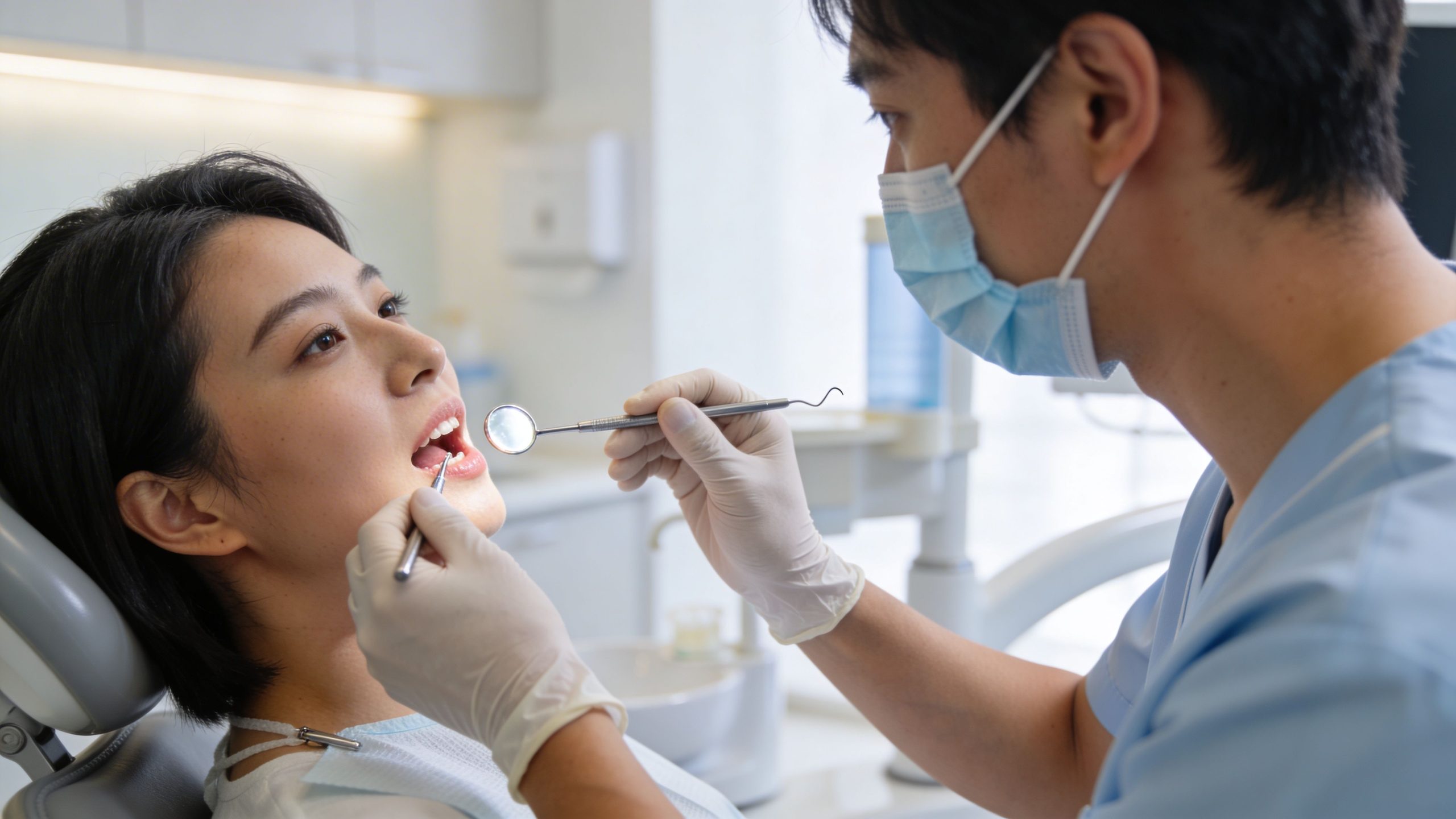
Periodontal Osseous Surgery
Navigating Your Recovery and Healing Timeline
Managing initial discomfort
Follow clear postoperative instructions strictly to protect the surgical site during the crucial first few days of healing. Applying ice packs to the outside of your face and taking prescribed medications will help you manage any mild swelling or sensitivity safely. Resting and keeping your head elevated during the first 48 hours will also minimize bleeding and promote faster tissue recovery.
Adapting your temporary diet
Focus on eating soft, highly nutritious foods that will not irritate your healing gums or disrupt the delicate sutures. Avoid hard, crunchy, spicy, or extremely hot items until your dental provider confirms your tissue has adequately healed. Smoothies, mashed vegetables, and broths provide necessary nutrients without requiring forceful chewing that could damage the surgical site.
Attending follow-up visits
Prioritize your essential postoperative appointments to ensure a successful, complication-free recovery. The dental professional needs to monitor your tissue healing, ensure the infection is completely gone, and safely remove any non-dissolving sutures placed during the surgery.
The Long-Term Benefits for Your Smile
Achieving a manageable gumline
Benefit from shallower gum pockets that make your daily brushing and flossing highly effective once again. Smooth bone and tight gums prevent aggressive bacteria from hiding, making it easier to sweep plaque away during your normal morning and evening routines. A manageable gumline is the first line of defense against recurring periodontal infections.
Stabilizing your natural teeth
Halt the progression of periodontal disease to directly preserve your jaw structure and keep your teeth firmly in place. This restored stability significantly lowers your risk of future tooth loss, difficult extractions, and expensive restorative work down the road. Keeping your natural teeth also preserves your normal biting force and maintains the youthful appearance of your facial structure.
Improving your systemic health
Reduce the chronic oral inflammation that is closely linked to cardiovascular issues, diabetes complications, and other systemic bodily concerns. Bacteria from deep gum pockets can easily enter the bloodstream, negatively impacting your heart and immune system. A healthy mouth actively contributes to a healthier body, protecting your overall wellness for years to come.
Sustaining Your Results with Ongoing Maintenance
Committing to rigorous home care
Upgrade your daily routine using specific tools like interdental brushes, soft-bristled toothbrushes, or water flossers to keep plaque at bay. Proper brushing twice a day and meticulous flossing are non-negotiable habits for patients recovering from severe periodontal disease.
Scheduling frequent cleanings
Attend professional periodontal maintenance cleanings every three to four months instead of the standard twice-a-year schedule. Because a history of gum disease makes the mouth more susceptible to future infections, these frequent visits are necessary to keep aggressive bacteria from returning.
Monitoring lifestyle habits
Evaluate your daily habits, such as nutrition and tobacco use, that directly influence your gum resilience and immune response. Quitting smoking is one of the most effective ways to protect your healing gums, as tobacco restricts blood flow and severely impairs the body’s ability to fight oral infections. Eating a balanced diet rich in vitamins also provides the necessary building blocks for strong, resilient gum tissue.

Periodontal Surgery
Partnering with William Schneider DDS Inc. for Your Care
Relying on professional experience
Trust a dedicated dental professional with extensive experience to receive a precise diagnosis and a customized treatment plan that suits your specific periodontal needs. William M. Schneider, DDS, in Walnut Creek, brings years of expertise in treating complex gum and bone conditions safely and effectively. Relying on a highly trained provider ensures the surgical intervention is performed with accuracy and exceptional care.
Experiencing a compassionate environment
When new patients arrive at the office, the team puts in the effort to provide a positive and comforting experience from the moment they walk through the door. The staff takes the time to answer all questions, explain the proposed treatments in plain language, and ease any lingering dental anxieties. Providing a warm, reassuring atmosphere helps patients feel confident and relaxed about receiving advanced periodontal care.
Establishing a long-term relationship
The practice considers the initial treatment the start of a lasting partnership focused on the patient’s lifelong oral health. Count on consistent, high-quality care, regular monitoring, and honest communication to maintain restored gum and bone health for years to come. Building trust with a reliable dental team takes the guesswork out of maintaining a healthy, beautiful smile over a lifetime.
Take the First Step Toward Lasting Gum Health
Osseous surgery is a proven, reliable way to address the severe impacts of periodontal disease and restore the foundation of your smile. By understanding the procedure, knowing what to expect during recovery, and committing to proper maintenance, you take an active role in protecting your oral health. A healthy smile requires a strong, stable base that can support your teeth for a lifetime. If you are experiencing signs of advanced gum disease, do not wait for the symptoms to worsen or for bone loss to become permanent. Schedule a consultation with your dental provider for a personalized evaluation, and take the first step toward lasting gum and bone health today.
WC Family Dentist
https://goo.gl/maps/d3H8ow2vWAC4qgZ26
1855 San Miguel Dr STE 31, Walnut Creek, CA 94596, United States
(925) 935-2700
www.wcfamilydentist.com