What Makes an Implant Periodontist the Best Choice for Tooth Replacement
When you think about replacing a missing tooth, it is easy to focus solely on the final result: a bright, complete smile. While the cosmetic outcome is certainly important, the foundation beneath that new tooth matters just as much. Successful tooth replacement is not just about filling a gap; it is about restoring function, preserving your jawbone, and ensuring the long-term health of your entire mouth.
As dental technology advances, the importance of specialized care has become increasingly clear. Choosing the right provider can make a significant difference in how your treatment feels and how long it lasts. While many dental professionals offer implants, specific specialists have dedicated their careers to the intricate support structures of the mouth.
Understanding the level of expertise your provider brings to the table allows you to make confident decisions about your oral health. By selecting a specialist who understands the biology of gums and bone, you set yourself up for a smoother procedure and a result that feels just like a natural tooth.
Understanding the Role of an Implant Periodontist
Specialized training in gum health and bone support
An implant periodontist undergoes years of additional education beyond dental school, focusing specifically on the supporting structures of the teeth. This extensive training covers the intricate biology of gum tissue and the underlying jawbone, which are the essential foundations for any dental implant.
How periodontal expertise supports implant stability
Because implants must fuse with the jawbone to function correctly, the condition of the bone and surrounding gums is the single biggest factor in stability. A specialist uses their in-depth knowledge to assess bone density and gum quality before ever placing a post. This proactive evaluation ensures that the implant has a secure anchor, reducing the likelihood of movement or failure down the road.
Differences between periodontists and other dental providers
While general dentists act as the primary care providers for oral health, periodontists are the surgeons of the soft tissue and bone. General practitioners handle a vast array of treatments, from fillings to cleanings, whereas a periodontist’s daily focus is almost exclusively on the gums and surgical implant placement.
The Connection Between Gum Health and Implant Success
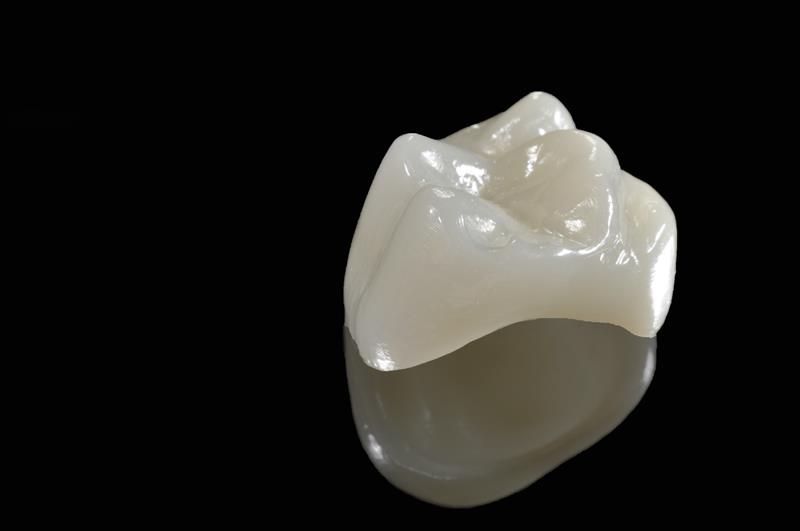
Tooth Replacement
Why healthy gums are critical for long-term implant retention
Your gums act as a biological seal around your teeth and implants, protecting the bone underneath from bacteria and infection. If this seal is compromised by inflammation or disease, the bone supporting the implant can deteriorate, leading to looseness or loss. An implant periodontist prioritizes the health of this soft tissue seal to ensure the implant remains protected and securely integrated for years to come.
Managing gum disease before and after implant placement
Placing an implant in a mouth with active gum disease is risky and can lead to early failure. A specialist will first identify and treat any underlying periodontal issues, creating a healthy, sterile environment before surgery begins. This comprehensive approach continues after the procedure, with tailored hygiene plans designed to keep disease at bay and protect the new investment.
Preventing peri-implant complications
Peri-implantitis is an inflammatory condition that affects the soft and hard tissues around a dental implant, similar to gum disease around a natural tooth. Specialists are trained to recognize the earliest warning signs of this condition, often before a patient notices any symptoms.
Advanced Surgical Precision and Planning
Use of detailed diagnostics and imaging
Modern implant surgery relies heavily on advanced technology to ensure safety and predictability. Specialists utilize high-resolution 3D imaging and Cone Beam CT scans to visualize the nerves, sinuses, and bone structure in three dimensions. This detailed roadmap allows for the precise planning of the implant’s angle and depth before the procedure even begins.
Techniques that support accurate implant placement
Accuracy is paramount when placing a titanium post into the jawbone, as even a millimeter of deviation can affect the final look and function. Using computer-guided surgery guides, the specialist can transfer the digital plan directly to the surgical site with incredible precision.
Minimizing trauma while maximizing results
Surgical precision does more than just ensure a straight implant; it also leads to a gentler experience for the patient. By using minimally invasive techniques that disturb less tissue, specialists can significantly reduce post-operative swelling and discomfort. This refined approach promotes faster healing times, allowing you to get back to your daily routine and enjoy your new smile sooner.
Managing Complex Tooth Replacement Cases
Treating patients with bone loss or gum recession
Many patients seeking implants have been missing teeth for years, which often leads to natural bone resorption and gum recession. While these conditions might disqualify a patient in a general practice setting, specialists are equipped to handle such complexities. They can rebuild the necessary foundation, making implants a viable option even for those who have been told they are not candidates.
Bone grafting and soft tissue procedures explained
When the natural foundation is lacking, reconstructive procedures like bone grafting or soft tissue grafts become necessary. An implant periodontist performs these delicate surgeries routinely to augment the ridge and create a sufficient base for the implant. These procedures not only enable the placement of the implant but also improve the overall aesthetics of the gum line.
Customizing care for challenging oral conditions
Every mouth is unique, and some present anatomical challenges that require out-of-the-box thinking. Whether dealing with a narrow jaw, close proximity to the sinus cavity, or systemic health issues that affect healing, a specialist tailors the surgical plan to the individual. This customization ensures that even the most difficult cases receive a safe, effective, and long-lasting solution.
Long-Term Outcomes and Implant Longevity
How periodontal care protects implants over time
The surgery is just the beginning of the journey; maintaining the health of the implant is a lifelong commitment. Continuous periodontal care focuses on keeping the biological environment around the implant stable and infection-free. This ongoing attention to the supporting tissues is the best insurance policy for extending the lifespan of the restoration.
Monitoring and maintenance strategies
Routine check-ups with a specialist involve more than just a visual inspection; they include detailed assessments of probing depths and bone levels. These specialized maintenance visits are designed to detect subtle changes that a standard cleaning might miss. Proactive monitoring allows for timely interventions, keeping the implant functional and the surrounding tissues healthy.
Reducing the risk of implant failure
Implant failure is rare, but when it happens, it is often due to infection or mechanical overload. By ensuring the bite is balanced and the gums remain disease-free, a specialist significantly lowers the statistical risk of failure. This focus on prevention and precision helps patients avoid the stress and cost of needing to replace a failed implant.
Coordinated Care With Restorative Dentistry
How periodontists collaborate with general dentists
The best dental results often come from a team approach where each doctor plays to their strengths. The periodontist handles the surgical phase, ensuring the foundation is perfect, while the restorative dentist focuses on fabricating the crown or bridge. This collaboration ensures that the implant is placed not just where the bone is, but where the tooth needs to be for a perfect bite.
Ensuring functional and aesthetic restoration
A successful implant must look good when you smile and feel strong when you chew. By coordinating closely with restorative colleagues, specialists ensure that the surgical placement supports the ideal aesthetic outcome.
Seamless transitions from surgery to final crowns
The journey from surgical placement to the final tooth should feel like a smooth, continuous process for the patient. Clear communication between the surgical and restorative teams ensures that timelines are aligned and the patient is never left wondering what comes next.
Patient Comfort, Education, and Trust
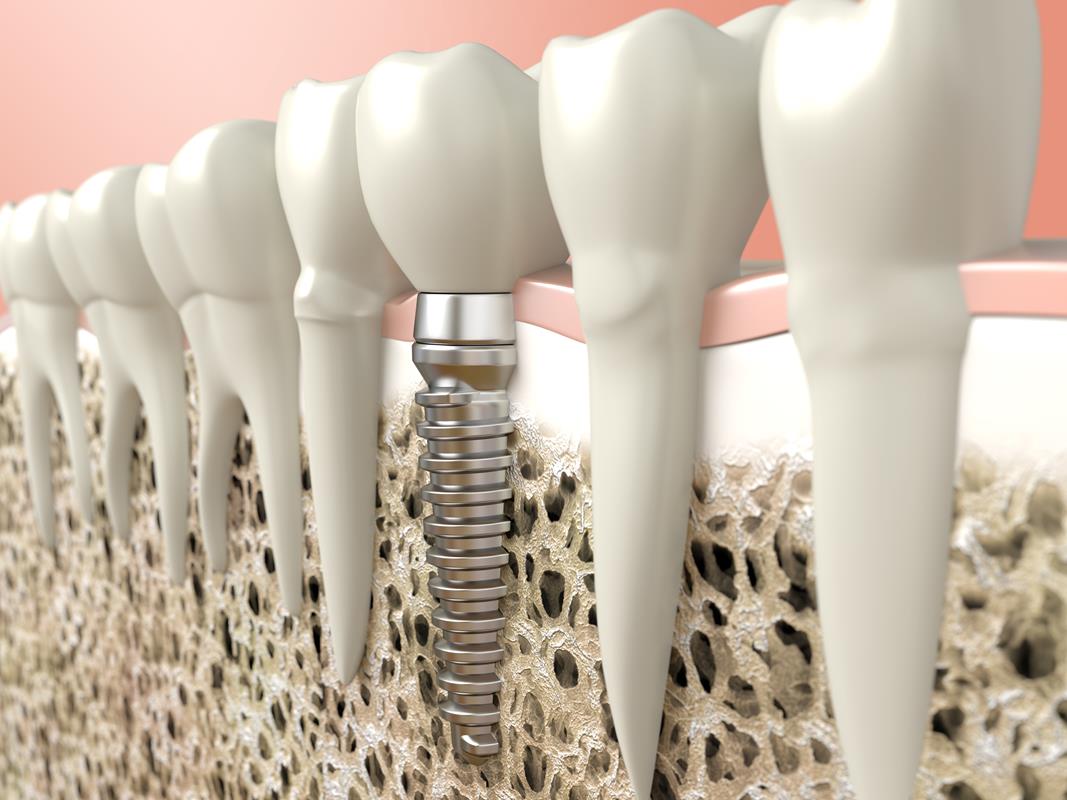
Same-Day Dental Implants Service
Clear communication throughout the treatment process
Undergoing oral surgery can feel daunting, which is why clear explanations are a cornerstone of specialized care. You deserve to understand exactly what is happening, why it is necessary, and what the expected outcome will be. A focus on education removes the mystery from the procedure, replacing anxiety with confidence and understanding.
Pain management and healing support
Your comfort is a top priority, and modern periodontal practices offer various sedation options to suit your anxiety level. From local anesthesia to twilight sedation, the goal is to make the procedure as relaxing and pain-free as possible. Post-operative care instructions are provided clearly to manage any discomfort at home and ensure a quick recovery.
Empowering patients with preventive knowledge
The most successful patients are those who know how to care for their investment at home. Specialists take the time to teach proper hygiene techniques specifically for implants, which differ slightly from natural teeth. Armed with this knowledge, you become an active participant in your oral health, ensuring your new smile stays bright and healthy.
Choosing the Right Implant Periodontist for Your Needs
Evaluating experience, credentials, and philosophy of care
When selecting a provider, look for board certification and a demonstrated history of continuing education in implant dentistry. It is important to find a doctor whose philosophy of care aligns with your desire for a long-term, health-focused approach. A provider who prioritizes saving natural teeth whenever possible and using implants as a strategic resource is often the best choice.
How practices like William Schneider DDS Inc. approach implant-focused periodontal treatment
Practices dedicated to this specialty, such as William Schneider DDS Inc., focus heavily on the intersection of biology and technology. The approach involves a meticulous evaluation of the entire oral environment to ensure that any implant placed contributes to the patient’s overall health.
Questions to ask during your consultation
During your initial visit, do not hesitate to ask about the number of implants the doctor places annually and their success rates. Ask about the technology they use for planning and whether they offer sedation options for comfort. A reputable specialist will be happy to answer these questions transparently, helping you feel secure in your decision.
Conclusion
Choosing an implant periodontist for your tooth replacement offers distinct advantages that go beyond simple dentistry. With a profound understanding of gum and bone biology, advanced surgical precision, and a focus on long-term maintenance, these specialists provide the expertise necessary for a lasting smile. The specialized training ensures that complex cases are managed safely and that the foundation of your new tooth is as strong as possible.
When you invest in your smile, you deserve the peace of mind that comes from knowing you are in expert hands. By selecting a provider who focuses specifically on the supporting structures of your mouth, you are choosing a path toward greater stability and health. Take the next step in your journey toward a confident smile by seeking the guidance of a specialist who puts your long-term well-being first.
William M. Schneider, D.D.S.
https://goo.gl/maps/d3H8ow2vWAC4qgZ26
1855 San Miguel Dr STE 31, Walnut Creek, CA 94596, United States
(925) 935-2700
www.wcfamilydentist.com