Dental Extraction and Bone Graft: A Complete Recovery Guide
Dental health goes far beyond a bright smile—it plays a crucial role in maintaining overall well-being and facial structure. When a tooth is lost or needs to be removed, the effects can extend beyond the immediate gap. Missing teeth can lead to shifting of surrounding teeth, difficulty chewing, and even gradual bone loss in the jaw. Over time, this bone loss may alter the shape of the face, causing a sunken or aged appearance. That’s why preserving as much of your natural oral structure as possible is an essential part of modern dental care.
One common solution that supports long-term oral health after a tooth extraction is a bone graft. In simple terms, a bone graft is a procedure where material—either natural or synthetic—is placed in the area where the tooth was removed. This material helps stimulate new bone growth, preserving the jaw’s strength and structure. Bone grafting is often paired with extractions because once a tooth is removed, the surrounding bone can begin to shrink. By placing a graft immediately, dentists can maintain the integrity of the jaw and create a stable foundation for future treatments, such as dental implants.
This guide is designed to help you better understand what to expect before and after a dental extraction with a bone graft. With the support of experienced professionals like William Schneider DDS Inc., patients can approach the procedure with confidence. From initial consultation to recovery, having the right information and expert care ensures a smoother experience and promotes long-term oral health.
Understanding Dental Extractions and Bone Grafts
What is a Dental Extraction?
A dental extraction is the clinical process of safely removing a damaged, decayed, or problematic tooth from its socket in the jawbone. Dentists perform this procedure when a tooth cannot be saved through other restorative methods, such as a root canal or a crown. The extraction carefully detaches the tooth from the periodontal ligament, eliminating the source of infection or pain while preventing bacteria from spreading to surrounding teeth and gum tissues.
The Purpose of a Bone Graft
A dental bone graft is a specialized procedure that involves placing safe, biocompatible bone material into the empty socket left behind after a tooth is removed. This grafted material acts as a scaffold, encouraging the body to produce new bone cells and fill the void. Over time, the graft integrates with the natural jawbone, maintaining the necessary volume and density required for future dental work.
Why They Are Often Performed Together
Placing a graft immediately after an extraction prevents the natural bone loss that predictably occurs when a tooth is missing. Without a tooth root to stimulate the surrounding bone, the jaw begins to resorb or shrink almost immediately. Performing these two procedures simultaneously provides a seamless transition for the jawbone, preserving its natural shape and eliminating the need for a more complex grafting surgery later on.
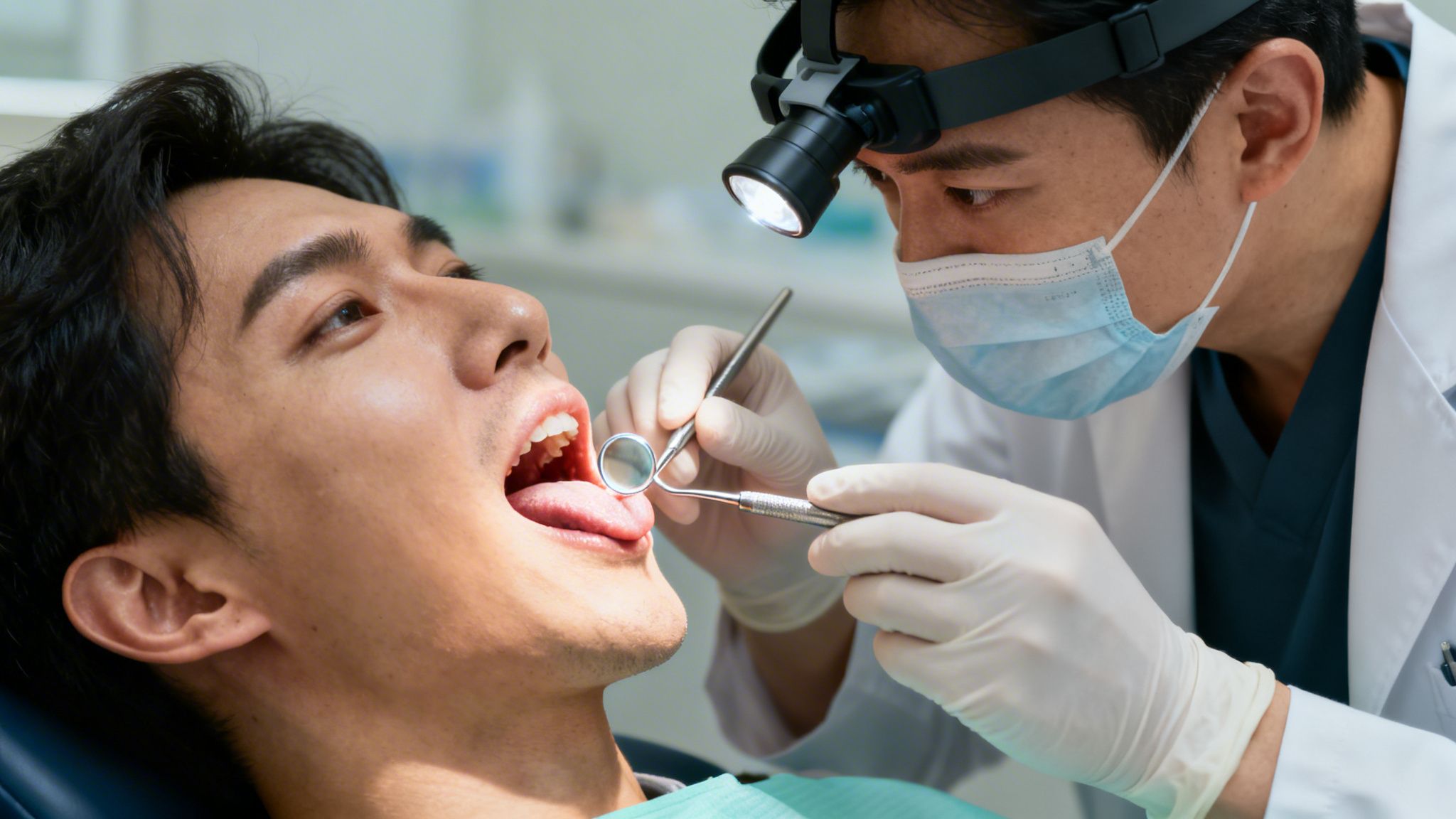
Dental Extraction and Bone Grafting
Why You Might Need a Bone Graft After Extraction
Preserving Jawbone Density and Facial Structure
The human jawbone requires constant stimulation from tooth roots during chewing and biting to stay strong and dense. When a tooth is extracted, that stimulation stops, leading to rapid bone deterioration that can eventually alter facial shape and cause a sunken appearance. A bone graft provides the necessary support to prevent the bone from shrinking, preserving the natural contours of the face and maintaining a youthful jawline.
Preparing for Future Dental Implants
Dental implants are widely considered the gold standard for tooth replacement, but they require a thick, sturdy foundation of bone to anchor securely. If a patient plans to replace an extracted tooth with an implant, the jawbone must be wide and deep enough to hold the titanium post. A bone graft builds up this critical foundation, making it possible to successfully place an implant and restore full chewing function in the future.
Preventing Shifting of Surrounding Teeth
Maintaining the structural integrity of the jaw helps keep the remaining natural teeth aligned and properly supported. When bone loss occurs after an extraction, the adjacent teeth often loosen and shift into the empty space, leading to bite misalignment and further dental complications.
Preparing for Your Procedure at William Schneider DDS Inc.
The Initial Consultation and X-Rays
The journey begins with a comprehensive first visit to William Schneider DDS Inc., where the dental team evaluates the affected tooth and discusses treatment options. This appointment includes taking detailed digital x-rays or 3D scans to map out the exact position of the tooth roots, nerves, and underlying jawbone structure.
Reviewing Your Medical History and Medications
Sharing a complete and accurate medical background is a vital step in preparing for any oral surgery. The dental team needs a thorough list of all current medications, supplements, and underlying health conditions to tailor the treatment and ensure maximum patient safety. This information helps the dentist choose the safest anesthesia options and determine if any medications, such as blood thinners, need to be adjusted prior to the appointment.
Pre-Operative Care Instructions to Follow at Home
Patients receive clear, step-by-step guidelines on how to prepare the night before and the morning of the surgery to guarantee a smooth experience. These instructions often include specific fasting rules, especially if the patient is receiving certain types of dental sedation that require an empty stomach. Following these pre-operative directions closely minimizes risks and helps the patient arrive at the clinic feeling calm and ready for the procedure.
What Happens During the Surgery?
Administering Local Anesthesia or Sedation
The procedure begins with the clinical team taking steps to completely numb the surgical area and provide relaxing sedation for a pain-free experience. Local anesthesia is carefully injected into the gums to block pain signals, while additional sedation options are available for patients who experience dental anxiety.
The Tooth Removal Process
Once the area is completely numb, the dentist uses gentle and precise techniques to loosen and extract the tooth from the jawbone. Specialized instruments are utilized to carefully expand the socket and separate the tooth from its ligament, preserving as much of the surrounding healthy bone and gum tissue as possible.
Placing and Securing the Bone Graft Material
Immediately after the tooth is removed, the socket is thoroughly cleaned, and the bone graft material is carefully packed into the empty space. This material is often covered with a protective collagen membrane that guides the healing process and prevents gum tissue from growing into the bone cavity. Finally, the dentist places a few small stitches to close the gums over the graft, securing the site and allowing the biological healing phase to begin.

Dental Extraction
Immediate Aftercare: The First 24 Hours
Managing Bleeding and Swelling
Controlling minor bleeding and swelling is a normal part of the first 24 hours following an extraction and bone graft. Patients are instructed to bite down firmly on sterile gauze pads to apply pressure to the surgical site, replacing the pads as needed until the bleeding subsides. Applying ice packs to the outside of the face in intervals of twenty minutes helps to constrict blood vessels and comfortably minimize facial swelling.
Pain Management Techniques and Prescriptions
Staying ahead of any discomfort is crucial once the local anesthesia begins to wear off after the surgery. The dentist provides clear guidance on taking prescribed medications or over-the-counter pain relievers at specific intervals to maintain a consistent level of comfort. Following this pain management schedule strictly, rather than waiting for the pain to become severe, ensures a restful and stress-free initial recovery period.
Foods to Eat and Foods to Avoid Right Away
Nutrition plays a key role in recovery, and selecting the right foods protects the surgical site from unnecessary irritation. Patients should stick to safe, soft foods like yogurt, applesauce, mashed potatoes, and smoothies for the first few days. It is extremely important to avoid hot liquids, crunchy snacks, and drinking through a straw, as the suction can dislodge the blood clot and disrupt the bone graft material.
The Healing Process: Weeks and Months Ahead
How the Graft Fuses with Your Natural Bone
Over the course of several months, a remarkable biological process called osseointegration takes place within the jawbone. The body gradually absorbs the grafted material, using it as a framework to generate strong, healthy new bone cells that fill the socket completely. This microscopic fusion process creates a permanent, solid foundation that restores the natural density of the jaw.
Signs of Proper Healing vs. When to Call the Dentist
Knowing what to expect during the healing phase helps patients monitor their recovery and identify any potential complications early. Normal healing symptoms include mild tenderness, slight bruising, and a gradual reduction in swelling over the first week. However, warning signs such as severe, throbbing pain, prolonged fever, or excessive bleeding require a quick call to the dental office for professional evaluation.
Maintaining Oral Hygiene During Recovery
Keeping the mouth clean without disturbing the healing graft or stitches is essential for preventing bacterial infections. Patients receive instructions on utilizing gentle brushing techniques around the adjacent teeth while carefully avoiding direct contact with the surgical site. A warm salt-water rinse used a few times a day helps neutralize bacteria and soothe the healing gum tissue without causing irritation.

Dental Extraction Surgery
Long-Term Benefits of Choosing a Bone Graft
Ensuring a Solid Foundation for Restorative Dentistry
Investing in a bone graft opens the door for successful, long-lasting restorations that depend on structural stability. Without this crucial grafting step, the jawbone would lack the necessary volume to support a dental implant or anchor a secure dental bridge. Preserving the bone density ensures that future prosthetic teeth will function exactly like natural teeth, providing a permanent solution to tooth loss.
Boosting Your Overall Oral Health
A strong jawbone initiates a series of cascading positive effects that improve a patient’s entire oral ecosystem. Maintaining bone density leads to better chewing function, which directly improves digestion and nutritional absorption. Additionally, preserving the jaw structure supports healthier gums and prevents the surrounding teeth from becoming vulnerable to decay and periodontal disease.
Enhancing Your Confidence with a Complete Smile
Taking proactive steps to care for the jawbone leads to emotional and aesthetic benefits that extend far beyond clinical health. Patients can look forward to a beautiful, fully functional smile they can feel proud of, without worrying about sunken facial features or missing teeth. This renewed confidence positively impacts daily interactions, allowing individuals to speak, laugh, and eat with complete freedom.
Setting the Stage for a Healthy Smile
Combining a dental extraction with a bone graft is a highly effective way to protect jaw health and set the stage for future restorative treatments. By preserving the bone density immediately after a tooth is removed, patients prevent long-term complications and keep their options open for dental implants down the road. Understanding the steps involved takes the guesswork out of the process, making the journey toward recovery clear and manageable.
This is a highly routine, safe procedure designed to protect overall health and keep patients as comfortable as possible. Modern dental techniques ensure that both the extraction and the grafting process are gentle, precise, and focused on long-term wellness. Following the prescribed aftercare instructions guarantees that the surgical site heals beautifully and efficiently.
William M. Schneider, D.D.S.
https://goo.gl/maps/d3H8ow2vWAC4qgZ26
1855 San Miguel Dr STE 31, Walnut Creek, CA 94596, United States
(925) 935-2700
www.wcfamilydentist.com