Understanding Dental Extraction with Bone Grafting: Your Complete Guide
When a tooth can’t be saved, extraction becomes necessary. But what happens to the empty socket afterward? This is where bone grafting plays a crucial role in maintaining your oral health and preparing for future dental work.
Dental extraction with bone grafting is one of the most common procedures performed in dentistry, but it’s often just the first step in a comprehensive treatment plan. When a tooth is removed, the surrounding bone begins to deteriorate naturally—a process that can compromise both your appearance and your ability to receive dental implants later.
Bone grafting during or immediately after extraction helps preserve the jawbone’s structure and density. This procedure involves placing bone material into the empty socket to encourage new bone growth and maintain the natural contours of your jaw.
Understanding both procedures can help you make informed decisions about your dental care and set realistic expectations for recovery. Whether you’re facing an extraction due to decay, infection, or orthodontic needs, knowing what to expect can reduce anxiety and improve your overall experience.
Reasons for Dental Extraction
Several conditions may make tooth extraction necessary, despite modern dentistry’s focus on preservation.
Severe tooth decay or infection represents the most common reason for extraction. When decay reaches the tooth’s pulp or creates an abscess that doesn’t respond to root canal treatment, removal becomes the safest option to prevent the infection from spreading.
Advanced periodontal disease can loosen teeth to the point where they can no longer function properly or cause pain. When the supporting structures around a tooth are severely compromised, extraction may be the only way to restore oral health.
Impacted teeth, particularly wisdom teeth, often require removal when there isn’t sufficient space for them to erupt properly. These teeth can cause crowding, pain, and difficulty with oral hygiene.
Orthodontic treatment sometimes necessitates extraction to create space for proper tooth alignment. This is typically done as part of a comprehensive treatment plan to achieve optimal bite function and aesthetics.

Dental Extraction with Bone Grafting
The Dental Extraction Procedure
The extraction process begins with a thorough examination and imaging to assess the tooth’s position and surrounding structures.
Initial examination and X-rays help your dentist or oral surgeon understand the tooth’s root structure and identify any potential complications. Digital imaging provides detailed views of the bone density and nearby anatomical structures.
Anesthesia options ensure your comfort throughout the procedure. Local anesthesia numbs the immediate area, while sedation options range from nitrous oxide to IV sedation for more complex cases or anxious patients. General anesthesia is reserved for extensive procedures or multiple extractions.
The extraction process varies depending on whether the tooth is visible above the gum line or impacted. Simple extractions involve loosening the tooth with specialized instruments and removing it with forceps. Surgical extractions may require incisions in the gum tissue and sometimes removal of bone around the tooth.
What is Bone Grafting?
Bone grafting is a surgical procedure that replaces missing or damaged bone with material that encourages new bone growth.
Definition and purpose of bone grafting centers on maintaining the jawbone’s volume and density after tooth loss. When a tooth is extracted, the alveolar bone that once supported it begins to resorb or shrink away, leading to changes in facial structure over time.
Why bone grafting is recommended after extraction becomes clear when you understand that up to 25% of bone width can be lost within the first year after extraction. This bone loss can make future implant placement difficult or impossible without additional procedures.
Benefits of preserving the alveolar ridge include maintaining facial support, preventing adjacent teeth from shifting, and creating optimal conditions for dental implants. The procedure essentially acts as scaffolding for your body’s natural bone-building process.
Types of Bone Graft Materials
Several types of bone graft materials are available, each with distinct advantages.
Autograft bone comes from your own body, typically from the jaw, hip, or another location. This material offers the highest success rate because it contains living cells and growth factors, but it requires a second surgical site.
Allograft bone comes from human donors and is processed to remove all cellular material while maintaining the bone’s mineral structure. This option eliminates the need for a second surgical site while providing excellent results.
Xenograft bone is derived from animal sources, most commonly bovine (cow) bone that has been processed to remove organic components. This material provides a stable scaffold for new bone growth.
Alloplast materials are synthetic alternatives made from calcium phosphate or other biocompatible substances. These materials offer consistent quality and eliminate any risk of disease transmission.
Each type has specific applications depending on the size of the defect, the patient’s health status, and the intended future treatment.

Dental Extraction Service Provider
The Bone Grafting Procedure
The bone grafting process typically occurs immediately after extraction to maximize its effectiveness.
Preparation of the extraction site involves cleaning the socket thoroughly and removing any infected tissue or debris. The site is then examined to determine the appropriate amount and type of graft material needed.
Placement of the bone graft material requires careful packing of the chosen material into the socket. The material should fill the space completely while allowing for proper blood flow and healing.
Use of membranes for guided tissue regeneration involves placing a barrier membrane over the graft material to prevent soft tissue from growing into the space where bone should form. This technique, known as GTR, significantly improves success rates.
Suturing the site closes the dental extraction socket and helps maintain the graft material in proper position during the initial healing phase. Dissolvable sutures are commonly used to eliminate the need for removal.
Recovery After Dental Extraction with Bone Graft
Recovery involves several phases, each with specific care requirements and expectations.
Immediate post-operative care focuses on controlling bleeding and managing initial discomfort. Applying gentle pressure with gauze for 30-45 minutes helps form a proper blood clot. Ice packs applied for 15-20 minutes at a time can reduce swelling during the first 24 hours.
Pain management typically involves over-the-counter medications like ibuprofen or prescribed pain relievers for more complex procedures. Most patients experience peak discomfort within the first 2-3 days, followed by gradual improvement.
Dietary recommendations include sticking to soft foods and liquids for the first few days. Avoid using straws, as the suction can dislodge the blood clot and graft material. Cold foods like ice cream can provide comfort, while hot foods should be avoided initially.
Oral hygiene instructions require modified brushing and rinsing techniques. Gentle saltwater rinses can begin 24 hours after surgery, but vigorous swishing should be avoided. Brushing around the surgical site should be done carefully to avoid disturbing the healing tissue.
Timeline expectations vary, but most patients can return to normal activities within a few days. Complete integration of the bone graft takes several months, during which the body gradually replaces the graft material with new bone.
Potential Risks and Complications
Like any surgical procedure, extraction with bone grafting carries some risks.
Infection can occur if bacteria enter the surgical site. Signs include increasing pain, swelling, fever, or unusual discharge. Proper oral hygiene and following post-operative instructions significantly reduce this risk.
Graft failure happens when the body doesn’t accept the graft material or when the site doesn’t receive adequate blood supply. This is relatively rare but may require additional procedures.
Nerve damage is a potential complication, particularly with lower tooth extractions near the inferior alveolar nerve. Symptoms can include numbness or tingling in the lip, chin, or tongue.
Sinus issues may occur when upper molar extractions create communication between the mouth and sinus cavity. Bone grafting can actually help prevent this complication by maintaining proper bone height.
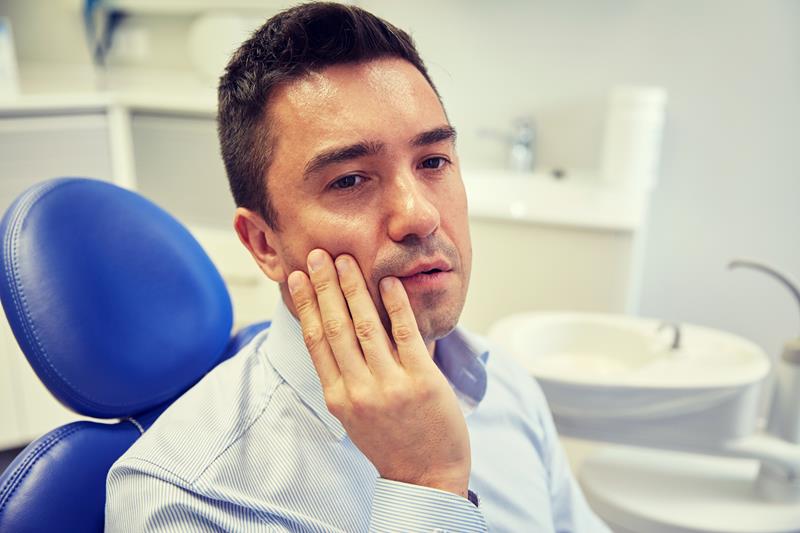
Dental Extraction
Long-Term Benefits of Bone Grafting
The advantages of bone grafting extend far beyond the immediate post-extraction period.
Preservation of jawbone structure maintains the natural contours of your face and prevents the sunken appearance that can occur after multiple tooth losses. This structural support becomes increasingly important as we age.
Improved aesthetics result from maintaining proper bone volume, which supports the lips and cheeks. This is particularly important in the front of the mouth where bone loss can significantly affect your smile.
Better support for future dental implants represents one of the most significant long-term benefits. Adequate bone volume ensures that implants can be placed in the optimal position for both function and aesthetics.
Prevention of adjacent tooth shifting helps maintain proper bite relationships and reduces the risk of additional dental problems. When bone is preserved, neighboring teeth are less likely to tip or migrate into the empty space.
Choosing the Right Dental Professional
Selecting an experienced practitioner significantly impacts your treatment outcome and overall experience.
Importance of selecting an experienced oral surgeon or periodontist cannot be overstated. These dental extraction specialists have additional training in surgical procedures and bone grafting techniques, leading to more predictable results.
Questions to ask during your consultation should include inquiries about the practitioner’s experience with bone grafting, success rates, and what to expect during recovery. Don’t hesitate to ask about alternative treatment options and their pros and cons.
William Schneider DDS Inc offers comprehensive oral surgery services, including dental extractions and bone grafting procedures. Their experienced team provides personalized care and uses advanced techniques to ensure optimal outcomes for their patients. The practice emphasizes patient education and comfort throughout the treatment process, helping patients make informed decisions about their oral health care.
Moving Forward with Confidence
Understanding dental extraction with bone grafting empowers you to make informed decisions about your oral health. This combined procedure offers the best opportunity to maintain your jawbone structure while addressing immediate dental problems.
The key to successful treatment lies in seeking care from experienced professionals who can evaluate your specific situation and recommend the most appropriate approach. Early intervention often leads to better outcomes and can prevent more extensive procedures later.
If you’re facing tooth extraction, don’t wait to discuss bone grafting options with your dental professional. The investment in preserving your bone structure today can save time, money, and discomfort in the future while maintaining your quality of life and oral health for years to come.
WC Family Dentist
https://goo.gl/maps/d3H8ow2vWAC4qgZ26
1855 San Miguel Dr STE 31, Walnut Creek, CA 94596, United States
(925) 935-2700
www.wcfamilydentist.com