Dental Implant Specialists vs. General Dentists — Who Should You See?
Imagine sitting in the dental chair, listening to your dentist explain that you need a dental implant. It sounds like a big procedure, and suddenly, you are faced with a choice. Do you stick with the dentist you know and trust for your cleanings, or do you accept a referral to a specialist you have never met? It is a common dilemma, and feeling a little unsure is completely normal. After all, this is your smile and your health on the line.
The goal here is to clear up the confusion surrounding the roles of general dentists and implant specialists, such as prosthodontists, oral surgeons, and periodontists. By understanding the differences in their training, the technology they use, and how they handle complex cases, you can make a decision that feels right for you. Whether you choose a general dentist or a specialist often depends on your specific needs, and knowing the facts is the first step toward a healthy, restored smile.
Understanding the Core Training Differences
Dental School Basics vs. Residency Training
While every specialist starts as a dentist, not every dentist goes on to become a specialist. General dentists complete four years of dental school, learning a broad range of treatments. Specialists, however, commit to an additional three to four years of rigorous residency training specifically focused on their field, such as oral surgery or periodontics.
Continuing Education Requirements
The learning journey looks different for general dentists compared to specialists. A general dentist might attend weekend workshops or short courses to learn how to place implants, expanding their skill set gradually. In contrast, specialists dedicate their entire careers and ongoing education to the nuances of surgical precision and restoration. Their continuing education is often much more advanced, focusing on the latest research, complex bone grafting techniques, and managing difficult cases that go beyond standard care.
Board Certification Matters
Board certification is a distinction that sets many specialists apart. It means a dentist has voluntarily undergone a rigorous vetting process, including written and oral exams, to demonstrate their expertise in a specific specialty. Choosing a board-certified specialist offers an added layer of reassurance, knowing that your provider has met the highest standards of their profession and is committed to maintaining that level of excellence through continuous learning and assessment.
The Complexity of Your Case: When to Refer Out

Dental Implants
Single Tooth Replacement vs. Full Arch Restoration
For a straightforward procedure, such as replacing a single missing tooth with plenty of healthy bone available, a skilled general dentist can often provide excellent results. However, when the situation involves full-mouth reconstruction or replacing an entire arch of teeth, the stakes are higher.
Bone Density and Grafting Needs
Successful implants rely heavily on the quality and quantity of your jawbone. If you have experienced bone loss, you might need procedures like sinus lifts or ridge augmentation to create a solid foundation. Specialists perform these grafting surgeries routinely and are better equipped to handle the intricacies of manipulating bone and soft tissue.
Medical History Complications
Your overall health plays a significant role in the success of dental surgery. Patients with chronic conditions like diabetes, osteoporosis, or heart disease face higher risks during healing and anesthesia. Specialists receive extensive training in hospital-based settings during their residency, giving them the medical risk management skills necessary to treat medically compromised patients safely.
Technology and Equipment Standards
CBCT Scanning and 3D Imaging
Precision is everything when placing a titanium post into your jawbone. Specialists almost universally rely on 3D Cone Beam CT (CBCT) scans to visualize your anatomy in three dimensions. This technology allows for precise nerve mapping and accurate assessment of bone volume, minimizing the risk of hitting vital structures. While some modern general dental offices have this technology, it is a standard of care in specialist practices to ensure the highest level of safety and accuracy.
Surgical Guides and Digital Planning
There is a significant difference between placing an implant “freehand” and using a digitally designed surgical guide. Freehand placement, which is more common in general practices, relies heavily on the dentist’s visual judgment during surgery. Specialists typically utilize digital planning software to create a custom surgical guide that fits over your teeth, directing the implant into the exact angle and depth pre-planned on the computer.
Sedation Capabilities
Your comfort during surgery is just as important as the technical success of the procedure. While general dentists can often offer nitrous oxide (laughing gas) or oral sedation pills, their ability to provide deeper sedation is often limited. Oral surgeons and many periodontists are trained and licensed to administer IV sedation or general anesthesia.
William Schneider DDS Inc.: Bridging the Gap
The Comprehensive Care Model
Some dental practices bridge the gap between general dentistry and specialty care effectively. Offices like William Schneider DDS Inc. operate on a comprehensive care model, offering advanced implant services within a familiar, patient-centered environment. This approach allows you to receive sophisticated treatment without being shuffled between different offices, combining the comfort of your regular dental home with the technical capabilities often associated with specialist centers.
Experience vs. Title
Sometimes, the experience of the provider matters more than the specific letters after their name. A general dentist who focuses heavily on implant dentistry and performs hundreds of cases a year may have more practical experience than a specialist who focuses on other treatments. When considering a provider like William Schneider DDS Inc., looking at the volume of implant cases they successfully manage can be a strong indicator of their proficiency and skill level.
Continuity of Care
One major advantage of comprehensive practices is the continuity of care. In a traditional referral model, one doctor places the implant, and another restores it with a crown, which can sometimes lead to communication gaps. Experienced implant-focused dentists often handle both the surgical placement and the final restorative crown.
Managing Risks and Complications
Failure Rates and Revision Therapy
No surgical procedure is without risk, and unfortunately, dental implants can sometimes fail to integrate or develop infections. Specialists are typically the experts called upon to manage these failures and perform revision therapy. Their extensive training prepares them to diagnose why an implant failed—whether due to infection, overload, or poor placement—and to execute the complex procedures required to save the site or replace the implant successfully.
Infection Control Protocols
Surgical specialists operate with a mindset focused intensely on sterility and infection control. While general dental offices maintain high hygiene standards, specialist offices often adhere to hospital-grade surgical protocols. This includes dedicated surgical suites, rigorous draping procedures, and advanced sterilization techniques designed specifically for invasive open-wound surgeries, significantly reducing the risk of post-operative infections.
Nerve Damage and Sinus Perforation
The anatomy of the face is crowded with nerves, blood vessels, and sinus cavities. A specialist’s deep knowledge of facial anatomy is your best defense against complications like permanent nerve injury or sinus perforation. Because they navigate these delicate structures daily, they are adept at avoiding danger zones and managing unexpected anatomical variations that might catch a less experienced practitioner off guard.
The Financial Aspect: Cost vs. Value
Upfront Costs vs. Long-Term Investment
It is natural to look at the price tag, and specialist fees might initially appear higher than those of a general dentist. However, looking at this as a long-term investment is crucial. Paying for a specialist’s expertise upfront can prevent costly complications, failures, or the need for remedial work down the road.
Insurance Coverage Variances
Navigating dental insurance for implants can be tricky, as many plans categorize them as cosmetic procedures. Coverage levels might differ significantly depending on whether you see an in-network general dentist or an out-of-network specialist. It is important to review your plan carefully, but remember that insurance limitations should not dictate your healthcare choices; sometimes the best provider for your health is worth the out-of-pocket difference.
All-Inclusive Pricing Models
The billing structure can also vary between providers. Some specialized implant centers offer bundled or all-inclusive pricing that covers the surgery, the abutment, and the final crown. In contrast, general dentists or split-treatment models may bill separately for each component or refer you to another office for the restoration, leading to multiple bills.
The Patient Experience and Comfort
Surgical Environment vs. Dental Chair
The physical environment contributes significantly to your mindset and comfort. Having surgery in a dedicated surgical suite, which is common in specialist offices, feels different than being in a standard dental hygiene room with the sounds of cleaning equipment next door.
Post-Operative Recovery Support
Recovery does not end when you leave the chair. Specialists typically provide robust post-operative support protocols, including detailed aftercare instructions and specific prescription management for pain and infection. Furthermore, they usually offer 24/7 emergency availability, ensuring that if you have a concern at 2 AM on a Saturday, you have direct access to the surgeon who performed your procedure rather than a general answering service.
Communication Flow
Working with a single provider versus two different doctors changes the flow of communication. In a split model, information must be passed between the surgeon and the restorative dentist, creating a potential for miscommunication or “telephone game” issues. A single provider handling the process, or a practice with tight integration, ensures that your treatment plan is cohesive, and you always know exactly who to ask if questions arise.
Making Your Final Decision
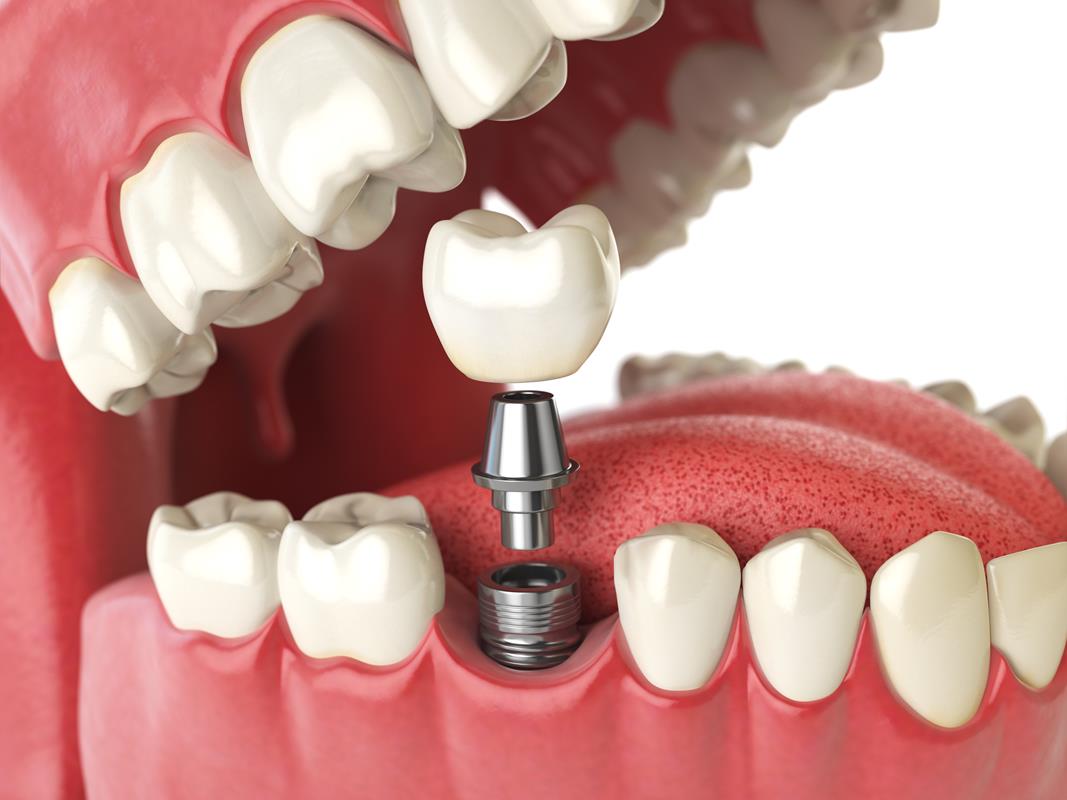
Dental Implant Procedure
Questions to Ask Your Provider
Before committing to surgery, arm yourself with information. Ask your potential provider specific questions like, “How many implants did you place last year?” and “What is your protocol if the implant fails?” A confident and qualified dentist will welcome these questions and answer them transparently.
Reviewing Before-and-After Galleries
Visual evidence is a powerful tool for building trust. Ask to see before-and-after galleries of actual patients the dentist has treated. Specifically, look for cases that are similar to your own situation—if you need a front tooth replaced, look for examples of aesthetic zone work. If you need a back molar, look for functional results.
Trusting Your Gut Feeling
Finally, never underestimate the value of your intuition. During your consultation, do you feel heard and respected, or rushed and pressured? You should fully understand the treatment plan, the risks, and the alternatives before agreeing to surgery. If something feels off, or if you still have lingering doubts, seeking a second opinion is a wise step to ensure you feel completely confident in your choice.
Your Smile, Your Choice
Choosing between a general dentist and a dental implant specialist ultimately comes down to the complexity of your needs and the level of expertise required. While many general dentists are capable of delivering excellent results, advanced or complex implant cases often benefit from the focused training, experience, and precision that a specialist brings. Specialized knowledge can make a meaningful difference in planning, placement, and long-term success.
The best next step is a consultation. Speaking with a qualified dental professional allows you to discuss your goals, review your oral health, and understand which approach—general dentist or implant specialist—is the right fit for you. An informed decision today can lead to a healthier, stronger smile tomorrow.
William M. Schneider, D.D.S.
https://goo.gl/maps/d3H8ow2vWAC4qgZ26
1855 San Miguel Dr STE 31, Walnut Creek, CA 94596, United States
(925) 935-2700
www.wcfamilydentist.com