If you're searching for a dentist in Walnut Creek, CA, you're probably not doing it casually. Usually there's a reason. Maybe it's been a while since your last cleaning. Maybe a tooth started hurting during lunch. Maybe you're new to the area and want a dental office that can handle routine visits now and something more involved later, like a crown, root canal, or dental implants near me.
That search can feel harder than it should. Many people want one office that's skilled, clear, gentle, and easy to talk to. They don't want to bounce between providers for every step of care, and they certainly don't want to feel rushed or judged for putting treatment off.
In Walnut Creek and across the East Bay, patients often come in at very different points in the same journey. One person wants a straightforward cleaning and exam. Another needs help with a cracked tooth. Someone else wants to improve the look of their smile with whitening or Invisalign. Others are specifically looking for an emergency dentist, help with tooth extraction, or answers about sleep apnea and oral appliances. Good general dentistry services should make room for all of that.
Dr. Schneider has spent more than 25 years caring for patients with that broader view in mind. The goal isn't just to fix a single tooth. It's to build a long-term plan that protects comfort, function, appearance, and confidence.
Your Guide to Comprehensive Dental Care in Walnut Creek
Many people begin searching for a local dentist during a time of uncertainty. They type in dentist near me because they have noticed bleeding gums while brushing, a rough edge on a tooth, or a smile in the mirror that no longer feels like their own. Others are overdue and want a fresh start with a practice that feels steady and approachable.
That's where thorough care matters. General dentistry services aren't limited to cleanings and fillings. In a well-run private practice, they create a path from prevention to repair, and from urgent treatment to long-term maintenance. You shouldn't have to guess what comes next.
Care that follows the patient, not just the procedure
A patient's first visit often tells the story. Some arrive with no pain and need only a thorough exam, x-rays, and a cleaning. Others come in worried that they'll hear they need extensive treatment. The right approach is to slow down, diagnose carefully, and prioritize what needs attention first.
That usually means separating dental needs into a few practical questions:
- What needs immediate care: Pain, infection, swelling, or a broken tooth can't wait.
- What needs attention soon: Cavities, worn restorations, or gum inflammation often worsen without obvious signs.
- What can be planned thoughtfully: Whitening, Invisalign, implants, and smile improvements work best with a clear roadmap.
What works: Clear sequencing, honest explanations, and a treatment plan that matches your health goals and comfort level.
Why families and professionals look for one dental home
General dentistry remains central to oral health because it handles the issues that many individuals encounter. The field is also a major part of the profession overall. General dentistry is the largest segment of the U.S. dental market, which was valued at over $130 billion in 2022 according to industry data on the dental market and general dentistry's role.
For patients, that translates into something simple. The dentist you trust for exams, cleanings, fillings, crowns, gum care, and emergency treatment often becomes the person who knows your history best. That continuity matters. It helps catch changes early, reduces surprises, and makes future decisions much easier.
The Foundation of Lifelong Health Preventive Care and Diagnostics
Most healthy smiles are built with consistency. Not with dramatic procedures, but with regular exams, professional cleanings, and the right diagnostic tools at the right time. That's still the most reliable way to keep small issues from turning into painful or expensive ones.
Approximately 65% of all dental procedures performed in general dentistry are diagnostic or preventive in nature, which reflects how strongly the profession relies on early detection and routine assessment to prevent more invasive treatment later, as described in this overview of general dentistry and preventive care.
What happens during a comprehensive visit
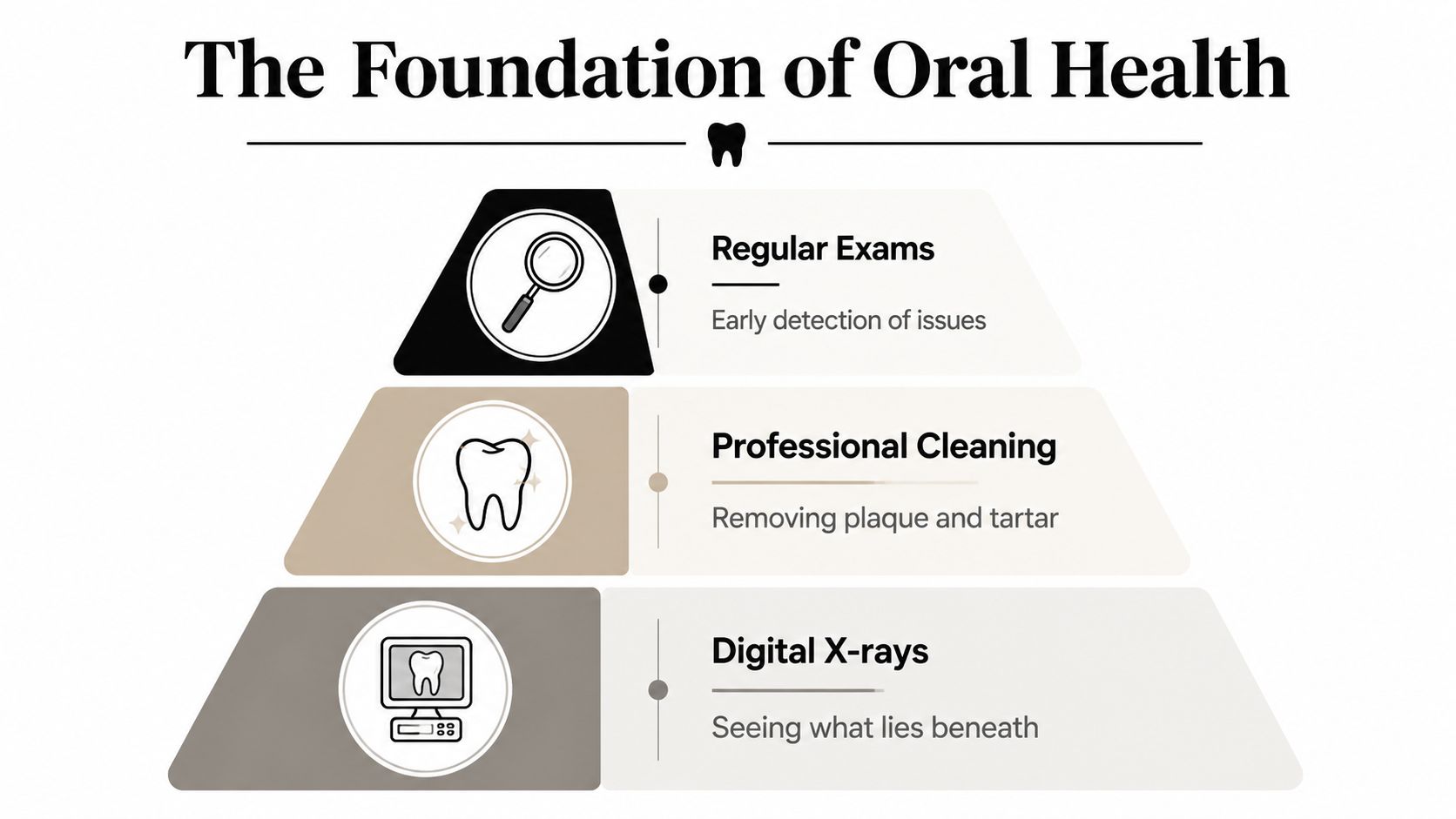
A preventive appointment does more than polish teeth. Each part has a purpose.
Exam
The exam looks for visible signs of decay, worn fillings, cracks, gum inflammation, bite issues, and changes in the soft tissues of the mouth. It's also a chance to catch concerns that patients don't feel yet.Professional cleaning
A hygienist removes plaque and tartar that brushing and flossing at home can't fully reach. This helps lower the risk of cavities and gum disease and leaves the mouth easier to maintain.Dental x-rays
X-rays show what can't be seen directly, including decay between teeth, bone changes, hidden infection, and problems under existing restorations.
Why early detection saves trouble later
Preventive care works best when patients see it as a strategy, not a chore. A small cavity may only need a filling. If it's ignored, that same tooth may later need a crown, root canal, or extraction. The same pattern applies to gum disease. Early inflammation is much easier to manage than advanced tissue or bone loss.
That's one reason regular appointments still matter even when nothing hurts. Pain usually arrives late.
For patients who want a clearer sense of the long-term value, these benefits of regular dental checkups explain why consistent preventive care tends to be simpler, calmer, and easier on both the mouth and the treatment plan.
A good exam should leave you with answers, not uncertainty. You should know what's healthy, what needs watching, and what deserves treatment now.
What doesn't work
Some habits make preventive care less effective:
- Waiting for pain: By the time a tooth hurts, the problem is often larger.
- Skipping x-rays for years: Serious issues can develop without obvious symptoms.
- Treating home care as a substitute for professional care: Brushing and flossing are essential, but they can't remove hardened tartar or identify hidden decay.
In practice, preventive dentistry is what keeps general dentistry services grounded. It gives every later decision a stronger foundation.
Restoring Your Smile with Restorative Dentistry Solutions
Restorative dentistry begins where prevention leaves off. A cavity, broken filling, cracked tooth, infection, or missing tooth changes how you eat, speak, and feel. It can also change how you carry yourself. People often chew on one side, avoid cold drinks, or hide their smile without realizing how much the problem is affecting daily life.
Globally, oral diseases affect an estimated 3.6 billion people, and U.S. dental visits recovered to 324.3 million by 2021 after the pandemic dip, underscoring how common these problems are and how important restorative care remains in everyday practice, as noted in this review of dental service use and oral disease burden.
Matching the treatment to the problem
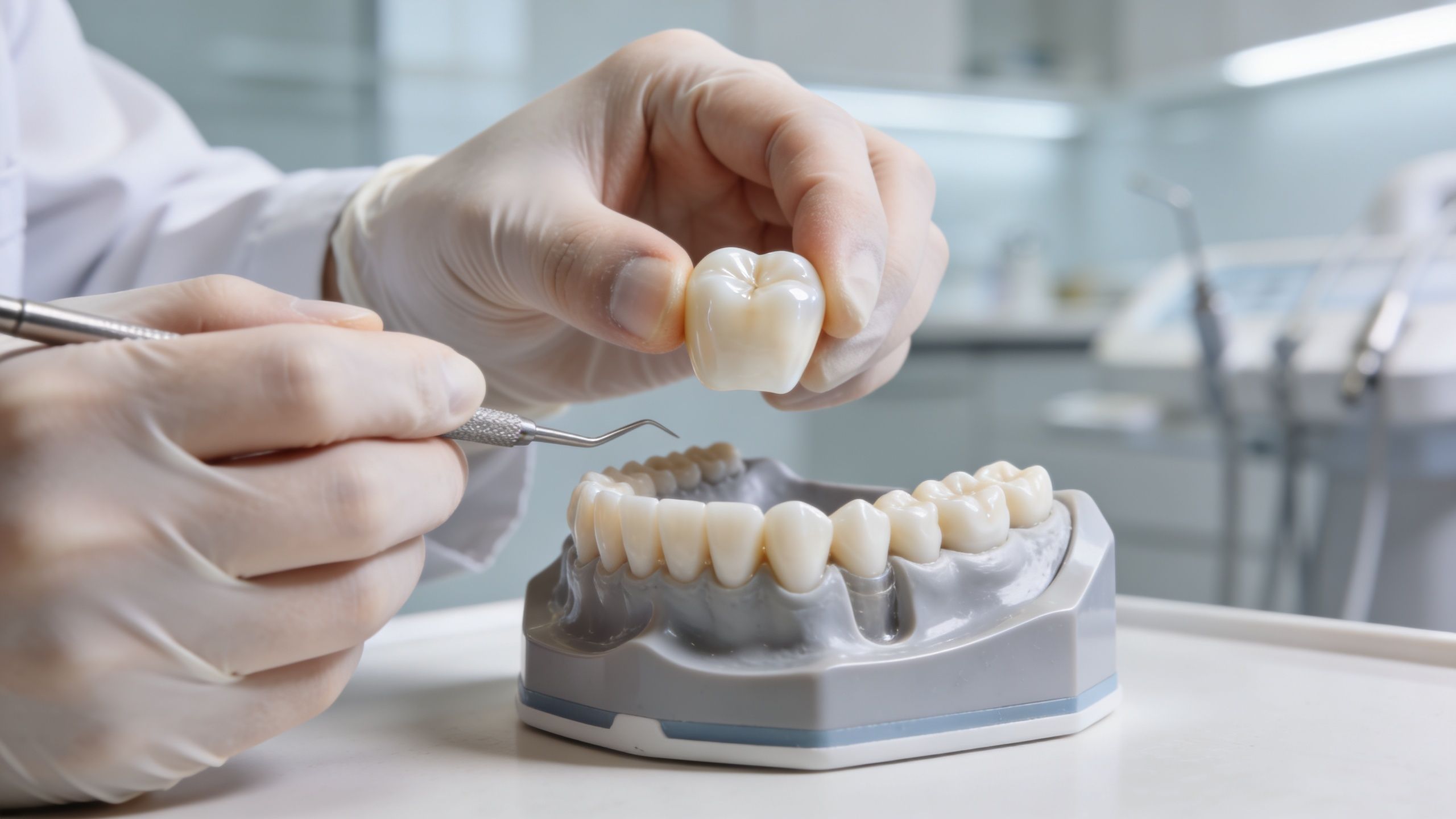
Not every damaged tooth needs the same solution. The goal is to preserve as much healthy structure as possible while restoring strength and comfort.
| Problem | Common treatment | What it helps restore |
|---|---|---|
| Small to moderate decay | Tooth-colored filling | Shape and function |
| Larger fracture or heavy wear | Crown | Strength and protection |
| Missing tooth | Bridge or implant plan | Chewing and appearance |
| Infected nerve tissue | Root canal | Pain relief and tooth retention |
What patients usually notice first
Most people don't walk in saying they need a crown. They say:
- “It hurts when I bite.”
- “Part of the tooth broke off.”
- “Food keeps getting stuck there.”
- “I can't chew on that side.”
Those symptoms matter because they point to structure. Restorative dentistry is less about labels and more about restoring what the tooth must do every day.
What treatment actually feels like
Modern restorative care is usually more straightforward than patients expect. A filling removes decay and seals the tooth. A crown covers a tooth that has weakened or fractured. A root canal removes infected tissue inside the tooth, then preserves the outside structure so the tooth can remain in function.
Practical rule: If a tooth can be saved predictably, saving it is often the first choice. Extraction makes sense when the tooth can't support a stable, healthy result.
What doesn't work is delaying treatment once a tooth is clearly breaking down. Small fractures can deepen. Temporary sensitivity can become persistent pain. A damaged filling can allow new decay to spread under the surface.
For patients looking for an emergency dentist in Walnut Creek, restorative care is often the answer after the urgent diagnosis. The immediate goal is relief. The lasting goal is function. Done well, restorative dentistry gives both.
Enhancing Your Confidence with Cosmetic Dentistry
Not every dental concern is about pain. Some are about confidence. Patients often say their teeth are healthy enough, but they still don't like how their smile looks in photos, meetings, or everyday conversation. That concern is valid. Cosmetic dentistry can improve appearance without losing sight of oral health.

Small changes can have a real effect
In Walnut Creek, many cosmetic requests are practical. Patients want teeth to look cleaner, straighter, brighter, or more even. They're not asking for an artificial result. They want a smile that looks like them, only healthier and more polished.
Professional whitening is a common example. Store products can help a little, but they often deliver uneven results or increased sensitivity without enough improvement to justify the effort. In-office or professionally supervised whitening gives better control and a more predictable shade change.
Invisalign serves a different need. It gradually moves teeth with clear aligners, which appeals to adults who want straighter teeth without traditional braces. It can also make daily cleaning easier in some cases by improving alignment and reducing hard-to-clean overlap.
Cosmetic care still has to be thoughtful
Good cosmetic dentistry starts with diagnosis, not sales. Before whitening, it helps to know whether discoloration comes from surface stain, aging enamel, old dental work, or something deeper. Before Invisalign, it helps to confirm that the teeth and gums are stable enough for movement.
That's why cosmetic decisions usually work best after a complete exam and clear discussion of priorities. Some patients care most about color. Others are bothered by spacing, crowding, or worn edges. The treatment should fit the concern.
A closer look at smile improvement options can help patients picture the process:
Why this matters beyond appearance
A smile affects how people speak, laugh, and show up socially. For professionals, it can shape comfort in meetings and presentations. For anyone, it can remove the habit of covering the mouth or smiling with lips closed.
- Teeth whitening helps when healthy teeth look dull or stained.
- Invisalign clear aligners help when alignment affects confidence and cleanability.
- Cosmetic updates to restorations help when old dental work no longer matches nearby teeth.
Cosmetic dentistry isn't about vanity. It's often an investment in ease and self-assurance.
Advanced Treatments Dental Implants and Sleep Apnea
Some needs fall outside what patients expect from a general dentist. Missing teeth and poor sleep are good examples. They seem unrelated, but both can have a major effect on health, comfort, and daily function. In a full-service practice, these concerns don't have to be pushed to the margins.
Why implants matter after tooth loss
A missing tooth can change more than appearance. Neighboring teeth may shift. Chewing becomes less balanced. Some patients unconsciously avoid certain foods, while others become more aware of gaps when speaking or smiling.
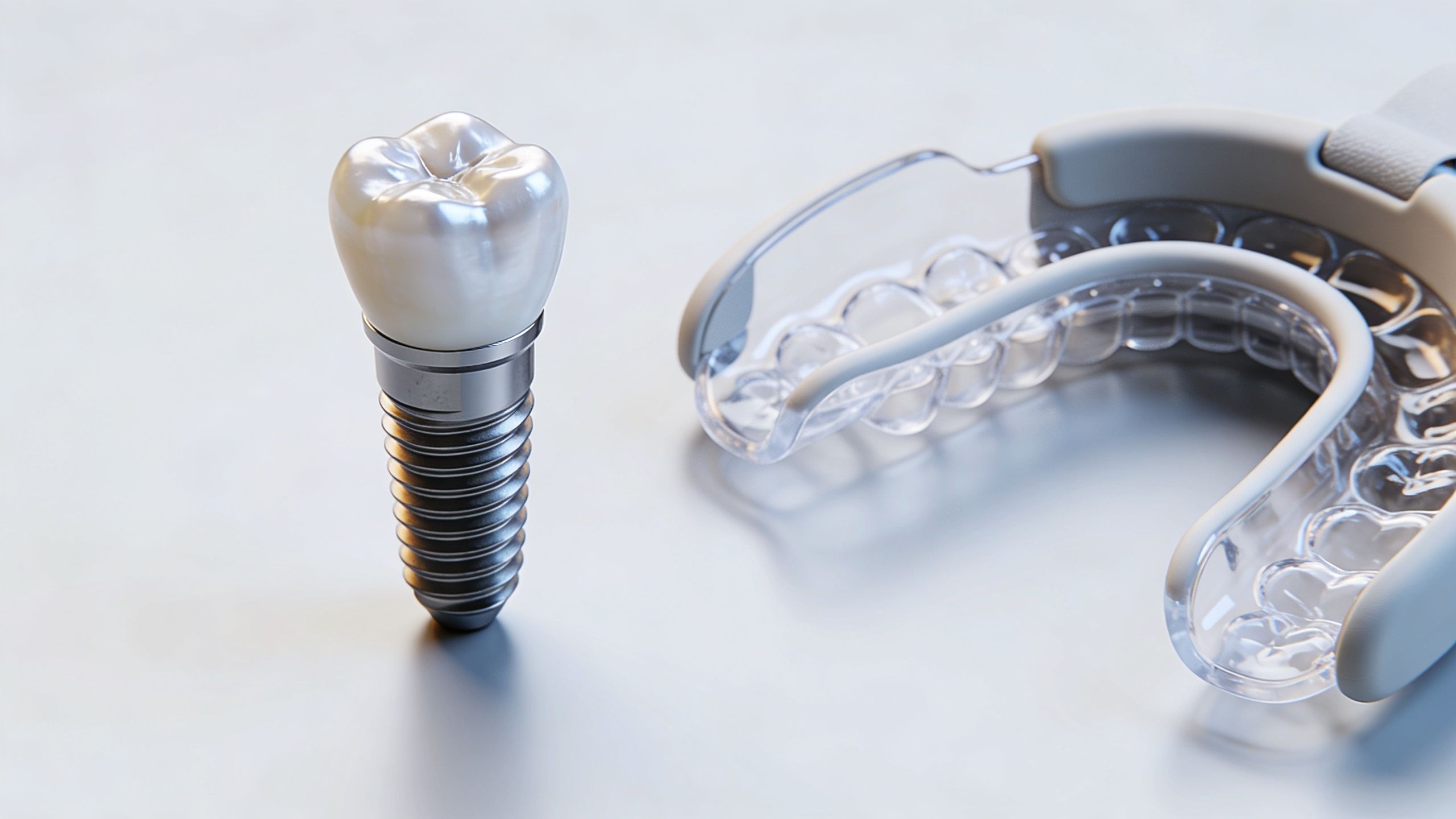
Dental implants replace a missing tooth with a stable foundation in the jaw and a restoration above it. They don't rely on nearby teeth the way a bridge does, and they tend to feel more secure than removable options. For many adults searching for dental implants near me, the main questions are usually practical: Am I a candidate, how long does it take, and what kind of result can I expect in daily life?
Patients who want a closer look at that process can review dental implants in Walnut Creek, CA to understand how implant treatment is evaluated and planned.
Sleep apnea belongs in the dental conversation
Sleep apnea often shows up first as fatigue, snoring, restless sleep, or a partner noticing pauses in breathing. Dentists see oral and airway clues during routine exams that patients may not connect to sleep at all.
A recent emerging trend for 2025 to 2026 sees general dentists playing a key role in screening for obstructive sleep apnea, with up to 80% of cases being detectable through intraoral exams during routine visits, according to this discussion of dental screening and oral appliance therapy.
If a patient clenches heavily, shows airway-related anatomy, reports snoring, or feels exhausted despite a full night in bed, a dental screening conversation can be appropriate.
For patients who can't tolerate CPAP or want to discuss alternatives after medical diagnosis, custom oral appliances may help by repositioning the jaw during sleep.
One office, broader solutions
William M. Schneider, DDS provides general dentistry services that include preventive care, restorative treatment, dental implants, and sleep apnea solutions through oral appliance therapy. For patients, the practical benefit is continuity. The same office that monitors routine oral health can also help connect the dots when treatment becomes more advanced.
Your Comfort is Our Priority Sedation and Anxiety Management
Dental fear is common, and it doesn't always look dramatic. Some patients feel nervous in the chair. Others cancel appointments repeatedly, wait until pain forces them in, or avoid calling altogether because they expect judgment, discomfort, or bad news.
That pattern matters. Dental anxiety affects an estimated 36 million Americans, and anxious patients are twice as likely to delay routine visits, which can lead to more extensive oral health problems, according to this report on anxiety as a barrier to dental care.
What anxious patients usually need
Anxiety management in dentistry isn't one technique. It's a series of choices that reduce stress before, during, and after treatment.
Some of the most helpful steps are simple:
- Extra explanation: Knowing what will happen lowers uncertainty.
- Pacing: Short pauses and check-ins help patients feel in control.
- Gentle anesthesia techniques: Comfortable numbing changes the tone of the visit quickly.
- Sedation when appropriate: This can make treatment more manageable for patients with stronger fear or difficult procedures.
What actually helps and what usually doesn't
Patients with dental anxiety often hear vague promises about a “relaxing environment.” That's not enough on its own. A calm office is helpful, but it won't replace communication, pain control, and a team that notices when a patient is starting to tense up.
What helps more is practical, specific care:
| Helpful approach | Why it matters |
|---|---|
| Clear step-by-step explanation | Reduces fear of the unknown |
| Painless injection techniques | Builds trust early in the visit |
| Sedation options when indicated | Makes needed care more accessible |
| Permission to pause | Restores a sense of control |
Sedation is one part of compassionate care
Sedation can be appropriate for longer procedures, strong gag reflexes, past traumatic experiences, or patients who've avoided care for years and need a way to re-enter treatment without feeling overwhelmed. It's not necessary for everyone, and it's not the only answer. But for some patients, it's the difference between getting care and continuing to postpone it.
Some patients don't need “more courage.” They need a setting that respects fear and a plan that makes treatment feel possible.
For adults in Walnut Creek who are looking for a cosmetic dentist near me, an emergency dentist, or routine care but feel held back by fear, this issue deserves direct discussion. Anxiety should influence how treatment is delivered. It shouldn't prevent treatment altogether.
What to Expect as a New Patient at Our Walnut Creek Office
The first visit should feel organized and understandable. Patients shouldn't have to guess what paperwork is needed, whether x-rays will be taken, or when they'll hear about next steps. A smooth process lowers stress and helps treatment start on solid ground.
General dentistry continues to anchor most dental care. The U.S. dental market was valued at USD 192.22 billion in 2023, and the general dentistry segment dominates market share, reflecting its role in diagnosing common conditions, treating routine needs, and coordinating care across a patient's long-term oral health journey, as described in this U.S. dental services market analysis.
Your first visit, step by step
Scheduling
You can call or use online tools to request an appointment. If you're dealing with pain, swelling, or a broken tooth, tell the team so urgency can be assessed.Health history and concerns
The first conversation matters. Medical history, medications, symptoms, and priorities all shape safe, personalized care.Exam and diagnostics
A new patient exam may include x-rays, evaluation of the teeth and gums, bite review, and discussion of any areas that need attention.Treatment planning
If treatment is needed, it should be explained clearly. Patients should understand what's urgent, what can wait, and what their options are.
What good communication looks like
A useful first visit answers practical questions:
- What problem am I dealing with?
- What happens if I wait?
- What are my treatment choices?
- How will insurance and payment be discussed?
That transparency matters because most patients aren't just choosing a single appointment. They're choosing a dental home in Walnut Creek for ongoing care, from cleanings and exams to restorative and cosmetic treatment.
Frequently Asked Questions for Walnut Creek Patients
Patients usually have a few final questions before booking, especially if they're new to the area or haven't seen a dentist in a while. Clear answers can make that next step much easier.
Local Dental Care FAQs
| Question | Answer |
|---|---|
| Do you offer general dentistry services for both routine and more complex needs? | Yes. General dentistry services can include cleanings, exams, x-rays, fillings, crowns, root canals, gum disease treatment, and evaluation for more advanced care such as implants or sleep apnea appliances. |
| I'm searching for a dentist near me in Walnut Creek. How do I know if a practice is the right fit? | Look for clear communication, a full range of services, a comfortable office environment, and a treatment approach that explains priorities instead of pressuring you into decisions. |
| Can I come in if I have dental anxiety? | Yes. Anxiety is common, and it should be discussed openly. Gentle techniques, clear explanations, and sedation when appropriate can make visits much more manageable. |
| What counts as a dental emergency? | Tooth pain, swelling, a broken tooth, infection, or trauma to the mouth should all be evaluated promptly. If you're unsure, call and describe what's happening. |
| Do I need a full exam before cosmetic treatment like whitening or Invisalign? | Usually, yes. Cosmetic treatment works best after checking the health of the teeth and gums so the plan is safe and predictable. |
| If I'm missing a tooth, do I need an extraction site evaluated before implants? | Often, yes. Implant planning depends on the condition of the bone, gums, bite, and surrounding teeth. A proper exam helps determine timing and options. |
If you're looking for a trusted dental home in Walnut Creek, William M. Schneider, DDS offers thorough care for prevention, repair, cosmetic goals, dental anxiety, and long-term oral health. If you're ready to schedule an exam, discuss tooth pain, ask about Invisalign or dental implants, or find a dentist in Walnut Creek, CA who will explain your options clearly, contact the office to request an appointment.