You notice it in small moments. A photo at dinner in Walnut Creek. A quick glance in the mirror before work. The way coffee, tea, red wine, and simple aging have taken some of the brightness out of your smile.
That usually leads to the same question: is teeth whitening worth it?
For many adults, it can be. But the honest answer isn't yes for everyone. It depends on what's causing the discoloration, how quickly you want results, how sensitive your teeth are, and whether you're looking for a one-time cosmetic boost or a plan you can maintain over time.
A lot of people are weighing this same decision. In fact, 37 million Americans used whitening products in 2020, according to teeth whitening usage statistics compiled here. If you've been comparing whitening strips, whitening toothpaste, and professional treatment, you're in very good company.
Considering Teeth Whitening? A Guide for Walnut Creek Residents
A common Walnut Creek scenario goes like this. Someone does a good job brushing, keeps up with dental cleanings and exams, and still feels like their smile looks dull. They may not have pain, decay, or an emergency dentist problem. They just don't like the color of their teeth anymore.
That matters more than people sometimes admit.
When patients search for a cosmetic dentist near me or a dentist in Walnut Creek, CA, they're often not chasing perfection. They want to look more rested, more polished, or more like themselves. Whitening can help with that, but only if the method matches the problem.
What makes whitening feel worth it
The value often comes down to three questions:
- How visible is the discoloration If the change is minor and mostly on the surface, a conservative approach may be enough.
- How important is speed If you want a noticeable change for an event, professional treatment usually makes more sense.
- How much guidance do you want Some people are comfortable experimenting with store products. Others want a dentist to evaluate sensitivity, old dental work, and the likely result before they spend money.
Whitening is worth it when the result matches your expectations and the process doesn't create new problems.
That's why this isn't just a cosmetic question. It's also a planning question.
When the answer is not a simple yes
Whitening has limits. It doesn't change the color of crowns, veneers, or many fillings. It may not solve discoloration caused by internal tooth changes. And if you have untreated cavities, gum irritation, or significant enamel wear, whitening may need to wait until those issues are addressed.
For some patients, the better next step is a full cosmetic consultation rather than buying another box of strips. For others, a simple take-home system is enough.
If you're also looking for a long-term dental home in the East Bay, this is where an experienced local practice matters. A dentist who handles teeth whitening, cosmetic dentistry, cleaning and exams, restorative dentistry, dental implants, tooth extraction, and emergency dentist care can look at your smile as a whole. That usually leads to better decisions than trying products at random.
How Professional Teeth Whitening Brightens Your Smile
Not all stains are the same. Some sit on the outside of the tooth. Others are deeper inside the enamel and dentin.
Think of it this way. A surface stain is like dirt on a window. A deeper stain is more like discoloration within the material itself. You can polish the glass all you want, but if the color change is deeper, surface cleaning won't fully fix it.
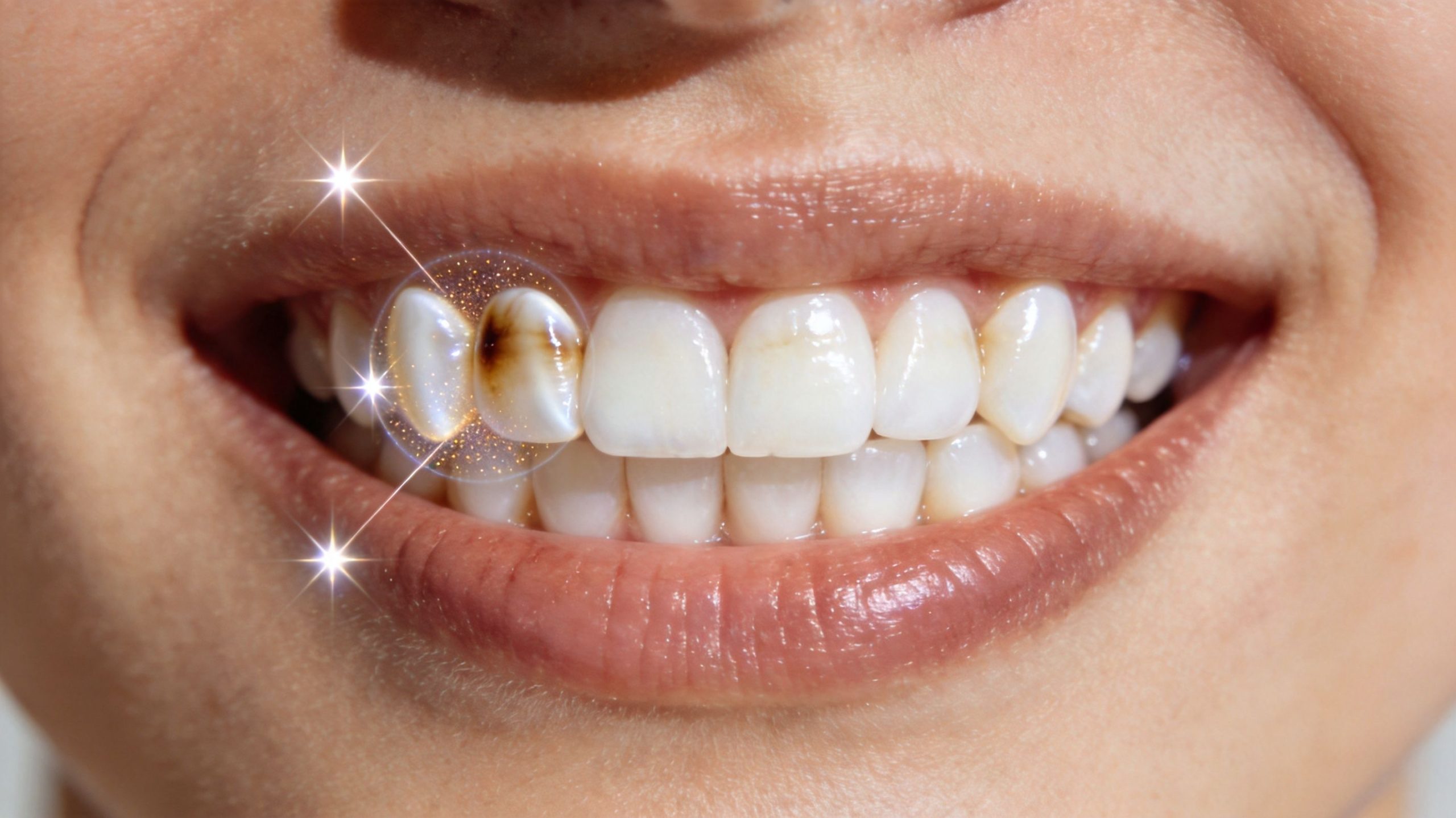
Surface stain versus deeper discoloration
Whitening toothpaste mainly works on external stain. It can help remove buildup from coffee, tea, or similar habits, but its effect is limited because its action is superficial.
Professional whitening uses peroxide-based agents that penetrate farther into the tooth and break down the compounds causing deeper yellowing or darkening. That's why the result is usually more noticeable.
Clinical trials found that professional in-office whitening can improve tooth color by 5 to 8 shades, while whitening toothpastes typically achieve about 0.5 to 2 shades by removing surface stains, according to this review of whitening toothpastes versus professional whitening.
Why stronger doesn't just mean whiter
People sometimes assume whitening is just about using the strongest product possible. It isn't. The goal is controlled whitening.
A dentist looks at the starting shade, any exposed root areas, existing restorations, and whether the discoloration is likely to respond. That matters because whitening is most successful when the treatment fits the tooth, not when the patient buys the strongest-looking box online.
Here's the practical distinction:
- Toothpaste can freshen and polish.
- Professional bleaching can change the internal appearance of the tooth.
- Customization helps reduce uneven results and avoid unnecessary irritation.
Clinical reality: If stains are deep, surface products usually disappoint. If stains are mostly external, a simpler option may be enough.
Why some teeth don't whiten evenly
Teeth aren't identical. One front tooth may be darker from prior trauma. Another may have a filling that won't lighten. That's one reason do-it-yourself whitening can feel inconsistent.
A professional evaluation can identify when whitening is the right answer and when another cosmetic option would create a more balanced result.
Comparing Your Whitening Options In-Office vs At-Home
This is the aspect that often matters most. If you're deciding between in-office treatment, dentist-supervised take-home trays, and over-the-counter products, the best choice usually comes down to speed, predictability, comfort, and long-term value.
In-office whitening
In-office whitening is the fastest option. It's a good fit for people who want a strong result quickly and prefer a dentist to handle the process from start to finish.
This type of treatment uses professional-strength whitening materials and careful isolation to protect the gums. If you've been looking into Zoom in-office whitening in Walnut Creek, this is the category you're considering.
It tends to work best for people who:
- Want speed before a wedding, interview, reunion, or photo-heavy event
- Prefer supervision because they have a history of sensitivity or dental anxiety
- Don't want daily compliance with trays or strips at home
The trade-off is simple. It asks for a bigger upfront investment, but it gives you convenience and a more controlled process.
Professional take-home whitening
This is often the most balanced option. You get custom trays made for your teeth, along with whitening gel selected for your situation.
A well-fitted tray matters. According to this evidence summary on whitening options, professionally supervised at-home trays provide a superior result to OTC options by using custom-fit trays that keep whitening gel in better contact with the teeth while reducing contact with sensitive gums.
That usually means:
- Better consistency across the smile
- Less gel leaking onto gum tissue
- More control if your teeth start feeling tender
For many adults in Walnut Creek, this is the best value option because it combines professional oversight with the convenience of home use.
Over-the-counter strips, gels, and toothpaste
OTC products can help, especially if your discoloration is mild and your expectations are realistic. Strips and gels can create visible change. Toothpaste is the mildest option and mainly targets surface stain.
The limitations are familiar:
- Generic fit
- More chance of uneven placement
- Less help if you have restorations, gum recession, or one tooth that's darker than the others
- More guesswork if sensitivity shows up
That doesn't make OTC whitening a bad choice. It just makes it a limited one.
Teeth whitening options at a glance
| Feature | Professional In-Office | Professional Take-Home | Over-the-Counter (OTC) |
|---|---|---|---|
| Speed | Fastest | Gradual | Gradual |
| Supervision | Full dental supervision | Dentist-guided | Self-directed |
| Tray fit | Not applicable | Custom fit | Generic fit |
| Best for | Fast cosmetic upgrade | Balanced value and control | Mild stain and lower commitment |
| Gum protection | High | Good with custom trays | More variable |
| Predictability | Highest | High | Less predictable |
If you want the shortest path to a noticeable change, in-office treatment usually wins. If you want the best mix of control, safety, and value, professional take-home trays are hard to beat.
Is Teeth Whitening Safe? Risks and Candidacy
Whitening is generally safe when it's done appropriately, but it isn't completely risk-free. The most common issue is temporary sensitivity. Patients often describe it as quick, sharp “zingers,” especially with cold air or cold drinks.
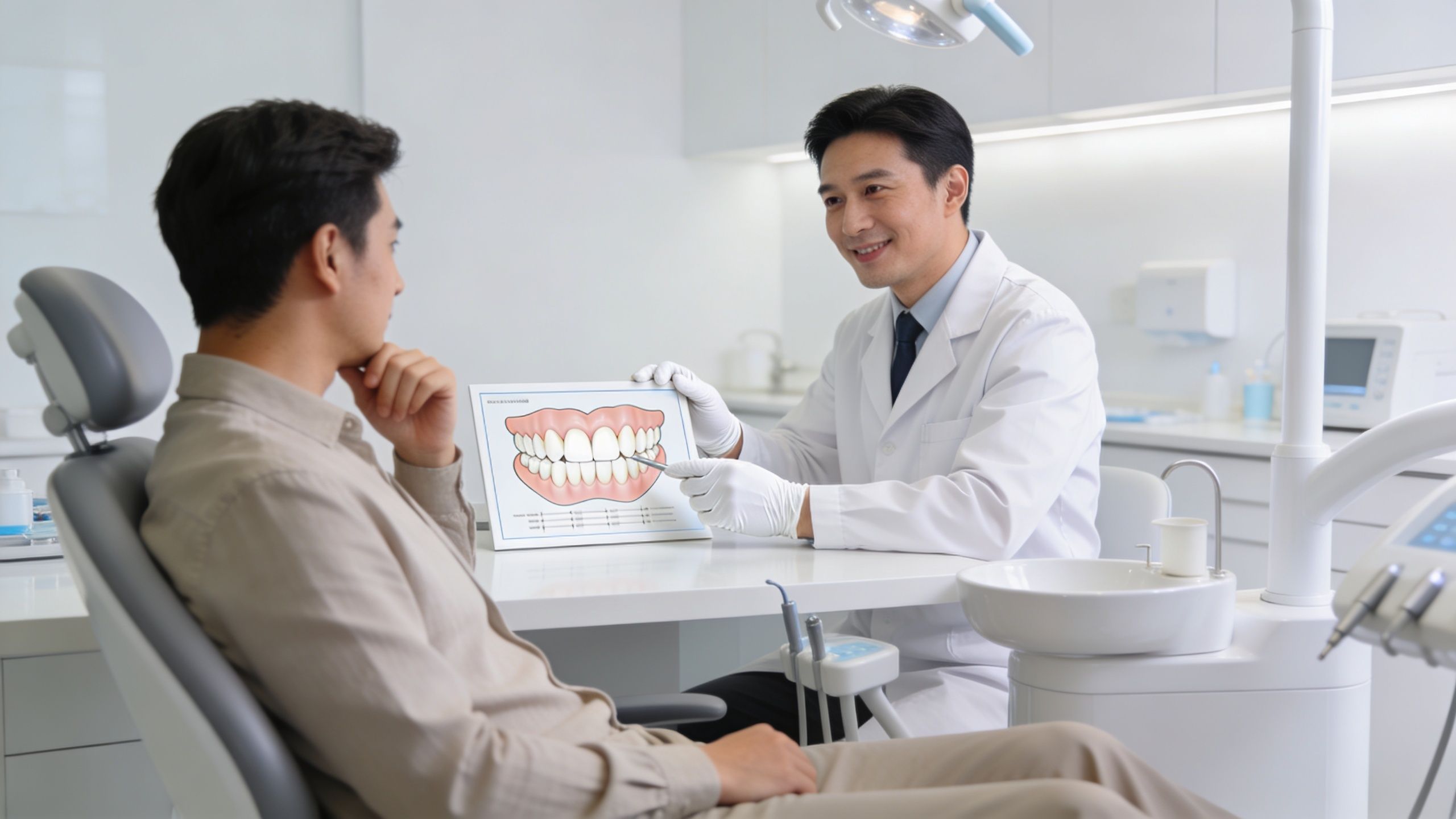
The good news is that this side effect is usually manageable. Temporary sensitivity can occur in up to 78% of patients, and dentists can reduce that risk with practical strategies such as pre-treatment desensitizing gels and comfort-focused care, as discussed in this video on whitening sensitivity and comfort options.
Why sensitivity happens
Whitening agents move through the tooth to break up stain molecules. During that process, some teeth become temporarily more reactive. It doesn't mean the treatment failed, and it doesn't automatically mean whitening isn't for you.
It does mean technique matters.
A dentist can adjust the concentration, shorten exposure, recommend breaks between applications, or switch you from in-office treatment to a more gradual tray-based approach if needed.
Who tends to be a good candidate
Whitening usually works well for adults with healthy teeth and gums who have yellowing or common stain from foods, drinks, or aging.
You may be a solid candidate if:
- Your teeth and gums are healthy
- Your main concern is color, not shape or damage
- You don't have extensive visible crowns or veneers in the smile zone
- You want a conservative cosmetic treatment before considering bonding or veneers
You may need a different plan if:
- You have untreated cavities
- You have significant gum recession
- You've had trauma-related discoloration in a front tooth
- You expect old dental work to whiten along with natural teeth
What anxious patients should know
Fear of discomfort keeps some people from even asking about whitening. That's understandable. If you've had bad dental experiences before, any elective treatment can feel easy to postpone.
A calm consultation helps. So does a practice that's used to treating anxious patients, offering clear explanations, painless injection techniques when needed, and sedation options when appropriate.
This short video gives useful context on comfort-focused care during treatment:
Whitening should never feel like something you have to “push through.” If the plan doesn't feel safe or comfortable, it isn't the right plan yet.
How to Maintain Your Whitening Results for Long-Term Value
Whitening feels most worth it when the result lasts. That's why maintenance matters as much as the initial treatment.
Professional whitening can last, but it doesn't freeze your teeth in place. Coffee, tea, red wine, tobacco, curry, and simple daily wear continue to affect color over time. According to this review on whitening longevity and maintenance, professional whitening can last 1 to 3 years, but up to 80% of patients experience some color regression within a year without maintenance.
The habits that protect your investment
A brighter smile usually lasts longer when you keep the routine simple and consistent.
- Stay current with cleanings Professional cleanings remove external buildup that can make teeth look dull again.
- Use touch-up whitening when recommended A dentist-guided refresh can help you maintain the shade without restarting from scratch.
- Watch high-stain habits You don't have to give up coffee or red wine, but frequency matters.
- Keep home care steady Brushing, flossing, and regular exams support both appearance and oral health.
- Address new discoloration early It's easier to maintain a result than to rebuild it after long neglect.
Why maintenance changes the value equation
Many people misjudge whitening. Their mistake lies in comparing only the first purchase price. A better comparison is the total experience over time.
A professionally planned approach often gives you a cleaner starting point and a clearer maintenance path. If you want practical ways to extend your result, this guide on how to maintain the results of teeth whitening is a useful next read.
For people in Walnut Creek who want cosmetic improvement without jumping straight into veneers, that makes whitening a smart first step. It's conservative, it's flexible, and it can be refreshed rather than replaced.
A whitening treatment isn't just a day on the calendar. It works best as a maintenance relationship between your habits and your dental care.
Your Teeth Whitening Consultation in Walnut Creek
The best whitening decisions happen before any gel touches the teeth.
A consultation should start with a straightforward conversation about what's bothering you. Maybe your smile looks darker in photos. Maybe one tooth stands out. Maybe you've already tried strips and feel underwhelmed. Those details shape the plan.
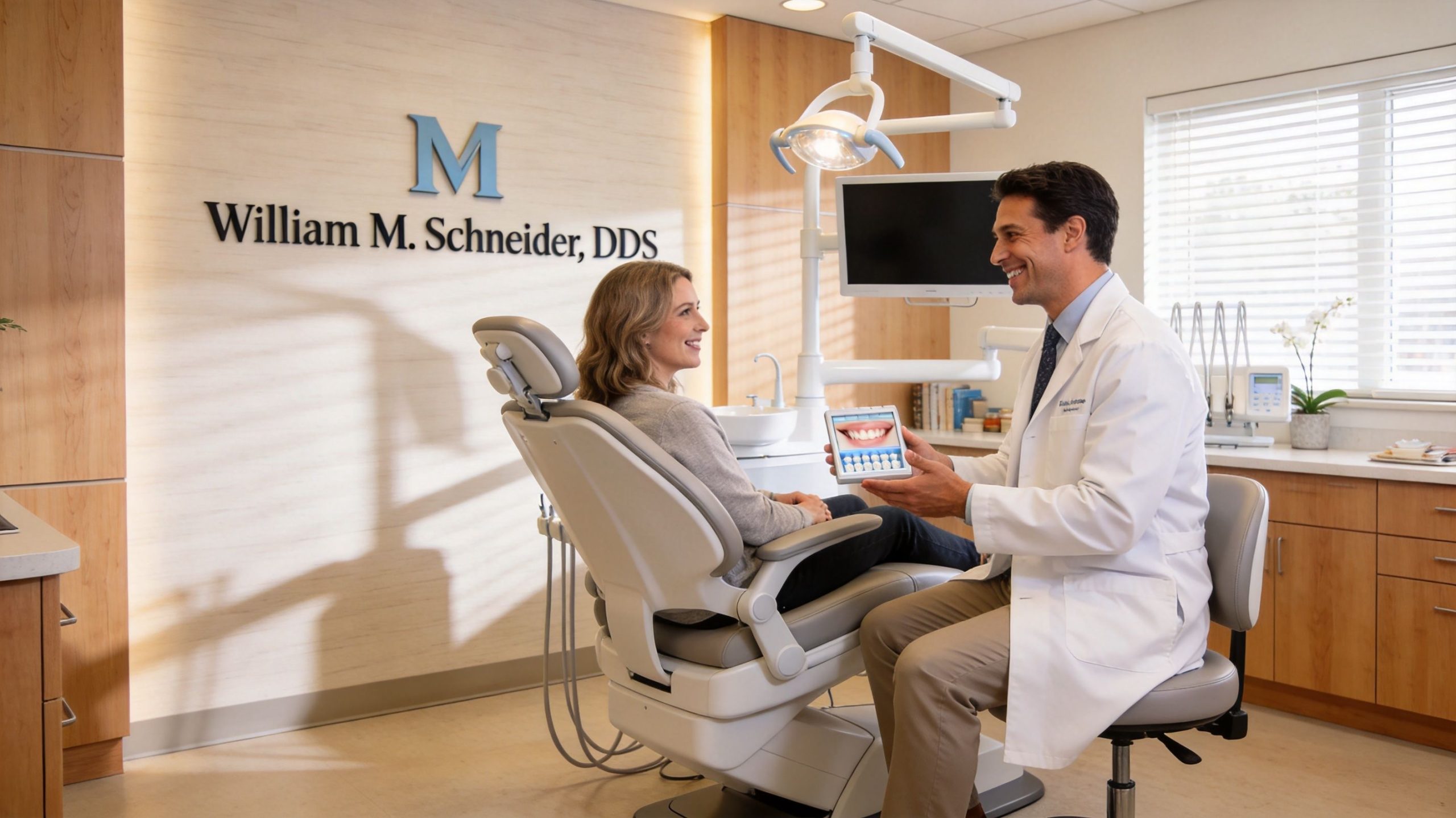
What happens at the visit
A thorough whitening consultation usually includes an oral health exam, a review of existing fillings or crowns in visible areas, and a discussion of sensitivity history. If you're also due for new patient exams, dental x-rays, or cleaning and exams, those services can matter because whitening works best on a healthy foundation.
This is also where a dentist can tell you if whitening is likely to help, or if another cosmetic option would get you closer to your goal.
For example:
- If the teeth are stained but healthy, whitening may be the right first move.
- If one tooth is darker from prior injury, whitening alone may not create symmetry.
- If visible restorations don't match, bonding, crowns, or veneers may need to be part of the conversation.
- If you also have functional concerns, restorative dentistry may come before cosmetic treatment.
Why local experience matters
Choosing a dentist near me isn't just about convenience. It's about follow-up, maintenance, and trust.
An established Walnut Creek dental office can help you think beyond a single appointment. If whitening causes sensitivity, if you need a touch-up plan, or if you decide later to explore Invisalign, bonding, crowns, or dental implants, it helps to have one practice that understands your history and goals.
That's especially important for anxious patients. Comfort isn't a bonus feature. It changes whether people go through with the care they want.
A good whitening plan should feel clear
By the end of the consultation, you should know:
- whether you're a good candidate
- which whitening approach makes the most sense
- what kind of result is realistic
- how to maintain it
- what to do if whitening isn't the best answer
That clarity is often what makes the decision easier. Not because whitening is right for everyone, but because you can stop guessing.
If you're looking for a trusted William M. Schneider, DDS in Walnut Creek, CA, to help you decide whether teeth whitening is worth it for your smile, schedule a consultation. You'll get honest guidance, a personalized plan, and compassionate care designed to keep you comfortable while protecting your long-term oral health.