If you're dealing with dental pain, feel self-conscious about your smile, or are simply searching for a trusted "dentist near me" in Walnut Creek, CA, you've come to the right place. Achieving and maintaining a healthy, radiant smile is possible, and it starts with understanding the fundamentals of great oral care. Most common dental issues, from cavities to gum disease, can be prevented with a consistent daily routine and partnership with a local dental team you can trust.
At the office of William M. Schneider, DDS, we've been proudly serving the Walnut Creek and East Bay communities for over 25 years. We understand the concerns that lead patients to seek care, whether it's for an emergency tooth extraction, a routine dental cleaning and exam, or exploring cosmetic dentistry and dental implants. This guide outlines the most impactful oral hygiene best practices to help you take control of your dental health and achieve a smile you love.
Let's explore the essential daily habits and professional care that form the foundation of excellent oral health. This comprehensive list provides actionable steps you can start today to prevent pain, improve your smile, and feel confident in your dental wellness.
1. Brushing: Twice-Daily Frequency, Fluoride Toothpaste, Technique and Equipment
Brushing your teeth is the cornerstone of any effective oral hygiene routine. The American Dental Association (ADA) recommends this practice at least twice daily to remove plaque—the sticky film of bacteria that constantly forms on your teeth and leads to cavities and gum disease. This simple habit is the single most important action you can take for your oral health.
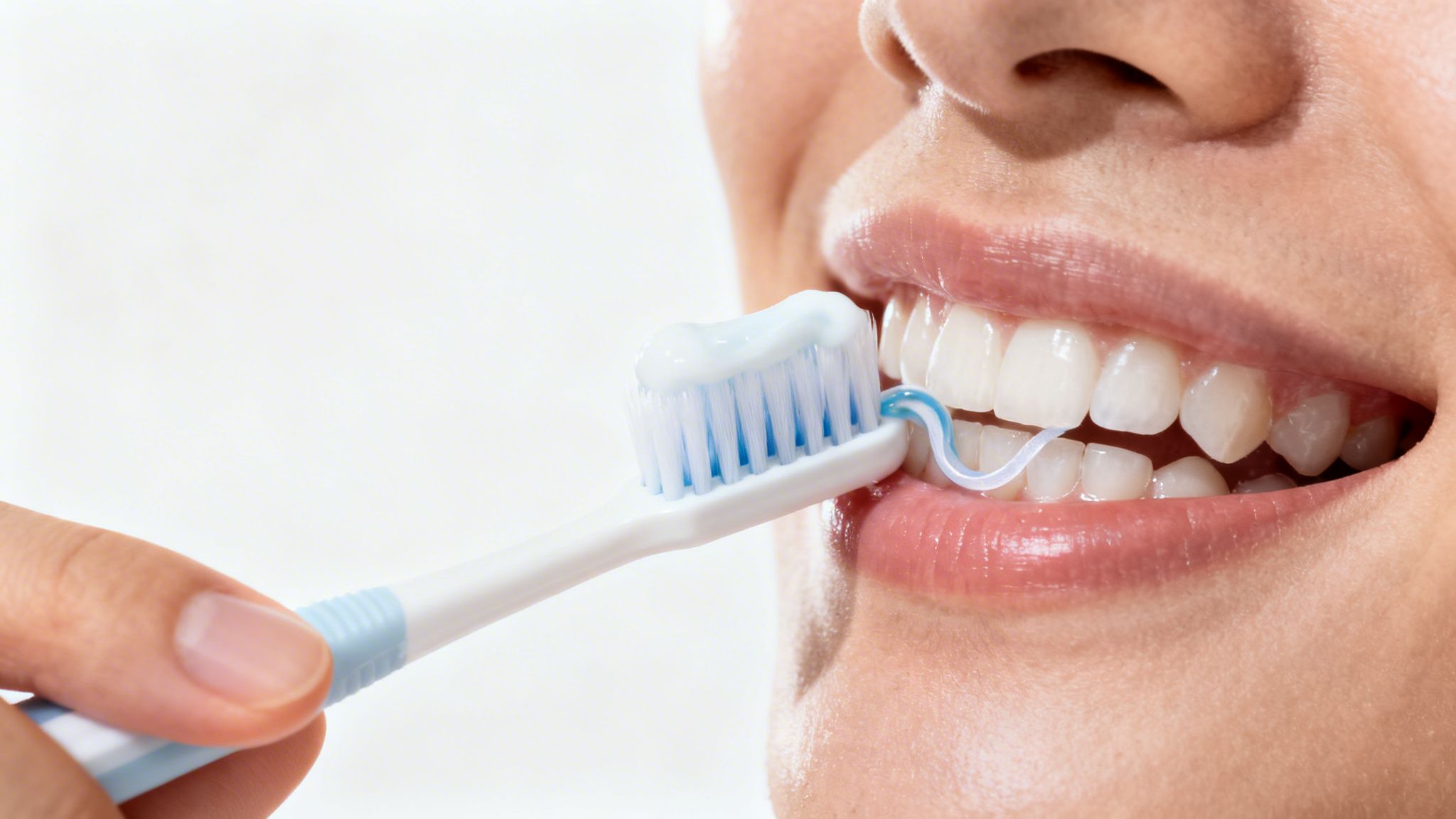
But it's not just about frequency; your tools and technique are equally critical. Using a fluoride toothpaste is essential. Fluoride is a naturally occurring mineral that strengthens tooth enamel, making it more resistant to acid attacks from plaque and sugars. It can even reverse the earliest stages of tooth decay, protecting you from future problems.
Proper Technique for Maximum Effectiveness
The way you brush matters just as much as how often you do it. Many people apply too much pressure or use an incorrect motion, which can damage gums and fail to clean effectively.
- Angle and Motion: Position your toothbrush at a 45-degree angle to the gumline. Use gentle, short, circular motions to clean the outer, inner, and chewing surfaces of all your teeth.
- Duration: Brush for two full minutes. A simple way to ensure adequate time is to mentally divide your mouth into four quadrants and spend 30 seconds on each.
- Equipment: The ADA recommends a soft-bristled brush. Hard bristles can harm your gums and enamel. Replace your brush every 3-4 months, or sooner if the bristles become frayed.
For many of our patients in Walnut Creek, upgrading to an electric toothbrush significantly improves cleaning consistency. These devices often include built-in timers and pressure sensors, taking the guesswork out of your routine and ensuring a thorough clean every time.
Pro-Tip: After brushing, spit out the excess toothpaste but avoid rinsing your mouth with water immediately. Leaving a small amount of fluoride toothpaste on your teeth allows the mineral more time to work, offering extra protection.
For a visual guide on the correct brushing method, watch this helpful video:
2. Daily Flossing: Essential for Interdental and Gum Health
While brushing is fundamental, it can't clean everywhere. Flossing is the critical next step, designed to remove plaque and food particles from between your teeth and beneath the gumline. These are precisely the areas a toothbrush cannot reach, making daily flossing one of the most important oral hygiene best practices for preventing cavities, gingivitis (early gum disease), and more serious periodontal issues.
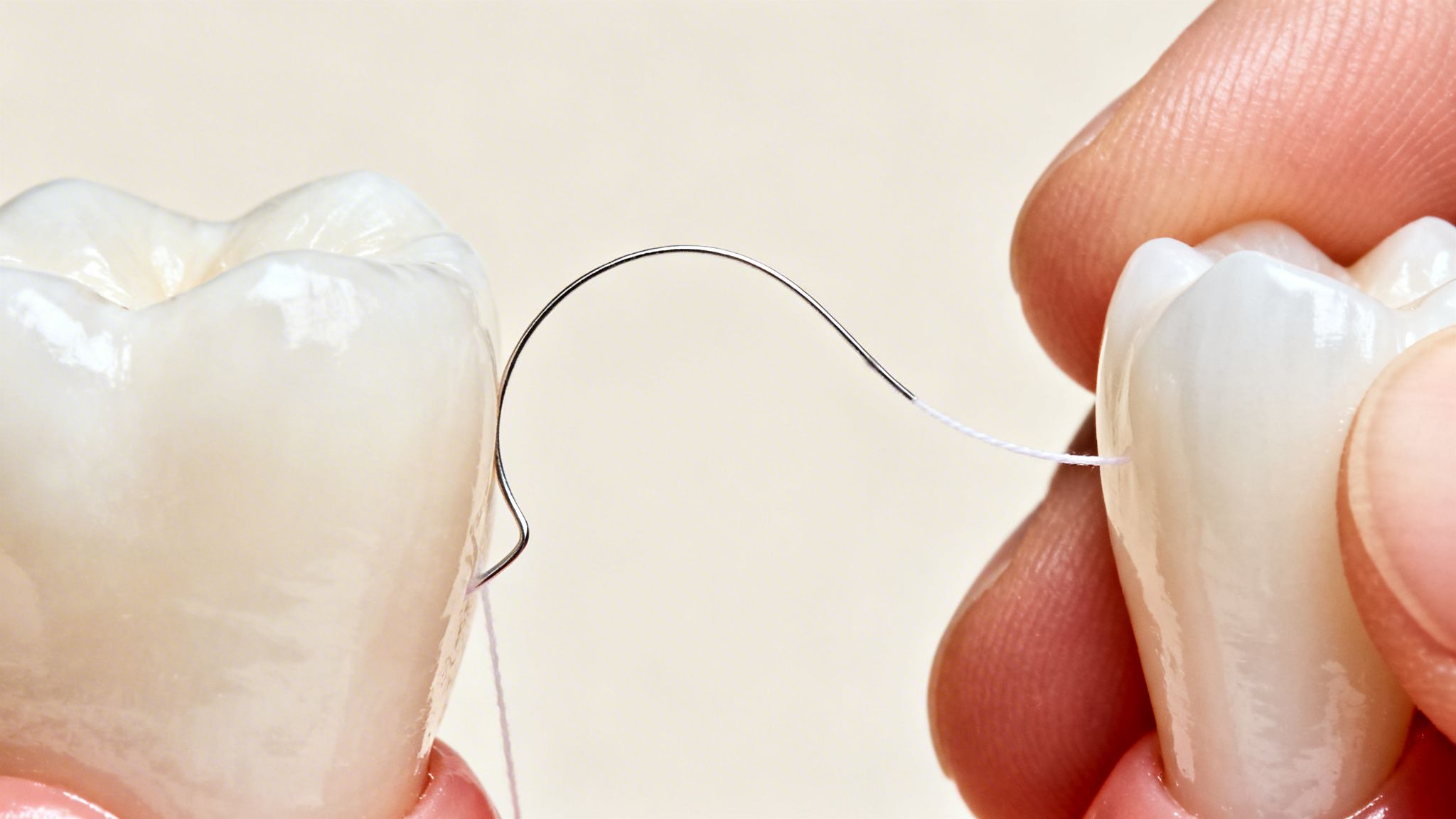
This daily habit directly targets interproximal plaque—the buildup between teeth—which is a leading cause of decay and gum problems. By disrupting these bacterial colonies once every 24 hours, you actively protect the foundation of your smile. For best results, floss at least once per day, ideally in the evening before brushing, to clear out debris that your toothbrush can then sweep away.
Proper Flossing Technique and Tools
The effectiveness of flossing depends heavily on using the right method and finding a tool that works for you. An incorrect technique can be ineffective or even harm your gums.
- Technique: Use about 18 inches of floss, winding most of it around one middle finger and a small amount on the other. Gently guide the floss between your teeth using a gentle sawing motion. Curve the floss into a C-shape against one tooth and slide it beneath the gumline until you feel resistance.
- Tools for Every Need: If traditional string floss is challenging, there are excellent alternatives. Water flossers are great for patients with braces or dental implants. Interdental brushes work well for wider gaps, and disposable floss picks offer convenience for our busy patients in Walnut Creek.
Choosing a method you can stick with consistently is the most important factor. The goal is to make flossing a non-negotiable part of your daily care.
Pro-Tip: Don't snap the floss against your gums, as this can cause irritation. Instead, focus on a gentle, controlled glide. A little bleeding when you first start is common but should stop within a week or two as your gum health improves.
3. Professional Dental Cleanings and Exams in Walnut Creek, CA
While your at-home routine is your first line of defense, professional dental cleanings and exams are essential for your long-term oral health. Even the most diligent brushing and flossing cannot remove all plaque, which eventually hardens into tartar (calculus). Once formed, tartar can only be removed by a dental professional using specialized tools. That's why visiting your dentist every six months is a key part of our recommended oral hygiene best practices.
These appointments allow our skilled hygienists to remove built-up tartar, polish your teeth, and prevent the progression of gum disease. At the same time, Dr. Schneider performs a thorough exam with dental x-rays to detect the earliest signs of cavities, oral cancer, and other issues before they become more serious and costly to treat. This preventive approach is a cornerstone of the trusted care we provide to our Walnut Creek patients.
Why Professional Dental Care is Non-Negotiable
Skipping professional cleanings allows tartar to accumulate below the gumline, leading to inflammation, bleeding gums (gingivitis), and eventually, irreversible bone loss (periodontitis). Your routine check-up is a critical opportunity for personalized care.
- Customized Cleaning Schedules: While twice a year is a general guideline, patients with a history of gum disease may be advised to come in every 3-4 months. Similarly, those with dental implants require specialized cleaning techniques to protect their restorations.
- Early Problem Detection: We screen for signs of oral cancer, evaluate your bite, check for jaw issues (TMJ), and examine existing dental work like crowns and fillings for wear and tear.
- Expert Guidance: Your appointment is the perfect time to ask questions and receive personalized demonstrations on brushing or flossing techniques tailored to your specific needs.
Pro-Tip: Come to your appointment prepared with any questions or concerns. Have you noticed any sensitivity, bleeding, or changes in your mouth? Communicating these observations helps our team provide the most effective dental care.
Maintaining your regular visits ensures your at-home efforts are supported by professional oversight. To understand more about the critical role these appointments play, you can learn about the benefits of regular dental check-ups on our website.
4. Floss Alternatives and Interdental Cleaning Tools
While traditional string floss is a gold standard, it isn't the only way to clean between your teeth. For many patients, especially those with braces, dental implants, or dexterity challenges, alternative interdental cleaners are not just a convenience but a necessity. These tools are specifically designed to disrupt plaque in the tight spaces that a toothbrush cannot reach, making them a crucial component of modern oral hygiene best practices.
Failing to clean between your teeth allows plaque to accumulate, leading to tartar buildup, cavities, and gum inflammation. Tools like water flossers, interdental brushes, and floss picks provide effective ways to ensure these vulnerable areas stay clean, protecting both your natural teeth and any restorative dentistry work.
Finding the Right Tool for Your Smile
The best interdental cleaner is the one you will use consistently and correctly. Different tools offer unique benefits, and what works for one person might not be ideal for another.
- Water Flossers: Devices like the Waterpik use a pulsating stream of water to flush out food particles and plaque. They are excellent for patients with braces, bridges, and dental implants.
- Interdental Brushes: These small, bristled brushes come in various sizes to fit snugly between your teeth. They are highly effective for cleaning around implant posts and in wider gaps.
- Floss Picks: Convenient and easy to handle, floss picks are a great on-the-go option and can be easier to manage than a long strand of floss, especially for cleaning back molars.
For patients in Walnut Creek, determining the right tool is a key step. During your cleaning and exam, our team can assess your specific needs and recommend the best option for you.
Pro-Tip: When using a water flosser for the first time, start on the lowest pressure setting and aim the stream at the gumline at a 90-degree angle. For interdental brushes, choose a size that fits comfortably without being forced, as too much pressure can damage your gums.
5. Tongue Cleaning and Bad Breath Prevention
A complete oral hygiene routine must also address the tongue. Your tongue's textured surface is an ideal place for food debris and bacteria to accumulate, creating a biofilm that is a primary cause of bad breath (halitosis). Making tongue cleaning a part of your daily oral hygiene best practices is a simple step with significant benefits for your breath and overall oral health.
Removing this bacterial film not only combats bad breath but can also improve your sense of taste. When the tongue is coated, it can dull your taste buds. A clean tongue allows you to better enjoy the flavors of your food. This practice is particularly beneficial for patients in Walnut Creek who experience issues that contribute to bacterial buildup on the back of the tongue.
How to Clean Your Tongue Correctly
Integrating tongue cleaning is easy and takes less than a minute. The key is to be gentle and consistent.
- Tools: You can use a dedicated tongue scraper, often made of stainless steel, or simply the bristles of your soft toothbrush. Scrapers are specifically designed to peel the biofilm off the tongue's surface effectively.
- Technique: Place the scraper or toothbrush as far back on your tongue as is comfortable. With light pressure, pull it forward toward the tip of your tongue in one smooth stroke. Rinse the tool and repeat 3-4 times, covering the entire surface.
- Timing: The best time to clean your tongue is right after you finish brushing your teeth, before you rinse.
Pro-Tip: If you have a sensitive gag reflex, start by cleaning the middle of your tongue and gradually work your way further back. While consistent bad breath can often be managed with good hygiene, if it persists, it's important to mention it to your dentist. It could be a sign of an underlying issue that needs attention.
6. Limiting Sugary Foods and Acidic Beverages
Your diet is a critical component of a complete oral hygiene strategy. Sugar is the primary fuel source for the harmful bacteria in your mouth, which produce acids that attack and weaken tooth enamel, leading to cavities. Similarly, acidic foods and drinks can directly erode enamel, even without the presence of bacteria.
Managing your intake of these substances is a powerful preventive measure. Every time you consume something sugary or acidic, your teeth are exposed to an "acid attack" that can last for about 20 minutes. Frequent snacking or sipping on these items throughout the day means your teeth are under constant assault, making decay much more likely.
Strategic Consumption for Better Oral Health
Completely eliminating sugar and acid can be unrealistic, but you can be strategic about when and how you consume them to minimize damage.
- Timing Matters: Consume sugary treats as part of a main meal rather than as standalone snacks. Increased saliva production during a meal helps to wash away food particles and neutralize harmful acids.
- Smart Swaps: Replace sugary sodas, sports drinks, and sweetened teas with water. This single change can drastically reduce your risk of developing cavities. For more ideas, you can review these 10 practical ways to reduce sugar intake.
- Protective Measures: When drinking acidic beverages like fruit juice or soda, use a straw. Also, rinsing your mouth with plain water after consumption can help wash away residual sugar and acid.
Making mindful dietary choices is one of the most effective oral hygiene best practices for patients in Walnut Creek, helping to preserve your smile between professional dental cleanings.
Pro-Tip: Wait at least 30 minutes before brushing your teeth after consuming acidic foods or drinks. Your enamel is temporarily softened by the acid, and brushing too soon can scrub away the weakened surface. Chewing sugar-free gum can stimulate saliva to help re-harden the enamel during this waiting period.
7. Protective Measures for Teeth During Athletic Activities (Mouthguards)
Participating in athletic activities is great for your overall health, but it often poses a risk to your oral health. A crucial element of any complete oral hygiene best practices plan for active individuals is the use of a mouthguard. These devices are essential for protecting your teeth, lips, tongue, and jaw from trauma during sports, preventing painful and costly injuries like tooth fractures, knocked-out teeth, and other dental emergencies.
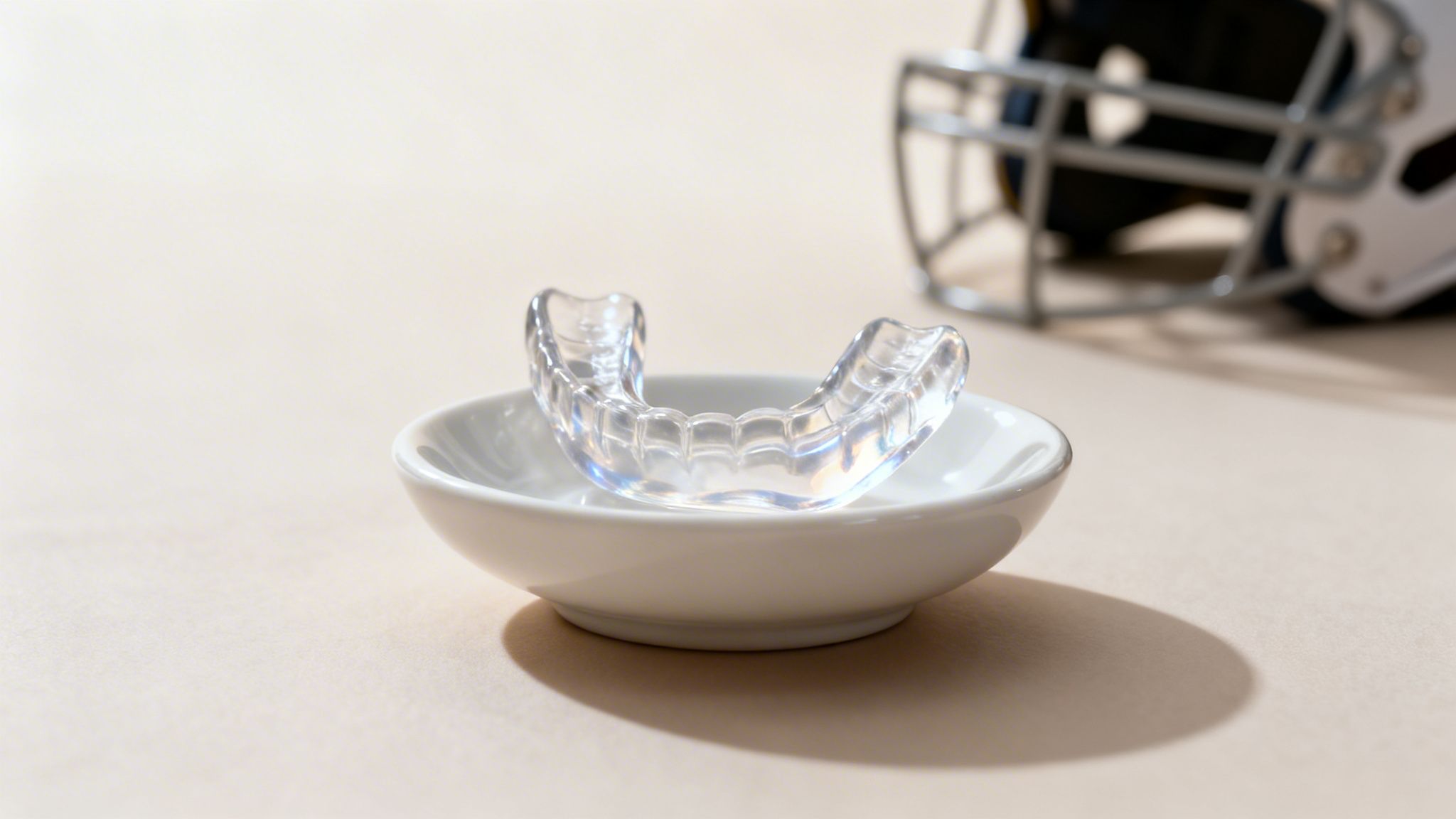
While over-the-counter options are available, they don't offer the same level of protection or comfort as a custom-fitted mouthguard from your dentist. A custom guard is made from a precise impression of your teeth, ensuring a secure fit that won't shift during impact or interfere with breathing and speaking. This superior fit is why the American Dental Association (ADA) strongly recommends them.
When to Use a Mouthguard for Maximum Protection
Protecting your smile is vital whether you're on the field for a game or just practicing. A dental injury can happen at any time.
- Contact Sports: Athletes in football, hockey, martial arts, boxing, and rugby should always wear a mouthguard.
- High-Impact Activities: Even non-contact sports can lead to dental trauma. Skateboarding, BMX riding, and gymnastics involve a significant risk of falls that can damage your teeth.
- Consistent Use: For maximum benefit, wear your mouthguard during both practices and games. Many dental injuries occur when athletes least expect it.
For families in Walnut Creek, CA, getting a custom-fitted mouthguard is a straightforward and important investment in preventive dental care. It provides peace of mind and safeguards your or your child's smile from preventable emergencies.
Pro-Tip: Clean your mouthguard after every use with cool water and mild soap, then store it in a ventilated case to prevent bacterial growth. Replace your mouthguard annually or sooner if it shows signs of wear, damage, or no longer fits properly.
8. Nightguard Use and Bruxism Management
Many people unknowingly grind their teeth or clench their jaw, a condition known as bruxism. This often happens during sleep and can inflict significant damage on your teeth, restorations, and jaw joint over time. One of the most effective oral hygiene best practices for protecting your smile from this habit is the consistent use of a custom-fitted nightguard.
A professionally made nightguard is a medical device engineered to absorb and distribute the immense forces generated by grinding and clenching. This protects your natural tooth enamel from being worn down, chipped, or fractured. It is also essential for safeguarding expensive restorative and cosmetic dentistry, such as crowns, veneers, and dental implants, from damage.
Protecting Your Smile and Preventing Pain
Managing bruxism is a key part of long-term oral health, especially for patients in Walnut Creek who have invested in their smile. A nightguard can mean the difference between lasting results and premature failure of dental work.
- Who Needs a Nightguard? Your dentist may recommend a nightguard if they notice signs of wear on your teeth during an exam. It is also common for patients who have completed orthodontic treatment or have multiple dental implants to protect their investment.
- Beyond Tooth Protection: A nightguard can also alleviate related symptoms like jaw pain, muscle soreness, and chronic headaches by reducing strain on the jaw joint (TMJ).
- Complementary Care: While a nightguard is a critical tool, it is often part of a larger management plan that includes stress reduction and other lifestyle adjustments.
Pro-Tip: Proper care is vital for your nightguard's longevity and hygiene. Clean it daily with a soft brush and cool, soapy water. Never use hot water, as it can warp the material. When not in use, store it in its ventilated case.
9. Gum Disease Prevention and Periodontal Health Maintenance
Maintaining the health of your gums is just as vital as caring for your teeth. Gum disease, or periodontal disease, is a leading cause of tooth loss in adults and has been linked to broader health issues like heart disease and diabetes. Its prevention is a core component of oral hygiene best practices, centered on controlling plaque and inflammation to protect the tissues that support your teeth.
The progression from healthy gums to advanced disease often begins silently. The first stage, gingivitis, is characterized by red, swollen gums that may bleed when you brush. This stage is often reversible with dedicated home care and professional cleanings. If left untreated, it can advance to periodontitis, a more serious condition where gums pull away from the teeth, leading to bone loss and, eventually, tooth loss.
Protecting Your Gums for Long-Term Health
A proactive approach is the most effective strategy against gum disease. Your daily habits and professional partnership with your dentist are your strongest defenses.
- Consistent Care: Diligent brushing and flossing twice daily are non-negotiable to remove the plaque biofilm before it can harden into tartar.
- Early Detection: Report any signs of trouble, such as bleeding, tenderness, or receding gums, to your dentist immediately. Early intervention is key, especially if you are considering dental implants or cosmetic services.
- Lifestyle Factors: Quitting smoking is one of the best things you can do for your gums. Managing stress and eating a balanced diet also support your immune system and gum health.
For our patients in Walnut Creek with dental implants, meticulous gum care is essential to prevent peri-implantitis, a condition similar to periodontitis that affects the tissues around an implant.
Pro-Tip: Pay close attention to the area where your teeth meet your gums. This "gumline" is where plaque accumulates most heavily. When flossing, be sure to curve the floss around the base of each tooth, dipping gently below the gumline to disrupt hidden bacteria.
10. Xylitol and Sugar-Free Products for Cavity Prevention
Beyond your daily brushing and flossing, incorporating certain sugar-free products into your routine can offer a significant advantage in the fight against cavities. Xylitol, a natural sugar alcohol, is a standout ingredient in this category. This is one of the oral hygiene best practices that not only avoids feeding harmful bacteria but actively works against them.
Xylitol inhibits the growth of Streptococcus mutans, the primary bacteria responsible for tooth decay. These bacteria cannot metabolize xylitol, which stops their acid production and disrupts their ability to stick to your teeth. Furthermore, xylitol stimulates saliva production, helping to neutralize acids and rinse away debris.
How to Effectively Use Xylitol
Integrating xylitol into your daily habits is simple. Consistency is key to reaping its cavity-fighting benefits.
- Frequency and Timing: Expose your teeth to xylitol multiple times throughout the day, especially after meals. Chewing a piece of sugar-free gum with xylitol for 5-10 minutes can make a substantial difference.
- Dosage: For a noticeable reduction in cavity risk, research suggests aiming for a total of 6-10 grams of xylitol per day, spread across three to five exposures. Check product labels for content.
- Product Variety: Xylitol isn't just in gum. You can find it in mints, lozenges, toothpastes, and mouthwashes, making it easy to find a method that fits your lifestyle.
Important Safety Note: While xylitol is perfectly safe for human consumption, it is extremely toxic to dogs. Be sure to keep all xylitol-containing products securely stored and well out of reach of your pets.
If you're looking for simple ways to improve your oral health between visits to our Walnut Creek office, this is a fantastic and easy habit to adopt.
Partner with Your Walnut Creek Dentist for a Healthier Smile
Mastering your daily oral hygiene is the foundation of a lifetime of healthy teeth and gums. By consistently applying these oral hygiene best practices, you are making a daily investment in your overall well-being and preventing future dental problems.
However, even the most diligent at-home care is only one half of the equation. True oral wellness is achieved through a partnership between your daily efforts and professional dental guidance. Your role is consistent daily care; our role is to provide the expert oversight, preventive treatments, and restorative solutions needed to keep your smile in its best condition.
Why Professional Partnership is Essential
At our dental practice in Walnut Creek, we see firsthand how regular professional care complements a great home routine. During your routine exams and cleanings, we can:
- Remove hardened plaque (tartar) that your toothbrush and floss can't reach.
- Identify early signs of trouble, such as hairline cracks, initial gum inflammation, or small cavities.
- Provide personalized advice based on the unique needs of your mouth, whether you require restorative dentistry or are interested in cosmetic services.
- Offer advanced preventive services, like dental x-rays, fluoride treatments, and sealants to give you an extra layer of protection.
Your Local Partner in Lifelong Dental Health
For residents in Walnut Creek, CA, and across the East Bay, finding a dental team you can trust is paramount. Dr. William M. Schneider and our compassionate team are dedicated to being that trusted partner for you and your family. We believe that excellent dentistry is built on a foundation of trust, comfort, and personalized attention. We are not just treating teeth; we are caring for our neighbors.
If you have been searching for a "dentist in Walnut Creek, CA" who listens to your concerns, explains your options clearly, and prioritizes your long-term health, your search is over. We welcome new patients and families seeking a dental home where they feel valued and understood. From new patient exams and cleanings to advanced cosmetic and restorative services like dental implants, we create a comfortable and reassuring environment for every patient.
Don't wait for pain or a dental emergency to arise. Take the proactive step toward securing your oral health for years to come.
Ready to partner with a dedicated local dentist? Schedule your new patient exam with William M. Schneider, DDS today and experience patient-focused dental care right here in Walnut Creek. Visit us online at William M. Schneider, DDS to book your appointment and begin your journey to optimal oral health.