Sedation Dentistry for Complex Procedures: When Comfort Matters Most
For many, the thought of a dental appointment brings on sweaty palms and a racing heart, often preventing them from getting necessary care. This anxiety can be overwhelming, especially when facing complex procedures like wisdom teeth extraction or dental implants.
Modern dentistry, however, now prioritizes patient comfort alongside effective treatment. Sedation dentistry is key to this approach, bridging the gap between necessary procedures and patient peace of mind. It allows even anxious individuals to undergo lengthy or invasive treatments without stress. By understanding your sedation options, you can transform a fearful ordeal into a calm, manageable experience and achieve better oral health without the anxiety.
Understanding Sedation Dentistry
Sedation dentistry uses medication to help patients stay calm and relaxed during dental procedures. Unlike general anesthesia, most sedation methods don’t put you to sleep but instead create a deep state of relaxation, allowing you to remain conscious and responsive while feeling little to no anxiety. Many patients may also have little memory of the procedure afterward.
At William Schneider DDS Inc., patient comfort is our top priority. Whether you need light sedation for a routine cleaning or deeper sedation for a complex procedure, we tailor our approach to meet your individual needs. Sedation works hand-in-hand with local anesthesia (which numbs specific areas of the mouth) to ensure a pain-free and stress-free experience, even for the most involved treatments.
Common Types of Sedation
There is no one-size-fits-all approach to sedation. The right choice depends on the length of your procedure, your level of anxiety, and your medical history. Here are the three most common tiers of sedation used in dental practices.

Dental Treatment Specialist
Nitrous Oxide (Inhalation Sedation)
Most people know this as “laughing gas.” It is the lightest form of sedation and has been a staple in dentistry for decades. You inhale a mixture of nitrous oxide and oxygen through a small mask placed over your nose.
Within minutes, you feel a wave of relaxation. Some patients report a tingling sensation in their arms and legs or a feeling of heaviness. You remain fully awake and can talk to the dentist, but the anxiety dissipates. One of the primary advantages of nitrous oxide is that its effects wear off almost instantly once the gas is turned off and you breathe pure oxygen for a few minutes. This is the only form of sedation where you can typically drive yourself home after the appointment.
Oral Conscious Sedation
For patients who need a deeper level of calm, oral sedation is a popular choice. This involves taking a prescribed dose of medication (usually a pill from the Valium or Halcion family) about an hour before your procedure begins.
By the time you are in the chair, you will feel significantly drowsy. While you are technically awake, you may drift off into a light sleep, though you can be easily awakened with a gentle nudge. Motor skills and coordination will be temporarily affected, and the “amnesic effect” is stronger here—most patients have very little memory of the procedure. Because the effects last longer, you will need a friend or family member to drive you to and from the appointment.
IV Sedation (Intravenous Sedation)
This is the most powerful method of conscious sedation available in a dental office setting. The medication is administered directly into the bloodstream through an IV line. This allows the dentist to control the level of sedation precisely and make adjustments instantly throughout the procedure.
Under IV sedation, you are in a “twilight” state. You are not unconscious, but you are completely detached from the environment. Time seems to pass very quickly; a two-hour surgery might feel like it took only five minutes. This method is ideal for patients with extreme dental phobia or those undergoing very long, invasive surgeries. Like oral sedation, this requires a designated driver and careful post-procedure supervision.
The Benefits of Sedation for Anxiety and Pain
The most obvious benefit of sedation is the alleviation of fear. However, the advantages extend far beyond just feeling calm. Sedation dentistry addresses several physiological and psychological hurdles that make dental work difficult.
Managing the Gag Reflex
A sensitive gag reflex is not something you can control with willpower. It is a physiological response that can make dental work dangerous for the patient and difficult for the dentist. Sedation relaxes the throat muscles and suppresses this reflex, allowing the dentist to work safely and efficiently in the back of the mouth.
Increasing the Pain Threshold
Anxiety lowers your pain threshold. When you are tense, your body is hypersensitive to every sensation. By calming the central nervous system, sedation naturally raises your tolerance. Even if the local anesthesia is doing its job, a relaxed patient perceives far less discomfort than a tense one.
The “Time Travel” Effect
Complex procedures take time. Keeping your mouth open and your head still for an hour or more is physically exhausting. Sedation alters your perception of time. Patients often wake up thinking only a few minutes have passed when, in reality, the dentist has completed a comprehensive restoration. This prevents the muscle fatigue and restlessness that often set in during long appointments.
When to Choose Sedation: Complex Procedures
While you can request sedation for routine work if your anxiety is severe, it is most commonly recommended for complex, invasive, or lengthy treatments.
Wisdom Teeth Removal
Extracting wisdom teeth, particularly if they are impacted (stuck beneath the gum line), is a surgical procedure. It involves incisions, bone removal, and a fair amount of pressure. The sounds and sensations associated with extractions can be distressing. IV or oral sedation is standard for this procedure, ensuring the patient remembers nothing of the surgery and wakes up with the hard part already over.
Dental Implants
Placing a dental implant requires precision. The dentist must drill a small channel into the jawbone to place the titanium post. While the bone itself has few nerves, the vibration and the nature of the work can be unsettling. Furthermore, placing multiple implants requires the patient to remain perfectly still for an extended period. Sedation ensures the patient remains immobile and comfortable, allowing the surgeon to work with the necessary accuracy.
Full-Mouth Reconstruction
For patients needing extensive work—such as multiple crowns, bridges, or veneers done simultaneously—sedation is often the only way to get through the appointment. A full-mouth reconstruction can take several hours. Without sedation, this would likely require breaking the treatment up into multiple visits, dragging out the process for weeks or months. With sedation, William Schneider DDS Inc. can often consolidate these treatments into a single visit, saving the patient time and recovery periods.
Safety Protocols and Patient Monitoring
A common misconception is that sedation is risky. In reality, when administered by trained professionals like the team at William Schneider DDS Inc., it is extremely safe. Modern dentistry employs hospital-grade monitoring equipment to ensure your well-being throughout the entire visit.
Before any sedation is approved, a rigorous review of your medical history is conducted. The dentist checks for interactions with current medications, underlying heart or lung conditions, and past surgeries.
During the procedure, your vital signs are continuously tracked. This includes:
- Pulse Oximetry: Measures the oxygen levels in your blood.
- Blood Pressure: Checked at regular intervals to ensure stability.
- Heart Rate: Monitored to detect any signs of distress.
A dedicated team member is often tasked solely with monitoring the patient while the dentist performs the procedure. If the sedation is too light or too deep, adjustments can be made immediately. The drugs used in conscious sedation also have reversal agents available, meaning the effects can be stopped quickly if necessary.
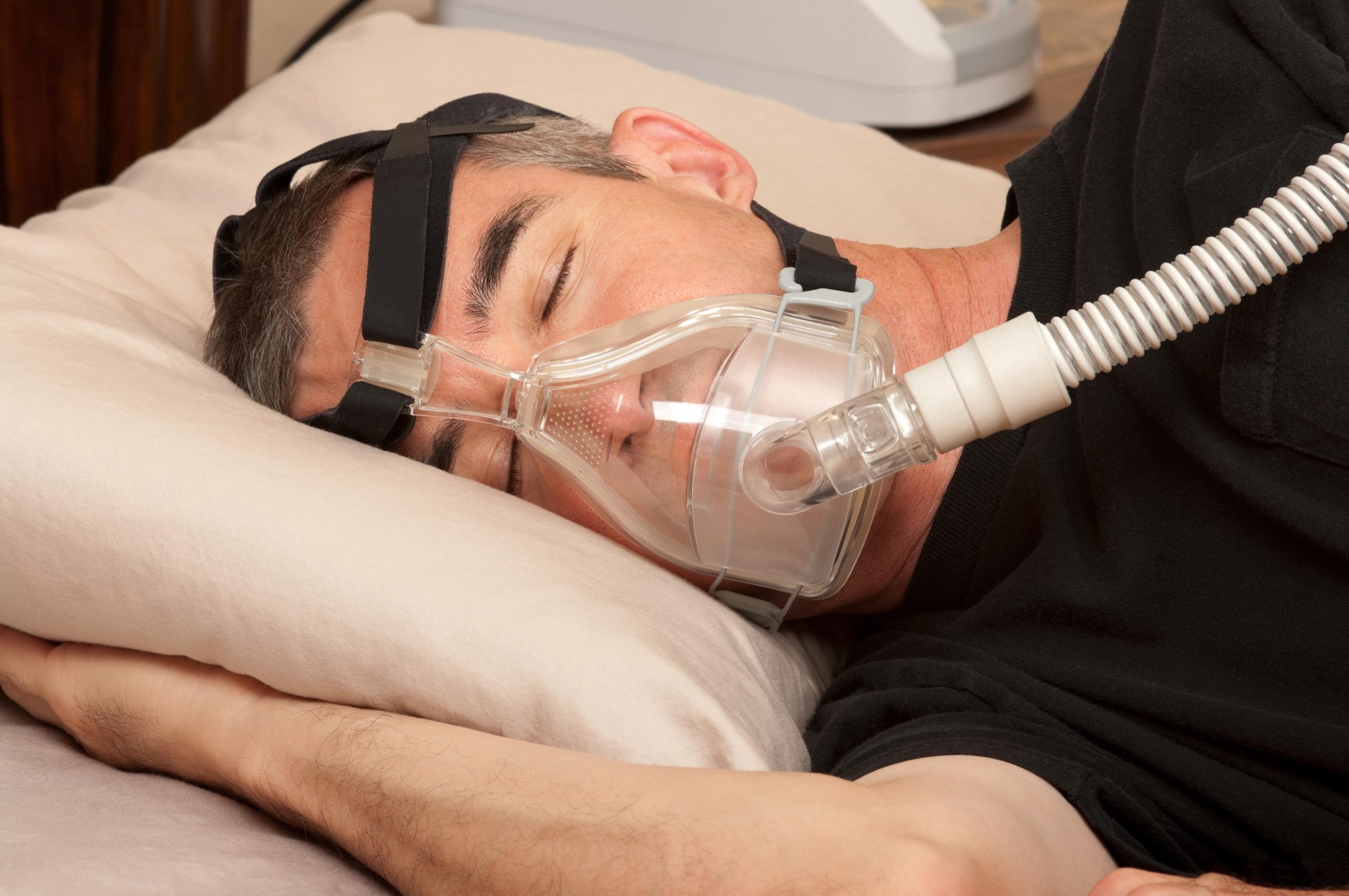
Sedation Dental Treatment Service
Preparing for Your Appointment
A smooth sedation experience begins before you even sit in the dental chair. Preparation is key to safety and comfort.
- Food and Drink: For oral and IV sedation, you will typically be instructed to fast (NPO) for 6 to 8 hours prior to your appointment. This is a crucial safety measure to prevent nausea and aspiration. You may be allowed to take essential daily medications with a small sip of water, but this must be cleared by the dentist first.
- Clothing: Wear loose, comfortable clothing. Avoid tight collars or heavy jewelry. Short sleeves are often preferred for IV access and blood pressure cuffs. You want to be as physically comfortable as possible so you can relax completely.
- The Escort: You cannot take a taxi or rideshare service home alone after oral or IV sedation. You must have a responsible adult friend or family member accompany you, wait in the office during the procedure, and drive you home. They should also stay with you for a few hours afterward until the medication has fully metabolized.
- Health Changes: If you develop a cold, fever, or cough in the days leading up to your surgery, notify the office immediately. Respiratory issues can compromise airway safety during sedation, and it may be necessary to reschedule.
Post-Sedation Recovery Tips
Recovery from sedation is usually straightforward, but you need to give your body time to reset. The medication stays in your system longer than the procedure lasts.
- Rest is Mandatory: Go home and go to bed. Do not plan to work, exercise, or run errands. Even if you feel “fine,” your reflexes and judgment are impaired. Keep your head elevated with pillows to reduce any swelling from the dental work.
- Hydration and Nutrition: Once the numbness wears off and you are alert enough to swallow safely, drink plenty of water. Avoid alcohol for at least 24 hours. Stick to soft foods like yogurt, smoothies (no straws, as suction can disturb surgical sites), and mashed potatoes.
- Listen to Your Body: You might feel groggy, chilly, or slightly confused for the rest of the day. This is normal. Have a blanket ready and a quiet environment. If you experience nausea, lie down and sip ginger ale or water.
Prioritizing Your Comfort
Dental health is inextricably linked to your overall health. Ignoring problems due to anxiety or fear of discomfort only leads to more significant, more expensive, and more painful issues down the road. Sedation dentistry offers a compassionate solution, removing the barriers that stand between you and a healthy smile.
Whether you need a single tooth replaced or a complete smile makeover, you do not have to endure the process with white knuckles and a racing heart. Modern medicine allows for a gentle, calm experience where your comfort is the top priority.
If you have been putting off dental work due to anxiety or the anticipation of a complex procedure, it is time to have a conversation about your options. Contact William Schneider DDS Inc. today to schedule a consultation. Together, we can create a treatment plan that addresses your dental needs while ensuring your absolute comfort every step of the way.
William M. Schneider, D.D.S.
https://goo.gl/maps/d3H8ow2vWAC4qgZ26
1855 San Miguel Dr STE 31, Walnut Creek, CA 94596, United States
(925) 935-2700
www.wcfamilydentist.com