Top Treatments for Gum Disease: From Scaling to Osseous Surgery
Healthy gums are the foundation of a healthy smile. When your gums are compromised, it affects your teeth, your jawbone, and even your overall systemic health. Gum disease is a highly common condition, yet it remains one of the leading causes of tooth loss among adults. The good news is that medical advancements have made treating this condition more effective and comfortable than ever before.
Catching gum disease in its early stages is the most reliable way to prevent long-term damage. Early detection allows dental professionals to intervene before the infection spreads to the bone supporting your teeth. Ignoring the early warning signs often leads to more invasive and costly treatments down the road.
If you are experiencing symptoms of gum disease or simply want to stay ahead of your oral health, William M. Schneider, DDS, operates a trusted dental office equipped to handle every stage of gum disease treatment. With a focus on patient comfort and comprehensive care, our team can help restore your oral health using the most advanced techniques available.
Understanding Gum Disease: Causes and Symptoms
Gum disease, formally known as periodontal disease, is an infection of the tissues that hold your teeth in place. It typically starts quietly, making it easy to overlook until it becomes a more serious problem.
What causes gum disease?
The primary culprit behind gum disease is plaque. Plaque is a sticky film of bacteria that constantly forms on your teeth. When plaque is not removed through daily brushing and flossing, it hardens into tartar. Tartar harbors bacteria that irritate the gums, leading to inflammation and infection. Poor oral hygiene is the most common cause, but other factors like smoking, genetics, hormonal changes, and certain medications can also increase your risk.
Early warning signs to watch for
Your body will usually give you subtle hints that a problem is developing. The most common early sign is bleeding gums, especially when you brush or floss. You might also notice that your gums look red, swollen, or tender to the touch. Persistent bad breath that does not go away after brushing is another strong indicator of underlying bacterial growth.
How untreated gum disease progresses
Gum disease occurs in stages. The earliest stage is gingivitis, which only affects the superficial gum tissue. At this point, the condition is entirely reversible with good oral hygiene and professional care.
If left untreated, gingivitis advances to periodontitis. The inner layer of the gum and bone pull away from the teeth, forming pockets that collect debris and become infected. Over time, the body’s immune system fights the bacteria, breaking down the bone and connective tissue that hold teeth in place.
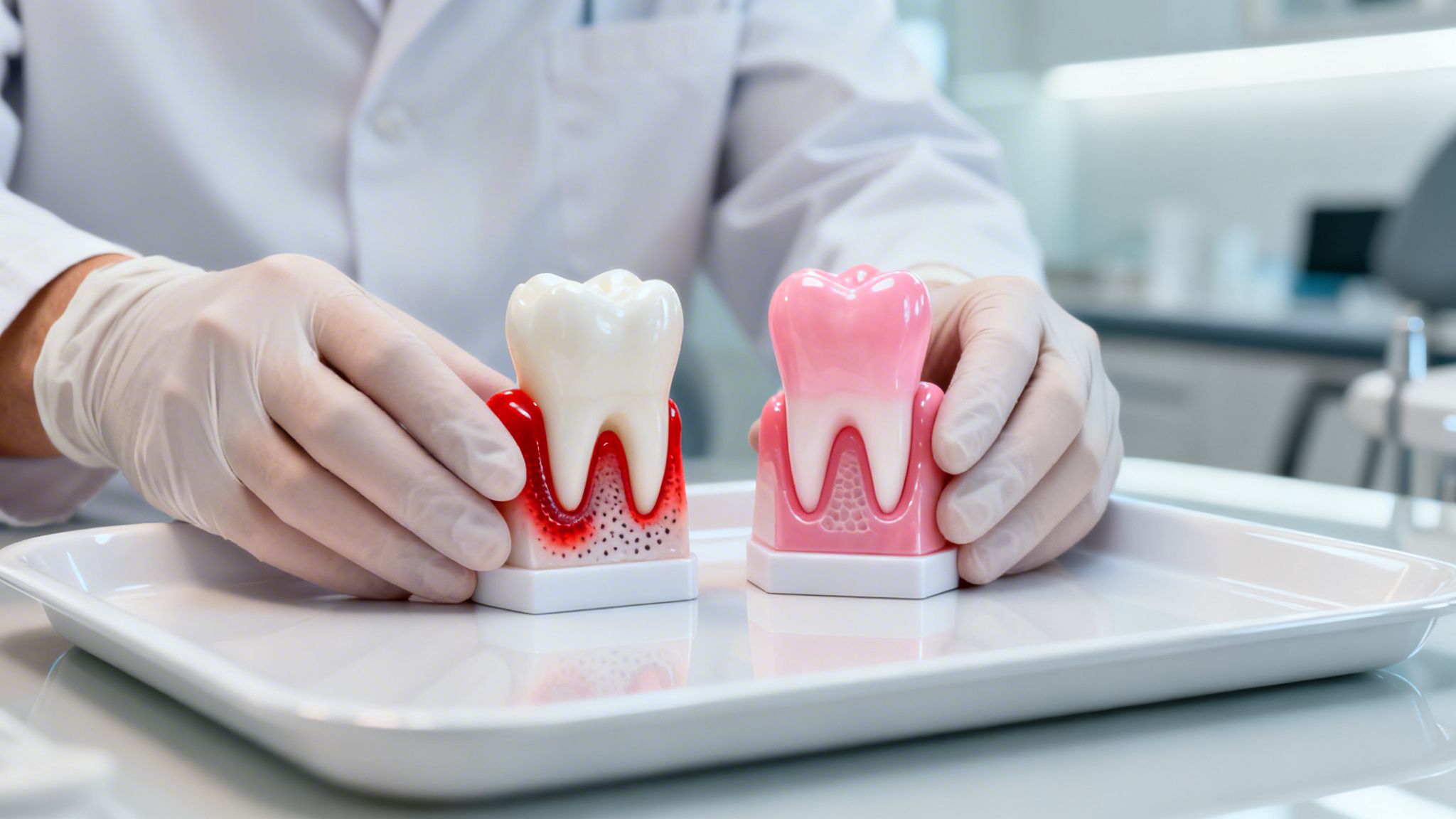
Gum Disease Treatment Service
The Role of Professional Dental Cleanings in Preventing Gum Disease
Importance of regular cleanings
Even the most diligent brushers and flossers cannot remove all the plaque from their teeth. Once plaque hardens into tartar, it can only be removed by a dental professional using specialized tools. Regular cleanings clear away this stubborn tartar, removing the bacteria that cause gum inflammation.
Thorough cleanings at William M. Schneider, DDS
At the office of William M. Schneider, DDS, we provide comprehensive cleanings designed to protect your gums. Our dental hygienists carefully remove plaque and tartar from above and below the gumline. We also polish the teeth to remove surface stains and smooth out rough spots where bacteria like to hide.
Maintaining healthy gums between visits
What you do at home matters just as much as your dental visits. Brush your teeth twice a day with fluoride toothpaste and a soft-bristled brush. Floss daily to remove food particles between your teeth. Using an antimicrobial mouthwash can also help reduce bacteria in your mouth.
Scaling and Root Planing: The First Line of Defense
A non-surgical treatment approach
Scaling and root planing is the gold standard for treating early to moderate periodontitis without surgery. The goal is to carefully clean out the periodontal pockets and smooth the tooth roots, allowing the gums to reattach properly to the teeth.
What to expect during the procedure
To keep you comfortable, your dentist will typically numb the area with a local anesthetic. During the scaling phase, the dentist removes plaque and tartar from the tooth surfaces and deep beneath the gums. The root planing phase involves smoothing the root surfaces to discourage further bacterial buildup. You might experience some mild soreness or sensitivity for a few days afterward, but this usually subsides quickly.
Antibiotic Therapy: Fighting Infection at the Source
Overview of antibiotic treatments
Antibiotics can be administered in several ways. Oral antibiotics come in pill form and treat the infection systemically. Alternatively, topical antibiotics can be applied directly to the infected gums. These might include antibiotic gels or tiny microspheres placed into the periodontal pockets after scaling and root planing.
Used alongside other treatments
Antibiotic therapy is rarely used as a standalone treatment. Instead, it is highly effective when paired with scaling and root planing or surgical interventions. The antibiotics slowly release medication over several days, killing any remaining bacteria and shrinking the periodontal pockets.
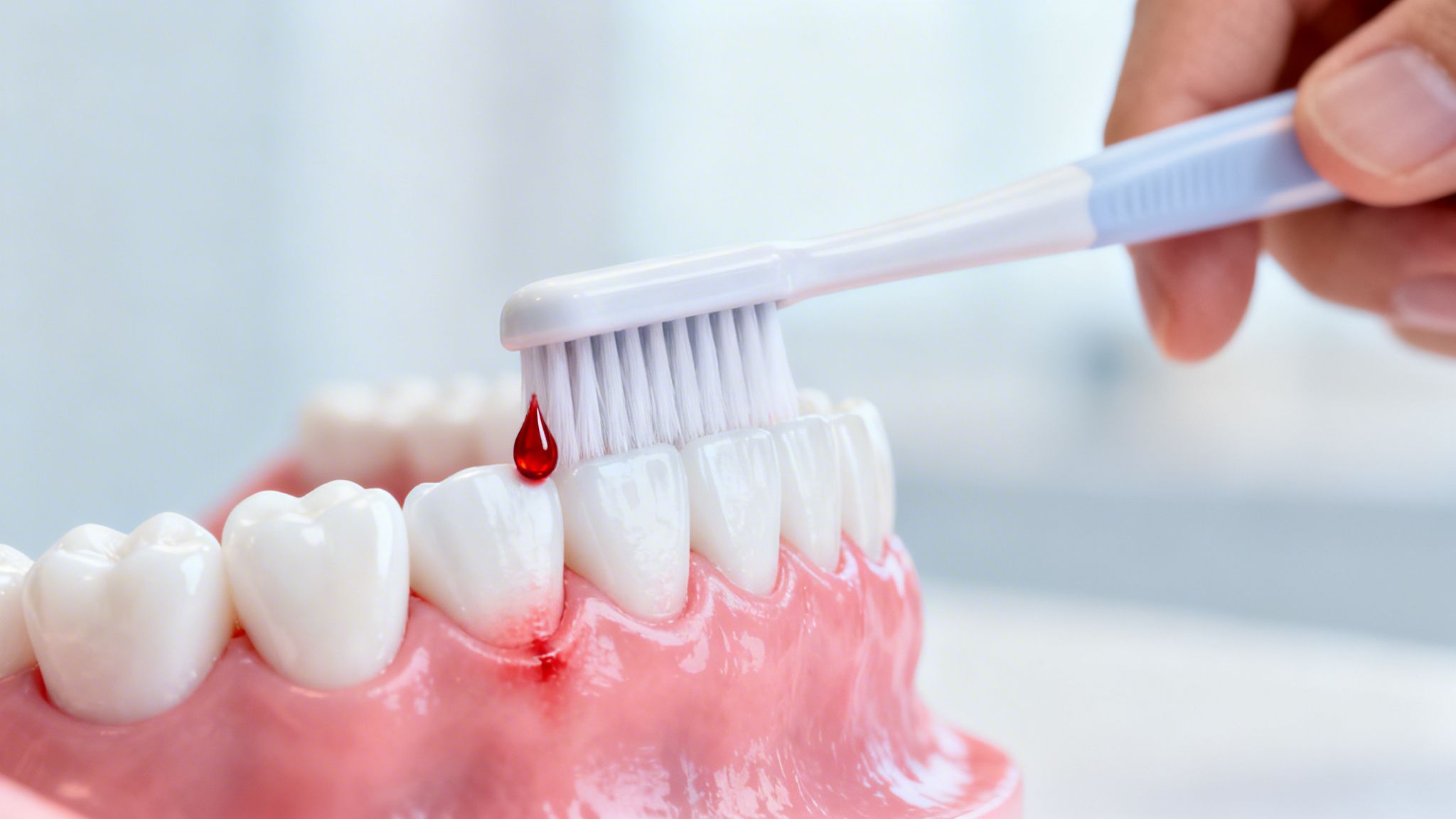
Gum Disease Treatment
Laser Therapy: A Minimally Invasive Option
Introduction to laser therapy
Laser therapy uses a highly focused beam of light to target and remove diseased gum tissue while leaving the healthy tissue completely intact. It also sterilizes the periodontal pocket, killing the bacteria that caused the infection in the first place.
Benefits of laser treatment
Patients often prefer laser therapy because it is significantly more comfortable than traditional methods. The laser cauterizes the tissue as it works, meaning there is less bleeding and no need for stitches. Healing times are generally much faster, and there is a reduced risk of post-operative infection.
Osseous Surgery: Restoring Severe Periodontal Damage
When osseous surgery is necessary
Osseous surgery, also known as pocket reduction surgery, is designed to reduce the depth of periodontal pockets and halt the progression of bone loss. By accessing the roots of the teeth directly, the dentist can thoroughly clean the area and reshape the damaged bone.
What patients can expect
During the procedure, the dentist numbs the area and makes small incisions in the gums to fold the tissue back. This exposes the roots and the underlying bone. The area is meticulously cleaned of all bacteria and tartar. Irregular surfaces of the damaged bone are then smoothed out so the gum tissue can reattach firmly. Finally, the gums are sutured back into place. Recovery takes a few weeks, during which a soft diet and specific oral hygiene practices are required.
Advanced surgical expertise
Performing osseous surgery requires precision and skill. William M. Schneider, DDS, possesses the expertise necessary to perform these advanced surgical treatments safely and effectively, ensuring the best possible outcome for your long-term oral health.
Post-Treatment Care: Maintaining Healthy Gums
The importance of follow-up care
Gum disease can return if you do not stay vigilant. Following any periodontal treatment, you will likely be placed on a periodontal maintenance schedule. This means visiting the dentist for cleanings and check-ups more frequently, usually every three to four months instead of the standard six months.
Tips for maintaining gum health
Strict adherence to a daily oral hygiene routine is non-negotiable. Brush gently but thoroughly, floss every single day, and avoid using tobacco products, as smoking significantly hinders your mouth’s ability to heal. A balanced diet low in sugar also helps keep bacteria levels in check.
Personalized care plans
At the office of William M. Schneider, DDS, we understand that every patient’s needs are different. We support our patients by developing personalized care plans tailored to their specific risk factors and lifestyle, giving them the tools they need to maintain healthy gums for life.

Gum Disease Treatment Specialist
Why Choose William M. Schneider, DDS, for Gum Disease Treatment?
Expertise and a patient-centered approach
Our office is built on a foundation of compassionate, patient-centered care. We take the time to explain your diagnosis, walk you through your treatment options, and ensure you feel comfortable and confident in the care you receive.
Advanced technology and techniques
We utilize modern technology and up-to-date techniques to make your gum disease treatment service as effective and painless as possible. From deep cleanings to advanced surgical procedures, we have the tools required to handle complex cases.
Commitment to your smile
Our ultimate goal is to help you achieve and maintain a healthy, functional smile. We partner with you for the long haul, providing the education and treatments necessary to protect your oral health for years to come.
Safeguard Your Oral Health Today
Addressing gum disease early can save your teeth, your money, and your overall health. Whether you are dealing with early signs of gingivitis or require advanced intervention for severe periodontitis, there are effective treatments available to restore your gums.
We encourage you to schedule a consultation with William M. Schneider, DDS, to receive a comprehensive evaluation and a personalized treatment plan. Don’t wait until it’s too late—protect your smile today!
William M. Schneider, D.D.S.
https://goo.gl/maps/d3H8ow2vWAC4qgZ26
1855 San Miguel Dr STE 31, Walnut Creek, CA 94596, United States
(925) 935-2700
www.wcfamilydentist.com