When to See a Periodontist for Bleeding or Receding Gums
Healthy gums are the foundation of a beautiful and functional smile. They hold your teeth securely in place, protect the sensitive roots, and act as a barrier against harmful bacteria. Yet, many people overlook their gum health until a noticeable problem arises. A bit of pink in the sink after brushing or a tooth that looks slightly longer than it used to might seem minor. However, these are often early warning signs of underlying issues that require professional attention.
Your oral health is closely tied to your overall systemic wellness. Infections in the mouth do not stay isolated; they can travel through the bloodstream and affect other parts of the body. Addressing gum issues early is crucial for maintaining both your smile and your general health.
If you notice ongoing changes in your gums, seeking specialized care is the safest approach. William M. Schneider, DDS, is a trusted provider of comprehensive periodontal care. With advanced techniques and a patient-centered approach, his practice helps patients restore their gum health and prevent long-term complications.
The Role of Gums in Oral Health
Your gums, or gingiva, do much more than frame your teeth. They are a complex soft tissue network designed to cover the alveolar bone, which is the bone that anchors your teeth in your jaw. Healthy gums attach tightly to the enamel, creating a protective seal that prevents food particles and bacteria from reaching the delicate root structures and underlying bone.
When this protective seal is compromised, bacteria can accumulate in the pockets between the gums and the teeth. Over time, this bacterial buildup leads to inflammation and infection. Because the mouth is a primary entry point to the digestive and respiratory tracts, maintaining the integrity of your gums is essential for protecting your entire body from harmful pathogens.
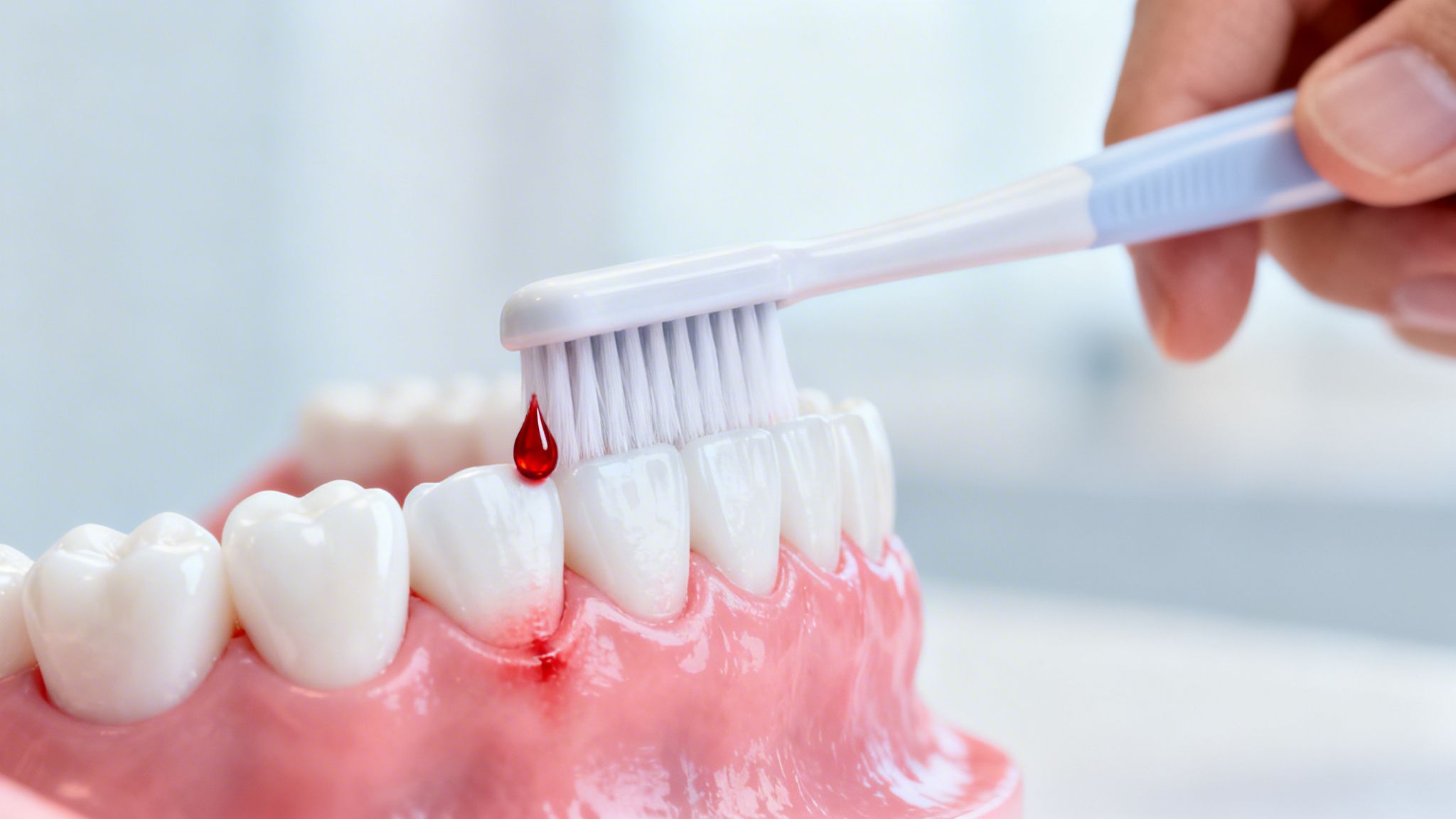
Periodontist for Bleeding Gums
Common Signs of Gum Problems
Gum disease often progresses silently in its early stages. Many people do not experience pain until the condition becomes severe. Knowing what to look for can help you catch problems before they cause permanent damage.
Bleeding Gums During Brushing or Flossing
Healthy gums should not bleed when you brush or floss. If you consistently notice blood on your toothbrush or dental floss, you are likely experiencing gingivitis, the earliest stage of gum disease. This bleeding is caused by plaque buildup irritating the gum tissue.
Gum Recession and Tooth Sensitivity
Gum recession occurs when the gum tissue pulls away from the teeth, exposing the roots. You might notice that your teeth look longer than normal. Because tooth roots do not have the protective enamel covering that the crowns of your teeth do, exposed roots are highly sensitive to hot, cold, or sweet foods and drinks.
Persistent Bad Breath or Loose Teeth
Chronic bad breath, also known as halitosis, can be a sign that bacteria are hiding in deep periodontal pockets. As gum disease advances into periodontitis, the infection destroys the supporting bone and tissue. This loss of support can cause teeth to feel loose or shift out of their normal alignment.
Why You Shouldn’t Ignore Bleeding or Receding Gums
Ignoring changes in your gums can lead to severe consequences. What starts as mild irritation can quickly escalate into a chronic infection that threatens both your smile and your life span.
Risks of Untreated Periodontal Disease
Gingivitis is highly treatable and often reversible with professional cleanings and excellent home care. However, if left untreated, it advances into periodontitis. At this stage, the inner layer of the gum and bone pull away from the teeth, forming pockets. These spaces collect debris and become infected. Your body’s immune system fights the bacteria as the plaque spreads and grows below the gum line. The toxins produced by the bacteria, combined with your body’s natural response to infection, start to break down the bone and connective tissue holding teeth in place. Eventually, the teeth may need to be extracted by a periodontist.
Potential Impact on Overall Health
The consequences of ignoring gum disease go far beyond the mouth. Chronic inflammation in the gums places a constant burden on your immune system. Extensive research links severe periodontitis to a higher risk of cardiovascular disease. The bacteria from your mouth can travel through your bloodstream, attaching to fatty plaques in your heart’s blood vessels and contributing to blockages. Additionally, people with diabetes are more susceptible to severe gum disease, and advanced gum disease can make it more difficult for diabetic patients to control their blood sugar levels, creating a dangerous cycle.
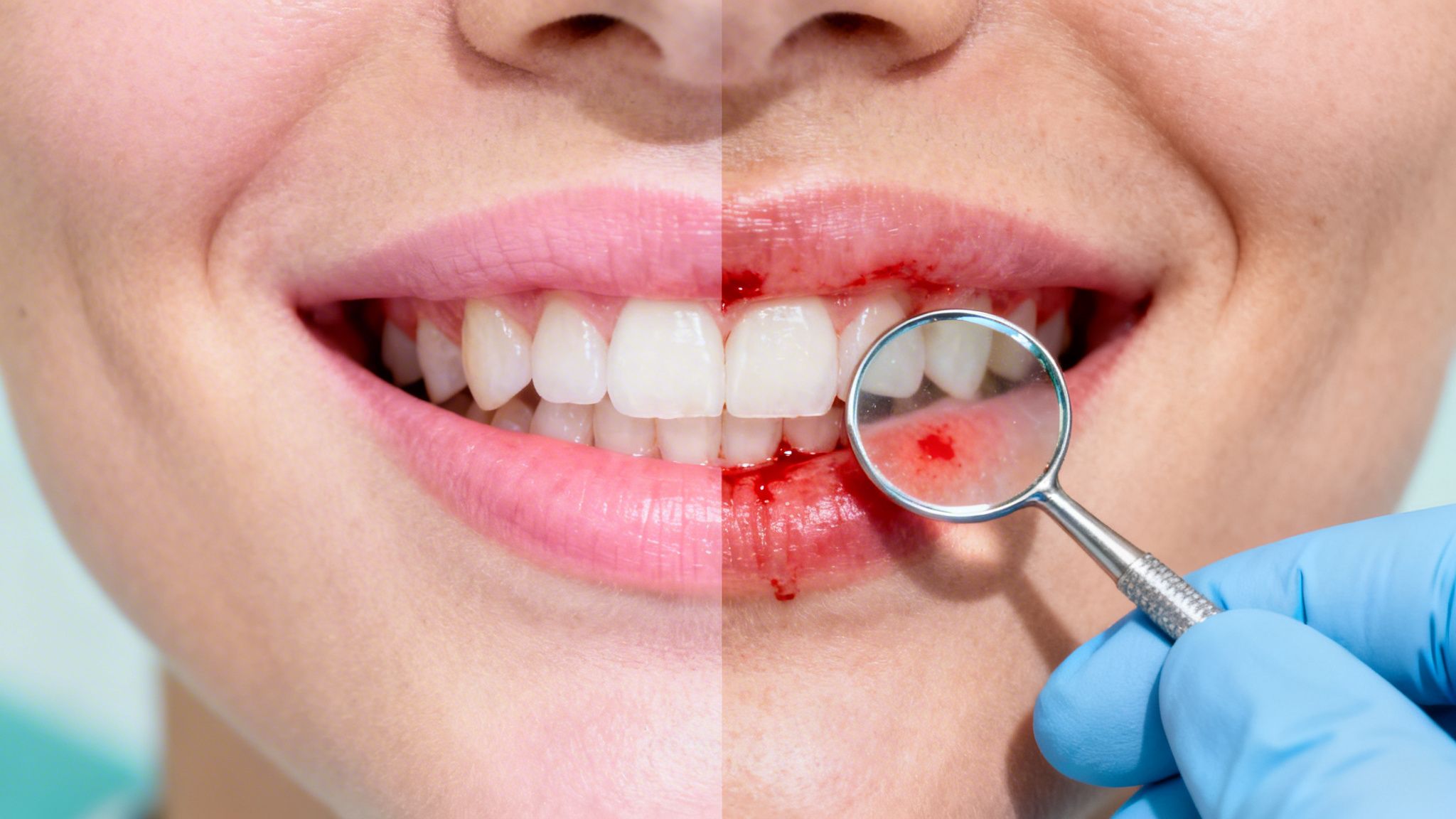
Periodontist for Receding Gums
When to See a Periodontist
While your general dentist is equipped to handle routine cleanings and mild gingivitis, certain symptoms require the specialized expertise of a periodontist. Periodontists receive extensive training beyond dental school, focusing entirely on the prevention, diagnosis, and treatment of periodontal disease, as well as the placement of dental implants.
Key Indicators for Specialized Care
You should ask for a referral or seek out a periodontist if you experience chronic inflammation that does not resolve with standard dental cleanings. Severe gum recession, especially if it is causing extreme sensitivity or altering the appearance of your smile, is another major red flag. If your dentist measures deep periodontal pockets (typically 5 millimeters or more) during a routine exam, a periodontist needs to intervene. Additionally, if you have loose teeth, a family history of severe gum disease, or related systemic health conditions like heart disease or diabetes, seeing a specialist is highly recommended.
Advanced Care with William M. Schneider, DDS
William M. Schneider, DDS, provides comprehensive evaluations to determine the exact cause and severity of your gum issues. By utilizing advanced diagnostic tools, Dr. Schneider can pinpoint areas of bone loss and severe infection. His practice offers highly specialized treatments tailored to the unique anatomy of your mouth, ensuring the best possible outcome for your periodontal health.
Treatment Options for Bleeding or Receding Gums
The approach to treating gum issues depends heavily on the severity of the disease. Modern periodontics offers a variety of effective solutions to restore oral health.
Non-Surgical Treatments
For moderate gum disease, non-surgical intervention is often the first step. Scaling and root planing is a deep-cleaning procedure that removes plaque and tartar from above and below the gumline. The periodontist then smooths the rough spots on the tooth roots, which helps the gums reattach to the teeth and reduces the depth of periodontal pockets.
Surgical Treatments
When non-surgical methods are not enough to resolve deep pockets or significant bone loss, surgical options become necessary. Flap surgery involves lifting the gums back to remove deeply embedded tartar, then suturing the tissue snugly back in place. For severe gum recession, soft tissue grafts can be performed. This involves taking tissue from the roof of the mouth and attaching it to the receding area to cover exposed roots and prevent further tissue loss.
William M. Schneider, DDS, utilizes advanced techniques and technologies to make these treatments as effective and comfortable as possible, ensuring optimal healing and long-lasting results.
Preventing Gum Disease: Tips for Healthy Gums
The most effective way to manage gum disease is to prevent it from developing in the first place. Consistent daily habits and professional oversight are your best defense.
Daily Oral Hygiene Practices
Brush your teeth at least twice a day using a soft-bristled toothbrush and fluoride toothpaste. Hard bristles can actually contribute to gum recession, so a gentle technique is best. Floss daily to remove plaque and food particles from between the teeth, where a toothbrush cannot reach. Using an antimicrobial mouthwash can also help reduce the bacterial load in your mouth.
Regular Dental Check-ups
Professional cleanings are vital because brushing and flossing cannot remove hardened tartar. Visit your dentist at least twice a year for routine cleanings and exams. If you have a history of gum issues, you may need more frequent visits to keep the disease under control.
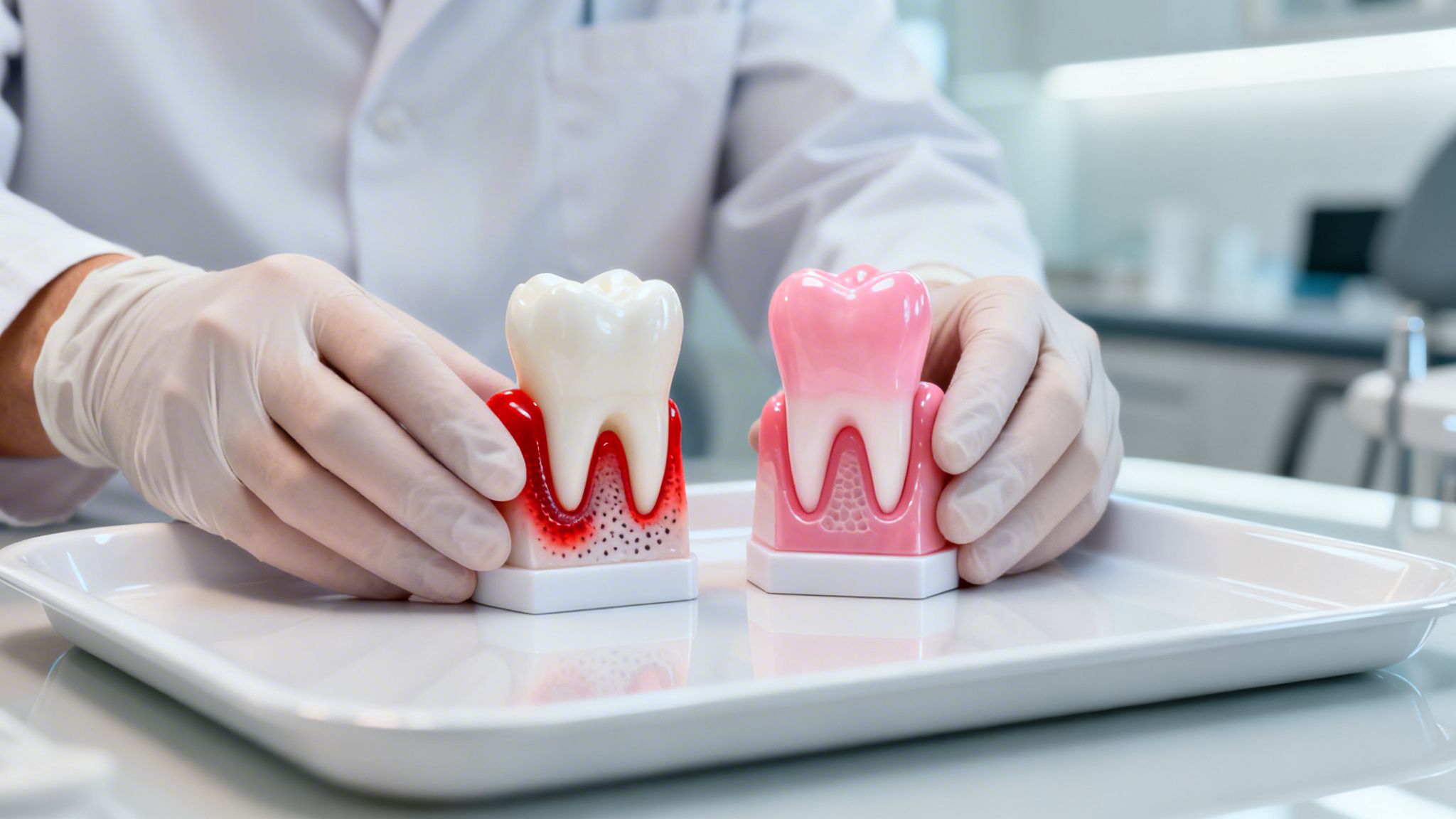
Gum Disease Treatment Service
The Connection Between Gum Health and Overall Wellness
The concept of the oral-systemic link is a cornerstone of modern healthcare. Chronic inflammation in the mouth creates a constant burden on the immune system. When oral bacteria enter the bloodstream, they can attach to fatty plaques in the blood vessels, contributing to the development of cardiovascular disease and increasing the risk of heart attacks.
Furthermore, individuals with diabetes often face a two-way street regarding gum health. High blood sugar levels make infections like periodontitis harder to fight. Conversely, the chronic inflammation from gum disease can make it more difficult for patients to control their blood sugar levels. Emerging research also suggests links between severe gum disease and respiratory infections, as bacteria can be inhaled into the lungs.
Why Choose William M. Schneider, DDS for Periodontal Care
When you are facing the possibility of tooth loss or navigating the complexities of advanced gum disease, choosing the right specialist makes all the difference. You need a periodontist nearby who combines technical skill with a compassionate approach.
Expertise and Advanced Technology
William M. Schneider, DDS, brings years of specialized experience to every patient interaction. The practice is equipped with modern diagnostic and treatment technology, allowing for highly accurate assessments and effective interventions. From digital imaging that clearly shows bone levels to advanced grafting materials that encourage natural tissue regeneration, the focus is always on delivering top-tier clinical outcomes.
A Patient-Centered Approach
Beyond the clinical expertise, Dr. Schneider and his team prioritize patient comfort and education. They understand that dental anxiety is common, especially when facing specialized procedures. The team takes the time to thoroughly explain every diagnosis, outline all available treatment options, and answer any questions you might have. Their goal is to empower you to make informed decisions about your oral health in a relaxed, supportive environment.
Protect Your Smile and Systemic Health
Ignoring changes in your gums can lead to severe consequences for your teeth and your entire body. Bleeding, recession, and persistent bad breath are clear signals that your oral health requires professional attention. Catching these problems early allows for simpler, less invasive treatments and protects you from the systemic risks associated with chronic oral inflammation.
Do not wait until you experience pain or tooth mobility to seek help. Take proactive steps to protect your smile. Schedule a consultation with William M. Schneider, DDS, today to assess your gum health and build a personalized plan for a healthier future.
William M. Schneider, D.D.S.
https://goo.gl/maps/d3H8ow2vWAC4qgZ26
1855 San Miguel Dr STE 31, Walnut Creek, CA 94596, United States
(925) 935-2700
www.wcfamilydentist.com