Who Qualifies for Sedation Dentistry? A Complete Patient Overview
Approximately 36% of people experience some degree of dental fear, and for 12%, that fear rises to the level of a full phobia. For many, the anxiety is enough to cancel appointments, delay necessary treatment, and allow minor issues to snowball into serious ones. The cycle is frustratingly common—and entirely avoidable.
Sedation dentistry has changed the experience for millions of patients who once considered the dentist’s chair their least favorite place on earth. By using safe, carefully administered sedatives, dental professionals can help patients relax deeply enough to complete treatments that would otherwise be impossible. The result? Less fear, less pain, and far better long-term oral health.
William M. Schneider, DDS, is a trusted expert in sedation dentistry with years of experience helping patients of all backgrounds reclaim their dental health. His patient-centered philosophy ensures every individual receives a personalized approach—from the initial consultation to the final follow-up. If you’ve been putting off dental work because of fear or discomfort, this guide will walk you through everything you need to know about sedation dentistry and whether it might be the right fit for you.
What Is Sedation Dentistry?
Sedation dentistry uses medication to help patients relax during dental procedures. It doesn’t necessarily mean you’ll be unconscious—most forms of sedation leave patients in a calm, drowsy state while remaining responsive to the dentist’s instructions. Only general anesthesia produces complete unconsciousness, and this is reserved for very specific cases.
The goal is simple: remove the physical and psychological barriers that prevent people from receiving the care they need. Sedation allows dentists to work more efficiently, patients to feel more comfortable, and procedures that might otherwise span multiple visits to be completed in a single appointment.
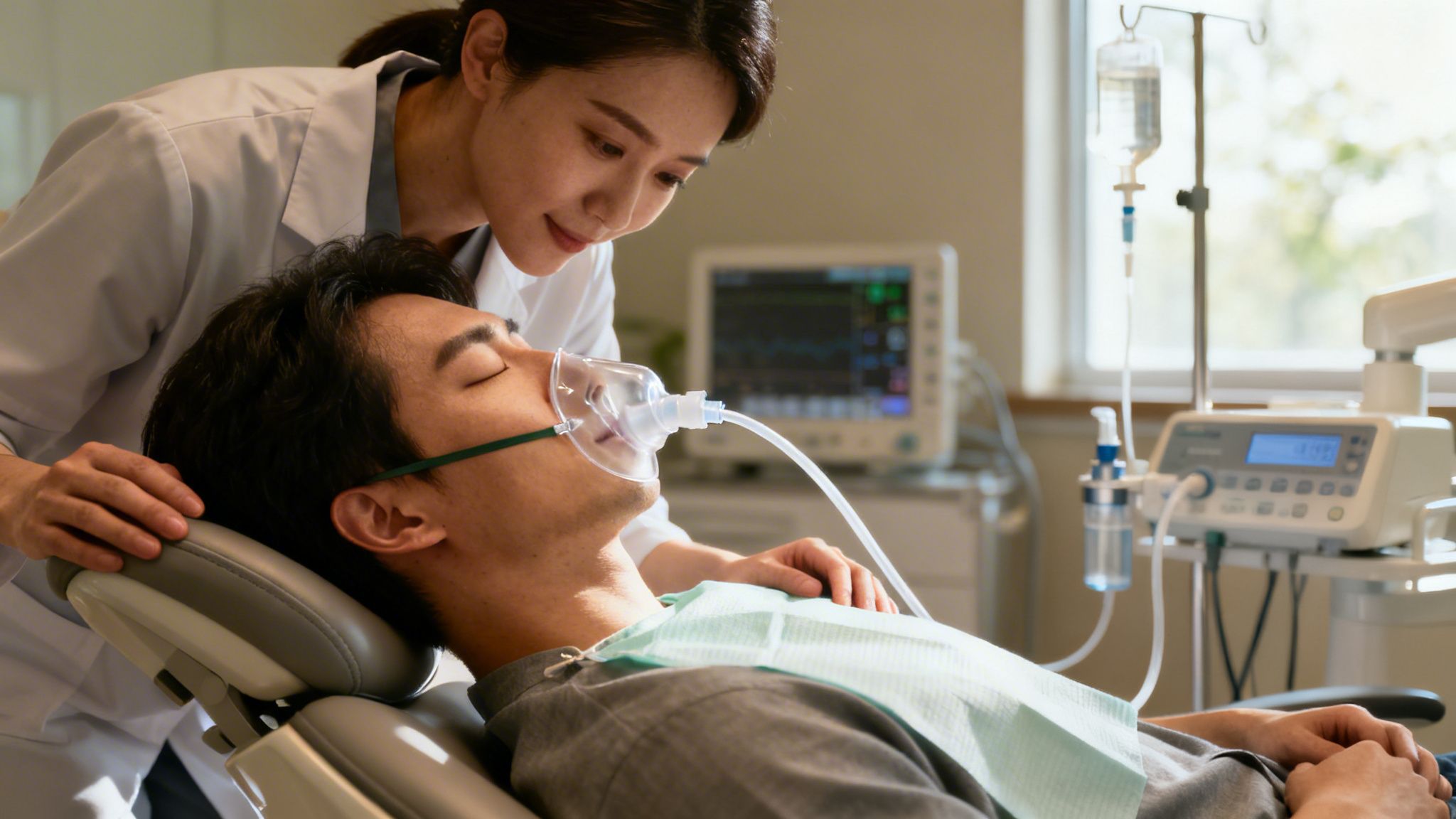
Sedation Dental Treatment
Types of Sedation Used in Dentistry
There are several sedation options available, each suited to different levels of anxiety and procedural complexity:
Nitrous oxide: Also called laughing gas, this is the mildest form of sedation. It’s inhaled through a small mask placed over the nose and takes effect within minutes. Patients feel relaxed and at ease but remain fully conscious and aware.
Oral sedation: Taken in pill form before the appointment, oral sedation produces a moderate level of relaxation. Some patients feel drowsy enough to doze off, though they can still be roused easily.
IV sedation: Administered directly into the bloodstream, IV sedation works quickly and allows the dentist to adjust the level of sedation throughout the procedure. Patients often have little to no memory of the appointment afterward.
Dr. Schneider is experienced in all three methods and selects the most appropriate option based on each patient’s individual needs, medical history, and the complexity of the procedure.
Who Qualifies for Sedation Dentistry?
Sedation dentistry is not reserved for the most extreme cases of dental phobia. There are several situations where it can benefit a wide range of patients:
Patients With Dental Anxiety or Phobia
Dental anxiety can range from mild nervousness to a full-blown phobia that triggers panic attacks at the mere thought of sitting in the chair. Sedation helps break that cycle, allowing patients to get through procedures without the emotional toll that often accompanies them.
Individuals With a Low Pain Threshold or Sensitive Teeth
Some patients are physiologically more sensitive to pain, and standard local anesthetics simply don’t provide enough relief. Sedation offers an additional layer of comfort, reducing awareness of sensations during the procedure.
Those Requiring Extensive or Multiple Procedures
Root canals, extractions, implants, and full-mouth restorations can require significant chair time. Sedation makes longer procedures more manageable and allows Dr. Schneider to complete more work in fewer appointments.
Patients With a Strong Gag Reflex
A sensitive gag reflex can make even routine dental work difficult. Sedation significantly reduces the gag reflex, allowing treatments to proceed smoothly and comfortably.
Patients With Difficulty Sitting Still
Whether due to a physical condition, neurological differences, or high anxiety, some patients struggle to remain still. Children with special needs, adults with ADHD, or those with certain disabilities may all benefit from sedation.
Dr. Schneider evaluates each patient’s eligibility carefully and collaboratively.

Sedation Dental Treatment Service
The Initial Consultation: What to Expect
The first step toward sedation dentistry is a thorough consultation with Dr. Schneider. This appointment is designed to understand your health, your concerns, and your goals.
During this visit, Dr. Schneider will review your full medical history, including medications, allergies, and past reactions to anesthesia or sedation. Certain conditions—such as sleep apnea, obesity, or cardiovascular issues—can influence the choice of sedation.
You’ll discuss the dental work you need, your anxiety level, and any specific concerns. By the end, you’ll know exactly what to expect, which sedation option is recommended, and how to prepare.
Types of Sedation and Their Benefits
Nitrous Oxide (Laughing Gas)
Fast-acting, reversible, and safe. Effects wear off quickly, making it ideal for mild to moderate anxiety and shorter procedures.
Oral Sedation
Induces a deeper state of relaxation than nitrous oxide. Effects can last several hours, so patients need transportation. Best for moderate anxiety and longer procedures.
IV Sedation
Most powerful option outside general anesthesia. Produces deep relaxation and can be adjusted in real-time. Patients often have no memory of the procedure. A responsible adult must accompany the patient home.
Preparing for Your Sedation Dentistry Appointment
Preparation ensures a safe and smooth experience. General guidelines include:
- Fasting: Avoid food or drink for at least six hours before oral or IV sedation.
- Medications: Some may need temporary adjustment. Disclose all medications.
- Transportation: Arrange a ride if receiving oral or IV sedation.
- Comfortable Clothing: Loose-fitting clothes and minimal jewelry.
Arriving prepared reduces pre-procedure anxiety. Dr. Schneider’s team is available to answer questions until the procedure begins.

Sedation Dentistry
What Happens During and After the Procedure?
On appointment day, Dr. Schneider walks you through each step. Sedation is administered at the agreed level, and vital signs are monitored.
The Recovery Process
Recovery varies: nitrous oxide wears off in minutes; oral and IV sedation can take hours. Temporary effects may include drowsiness, light-headedness, and mild nausea. Detailed aftercare instructions ensure a comfortable recovery.
Why Choose William M. Schneider, DDS, for Sedation Dentistry?
Dr. Schneider brings extensive expertise, a commitment to comfort, and a warm, patient-centered approach. His practice ensures every patient can receive dental care without fear, leaving healthier teeth and renewed confidence.
Ready to Experience Stress-Free Dentistry?
Dental anxiety doesn’t have to prevent a healthy smile. Sedation dentistry offers a compassionate solution. Schedule a consultation with Dr. Schneider to find the right sedation option for you. Your comfort, health, and peace of mind matter.
William M. Schneider, D.D.S.
https://goo.gl/maps/d3H8ow2vWAC4qgZ26
1855 San Miguel Dr STE 31, Walnut Creek, CA 94596, United States
(925) 935-2700
www.wcfamilydentist.com