Porcelain veneers usually last 15 to 25 years with proper care, while composite veneers typically last 5 to 10 years. If you're weighing whether veneers are worth it, that difference matters, but the bigger question is whether the teeth underneath them stay healthy enough to support them long term.
A lot of people looking for a cosmetic dentist near me or a dentist in Walnut Creek, CA are in the same spot. They want a smile that looks natural, feels comfortable, and lasts long enough to justify the commitment. They may also be comparing veneers with teeth whitening, Invisalign, crowns, or other cosmetic dentistry options and wondering which path makes the most sense.
The honest answer is that veneers can be a long-term solution, but they aren't maintenance-free. The material matters. Your bite matters. Daily habits matter. Most of all, the health of the tooth under the veneer matters. That's where many online articles stop too early.
Patients in Walnut Creek and the East Bay often want a simple promise. How long will veneers last, and what can I do to avoid replacing them sooner than expected? The most useful answer is practical, not salesy. Good veneers can serve you beautifully for years, but only when they're planned carefully, bonded properly, and supported by strong preventive dental care, including cleanings and exams, dental x-rays, and new patient exams when needed.
Your Guide to a Lasting Smile with Veneers in Walnut Creek
Choosing veneers is rarely just about appearance. It's usually about confidence, function, and wanting your smile to match how you feel when you walk into work, meet people, or see yourself in photos. Patients often ask whether veneers are permanent, whether they stain, and whether they'll still look good years from now.
The right way to think about veneers is as a long-term cosmetic restoration. They can create a dramatic change, but they also require the same kind of planning you'd expect from other restorative dentistry decisions. If you've been searching for a dentist near me because you want clear guidance instead of vague promises, that's exactly the conversation worth having before treatment begins.
What most patients really want to know
Some people worry that veneers are fragile. Others assume they last forever. Neither view is accurate. Veneers are durable, but they work best when the surrounding dental care is just as strong. That means healthy gums, stable enamel, a bite that isn't placing too much force on the front teeth, and a realistic understanding of maintenance.
Practical rule: The best veneer plan doesn't start with shade selection. It starts with the health of the tooth, gumline, and bite.
That's especially important for adults who may also need other care first, such as treatment for gum irritation, repair of worn teeth, or evaluation after clenching and grinding. In some cases, a patient comes in wanting cosmetic work and discovers that the actual priority is protecting the foundation before moving ahead.
A local decision, not just a cosmetic trend
For patients in Walnut Creek, CA, veneers should feel like part of a long-term relationship with a dental office, not a one-time cosmetic transaction. If you ever need follow-up care, replacement of a single veneer, a cleaning, an emergency dentist visit, or even restorative treatment such as crowns or dental implants near me, continuity matters.
That's why veneer longevity isn't just about the shell on the front of the tooth. It's about having a dentist who looks at the whole picture and helps you protect your investment year after year.
Porcelain vs Composite Veneers Lifespan and Durability
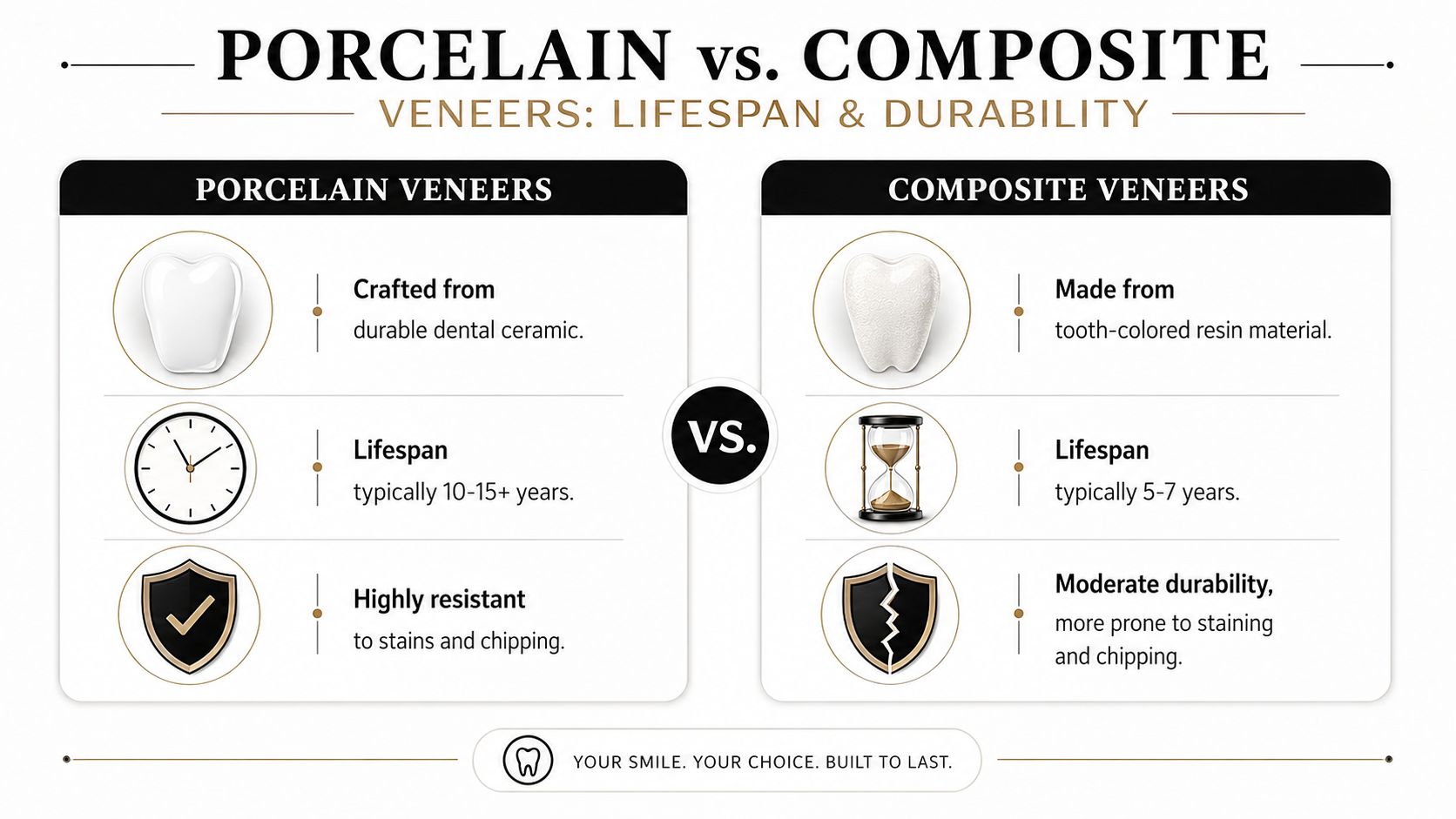
Material choice shapes almost everything about veneer longevity. The two main options are porcelain and composite resin, and they don't age the same way. One is built for longer-term durability and stain resistance. The other can be a useful option in the right case, but it generally requires more maintenance.
How the two materials compare
A useful starting point is simple. Porcelain veneers typically last 10 to 25 years, often 15 to 25 years with consistent care, while composite resin veneers generally last 5 to 7 years, with a broader range of 3 to 10 years according to clinical guidance on veneer durability and material differences.
| Veneer type | Typical lifespan | Main strengths | Main trade-offs |
|---|---|---|---|
| Porcelain | 15 to 25 years in many well-maintained cases | Stronger, more stain resistant, highly natural appearance | More involved planning and placement |
| Composite | 5 to 10 years typically | More conservative in some cases, easier to repair | More prone to wear, staining, and chipping |
Porcelain's ceramic structure is the reason it performs differently. It resists surface wear better and holds color more reliably. Composite resin is useful, but it's more susceptible to abrasion and discoloration over time.
What that means in real life
The decision isn't only about how long veneers last on paper. It's about how they fit your goals. If you want the most durable option and you're looking at veneers as a long-term cosmetic upgrade, porcelain is usually the stronger choice. If you want a shorter-term or more conservative option, composite may still be appropriate.
Patients often focus on the upfront decision and overlook the maintenance curve. Composite may need repairs or replacement sooner. Porcelain usually holds up better under normal function and tends to keep its appearance longer.
The long-term value of veneers comes from matching the material to the patient, not from assuming one option fits every smile.
If you're comparing options in more detail, this guide to porcelain vs composite veneers is a useful next step before scheduling a consultation.
Key Factors That Determine How Long Your Veneers Last
Many people assume veneers fail because the veneer itself cracks or wears out. Sometimes that happens, but it's not the whole story. In everyday practice, one of the most important reasons veneers need replacement is that the tooth underneath develops a problem.
The tooth under the veneer matters most
This is the part patients deserve to hear clearly. The primary cause of veneer replacement is often decay at the margin or root damage to the underlying tooth, not the veneer itself. A 2018 review also noted that while 95% of veneers remain functional at 10 years, the drop to 85% at 15 years is frequently driven by changes in oral health and habits rather than material fatigue, as discussed in this review on veneer failure and underlying tooth health.
That means a beautiful porcelain veneer can still need replacement if the edge where it meets the tooth becomes vulnerable to decay, if gum recession exposes new surfaces, or if the root structure is compromised. The veneer may look like the problem, but the supporting tooth is often the underlying issue.
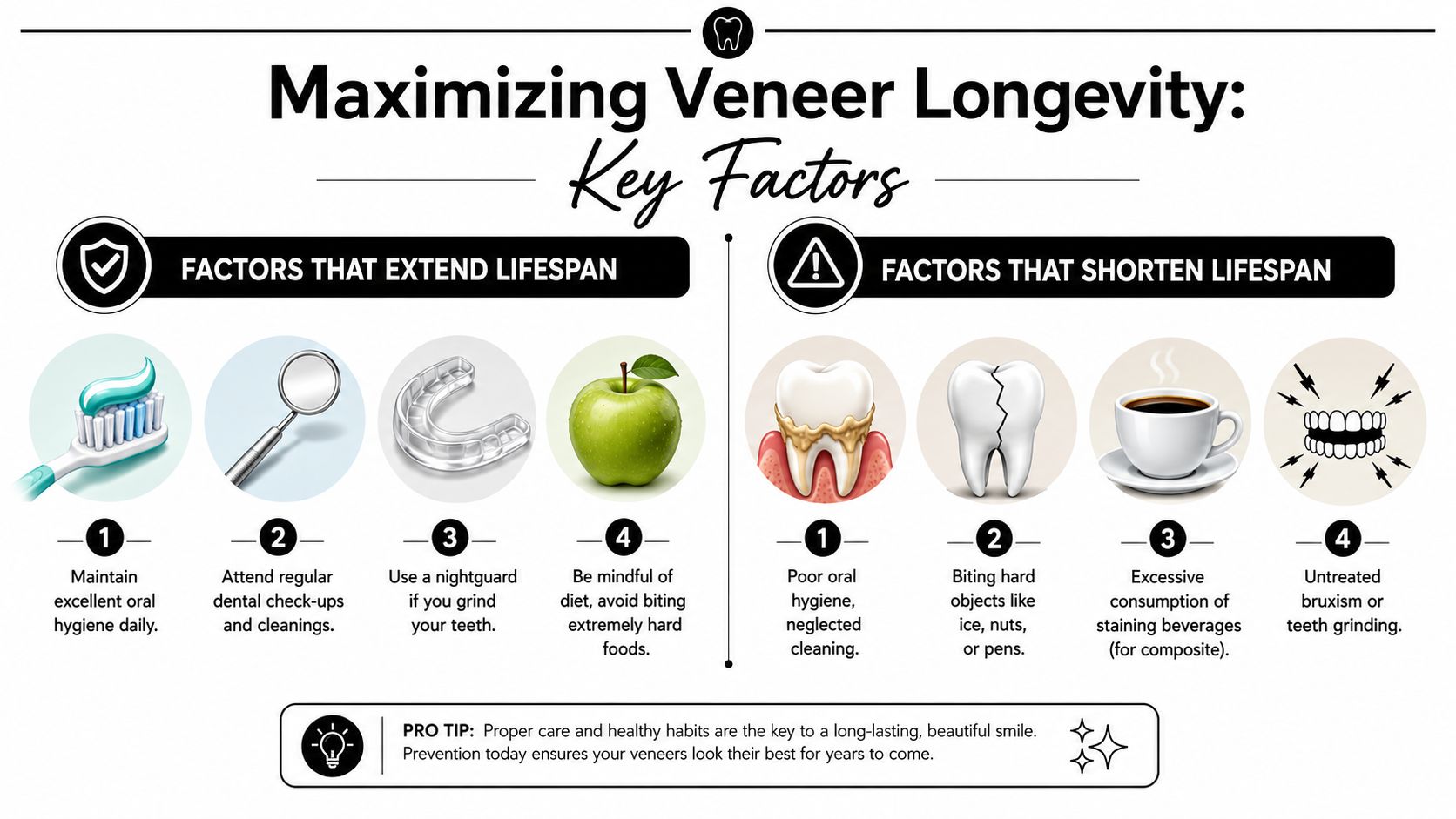
Habits that protect veneers
Some patients keep veneers looking excellent for many years because they're protecting the entire environment around them. The habits that help most are familiar, but they need to be done consistently.
- Brush gently and thoroughly with a soft-bristled toothbrush and a non-abrasive toothpaste.
- Floss at the margins where the veneer meets the tooth, because that edge is where plaque can create trouble.
- Keep regular recall visits for cleanings, exams, and monitoring of gum health.
- Be careful with hard objects such as ice, pens, and fingernails.
Bruxism changes the timeline
Grinding and clenching can shorten the life of veneers faster than many patients expect. It isn't just a bad habit. It's repeated mechanical stress on thin restorations and the teeth supporting them.
When someone has untreated bruxism, veneers face much higher bite forces during sleep or stress. In practical terms, that can mean chips, debonding, edge wear, or damage to the underlying tooth structure. A custom night guard often makes the difference between predictable longevity and early problems.
Healthy veneers depend on healthy teeth, healthy gums, and a bite that isn't working against them.
This is also why complete dental care matters. A patient considering veneers may also need evaluation for gum concerns, bite adjustment, restorative treatment, or protection from clenching before cosmetic work begins.
Telltale Signs Your Veneers May Need Replacing
Veneers rarely go from perfect to unusable overnight. Most of the time, there are warning signs. Some are obvious when you look in the mirror. Others show up as small changes you feel with your tongue or notice when flossing.
What patients often notice first
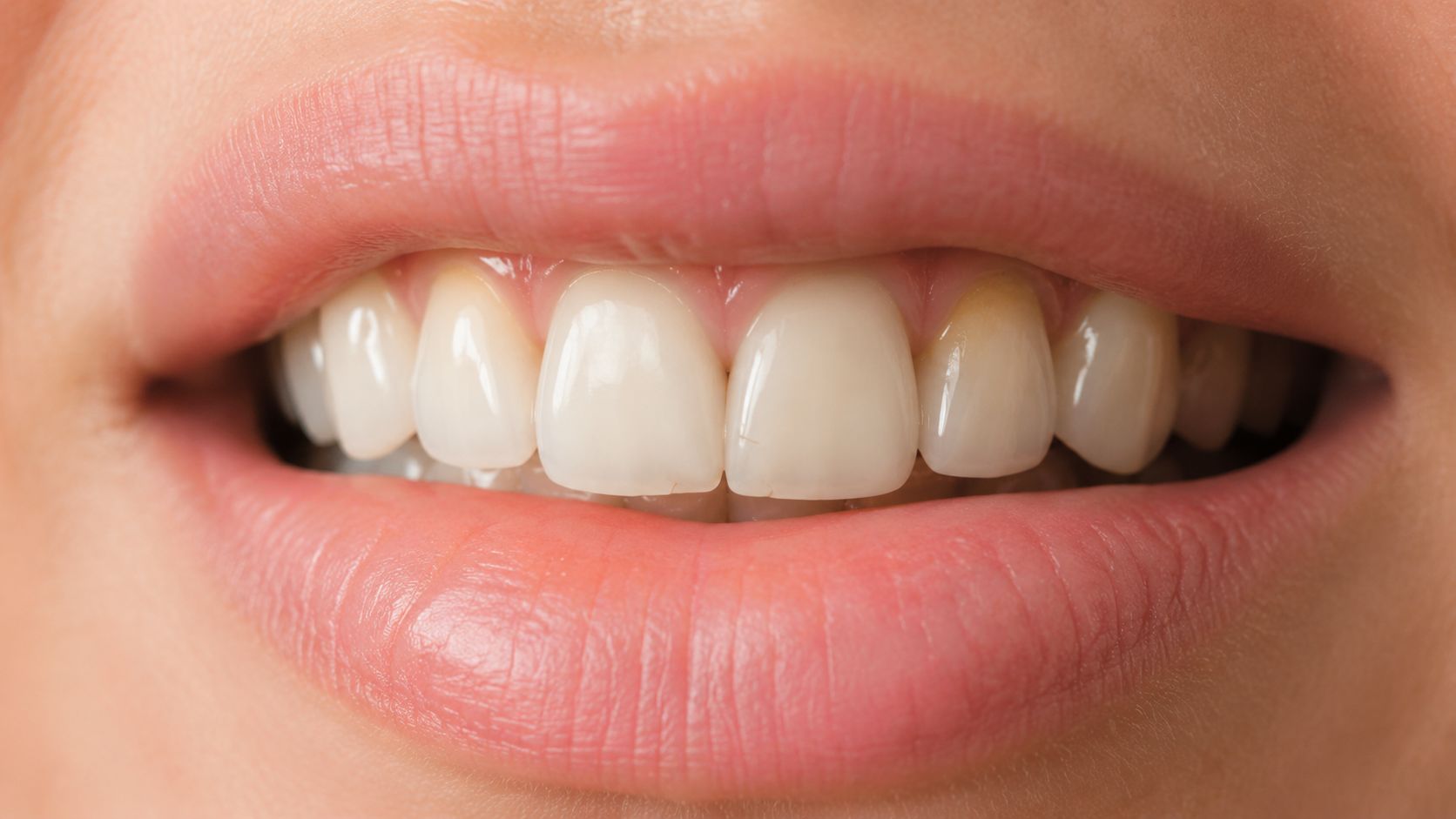
A common example is a veneer that still looks mostly intact but no longer blends with the neighboring teeth. The edge may appear dull, slightly rough, or darker near the gumline. In other cases, a patient notices a tiny chip that catches light differently even if there's no pain.
Here are signs that deserve a professional evaluation:
- Visible chips or cracks that change the shape or smoothness of the tooth.
- A dark line near the edge where the veneer meets the tooth, which can point to a margin issue.
- Persistent staining or dullness that doesn't improve with professional cleaning.
- Roughness or snagging floss around one veneer more than the others.
- Sensitivity or pressure that feels new around a veneered tooth.
Subtle changes matter
Sometimes the veneer isn't the only thing changing. A veneer can begin to look uneven because the gumline has shifted, the neighboring teeth have worn differently, or the tooth behind the veneer has developed a problem. Patients who wait for a dramatic break often miss the easiest window for conservative treatment.
Small changes at the margin often matter more than a small stain on the surface.
A short visual overview can help if you're trying to judge whether what you're seeing is normal wear or a sign to come in for an exam.
If you're unsure, it's better to schedule a visit before a minor issue turns into a larger restorative problem. That approach is especially important if you also have a history of grinding, gum recession, or older dental work nearby.
How to Maximize Your Veneer Investment with Proper Care
The best way to think about veneer maintenance is simple. You're not babying your teeth. You're protecting a significant cosmetic and functional investment. Good habits don't just preserve appearance. They reduce the chance that the underlying tooth or gum tissues will force an early replacement.
What proper care actually looks like
Daily care should be straightforward and repeatable.
- Use a soft brush so you clean effectively without scrubbing the edges aggressively.
- Choose non-abrasive toothpaste because harsh whitening pastes can be rough on polished surfaces and margins.
- Floss every day to keep plaque from building where the veneer meets the tooth.
- Stop using teeth as tools for opening packaging or biting hard objects.
- Wear a custom night guard if you clench or grind.
Patients often assume that if porcelain is strong, they can treat it like natural enamel under any condition. That's not how long-term success works. Veneers hold up best when daily wear is controlled and routine maintenance stays consistent.
Why maintenance pays off
Long-term outcomes improve when patients stay on top of preventive care. A systematic review of 304 veneers across 100 patients with follow-ups extending up to 16 years reported Kaplan–Meier cumulative survival rates of 94.4% at 5 years, 93.5% at 10 years, and 85.74% at 15 years, according to this systematic review summary on veneer survival over time. The same review also supports an important practical point. A full set rarely needs replacement all at once.
That matters for peace of mind. If one veneer eventually needs attention, it doesn't usually mean every veneer has failed. Ongoing exams help catch those isolated issues early.
Where professional follow-up fits in
At-home care is only part of the picture. Regular cleanings and exams let a dentist check the fit of the veneer margins, the condition of the gums, wear patterns from grinding, and any signs of decay or bite stress before they become expensive problems.
For patients who already have veneers or are preparing for them, this guide on how to take care of veneers covers the maintenance basics in a practical way.
If you're also managing other dental needs, such as old fillings, crowns, or even planning for future restorative work, keeping those pieces coordinated protects your veneers too.
The Veneer Experience at Our Walnut Creek Dental Office
The veneer process should feel organized, calm, and easy to understand. Patients don't just want a nicer smile. They want to know what will happen, what will be preserved, and whether the result will still look right years from now.
What happens before veneers are placed
A veneer consultation should begin with a full evaluation, not just a cosmetic discussion. That includes examining the enamel, gumline, bite, existing dental work, and any signs of wear from clenching or grinding. If a patient needs treatment for gum health, a cracked tooth, or a stability issue first, that should be addressed before cosmetic work moves forward.
Porcelain glass-ceramic veneers show a clinical survival rate exceeding 90% at the 10-year mark, and preserved enamel is a paramount variable because veneers bonded entirely to enamel demonstrate the highest long-term survival rates, according to this clinical review of porcelain veneer survival and enamel bonding.
Why technique and comfort both matter
A conservative plan matters because bonding to enamel is more predictable than bonding to deeper tooth structure. That's one reason careful case selection and conservative preparation are so important. Veneers shouldn't be approached like interchangeable cosmetic covers.
At William M. Schneider, DDS, veneer planning is part of broader dental care that also includes preventive services, restorative dentistry, Invisalign, teeth whitening, and treatment for bite-related problems when needed. For patients in Walnut Creek, Lafayette, and Concord, that means the same office can monitor the cosmetic result and the health factors that support it.
What patients can expect at the visit
Patients who feel anxious often worry more about the process than the veneers themselves. A comfortable office experience helps. Clear explanations, gentle injections, and a slower pace when needed make it easier to move forward with confidence.
A typical veneer journey includes:
- A detailed consultation with photos, exam findings, and a discussion of goals.
- Preparation that preserves as much healthy enamel as possible when veneers are appropriate.
- Precise bonding and bite adjustment so the veneers look natural and function comfortably.
- Follow-up care and routine maintenance to protect the result over time.
That sequence sounds simple, but every step affects longevity.
Plan for a Lifetime of Confident Smiles
Veneers are not permanent in the sense of never needing maintenance, but they can absolutely be a long-term smile solution when they're planned well and cared for consistently. The most helpful mindset is to treat them as part of complete oral health, not as a stand-alone cosmetic purchase.
What makes veneers worth it
For many adults, veneers are about more than white teeth. They can improve symmetry, close small gaps, correct worn edges, and make the smile look more balanced. They also fit well into larger cosmetic plans that may include teeth whitening, Invisalign, or restorative updates to older dental work.
The value becomes clearer when you look at long-term performance. Clinical studies show that 83% of porcelain veneers last up to 20 years, up to 95% remain functional after 10 years, and survival is approximately 85% at 15 years, as summarized in this clinical overview of porcelain veneer longevity.
The commitment that protects the result
The commitment is straightforward. Protect your gums. Protect the margins. Protect your bite. Show up for routine dental care. If you grind, wear the night guard. If something looks or feels off, don't wait.
That same preventive mindset helps whether you're coming in for cosmetic dentistry, a tooth extraction, a new patient exam, urgent care from an emergency dentist, or long-term restorative planning. Healthy smiles last longer when every part of care supports the next step.
Veneers last longest when the patient and dentist treat the supporting tooth as seriously as the cosmetic result.
If you live in Walnut Creek, CA and you're considering veneers, the right next step isn't guessing from photos online. It's getting a personalized evaluation that looks at the smile you want and the foundation required to keep it looking right for years.
If you're ready to talk about veneers, smile design, or whether cosmetic treatment fits your oral health, schedule a consultation with William M. Schneider, DDS. Patients in Walnut Creek and the East Bay can get clear answers, a thoughtful treatment plan, and care that supports both appearance and long-term function.