What Happens During the Dental Implant Process? A Step-by-Step Guide
Dental implants are one of the most reliable ways to replace missing teeth, but many patients are unsure what the process actually involves.
Some imagine that the entire treatment happens in a single appointment. Others worry that the procedure will be more complicated than it really is. In reality, dental implant treatment is usually completed in carefully planned stages, with time allowed for healing between certain steps.
At WC Family Dentist, we believe patients feel more comfortable when they understand what to expect. Dr. William M. Schneider takes the time to explain each stage, answer questions, and create a treatment plan based on the patient’s oral health, goals, and individual needs.
Although every case is different, the dental implant process generally follows several important steps.
Step 1: Your Initial Dental Implant Consultation
The process begins with a consultation.
During this appointment, we will talk with you about the missing tooth or teeth, how long the area has been open, and what you hope to achieve through treatment. Some patients want to improve their ability to chew, while others are mainly concerned about appearance, comfort, or preventing nearby teeth from shifting.
We will also discuss your health history, previous implant treatment, medications, and any concerns you have about the procedure.
This conversation is important because dental implant service treatment should never begin with assumptions. A recommendation that works well for one patient may not be appropriate for another.
At our Walnut Creek office, Dr. Schneider evaluates the complete picture before recommending an implant. The goal is to determine whether the treatment is likely to provide a stable, functional, and natural-looking result.
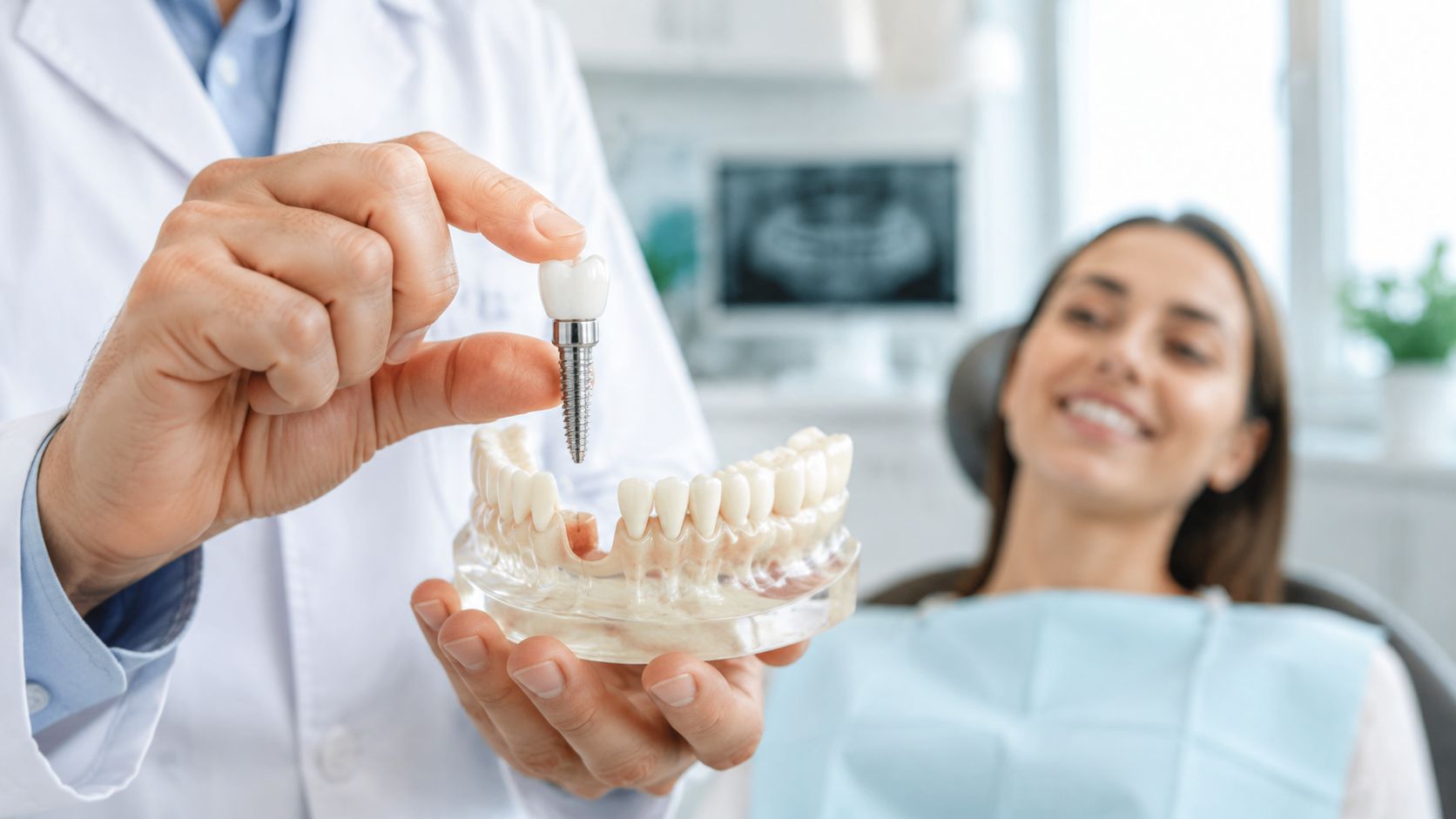
Dental Implant Service Provider
Step 2: A Comprehensive Examination
The next step is a careful examination of your teeth, gums, bite, and the area where the implant may be placed.
Healthy gums and adequate bone support are important for implant success. We also need to evaluate the neighboring teeth and understand how your upper and lower teeth come together when you bite.
If the missing tooth is in the front of the mouth, appearance and gumline symmetry may be major considerations. If it is a back tooth, the implant must be able to handle stronger chewing forces.
Dental imaging may also be needed to evaluate structures beneath the gums. These images help determine the amount of available bone, the location of nearby roots, and other details that are not visible during a routine clinical examination.
Once the evaluation is complete, we can explain whether a dental implant is appropriate and what the overall treatment process may involve.
Step 3: Preparing the Area for Treatment
Some patients are ready for implant placement without additional preparation. Others may need treatment before the implant can be placed.
For example, if a damaged tooth is still present, it may need to be removed first. The area may then need time to heal before the next stage.
If the tooth has been missing for a long time, the bone in that area may have changed. When the available bone is not sufficient to support an implant, additional treatment may be recommended before implant placement.
Gum health must also be addressed. Active gum problems can affect the tissues that support an implant, so those concerns should be managed before moving forward.
The preparation stage is not identical for every patient. Dr. Schneider will explain what is needed in your case and why it matters for the long-term result.
Step 4: Placing the Dental Implant
Once the area is ready, the implant can be placed into the jawbone.
The implant is a small post designed to serve as the foundation for the replacement tooth. It is positioned in the area where the natural tooth root was located.
Before the procedure, we will explain what to expect and answer any remaining questions. Local anesthesia is used to numb the area and help keep you comfortable during treatment.
For patients who experience dental anxiety, our office also offers sedation dentistry when appropriate. We understand that some people need additional support to feel relaxed, and we want every patient to feel respected and informed throughout the process.
After the implant is placed, the area is allowed to begin healing.
Step 5: Allowing the Implant to Heal
Healing is one of the most important parts of dental implant treatment.
During this stage, the bone gradually heals around the implant and creates a secure foundation. This process helps the implant become stable enough to support the final restoration.
The amount of healing time varies. It may depend on the location of the implant, the condition of the bone, the patient’s overall health, and whether any preparatory treatment was required.
Patients sometimes ask why the final tooth cannot be placed immediately. In many cases, allowing the implant to heal properly helps protect the long-term success of the treatment.
At WC Family Dentist, we do not believe in rushing this stage. We would rather allow the appropriate healing time than move forward before the implant is ready.
During the healing period, we will provide instructions for caring for the area. Following those recommendations is important for comfort and healthy recovery.
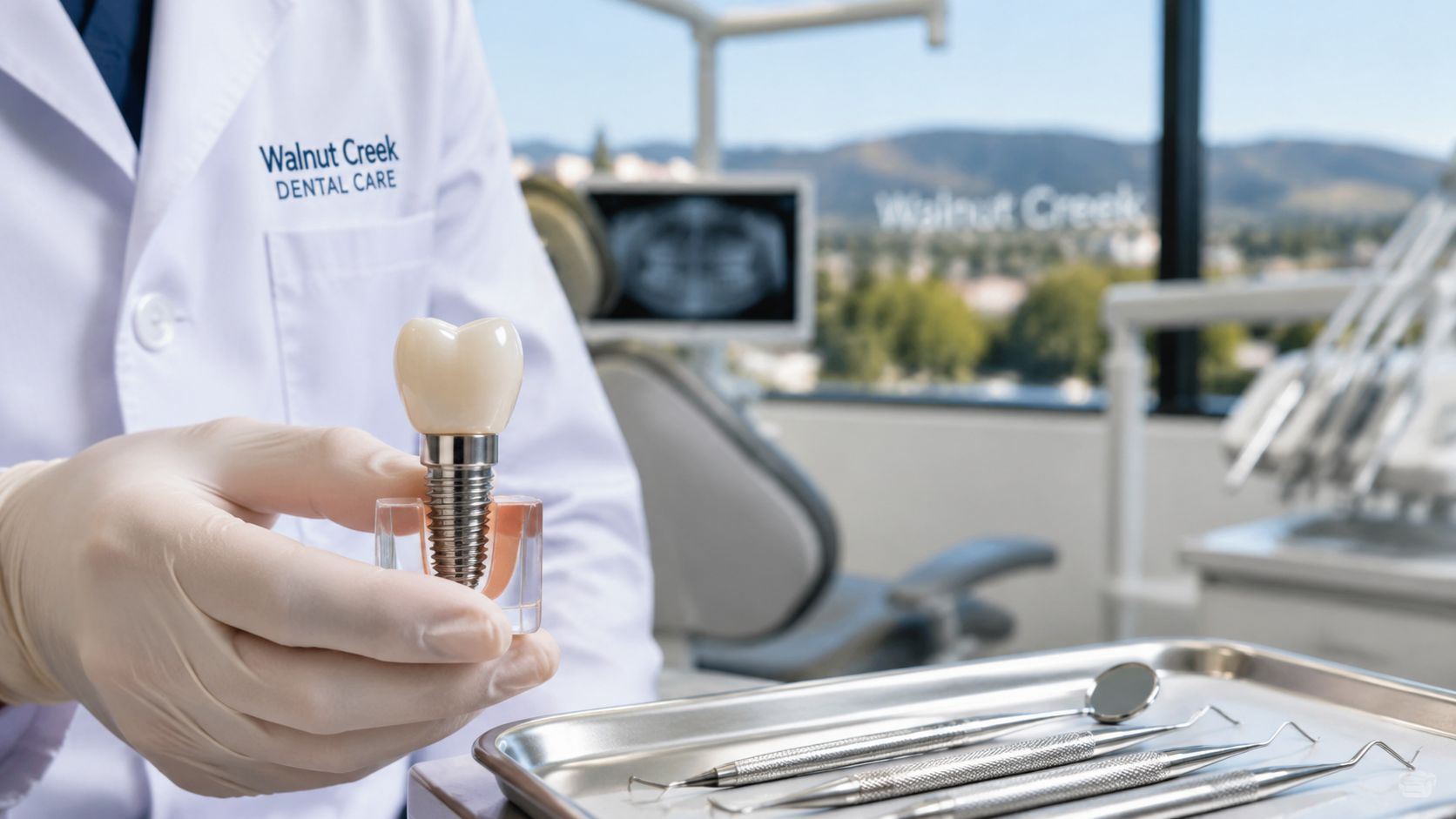
Dental Implant Service
Step 6: Monitoring Your Progress
Follow-up visits allow us to check how the implant area is healing.
During these appointments, we may evaluate the gums, review your comfort, and confirm that the implant is progressing as expected. If you have questions or notice anything unusual, these visits provide an opportunity to discuss those concerns.
Most patients can return to many of their normal activities relatively quickly, although recovery varies from person to person.
It is important to protect the area while it heals and avoid placing unnecessary pressure on it. We will give you specific guidance based on your treatment.
Good oral hygiene also remains essential. Keeping the mouth clean helps support healthy gums and reduces the risk of inflammation around the implant area.
Step 7: Designing the Final Restoration
Once the implant has healed and is stable, the visible replacement tooth can be planned.
The final restoration is designed to fit your mouth and blend with the surrounding teeth. Details such as color, shape, size, and position all matter.
A replacement tooth should not look generic or stand out from the rest of your smile. The goal is to create a restoration that looks balanced and feels comfortable when you bite.
For a front tooth, close attention is paid to appearance, symmetry, and the way the restoration meets the gumline. For a back tooth, strength and chewing function are especially important.
At our office, we consider both appearance and function. A dental implant restoration should help you feel confident when you smile while also allowing you to eat comfortably.
Step 8: Attaching the Replacement Tooth
After the restoration has been completed, it is attached to the implant.
At this stage, Dr. Schneider will check how the replacement tooth fits within your smile and how it contacts the opposing teeth. The bite must feel balanced so the implant does not receive excessive pressure.
Adjustments may be made to improve comfort and function.
Many patients are surprised by how natural the final result feels. Because the implant is anchored within the jawbone, the replacement tooth does not depend on neighboring teeth for support.
Once treatment is complete, you should be able to smile, speak, and chew with greater confidence.
Step 9: Learning How to Care for Your Implant
Dental implants cannot develop cavities, but that does not mean they are maintenance-free.
The gums and bone surrounding the implant must remain healthy. Plaque buildup and inflammation can affect the supporting tissues, which is why daily cleaning and routine dental care remain so important.
A single implant can usually be brushed and cleaned in a way that is similar to a natural tooth. Our team will explain how to care for the area and may recommend specific techniques based on the location of the restoration.
Regular dental cleanings and exams allow us to monitor the implant, the surrounding gums, the bite, and the condition of the visible crown.
The restoration attached to the implant may eventually need maintenance, just as a crown on a natural tooth sometimes does. Ongoing care helps protect the implant and preserve the result for as long as possible.
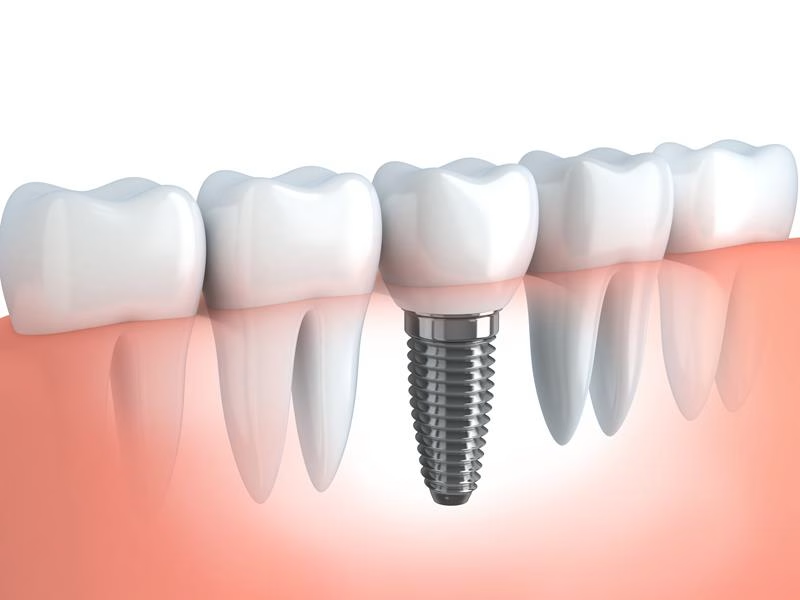
Dental Implant
How Long Does the Dental Implant Process Take?
The overall timeline is different for every patient.
Some patients require only implant placement, healing, and the final restoration. Others may need tooth removal, additional healing, or preparation of the bone or gums before the implant can be placed.
The location of the missing tooth, the condition of the area, and the patient’s healing response can all affect the process.
During your consultation, we will explain the expected stages and give you a clearer understanding of the likely timeline for your case.
It is important to remember that dental implants are designed as a long-term treatment. Although the process may take longer than some other tooth replacement options, many patients feel the stability, appearance, and independence of an implant make the process worthwhile.
Is Dental Implant Treatment Painful?
It is normal to feel some concern about comfort.
The implant placement area is numbed during treatment, and we take steps to help patients feel as comfortable as possible. Some tenderness, swelling, or soreness may occur during the early healing period.
The amount of discomfort varies, but many patients find the recovery more manageable than they expected.
We will provide instructions for caring for the area and explain what symptoms are normal. Patients should contact our office if they have concerns or experience changes that do not seem consistent with the instructions they received.
Clear communication is an important part of care. We want you to feel supported not only during the procedure, but also throughout recovery.
Are Dental Implants Right for Everyone?
Dental implants are an excellent option for many patients, but they are not automatically the best choice for every situation.
Healthy gums, sufficient bone support, good oral hygiene, and overall health all influence whether an implant is appropriate.
Patients must also be willing to commit to the full treatment process and ongoing maintenance.
In some cases, a dental bridge or another restorative option may be more suitable. At WC Family Dentist, our goal is not to recommend the same treatment to everyone. We want to help you understand the available choices and select the option that makes the most sense for your health and goals.
Start Your Dental Implant Journey With Confidence
The dental implant process involves more than placing a replacement tooth. It is a carefully planned series of steps designed to create a stable foundation, support comfortable function, and produce a natural-looking result.
At WC Family Dentist, we provide personalized dental implant care for patients in Walnut Creek and surrounding communities. Dr. William M. Schneider brings more than 25 years of experience to each treatment plan and takes time to explain every recommendation clearly.
Whether you recently lost a tooth or have been living with a gap for years, our office can help you understand your options and determine whether dental implants may be right for you.
Contact WC Family Dentist to schedule a consultation and take the first step toward restoring your smile with confidence.
WC Family Dentist
https://goo.gl/maps/d3H8ow2vWAC4qgZ26
1855 San Miguel Dr STE 31, Walnut Creek, CA 94596, United States
(925) 935-2700
www.wcfamilydentist.com