TMJ Disorder Treatment in Walnut Creek, CA
Jaw pain, clicking, and difficulty chewing can all be signs of a TMJ disorder. At William M. Schneider, DDS, we help patients find relief from the discomfort caused by problems with the jaw joint.
Request an AppointmentWhat Is TMJ Disorder?
Temporomandibular joint (TMJ) disorder refers to problems affecting the joint that connects your jawbone to your skull. This joint allows you to chew, speak, and yawn, so when it isn’t functioning properly, it can affect many parts of daily life. TMJ disorders can be caused by jaw injury, arthritis, misalignment of the teeth or jaw, or habits like teeth grinding.
Common Symptoms
Symptoms of TMJ disorder often include pain or tenderness in the jaw, clicking or popping sounds when opening or closing the mouth, difficulty or discomfort while chewing, and jaw locking or limited range of motion. Some patients also experience headaches or ear pain related to jaw tension.
How We Help
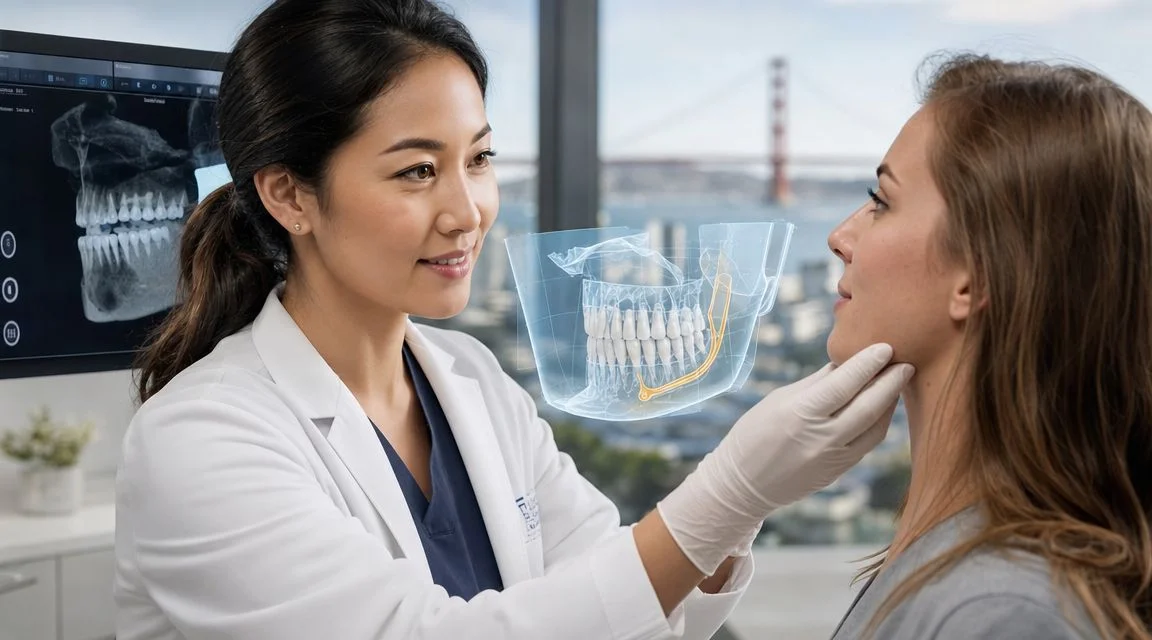
Treatment for TMJ disorder depends on the underlying cause and severity of symptoms. In many cases, a custom oral appliance can help reduce strain on the jaw joint, particularly for patients who grind their teeth at night. During an exam, we’ll evaluate your bite, jaw movement, and symptoms to recommend the most appropriate approach.
TMJ Disorder FAQs
What causes TMJ disorder?
TMJ disorder can be caused by jaw injury, arthritis, misalignment of the teeth or jaw, or habits like teeth grinding.
What are the symptoms of TMJ disorder?
Common symptoms include jaw pain or tenderness, clicking or popping sounds, difficulty chewing, and jaw locking or limited movement.
Can a dentist treat TMJ disorder?
Yes, a dentist can evaluate your bite and jaw function and recommend treatment options, such as a custom oral appliance.
Is TMJ disorder related to teeth grinding?
Yes, teeth grinding (bruxism) is a common contributing factor to TMJ disorder and its symptoms.
Can TMJ disorder cause headaches?
Yes, jaw tension associated with TMJ disorder can contribute to headaches and ear discomfort in some patients.
How is TMJ disorder diagnosed?
Diagnosis typically involves an evaluation of your jaw movement, bite alignment, and reported symptoms during a dental exam.
How do I schedule a TMJ evaluation?
You can request an appointment online through our appointments page or call us directly at (925) 935-2700.
Find Relief From Jaw Pain
Call William M. Schneider, DDS at (925) 935-2700 or request an appointment online to schedule a TMJ evaluation.
TMJ Disorder Treatment in Walnut Creek, CA
Jaw pain, clicking, and difficulty chewing can all be signs of a TMJ disorder. At William M. Schneider, DDS, we help patients find relief from the discomfort caused by problems with the jaw joint.
Request an AppointmentWhat Is TMJ Disorder?
Temporomandibular joint (TMJ) disorder refers to problems affecting the joint that connects your jawbone to your skull. This joint allows you to chew, speak, and yawn, so when it isn’t functioning properly, it can affect many parts of daily life. TMJ disorders can be caused by jaw injury, arthritis, misalignment of the teeth or jaw, or habits like teeth grinding.
Common Symptoms
Symptoms of TMJ disorder often include pain or tenderness in the jaw, clicking or popping sounds when opening or closing the mouth, difficulty or discomfort while chewing, and jaw locking or limited range of motion. Some patients also experience headaches or ear pain related to jaw tension.
How We Help
Treatment for TMJ disorder depends on the underlying cause and severity of symptoms. In many cases, a custom oral appliance can help reduce strain on the jaw joint, particularly for patients who grind their teeth at night. During an exam, we’ll evaluate your bite, jaw movement, and symptoms to recommend the most appropriate approach.
TMJ Disorder FAQs
What causes TMJ disorder?
TMJ disorder can be caused by jaw injury, arthritis, misalignment of the teeth or jaw, or habits like teeth grinding.
What are the symptoms of TMJ disorder?
Common symptoms include jaw pain or tenderness, clicking or popping sounds, difficulty chewing, and jaw locking or limited movement.
Can a dentist treat TMJ disorder?
Yes, a dentist can evaluate your bite and jaw function and recommend treatment options, such as a custom oral appliance.
Is TMJ disorder related to teeth grinding?
Yes, teeth grinding (bruxism) is a common contributing factor to TMJ disorder and its symptoms.
Can TMJ disorder cause headaches?
Yes, jaw tension associated with TMJ disorder can contribute to headaches and ear discomfort in some patients.
How is TMJ disorder diagnosed?
Diagnosis typically involves an evaluation of your jaw movement, bite alignment, and reported symptoms during a dental exam.
How do I schedule a TMJ evaluation?
You can request an appointment online through our appointments page or call us directly at (925) 935-2700.
Find Relief From Jaw Pain
Call William M. Schneider, DDS at (925) 935-2700 or request an appointment online to schedule a TMJ evaluation.