The Gentle Way to a Healthy Smile: Finding a Sedation Dentist Near You
For many people, the mere thought of a dental appointment triggers a racing heart and sweaty palms. If you find yourself postponing check-ups or enduring tooth pain simply to avoid the dentist’s chair, you are not alone. Dental anxiety is a common phenomenon that prevents countless individuals from receiving the essential oral care they need.
The consequences of avoiding dental visits can be severe, ranging from gum disease and tooth loss to broader health issues like heart disease and diabetes. Fortunately, modern dentistry offers a solution that transforms fear into relaxation: sedation dentistry. This approach allows patients to undergo complex procedures and routine cleanings alike without the stress and discomfort usually associated with dental work.
Finding a qualified sedation dentist near you can be the first step toward reclaiming your oral health. By understanding how sedation works, the different options available, and what to look for in a provider, you can make an informed decision that prioritizes both your physical health and your peace of mind.
Introduction to Dental Anxiety and the Benefits of Sedation
Dental anxiety is more than just “hating the dentist.” It is a genuine psychological reaction that can stem from various sources. For some, it is a fear of pain. For others, it is the feeling of loss of control or negative past experiences. The sounds of drills, the clinical smells, and even the invasion of personal space can all contribute to a heightened state of stress.
When anxiety prevents you from visiting the dentist, minor issues often escalate into major problems. A small cavity that could be filled in twenty minutes might eventually require a root canal or extraction if left untreated. This cycle of avoidance and worsening health only reinforces the fear, making it even harder to return.
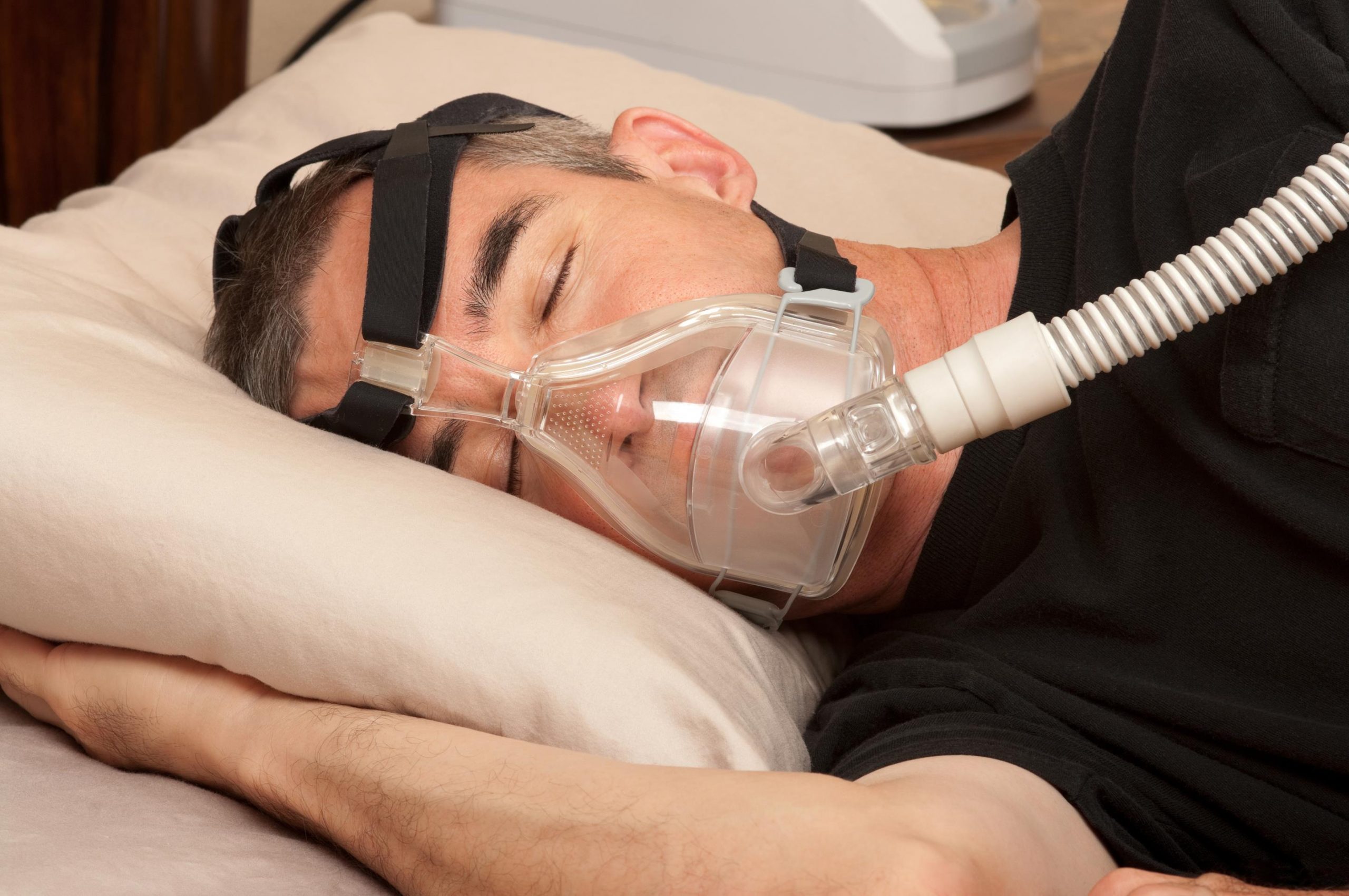
Sedation dentistry breaks this cycle. By using medication to help patients relax, dentists can perform necessary treatments while the patient remains calm and comfortable. The benefits extend beyond just anxiety relief:
- Pain Control: While local anesthetic numbs the specific area, sedation alters the perception of pain and discomfort, making the entire experience more pleasant.
- Gag Reflex Control: For patients with a sensitive gag reflex, dental work can be torture. Sedation relaxes the throat muscles, allowing the dentist to work efficiently without triggering the reflex.
- Time Efficiency: Because the patient is relaxed and still, dentists can often perform more work in a single sitting. This means fewer appointments and faster results.
- Memory Amnesia: Many sedation medications have an amnesic effect. Patients often have little to no memory of the procedure, leaving them with the feeling that the appointment lasted only a few minutes.
Understanding the Different Types of Dental Sedation
Sedation is not a one-size-fits-all solution. Different levels of sedation are available depending on the patient’s anxiety level and the complexity of the procedure. A qualified sedation dentist will review your medical history and discuss your fears to determine the best option for you.
Nitrous Oxide (Laughing Gas)
This is the most common and mildest form of sedation. You inhale a mixture of nitrous oxide and oxygen through a mask placed over your nose. Within minutes, you feel a sense of euphoria and relaxation. The dentist can adjust the level of sedation throughout the procedure. One of the biggest advantages of nitrous oxide is that it wears off quickly. Once the gas is turned off, the effects dissipate within minutes, allowing you to drive yourself home.
Oral Conscious Sedation
For moderate anxiety, oral sedation is often the preferred method. You take a prescribed pill (usually a benzodiazepine like Halcion or Valium) about an hour before your appointment. By the time the procedure begins, you will feel drowsy and deeply relaxed. You remain awake and can respond to commands, but your motor skills and memory will be affected. Because the effects linger, you will need a friend or family member to drive you to and from the appointment.
IV Sedation
Intravenous (IV) sedation provides a deeper level of relaxation. The medication is administered directly into the bloodstream, allowing it to work quickly. The dentist can adjust the dosage in real-time to ensure you remain comfortable. While you are technically conscious, many patients drift into a light sleep and have little recollection of the treatment. This method requires careful monitoring of heart rate, blood pressure, and oxygen levels. Like oral sedation, you will need a driver to take you home.
General Anesthesia
This is the deepest form of sedation, where you are completely unconscious. It is typically reserved for oral surgery or for patients with extreme anxiety or special needs who cannot cooperate during treatment. General anesthesia is usually administered in a hospital setting or a specialized surgical center by an anesthesiologist or a dental anesthesiologist.
How Sedation Dentistry Enhances Patient Comfort and Care
The primary goal of sedation dentistry is to create a positive environment where oral health is no longer a source of dread. It shifts the focus from “getting through” an appointment to actually receiving comprehensive care.
When a patient is sedated, their muscles relax. This is crucial for long procedures where keeping the jaw open for extended periods can cause soreness or temporomandibular joint (TMJ) pain. The relaxation prevents the jaw muscles from locking up or becoming fatigued.
Furthermore, sedation allows the dentist to focus entirely on the technical aspects of the procedure. When a patient is anxious, they may fidget, move unexpectedly, or need frequent breaks. This can prolong the treatment and make precise work more difficult. A relaxed patient allows the dentist to work with greater efficiency and precision, leading to better clinical outcomes.
This enhanced comfort also encourages preventative care. Once a patient realizes that a dental visit doesn’t have to be a traumatic event, they are more likely to schedule regular cleanings and check-ups. This shift from reactive to proactive care is the key to long-term oral health.
Why Choose William Schneider DDS Inc. for Your Procedure
When looking for a dental practice that prioritizes patient comfort and safety, William Schneider DDS Inc. stands out as a premier choice. Dr. Schneider and his team understand that dental anxiety is a significant barrier for many patients, and they have built their practice around compassionate, judgment-free care.
Located centrally for ease of access, William Schneider DDS Inc. offers a comprehensive range of sedation options tailored to individual needs. Whether you need a simple cleaning but have a strong gag reflex, or require extensive restorative work and suffer from high anxiety, Dr. Schneider has the expertise to make your visit comfortable.
The practice is equipped with state-of-the-art monitoring technology to ensure patient safety during sedation procedures. Dr. Schneider takes the time to consult with every patient extensively before any treatment begins. This consultation is not just about checking teeth; it is about understanding the person behind the smile. By listening to your concerns and explaining the sedation process in detail, the team at William Schneider DDS Inc. builds a foundation of trust that is essential for overcoming dental fear.
Choosing the right provider is about more than just credentials; it is about finding a team that makes you feel heard and respected. The testimonials from Dr. Schneider’s patients consistently highlight the gentle approach and the transformative impact of painless dentistry on their lives.
Criteria for Selecting a Qualified Sedation Dentist Near You
If you are not located near William Schneider DDS Inc., finding a qualified sedation dentist in your area requires some research. Not all dentists are certified to offer all types of sedation. Here are the key criteria you should evaluate:
Training and Certification
Sedation dentistry requires specialized training beyond standard dental school education. Verify that the dentist has completed accredited training programs for the specific type of sedation they offer. For IV sedation, ensuring they have an up-to-date permit from the state dental board is crucial.
Experience
Ask how long the dentist has been practicing sedation dentistry and how frequently they perform procedures using sedation. Experience builds competence in managing patient responses and adjusting dosages for optimal comfort and safety.
Office Safety Measures
A safe sedation practice must be equipped to handle emergencies. Ask about the monitoring equipment used during procedures (pulse oximeters, blood pressure monitors, etc.) and whether the staff is trained in Advanced Cardiac Life Support (ACLS). The presence of emergency medication and oxygen in the treatment room is non-negotiable.
Comprehensive Consultation
Avoid any dentist who is willing to prescribe sedation without a thorough review of your medical history. They need to know about any medications you are taking, existing health conditions, and previous experiences with anesthesia. A good dentist will require a dedicated consultation appointment to discuss these factors.
Patient Reviews
Read online reviews specifically looking for comments about anxiety and sedation. Other patients’ experiences can give you insight into the dentist’s chairside manner. Look for phrases like “didn’t feel a thing,” “woke up and it was over,” and “finally cured my fear.”
Safety Protocols and Frequently Asked Questions About Sedation
Safety is the paramount concern in sedation dentistry. Rigorous protocols are in place to ensure patient well-being from the moment they arrive until they are safely home.
- Pre-Procedure Assessment: Before any sedation appointment, the dental team will confirm that you have followed pre-operative instructions, such as fasting (usually required for IV and oral sedation) to prevent nausea.
- Intra-Operative Monitoring: During the procedure, your vital signs are constantly tracked. The dentist and a trained assistant will monitor your oxygen saturation, heart rate, and blood pressure. This allows them to detect any physiological changes immediately.
- Post-Procedure Recovery: You will not be rushed out the door. Patients are kept in a recovery area until the effects of the sedation have worn off sufficiently and their vital signs are stable.

Dental Sedation
Frequently Asked Questions
Is sedation dentistry safe for children?
Yes, when administered by a trained pediatric dentist. Nitrous oxide is very common and safe for children. Deeper sedation requires careful evaluation of the child’s health and airway.
Will I be unconscious?
Only with general anesthesia. With oral and IV sedation, you are conscious and can breathe on your own, but you are in a state of deep relaxation and may doze off.
Does insurance cover sedation?
It depends. Many insurance plans cover nitrous oxide or sedation for surgical procedures (like wisdom teeth removal). However, sedation for routine dentistry is sometimes considered a “luxury” and may be an out-of-pocket expense. It is best to check with your provider and the dental office’s billing department.
Can I drive myself home?
Only if you receive nitrous oxide alone. For oral conscious sedation and IV sedation, the lingering effects of the medication make driving unsafe. You must arrange for a responsible adult to transport you.
Transforming Your Oral Health Journey with Stress-Free Visits
Don’t let anxiety stand in the way of a healthy smile. Sedation dentistry makes dental care stress-free, turning procedures like root canals, crown preparations, and deep cleanings into calm, comfortable experiences. Providers like William Schneider DDS Inc. or a qualified sedation dentist near you can help you take the first step toward better oral health without fear. Your smile is key to your overall well-being—discover how modern, gentle dentistry can transform your experience and confidence. A healthier, brighter smile is just one appointment away!
William M. Schneider, D.D.S.
https://goo.gl/maps/d3H8ow2vWAC4qgZ26
1855 San Miguel Dr STE 31, Walnut Creek, CA 94596, United States
(925) 935-2700
www.wcfamilydentist.com