How Dental Implants and Periodontics Work Hand-in-Hand
Modern dentistry combines multiple specialties to restore both the function and the aesthetics of a smile. Patients looking to replace missing teeth often discover that successful treatment requires more than just placing an artificial tooth. The integration of periodontics ensures that the supporting structures of the mouth are healthy enough to sustain long-term restorations.
Dental implants rely heavily on healthy gums and a robust bone structure to function properly. These foundational elements are the core focus of periodontics, a specialized field dedicated to the soft tissues and bone surrounding the teeth. Without a strong biological foundation, even the most advanced dental hardware cannot succeed.
This comprehensive guide explores how these two vital fields work together to create long-lasting, successful outcomes for patients. Readers will learn about the specialized role of periodontists, the preparation required for surgery, and the ongoing maintenance needed to protect dental restorations over time.
The Role of Periodontists in Dental Implant Success
Specialized Training
Periodontists are uniquely qualified to handle the complexities of dental implants due to their extensive advanced education. After dental school, these specialists complete several additional years of training focused specifically on the gums, jawbone, and surgical implant placement. This deep understanding of oral anatomy allows them to execute complex procedures with a high degree of predictability.
Assessing Gum and Bone Health
Before any surgical procedure begins, a thorough evaluation of the patient’s foundation is absolutely essential. A periodontist examines the density of the jawbone and the health of the gingival tissues to ensure they can adequately support an implant. Identifying and treating any underlying disease at this stage prevents premature failure of the restoration.
Precision and Expertise
Periodontists ensure long-term success through meticulous planning and precise execution during the surgical phase. Utilizing advanced imaging technology, they map out the exact angle and depth required for optimal placement. This exactness minimizes trauma to the surrounding tissues and creates an ideal environment for the artificial root to integrate with the jaw.
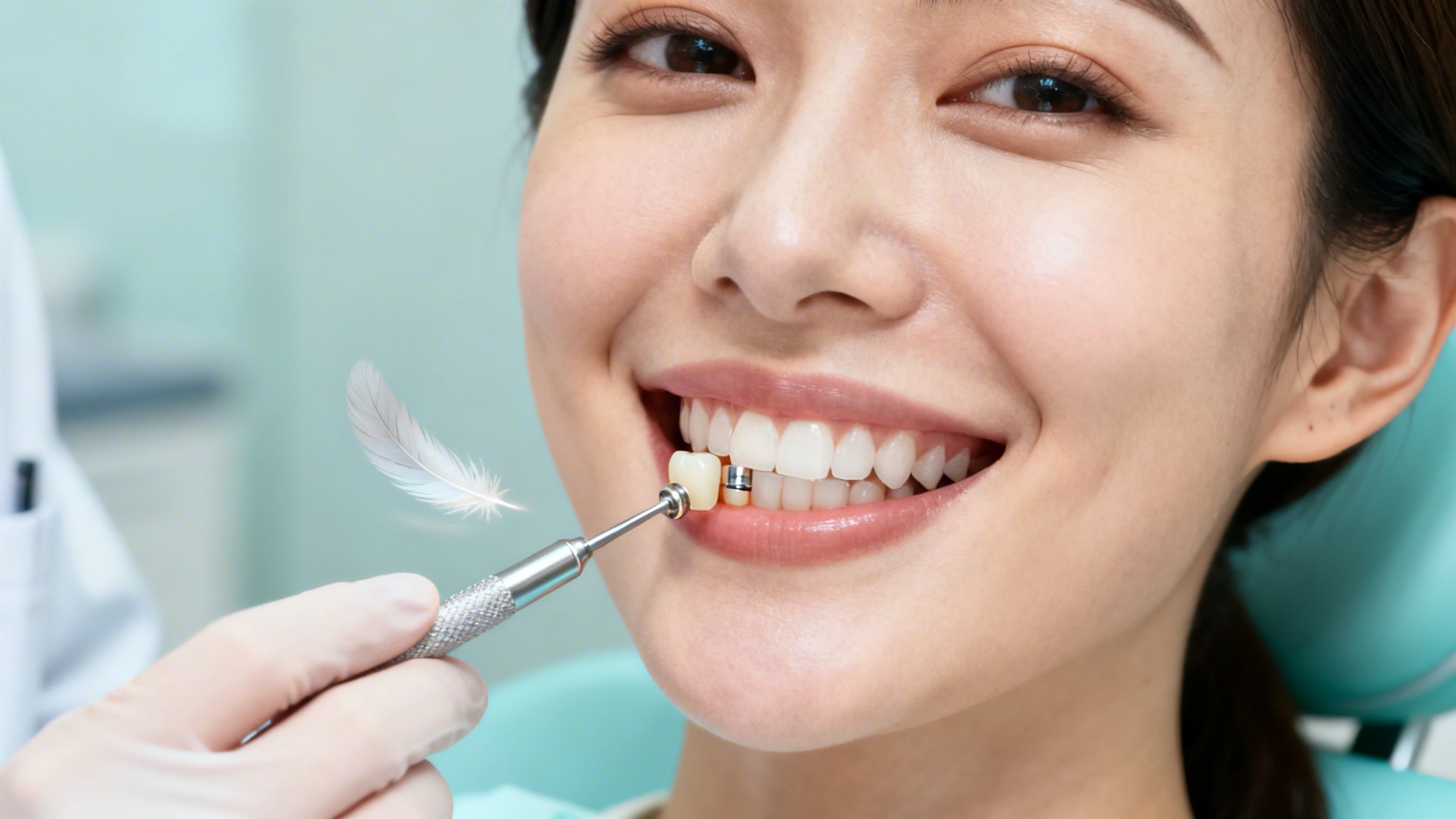
Dental Implants and Periodontics
Preparing for Dental Implants: The Periodontic Approach
Bone Grafting for a Strong Foundation
Bone grafting restores jawbone density to provide the necessary support for an implant to anchor securely. When a tooth is lost, the surrounding bone often begins to deteriorate, leaving insufficient volume for a successful procedure. By adding grafting material to the area, periodontists rebuild the skeletal structure to bear the mechanical forces of chewing.
Gum Health Optimization
Treating active gum disease before beginning the implant process is a critical step in achieving a healthy outcome. Pathogenic bacteria in the mouth can easily travel to the surgical site, causing an infection that jeopardizes the entire procedure. Eliminating periodontal disease ensures the surgical environment is clean and conducive to proper healing.
Customized Treatment Plans
Periodontists tailor their preparations to meet the unique anatomical and biological needs of each individual patient. Because no two mouths are identical, a one-size-fits-all approach to oral surgery simply does not work. Customizing the preparatory timeline ensures that all foundational issues are addressed completely before moving forward with placement.
The Implant Placement Process: A Periodontist’s Perspective
Step-by-Step Precision
The surgical process of placing dental implants involves carefully inserting a titanium post directly into the jawbone. A periodontist makes a small incision in the gum tissue, prepares the bone site, and securely positions the implant body. The area is then closed to allow the integration process, known as osseointegration, to begin.
Minimizing Risks and Complications
Periodontists use advanced surgical techniques and 3D imaging to ensure safety and minimize the risk of complications. By avoiding critical anatomical structures such as nerves and sinus cavities, they significantly reduce postoperative discomfort. This high level of control throughout the procedure leads to highly predictable and successful outcomes.
Post-Surgery Care
Follow-up care is extremely important to promote proper healing and ensure the implant integrates successfully with the bone. Patients receive detailed instructions on how to keep the surgical site clean while avoiding excess pressure on the healing tissues. Regular monitoring appointments allow the specialist to verify that the foundation is solidifying exactly as planned.
How Periodontics Enhances Implant Longevity
Maintaining Healthy Gums
Regular periodontal care prevents bacterial infections around implants, keeping the soft tissues firm and resilient. Just like natural teeth, artificial restorations require diligent oral hygiene and professional cleanings to remove plaque and tartar buildup. A periodontist provides specialized maintenance routines to protect the vulnerable junction where the gum meets the crown.
Monitoring Bone Health
Periodontists play a vital role in ensuring the jawbone remains strong and stable over the life of the patient. Routine radiographic imaging allows specialists to check for any signs of bone loss around the titanium post. Maintaining optimal bone density is necessary to keep the restoration securely locked in place for decades.
Addressing Complications Early
Identifying and treating issues before they escalate allows periodontists to save implants that might otherwise fail. Early signs of inflammation or minor bone loss can often be reversed with targeted therapies and improved home care. Prompt intervention stops the progression of disease and preserves the structural integrity of the patient’s smile.

Dental Implants and Periodontics Treatment
The Connection Between Gum Disease and Implant Failure
Peri-Implantitis: The Silent Threat
Peri-implantitis is an infectious disease that causes inflammation in the gums and progressive bone loss around a dental implant. If left untreated, the supporting structures deteriorate until the titanium post eventually becomes loose and fails. This condition often develops without causing immediate pain, making routine professional monitoring essential for early detection.
Prevention Through Periodontics
Periodontists help patients avoid peri-implantitis by establishing aggressive preventive care protocols from the very beginning. Strict oral hygiene regimens, combined with specialized instruments used during professional cleanings, keep the bacterial load in the mouth low. Proactive management of the soft tissues is the absolute best defense against implant-related infections.
Treatment Options for Compromised Implants
Advanced periodontal techniques exist to save and restore implants that have been affected by severe gum disease. Specialists utilize laser therapies, deep cleaning methods, and sometimes minor surgical interventions to decontaminate the affected surface. These targeted treatments can halt bone loss and encourage the surrounding tissues to reattach to the artificial root.
The Aesthetic Benefits of Combining Periodontics and Implants
Restoring Natural Smiles
Periodontists ensure that implants blend seamlessly with natural teeth, creating a visually pleasing and harmonious appearance. The way the gum tissue drapes around the crown is just as important as the color and shape of the tooth itself. Proper management of the soft tissues results in a restoration that looks completely natural to the naked eye.
Gum Contouring for a Balanced Look
Gum reshaping, or contouring, dramatically enhances the final appearance of implants by creating symmetry across the smile line. If the gum tissue is uneven or receded, the periodontist can sculpt the area to frame the artificial tooth perfectly. This attention to detail prevents the restoration from looking unusually long or out of place.
Confidence Through Expertise
Patients achieve beautiful, highly functional smiles when they trust their care to the expertise of a periodontist. Knowing that the underlying foundation is secure gives individuals the confidence to eat, speak, and laugh without hesitation. The combination of structural stability and aesthetic excellence provides a life-changing boost to personal self-esteem.
Why Choose William Schneider DDS Inc. for Implants and Periodontics
Comprehensive Care Under One Roof
William Schneider DDS Inc. combines periodontics and implant expertise to provide a truly seamless treatment experience. Patients benefit from having all phases of their surgical and restorative care managed by a cohesive team of dental professionals. This integrated approach eliminates the need to travel between different offices and ensures consistent communication throughout the entire process.
State-of-the-Art Technology
The practice utilizes advanced tools and diagnostic techniques to ensure total precision and maximum patient comfort. High-resolution 3D imaging and specialized surgical instruments allow for highly accurate planning and minimally invasive procedures. Investing in modern technology translates directly to faster healing times and more predictable surgical outcomes.
Patient-Centered Approach
A strong commitment to personalized care ensures long-term success for every individual who walks through the doors. The staff at William Schneider DDS Inc. takes the time to educate patients, answer questions, and design tailored treatment strategies. This supportive environment empowers individuals to make informed decisions about their ongoing oral health journey.
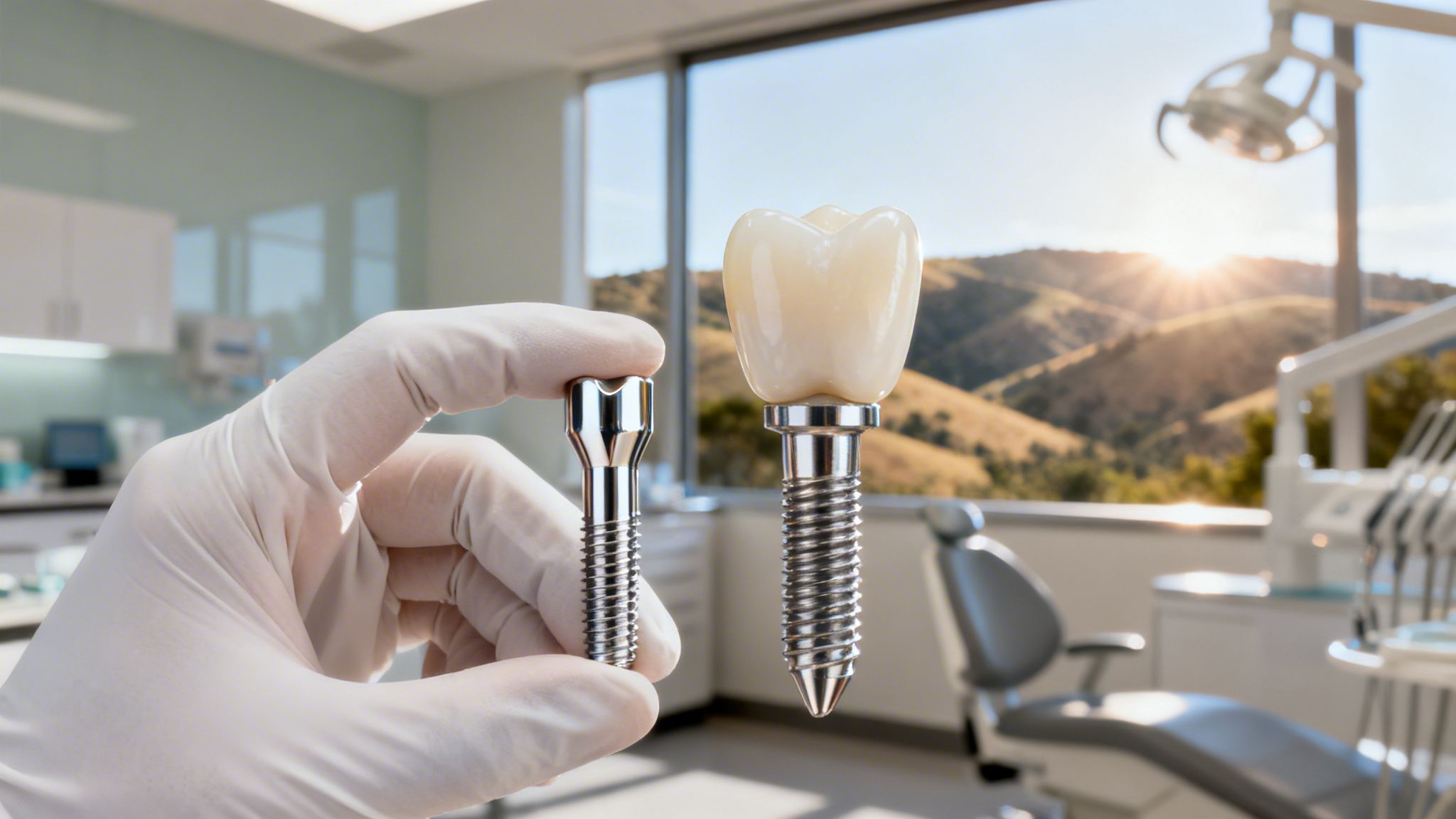
Dental Implants & Periodontics
Securing Your Oral Health Future
Dental implants and periodontics work together perfectly to restore optimal oral health and personal confidence. A strong biological foundation is the absolute key to supporting long-lasting, highly functional artificial teeth. By respecting the intricate relationship between bone, gums, and restorations, patients can enjoy a lifetime of healthy smiles.
Scheduling a consultation with William Schneider DDS Inc. is the best way to explore your tooth replacement options. A thorough evaluation will reveal exactly what steps are necessary to prepare your mouth for a successful procedure. Professional guidance takes the guesswork out of the process and sets you on the path to complete restoration.
Combining expert periodontics and modern dental implants holds the transformative power to completely revitalize your quality of life. Regaining full dental function allows you to enjoy your favorite foods and speak with total clarity once again. With the right foundational care, your new smile will remain strong, beautiful, and secure for decades to come.
William M. Schneider, D.D.S.
https://goo.gl/maps/d3H8ow2vWAC4qgZ26
1855 San Miguel Dr STE 31, Walnut Creek, CA 94596, United States
(925) 935-2700
www.wcfamilydentist.com