From Pain to Protection: When Root Canal Treatment Saves Your Smile
Part of easing your concerns is understanding what a root canal actually involves. Hearing you need this procedure often brings unnecessary worry, but recognizing its purpose helps you feel more confident about your care. Many patients associate endodontic therapy with discomfort, yet the reality is quite the opposite. Modern dental techniques have transformed this standard procedure into a straightforward process designed to eliminate the severe discomfort caused by an infected tooth.
This therapy is a highly effective way to relieve severe pain and rescue a tooth that might otherwise need an extraction. When the soft tissue inside your tooth becomes inflamed or infected, leaving it untreated allows the problem to worsen. Removing the damaged tissue stops the infection in its tracks and preserves the natural structure of your jaw. Keeping your natural tooth in place supports your overall oral health and maintains your normal biting force for years to come.
Understanding the entire process can help you feel completely at ease before sitting in the dental chair. In this guide, you will learn how to identify the early warning signs of infection and understand your tooth’s internal anatomy. You will also discover the dangers of delaying treatment, how the procedure works, and why placing a final restoration protects your oral health for the long term.
Recognizing the Early Warning Signs
Identify persistent toothaches
A deep, continuous ache that radiates to your jaw or face serves as a primary indicator of internal tooth distress. This type of pain often feels like a constant throbbing that worsens when you chew or apply pressure to the affected area. It can disrupt your sleep and make daily activities incredibly difficult to manage.
Monitor temperature sensitivity
Lingering pain after consuming hot or cold foods suggests the nerves inside your tooth are damaged. You might notice that taking a sip of hot coffee or eating a scoop of ice cream causes a sharp pain that lasts for several minutes after the temperature trigger is removed. This prolonged reaction happens because the protective layers of your tooth have been compromised, exposing the highly sensitive nerve endings to extreme temperature changes.
Check for gum swelling
Look for tender, swollen, or darkened gums near the painful tooth, which often signals an underlying infection. You may notice a small bump that resembles a pimple on your gum line, which can occasionally release a bad-tasting fluid into your mouth. This localized swelling indicates that your body is actively fighting off bacteria that have accumulated near the root tip.
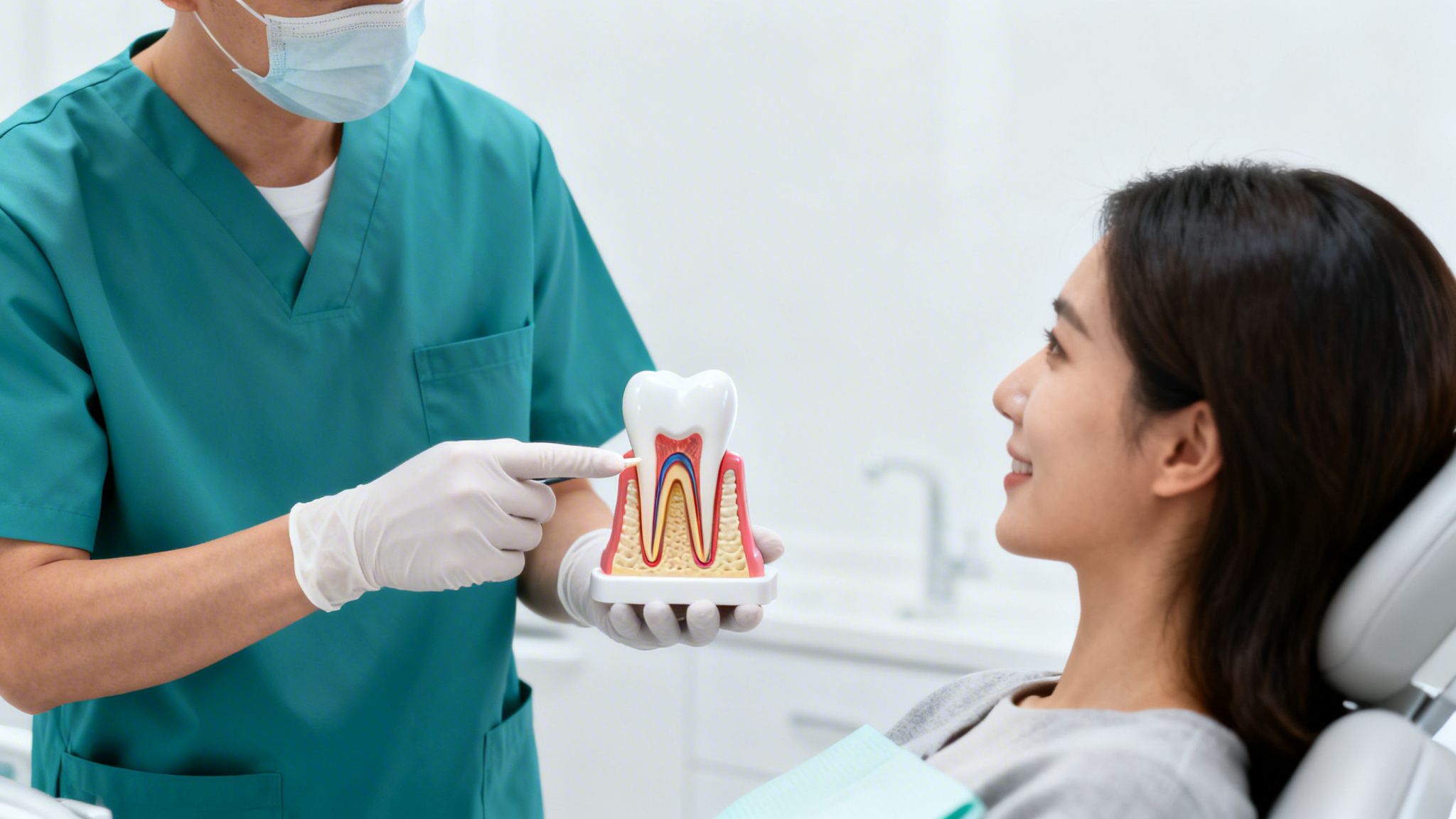
Root Canal Treatment
Understanding Your Tooth’s Inner Anatomy
Define the dental pulp
The center of your tooth contains the dental pulp, a vital tissue composed of nerves, blood vessels, and connective tissues. During the early stages of a tooth’s life, this pulp is essential for healthy development and growth. It provides necessary nutrients and sensory functions that help the tooth mature properly within your jaw.
Explain the root structure
The roots anchor your tooth to the jawbone and house the narrow canals where the dental pulp lives. Depending on the type of tooth, you may have one to four roots extending deep into your bone tissue. These roots contain microscopic pathways that connect the inner pulp chamber to the surrounding tissues of your jaw.
Detail the infection process
Deep decay or a cracked tooth allows harmful bacteria to breach the hard outer enamel and infect the vulnerable pulp inside. When a cavity is left untreated, it slowly eats away at the protective dentin until it reaches the soft center of the tooth. Similarly, physical trauma can cause microscopic fractures that provide a direct pathway for bacteria to enter the pulp chamber.
The Danger of Delaying Treatment
Preventing painful abscesses
Ignoring dental pain can lead to a pus-filled pocket at the tip of the root, causing intense discomfort and swelling. This condition, known as a dental abscess, occurs when an infection has nowhere else to drain. An abscess can cause swelling that extends to your face, neck, or head, creating a medical situation that requires immediate attention.
Stopping the spread of bacteria
An untreated infection can move beyond the tooth, affecting your jawbone and potentially your overall health. The bacteria responsible for your toothache do not remain confined to the root canals; they can seep into the surrounding bone tissue and cause structural deterioration. In severe cases, these localized infections can enter the bloodstream and impact other areas of your body.
Avoiding total tooth loss
Early intervention is the most reliable way to save your natural tooth and avoid the need for an extraction and artificial replacement. Once a tooth is severely compromised, pulling it might seem like the easiest solution, but missing teeth can lead to bone loss and shifting of adjacent teeth. Replacing an extracted tooth with an implant or bridge requires more time, expense, and dental visits than saving it.
Demystifying the Root Canal Procedure
Accessing the infected area
The initial step requires the dentist to create a small, precise opening in the crown of the tooth to reach the diseased pulp. Your dental provider uses specialized tools to carefully remove any existing decay or compromised tooth structure before entering the pulp chamber. This access hole acts as a gateway, allowing the dentist to clearly view the internal anatomy and begin the cleaning process.
Cleaning and shaping the canals
Specialized, precise instruments are used to carefully remove the bacteria and infected tissue from the root canals. The dentist or endodontic specialist uses tiny files to scrub the inner walls of the canals, ensuring all damaged nerve tissue and debris are completely cleared away. Antimicrobial solutions are frequently flushed through the canals to disinfect the area and dissolve any remaining organic matter.
Sealing the empty space
The cleaned canals are filled with a biocompatible material to prevent future bacterial contamination and restore internal stability. A rubber-like material called gutta-percha is placed into the empty spaces and sealed with an adhesive cement to ensure a tight fit against the canal walls. This secure seal blocks any new bacteria from re-entering the tooth through the root pathways.
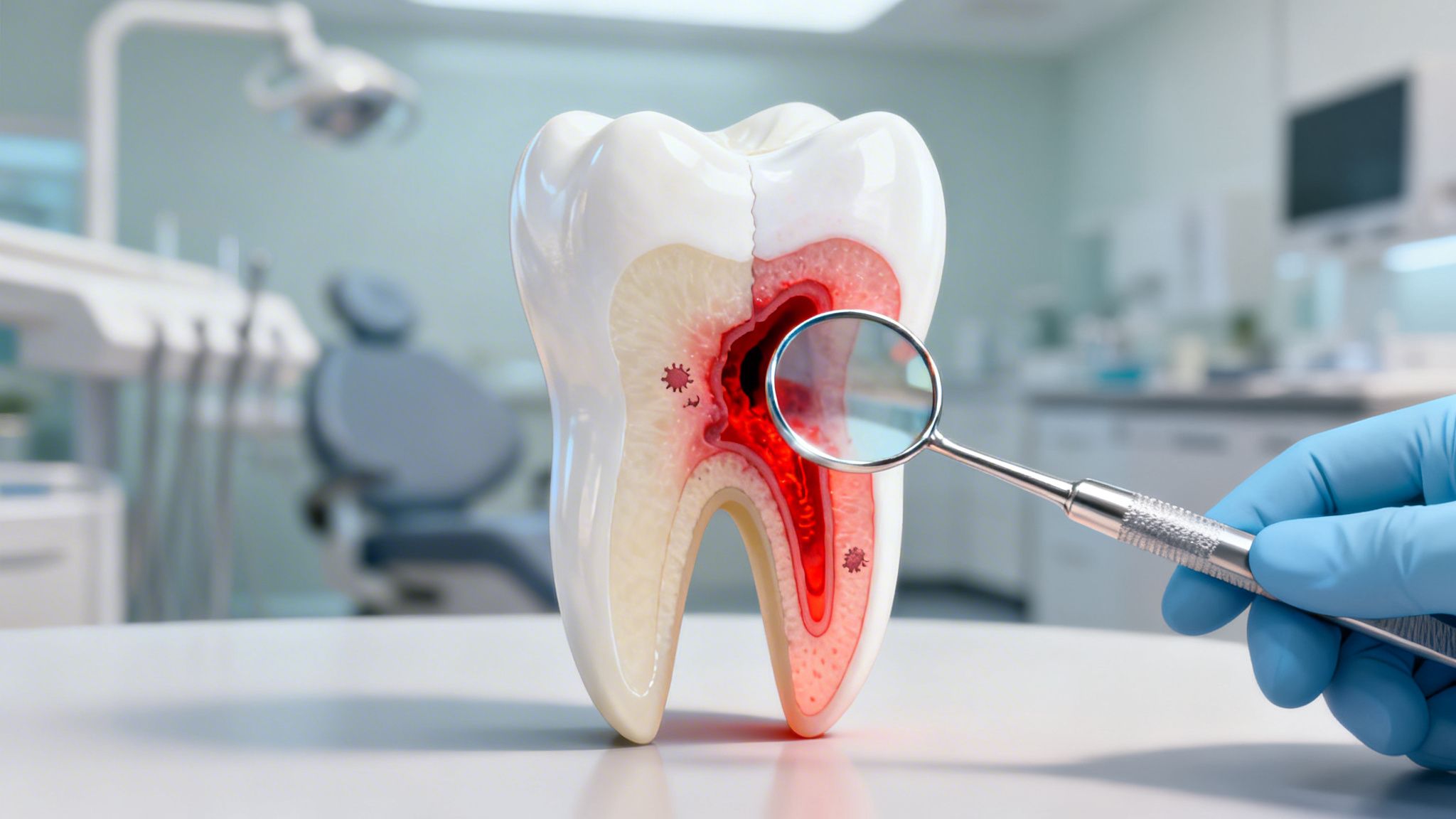
Root Canal Therapy
Prioritizing Patient Comfort and Pain Management ,
Administering effective local anesthesia
Modern numbing agents work quickly to ensure you remain completely comfortable throughout the entire procedure. Before any work begins, the dental team applies a topical gel to numb your gums, followed by a local anesthetic injection that targets the specific tooth and surrounding tissues.
Creating a calming environment
A quiet, professional setting helps reduce stress, allowing you to relax while the dental team works to save your tooth. Dental offices are designed with patient comfort in mind, offering soothing atmospheres that ease the anxiety often associated with dental visits. Many practices provide supportive amenities like comfortable seating, calming music, or blankets to help you feel completely at ease.
The William Schneider DDS Inc. approach
William Schneider DDS Inc. focuses on providing friendly, compassionate service for every individual who walks through the door. The team ensures your comfort is centered at every step, making the process as smooth and pain-free as possible. From clearly explaining the procedure beforehand to closely monitoring your comfort levels during treatment, the staff prioritizes a positive patient experience.
Securing the Tooth with a Final Restoration
Understanding the need for a crown
A tooth becomes brittle after a root canal treatment and requires a protective cover to restore its structural integrity. Because the nourishing pulp has been removed, the remaining hard tissue can dry out over time and become highly susceptible to cracking or breaking under normal chewing pressure. A dental crown acts as a strong, protective helmet that encases the entire visible portion of the tooth.
Restoring full bite function
A custom-fitted crown allows you to chew and speak normally without fear of fracturing the treated tooth. The dental laboratory crafts your crown using precise impressions of your mouth, ensuring it fits perfectly against your opposite teeth and aligns correctly with your natural bite. Once the permanent crown is securely bonded into place, the tooth regains its original strength and functionality.
Achieving a natural look
Modern restorative materials are color-matched to your surrounding teeth, providing an effective and natural-looking finish. Dental technicians use high-quality ceramics and porcelains that mimic the light-reflecting properties of natural dental enamel. The shape, size, and shade of the crown are customized to blend perfectly with your unique smile, making it virtually impossible for anyone to notice you have had dental work done.
Separating Common Myths from Facts
Addressing the pain myth
The procedure relieves the severe pain of a toothache rather than causing it, similar to getting a standard filling. Many people hold onto outdated beliefs that endodontic therapy is excruciating, but advancements in anesthetics and techniques have made this entirely untrue.
Debunking the extraction myth
Saving your natural tooth with endodontic therapy is always preferable to pulling it, as it maintains your natural jaw structure. Extracting a tooth creates a gap that forces surrounding teeth to shift out of alignment, which can lead to bite problems and difficulties with chewing.
Dismissing the illness myth
Reassure yourself by debunking outdated claims that root canals cause systemic illness, citing clear evidence that the treatment is safe and effective. In the early 20th century, a poorly conducted study suggested that treated teeth harbored bacteria that caused diseases elsewhere in the body, but modern medical science has thoroughly disproven this idea.
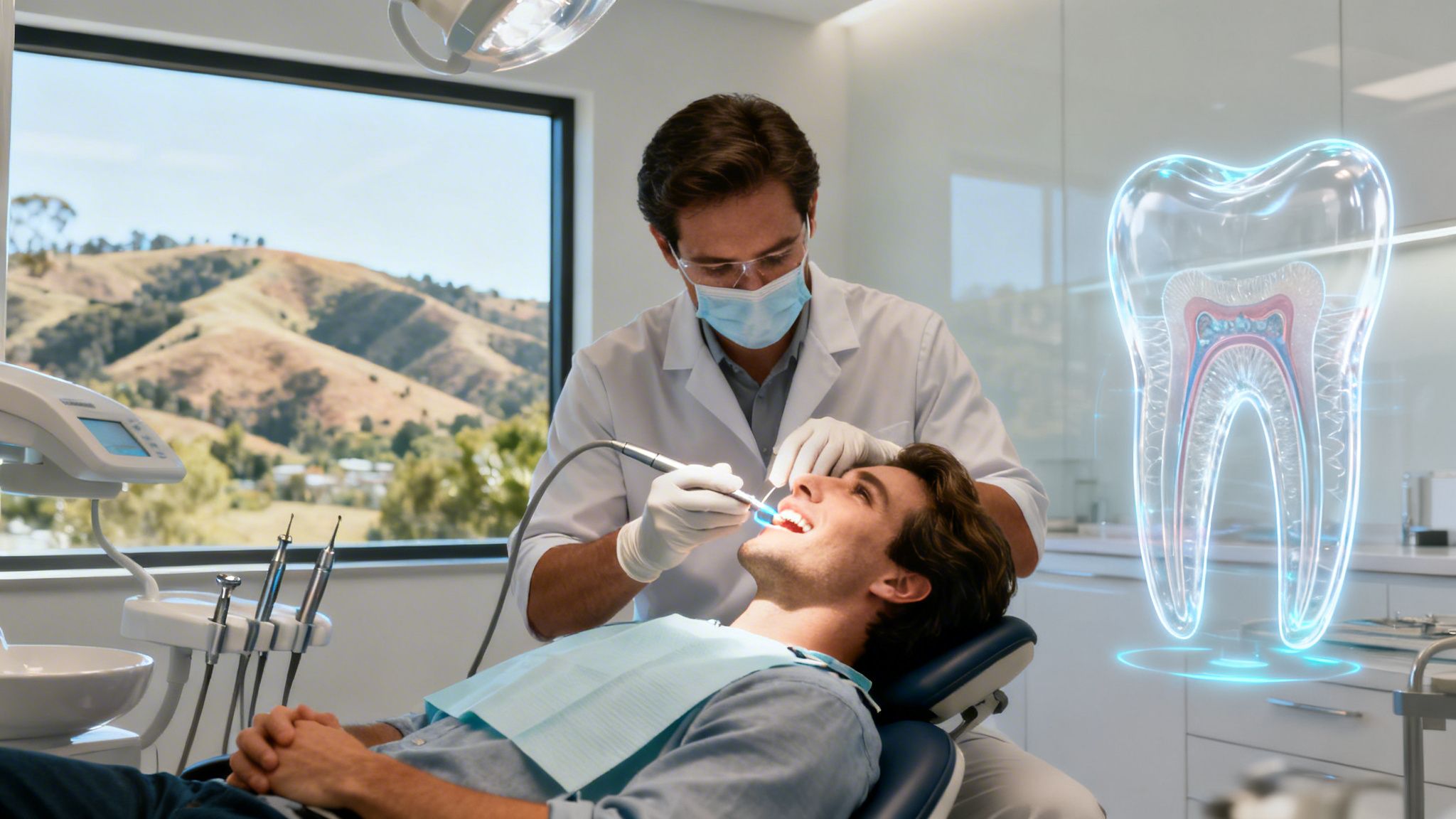
Root Canal Treatment Specialist
Long-Term Care for Your Restored Tooth
Maintaining daily oral hygiene
Practical steps for keeping the restored tooth healthy emphasize the importance of consistent brushing and flossing. Even though the treated tooth is no longer susceptible to inner decay, the surrounding gum tissue and adjacent teeth remain vulnerable to plaque buildup and periodontal disease. Brush your teeth twice a day with a fluoride toothpaste and floss daily to remove food particles from tight spaces.
Scheduling regular checkups
Routine professional cleanings and exams help monitor the treated tooth and catch any new issues early. Visiting your dentist every six months allows them to take necessary X-rays and evaluate the stability of your permanent crown. Professional hygienists also remove hardened tartar that you cannot remove with a standard toothbrush at home.
Protecting against physical damage
Wear a mouthguard if you grind your teeth at night or play contact sports, ensuring your final restoration remains intact. Excessive clenching or grinding, a condition known as bruxism, places tremendous pressure on your teeth and can easily chip or fracture a ceramic crown over time. A custom night guard provides a protective cushion that absorbs this force while you sleep.
Enjoying a Healthy, Pain-Free Smile
Root canal therapy effectively eliminates infection, stops your pain, and protects your natural smile. By removing the damaged internal tissue and sealing the tooth against future bacterial attacks, this treatment rescues a tooth that would otherwise require extraction.
Modern endodontic care is a standard, comfortable process designed with your long-term health in mind. Advancements in numbing agents and specialized techniques ensure that you remain completely relaxed throughout the entire procedure.
Schedule a consultation with your dental provider to evaluate any discomfort and develop a personalized treatment plan. Reach out to a professional today to address your dental pain and take the necessary steps toward preserving your beautiful, natural teeth.
WC Family Dentist
https://goo.gl/maps/d3H8ow2vWAC4qgZ26
1855 San Miguel Dr STE 31, Walnut Creek, CA 94596, United States
(925) 935-2700
www.wcfamilydentist.com