How Modern Technology Is Transforming Root Canal Therapy
Hearing that your tooth requires a root canal often triggers a sense of anxiety or concern about pain. Acknowledging this apprehension is a normal part of the process, as older dental methods historically caused discomfort for many patients. Understanding what modern dentistry involves can easily shift your perspective, replacing fear with confidence. Advanced tools and refined techniques have effectively turned a highly dreaded procedure into a highly manageable experience that prioritizes your comfort from start to finish.
Equipment upgrades across the dental field have completely replaced outdated manual methods, making the entire procedure much faster and far more reliable. By relying on precise instruments, your dentist can clean the infected areas of your tooth accurately while protecting the surrounding healthy structures. These improvements mean that saving your natural tooth is now a straightforward process rather than a grueling ordeal.
Knowing exactly what happens during your appointment helps alleviate any lingering nervousness. You will learn how specific modern tools, from high-powered microscopes to targeted numbing techniques, work together to provide effective care during your Root Canal Therapy.
Digital X-Rays and 3D Cone Beam Imaging
Understanding your tooth’s anatomy
Digital imaging provides a highly detailed, clear map of your internal tooth structure, which allows for a highly accurate diagnosis before the procedure even begins. By capturing a comprehensive view of the roots and surrounding bone, your dentist can identify the exact location and severity of the infection.
Reduced radiation exposure
One of the primary benefits of utilizing digital X-rays over traditional film is a drastic reduction in radiation exposure, promoting your overall safety and peace of mind during the visit. Digital sensors require significantly less radiation to produce a high-quality image, making the diagnostic process incredibly safe for patients of all ages.
Predictable treatment planning
Seeing the exact shape and curvature of the root canals beforehand helps the dentist plan a direct, highly effective procedure tailored to your specific anatomy. This predictability means the dentist knows exactly what instruments are needed and how to navigate the complex pathways inside your tooth.
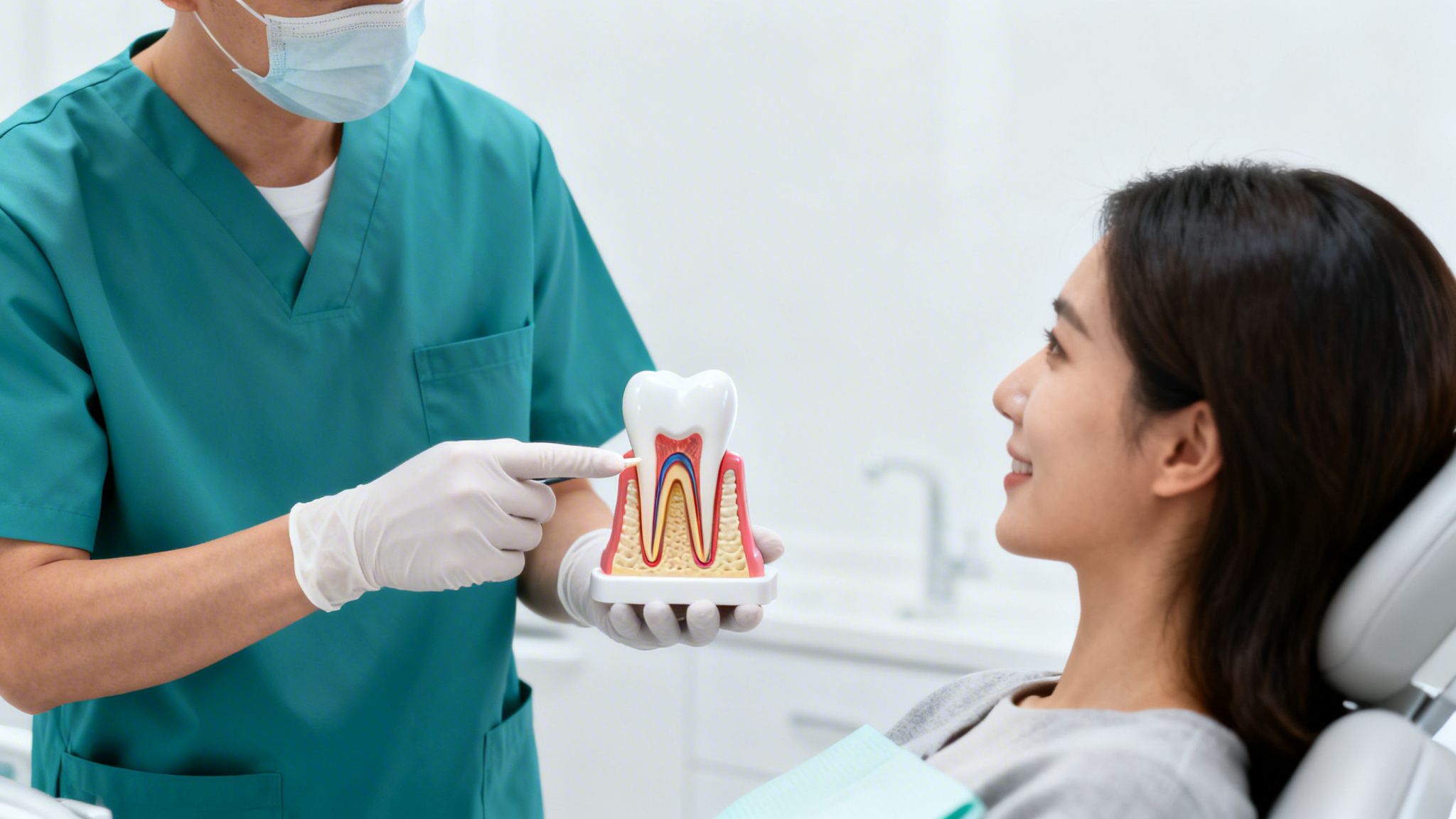
Root Canal Therapy
High-Powered Operating Microscopes
Seeing the unseen details
Magnification allows the dentist to locate hidden canals and tiny fractures that the naked eye might easily miss during a standard examination. A tooth’s interior is a complex network of microscopic pathways, and missing even one small infected branch can lead to future complications. High-powered operating microscopes illuminate and magnify the surgical field, ensuring that every trace of bacteria is identified and removed for a complete and successful treatment.
Preserving healthy tooth structure
Better visibility naturally leads to a more conservative approach, keeping as much of your natural, healthy tooth intact as possible while removing only the infected tissue. When a dentist can see the exact boundaries of the decay, they avoid removing unnecessary dentin or enamel, preserving the structural integrity of your tooth.
Improving long-term outcomes
The precision of microscopic work directly connects to a heavily reduced likelihood of experiencing future infections or requiring retreatment. Because the dentist can confidently clean the entire root canal system under high magnification, the risk of leaving bacteria behind drops significantly.
Nickel-Titanium Rotary Instruments
Replacing traditional manual files
Comparing older manual techniques with modern rotary tools highlights a massive shift toward more efficient, patient-centered endodontic care. Historically, dentists used rigid stainless-steel hand files to clean the canals, which was a slow and sometimes fatiguing process for the patient. Nickel-titanium rotary instruments are mechanically driven, allowing the dentist to clean and shape the internal tooth structure with a fluid, continuous motion that drastically improves the quality of the treatment.
Enhanced flexibility and shaping
Nickel-titanium is a unique alloy that easily bends to follow the natural, often complex curve of your root canal, cleaning it thoroughly without causing accidental damage. Older rigid files sometimes struggled to navigate these tight bends, but this modern material easily adapts to the unique anatomy of your tooth.
Faster, quieter appointments
These electrical instruments speed up the cleaning process remarkably, meaning you spend significantly less time holding your mouth open in the dental chair. In addition to being faster, the rotary motors operate smoothly and quietly, reducing the jarring noises associated with traditional dental drills.
Ultrasonic Cleaning Systems
Reaching microscopic areas
High-frequency sound waves activate specific cleaning solutions, aggressively washing away bacteria and debris lodged in hard-to-reach microscopic spaces. Traditional files can only clean the main pathways, but acoustic energy pushes the disinfecting liquids into the tiny lateral canals where infection often hides.
Removing blockages safely
Ultrasonics play a vital role in clearing out tricky calcifications, broken instruments, or old dental materials from previous, less successful treatments. The gentle vibration safely dislodges these stubborn blockages without removing excessive amounts of healthy tooth structure.
Ensuring a sterile environment
Thorough disinfection directly contributes to proper healing and rapidly relieves the dental pain that originally brought you into the office. By utilizing ultrasonic energy to destroy bacterial colonies, the risk of postoperative inflammation drops considerably. You can leave the office confident that the source of your infection has been entirely eradicated, setting the stage for a smooth, comfortable recovery process.
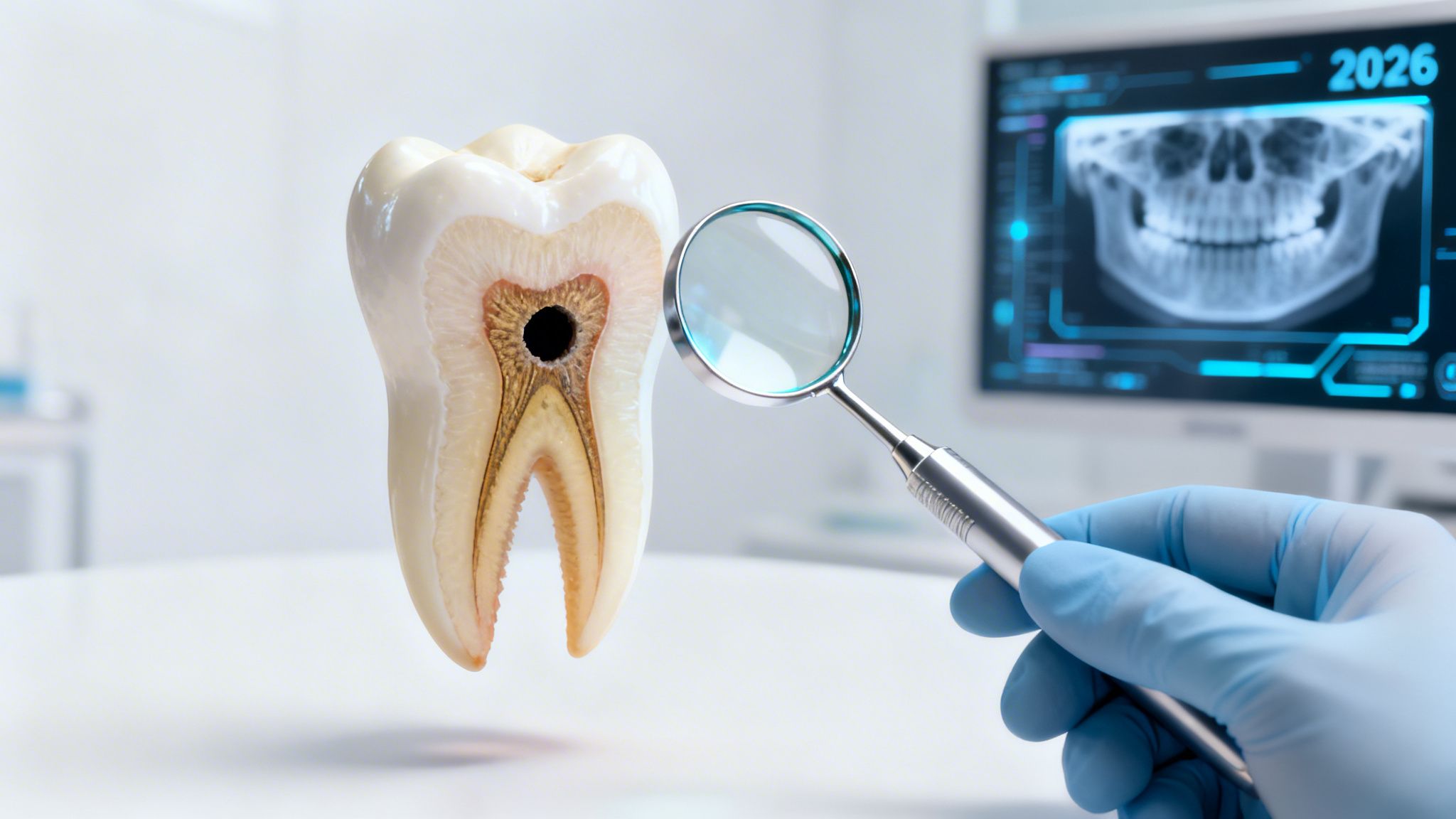
Root Canal Treatment Service
Gentle Laser Dentistry Applications
Targeting bacteria with light
Dental lasers provide an incredible additional layer of sterilization within the root canal system, utilizing concentrated light energy to destroy harmful pathogens. The laser energy penetrates the porous dentin walls of the tooth, reaching bacteria that traditional liquid disinfectants might occasionally miss.
Minimizing post-operative discomfort
Lasers are highly effective at reducing local inflammation, which actively helps you recover more comfortably and quickly after the procedure is finished. Traditional methods sometimes aggravate the surrounding tissues, leading to soreness for a few days, but laser therapy promotes faster cellular healing.
Conserving the surrounding tissues
The highly focused nature of a dental laser treats only the specifically affected area, leaving the rest of your mouth completely undisturbed. This precision prevents unnecessary trauma to your gums, bone, and healthy enamel, maximizing the conservation of your natural anatomy. Choosing laser-assisted Root Canal Therapy means selecting a gentle, targeted treatment that respects the delicate biology of your mouth.
Advanced Obturation (Filling) Techniques
Sealing the tooth completely
Modern materials are carefully used to fill the cleaned root canal, creating a tight seal that prevents any new bacteria from entering the tooth. Once the infection is cleared, the empty space must be densely packed to ensure the tooth remains structurally sound and biologically safe.
Warm gutta-percha delivery systems
Heating the filling material allows it to flow perfectly into every microscopic curve and tiny branch of your freshly cleaned canal. Gutta-percha is a natural, rubber-like material that, when gently warmed, adapts flawlessly to the complex internal anatomy shaped by the rotary instruments. This three-dimensional fill leaves no empty voids where future infections could potentially develop, securing the long-term success of the procedure.
Creating a solid foundation
A well-sealed root canal properly prepares your tooth for a long-lasting, natural-looking crown that restores your full chewing function. The obturation material acts as a sturdy core, supporting the final restoration and preventing the hollowed-out tooth from cracking under the pressure of your bite.
Improved Anesthesia and Patient Comfort
Targeted numbing techniques
Modern local anesthetics work quickly and effectively to ensure you feel absolutely no pain during the entirety of the dental procedure. Dentists now use precise delivery systems that isolate the exact nerve pathways connected to the infected tooth, providing profound numbness that lasts throughout the appointment.
The William Schneider DDS Inc. approach
The dedicated team at William Schneider DDS Inc. heavily prioritizes your comfort, combining advanced pain management with a highly compassionate, calming environment. Every professional in the office understands that dental visits can be stressful, so they dedicate time to ensuring you feel relaxed, heard, and completely cared for.
Overcoming dental anxiety
Communicating your specific needs and fears to the dentist fosters a strong partnership built firmly on trust and ongoing reassurance. If you feel nervous, expressing those feelings allows the dental staff to adjust their pace, explain every step, or offer additional relaxation options. Taking this proactive approach to your mental comfort ensures that your Root Canal Therapy is an empowering step toward better health, rather than a stressful obligation.
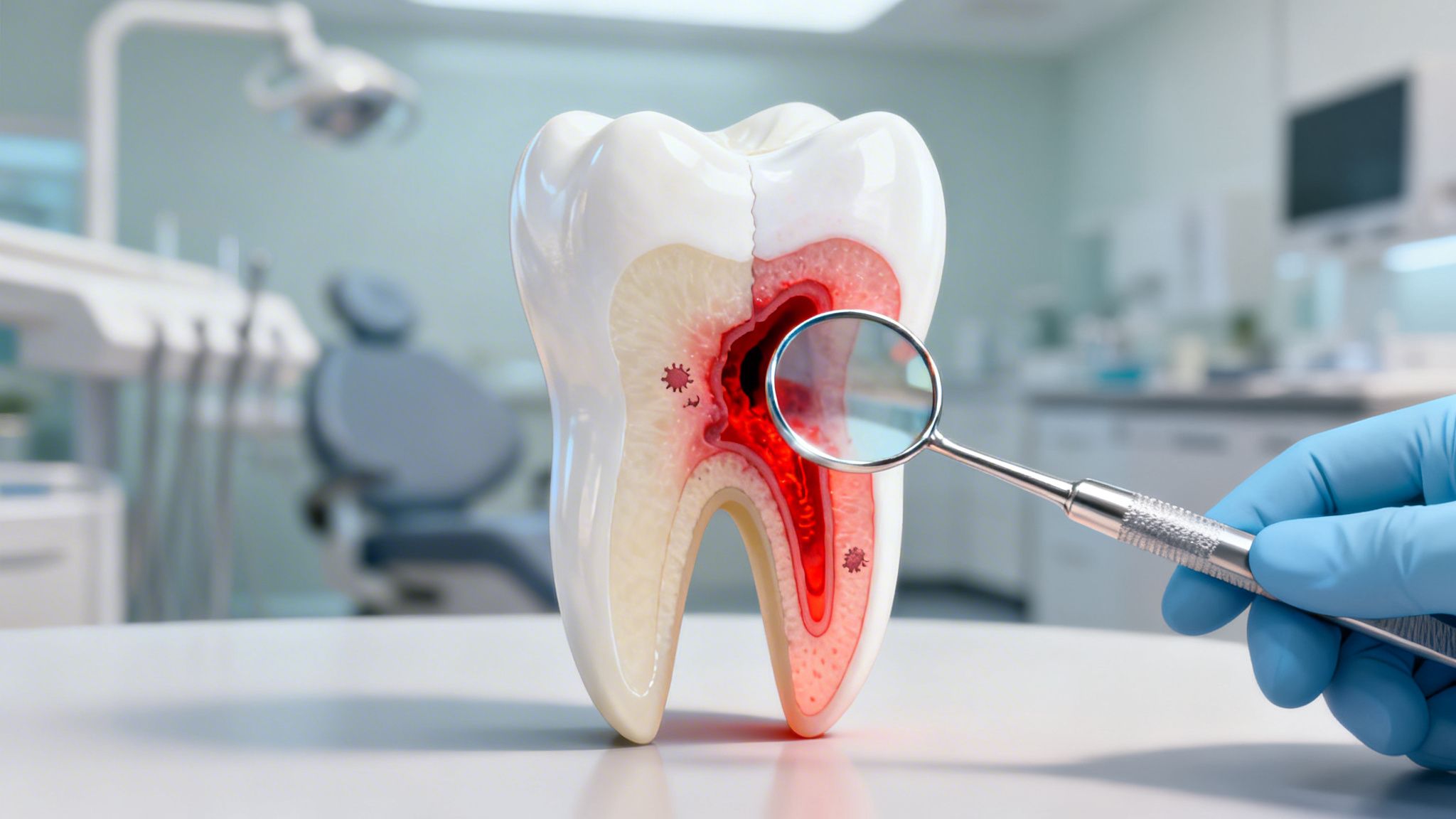
Root Canal Treatment
Digital Record Keeping and Aftercare Tracking
Maintaining comprehensive health files
Electronic health records ensure your complete dental history is safely stored and easily accessible for precise, ongoing follow-up care. Keeping a detailed digital log of your imaging, treatment notes, and material preferences allows the dental staff to provide highly personalized service during future visits.
Monitoring your healing process
Following up with digital imaging verifies that the internal infection has completely cleared and the surrounding jaw bone is healing exactly as expected. These quick check-ups provide visual confirmation that the Root Canal Therapy was successful, offering you tangible proof of your improving health. Tracking this progress digitally allows the dentist to catch any rare, delayed healing issues long before they become noticeable problems for you.
Coordinating with your dental team
Digital records can be shared instantly and securely if you ever need collaborative care from another specialist, ensuring highly consistent treatment across the board. If your general dentist needs to consult with an endodontist or an oral surgeon, sending your high-resolution X-rays takes only seconds. This interoperability guarantees that you receive the highest quality of continuous care, regardless of how many professionals are involved in maintaining your smile.
Moving Forward With Confidence and Comfort
Precise tools and highly effective modern methods have ultimately made root canals a standard, highly successful procedure for saving your natural teeth. You no longer need to view endodontic care as an intimidating process, thanks to the massive improvements in imaging, cleaning, and pain management.
Prioritizing your comfort and long-term dental health remains the primary goal of modern dental care professionals across the industry. From the moment the digital X-rays are taken to the final placement of the filling material, every step is designed to protect your well-being.
Schedule a consultation with a local dental professional to discuss your current symptoms, ask questions, and receive a highly personalized treatment plan. Taking action early prevents infections from spreading and keeps your natural smile strong, healthy, and perfectly functional. Reach out to the team at William Schneider DDS Inc. today to experience the impressive benefits of modern endodontic technology for yourself.
WC Family Dentist
https://goo.gl/maps/d3H8ow2vWAC4qgZ26
1855 San Miguel Dr STE 31, Walnut Creek, CA 94596, United States
(925) 935-2700
www.wcfamilydentist.com vc