Advanced Periodontic Treatments That Can Save Your Smile
Healthy gums act as the essential foundation for a strong and lasting smile. When the supportive tissues around the teeth remain robust, they prevent structural damage and keep the oral cavity well protected against harmful bacteria. Neglecting this crucial aspect of dental hygiene often leads to severe complications that threaten overall dental health.
While regular brushing and flossing provide excellent preventative benefits, advanced gum disease requires specialized treatments far beyond routine dental cleanings. As periodontal disease progresses, bacteria penetrate deeply below the gumline, destroying the bone and tissue that hold teeth securely in place. Addressing these severe issues necessitates targeted interventions designed by skilled dental professionals to halt the damage.
This comprehensive guide explores the highly advanced periodontic treatments available to restore optimal oral health and protect the longevity of the teeth. By understanding these advanced procedures, patients can make informed decisions about their dental care and take proactive steps toward healing. From deep cleaning techniques to surgical restorations, these therapies offer reliable solutions for maintaining a vibrant smile.
Scaling and Root Planing: The Deep Clean Your Gums Need
What is Scaling and Root Planing?
Scaling and root planing is a highly effective, non-surgical procedure designed to deeply clean the gums and teeth. During the scaling phase, specialized dental tools carefully remove stubborn plaque and tartar that have accumulated below the gumline. Following this, root planing smooths out the rough surfaces of the tooth roots, making it much harder for harmful bacteria to reattach and cause further infection.
Benefits Beyond the Surface
This comprehensive treatment offers significant benefits that extend well beyond a standard cosmetic cleaning. By eliminating the bacteria hidden deep within the periodontal pockets, scaling and root planing actively reduces harmful inflammation and bleeding in the gums. This proactive intervention allows the gum tissue to heal properly and reattach firmly to the teeth, preventing further damage and potential tooth loss.
Who Needs It?
Patients experiencing the early to moderate stages of gum disease, known as periodontitis, benefit the most from scaling and root planing. Individuals who notice symptoms such as persistent bad breath, bleeding during brushing, or tender, swollen gums are prime candidates for this intervention. Dental professionals often recommend this procedure as the first line of defense to stop periodontal disease from advancing to a more destructive phase.

Advanced Periodontic Treatment
Laser Gum Therapy: A Modern Approach to Periodontal Care
How Laser Therapy Works
Laser gum therapy utilizes advanced, highly concentrated light beams to target and carefully remove infected gum tissue. The precision of the dental laser allows professionals to vaporize diseased tissue without harming the surrounding healthy areas. As the laser cleans the periodontal pockets, it simultaneously sterilizes the area and seals the blood vessels, creating an optimal environment for tissue regeneration.
Benefits of Laser Therapy
This modern treatment provides a minimally invasive alternative to traditional gum surgery, offering numerous advantages for patient comfort. Because the laser immediately seals nerve endings and blood vessels, patients experience significantly less bleeding, swelling, and postoperative discomfort. Furthermore, the targeted nature of the laser promotes faster healing times, allowing individuals to return to their normal daily routines much more quickly.
Is Laser Therapy Right for You?
Laser therapy serves as an excellent option for patients dealing with moderate to severe periodontitis who wish to avoid traditional scalpel-and-suture surgery. It is particularly beneficial for individuals who experience dental anxiety or have medical conditions that require minimally invasive procedures. A thorough consultation with a periodontist will determine if the specific stage of gum disease can be effectively resolved using this advanced laser technology.
Gum Grafting: Restoring Receding Gums
What Causes Gum Recession?
Gum recession occurs when the supportive tissue surrounding the teeth pulls back, exposing the sensitive underlying tooth roots. This condition often stems from aggressive brushing habits, genetic predispositions, or the destructive progression of advanced gum disease. As the roots become exposed, the teeth become highly susceptible to severe decay, sensitivity, and eventual structural failure.
How Gum Grafting Works
Gum grafting is a precise surgical procedure designed to repair and reinforce areas of the mouth suffering from severe tissue recession. During the treatment, a periodontist harvests a small piece of healthy tissue, typically from the roof of the patient’s mouth. This harvested tissue is then carefully attached to the receding area, effectively covering the exposed root and encouraging new, healthy tissue growth.
The Benefits of Gum Grafting
Undergoing a gum grafting procedure offers profound benefits for both the health and appearance of the mouth. Covering the exposed roots dramatically reduces painful tooth sensitivity to hot and cold temperatures, improving daily comfort. Additionally, the graft strengthens the gumline to prevent further recession and bone loss while simultaneously restoring a more symmetrical and aesthetically pleasing smile.

Advanced Periodontic Treatment Specialist
Bone Grafting: Rebuilding the Foundation of Your Smile
Why Bone Loss Happens
The jawbone requires constant stimulation from the tooth roots to maintain its density and structural integrity. When advanced gum disease destroys the supporting tissues, or when teeth are lost and not replaced, the underlying bone rapidly begins to deteriorate. This progressive bone loss not only compromises the stability of remaining teeth but also alters the entire facial structure, leading to a sunken appearance.
The Bone Grafting Process
Bone grafting specifically addresses this deterioration by adding new bone material to the weakened areas of the jaw. The periodontist places a specialized grafting material—which may be synthetic, donor bone, or taken from another area of the patient’s body—directly into the deteriorated space. Over the following months, the body naturally integrates this graft, generating new, strong bone cells to rebuild a solid foundation.
Long-Term Benefits
The long-term advantages of bone grafting are crucial for maintaining comprehensive oral functionality and health. By successfully rebuilding the jawbone, this treatment restores the natural contours of the face and provides essential support for the remaining teeth. Most importantly, a successful bone graft creates a sufficiently dense and secure foundation required for the future placement of permanent dental implants.
Pocket Reduction Surgery: Closing the Gaps for Healthier Gums
What Are Periodontal Pockets?
Periodontal pockets form when the gum tissue begins to pull away from the teeth due to the damaging effects of advanced gum disease. These widening gaps create an ideal, hard-to-reach environment where harmful plaque, tartar, and bacteria easily accumulate and multiply. As the bacteria thrive in these deep spaces, the infection worsens, leading to rapid bone destruction and eventual tooth loss.
How Pocket Reduction Surgery Works
Pocket reduction surgery, also known as osseous surgery, aims to eliminate these dangerous bacterial hideouts. The periodontist gently folds back the gum tissue to gain clear access to the roots and the underlying bone structure. After thoroughly clearing away the disease-causing bacteria and smoothing any damaged, irregular bone surfaces, the gum tissue is securely sutured back into a tighter, healthier position.
Why It’s Essential
Eliminating deep periodontal pockets is absolutely essential for halting the progression of severe gum disease. By reducing the depth of these spaces, the surgery makes it much easier for patients to maintain proper oral hygiene at home. This critical intervention prevents further tissue damage, preserves the underlying jawbone, and strongly supports the long-term retention of natural teeth.
Dental Implants: A Periodontic Solution for Missing Teeth
The Role of Periodontists in Implants
Periodontists possess highly specialized training in the hard and soft tissues of the mouth, making them uniquely qualified to perform dental implant surgeries. Their deep understanding of bone density and gum health ensures that implants are placed in the most optimal and secure locations. For patients with a history of gum disease, this specialized expertise is crucial for preparing the mouth and ensuring the implant’s long-term success.
The Implant Process
The dental implant process begins with a comprehensive evaluation of the jawbone to ensure it can adequately support the new titanium post. If the bone is healthy, the periodontist surgically inserts the implant directly into the jaw, where it fuses with the bone over several months in a process called osseointegration. Once fully integrated and healed, a custom-made, lifelike dental crown is securely attached to the top of the post.
Why Choose Implants?
Dental implants stand out as the premier, permanent solution for replacing missing teeth due to their unmatched durability and lifelike functionality. Unlike traditional dentures, implants firmly anchor into the jawbone, preventing future bone loss and providing absolute stability while eating and speaking. Furthermore, the highly customized crowns offer brilliant aesthetic benefits, seamlessly blending in with the surrounding natural teeth.
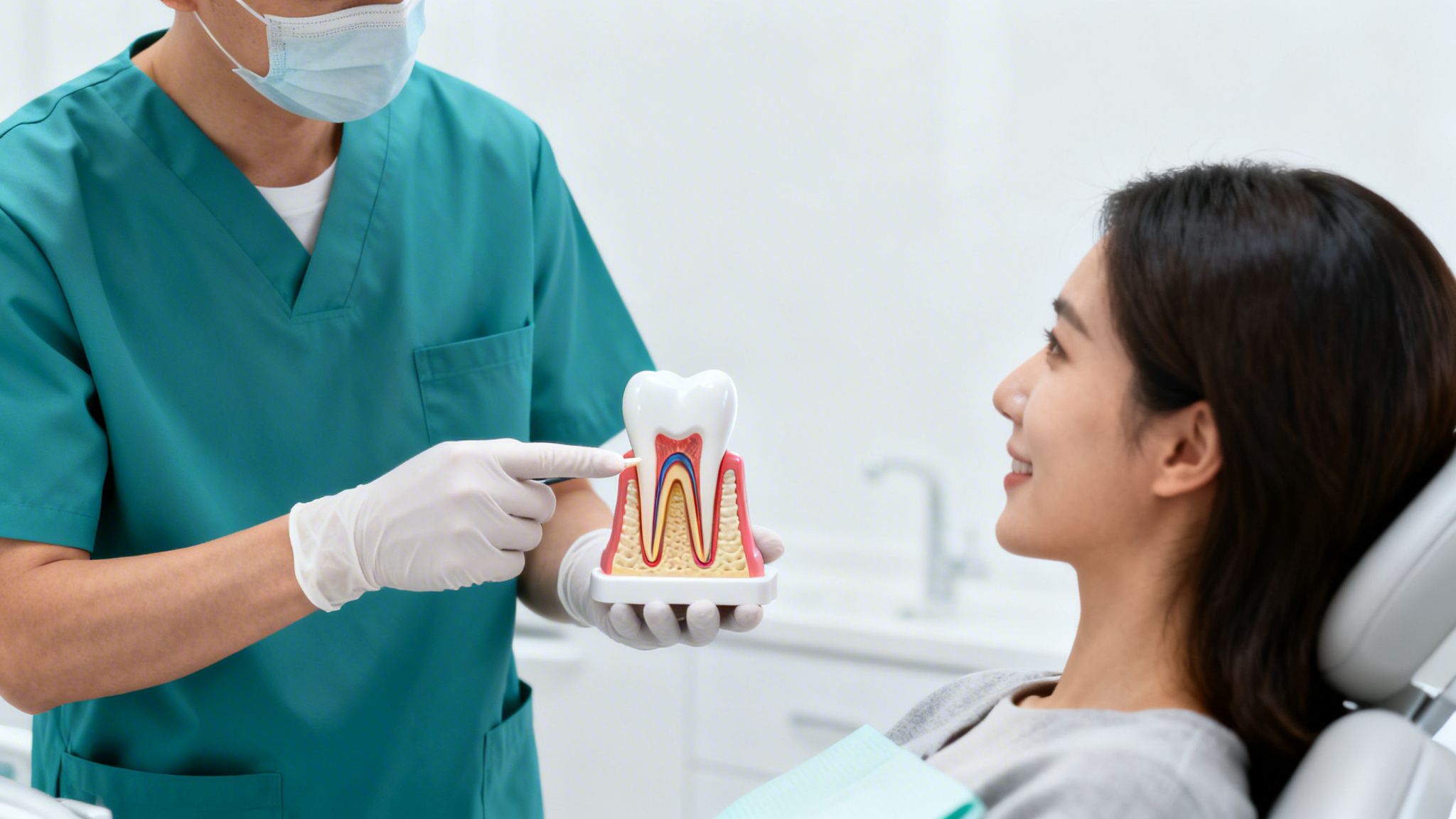
Periodontic Treatment Specialist
Periodontal Maintenance: Keeping Your Smile Healthy for Life
What is Periodontal Maintenance?
Periodontal maintenance involves a highly specialized program of ongoing dental cleanings designed specifically for patients who have been treated for gum disease. Unlike a standard prophylaxis cleaning, these focused appointments involve meticulously removing plaque and tartar from above and below the gumline. The periodontist also carefully measures the depth of the gum pockets during each visit to ensure the disease remains thoroughly controlled.
The Importance of Consistency
Consistency in attending periodontal maintenance appointments acts as the primary defense against the aggressive recurrence of gum disease. Because periodontal disease cannot be fully cured, the bacteria responsible for the infection can rapidly repopulate the gum pockets if left unmonitored. Adhering to a strict maintenance schedule every three to four months ensures that any new bacterial growth is promptly removed before it causes further damage.
Partnering with William Schneider DDS Inc.
Partnering with William Schneider DDS Inc. provides patients with the expert, compassionate care necessary to maintain lasting periodontal health. The dedicated professionals at the practice utilize advanced diagnostic tools to continually monitor the health of the gums and bone structure. By relying on this expert guidance, patients gain the education and treatments required to keep their smiles vibrant and disease-free.
Securing Your Oral Health Journey
Advanced periodontic treatments provide the critical interventions necessary to save natural teeth and restore proper oral function. Whether utilizing state-of-the-art laser therapy, rebuilding lost tissue through grafting, or placing durable implants, these procedures tackle the root causes of severe dental issues. Investing in these specialized therapies ensures that the supportive structures of the mouth remain resilient against the constant threat of bacterial infection.
Ignoring the warning signs of gum disease only allows the condition to worsen and compromise the entire dental structure. Patients experiencing tender gums, recession, or loose teeth must seek professional evaluation without delay. Consulting with the expert team at William Schneider DDS Inc. allows individuals to thoroughly explore their specialized treatment options and create a personalized plan for recovery.
William M. Schneider, D.D.S.
https://goo.gl/maps/d3H8ow2vWAC4qgZ26
1855 San Miguel Dr STE 31, Walnut Creek, CA 94596, United States
(925) 935-2700
www.wcfamilydentist.com