Are Dental Implants Permanent? What Patients Need to Know
Dental implants are often described as a permanent solution for missing teeth. That description is understandable because implants are designed to provide long-term support and can remain in place for many years. However, “permanent” does not mean they never require care, maintenance, or occasional replacement of the visible restoration.
At WC Family Dentist, we believe patients should have a clear and realistic understanding of how dental implants work. The implant placed in the jawbone and the crown attached above it are separate parts, and they may age differently over time.
For many patients, dental implants can be one of the most durable and natural-feeling ways to replace a missing tooth. Their long-term success depends on proper planning, healthy gums and bone, daily oral hygiene, and consistent dental care.
Here is what patients should know before deciding whether dental implants are right for them.
What Does “Permanent” Mean for a Dental Implant?
A dental implant is a small post placed into the jawbone to replace the support once provided by a natural tooth root. After the area heals, the implant can support a custom-made crown that replaces the visible part of the missing tooth.
When dentists describe implants as permanent, they generally mean that the implant is fixed in the jaw and is not designed to be removed each day like a removable denture.
The implant post may remain stable for decades when the surrounding gums and bone stay healthy. However, the crown attached to the implant experiences daily chewing pressure and may eventually need repair or replacement.
This is similar to a natural tooth. A tooth root may remain healthy while a filling or crown above it eventually requires maintenance.
At our Walnut Creek office, Dr. William M. Schneider explains the different parts of the restoration so patients understand what may last long term and what could need attention in the future.
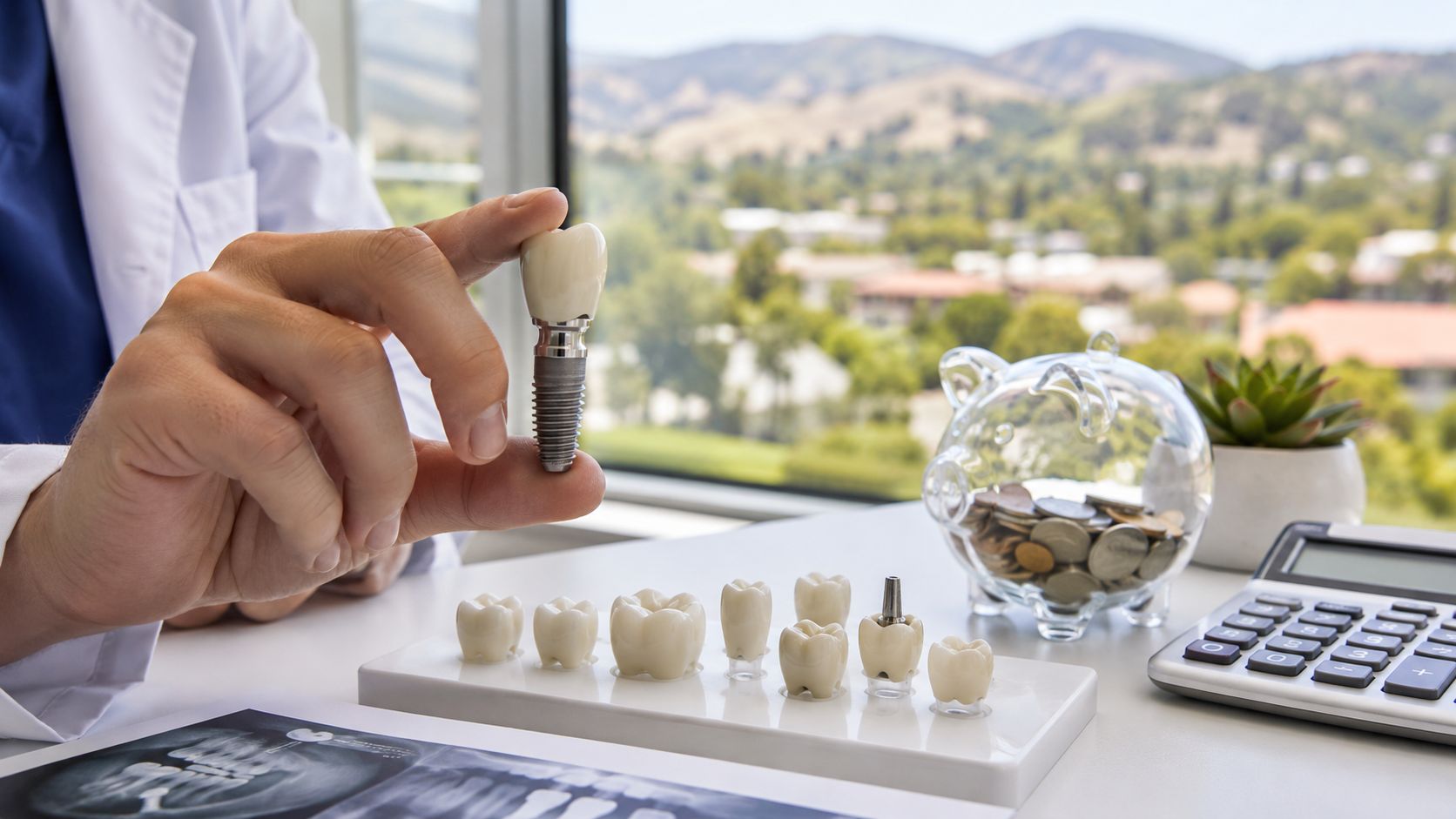
Dental Implant Treatment
Dental Implants Are Designed for Long-Term Use
One of the reasons dental implants are frequently recommended is their durability.
Because the implant is positioned within the jawbone, it creates a strong foundation for the replacement tooth. Once healing is complete, the restoration can feel stable while eating, speaking, and smiling.
Unlike a traditional dental bridge, a single dental implant does not normally rely on the neighboring teeth for support. This allows the replacement tooth to stand independently and may help preserve healthy tooth structure beside the missing space.
With proper care, many implants continue functioning successfully for a very long time. However, no dentist can honestly guarantee that an implant will last forever.
The long-term outcome depends on the patient’s health, habits, oral hygiene, bite, and commitment to routine maintenance.
The Implant and Crown Have Different Lifespans
It is important to understand that a dental implant restoration has more than one component.
The implant post sits beneath the gums and within the jawbone. Above it is the visible crown, which is shaped and shaded to blend with the surrounding teeth.
The implant post is usually the longest-lasting part of the restoration. If it remains well supported by healthy gum tissue and bone, it may continue functioning for many years.
The crown is exposed to chewing forces every day. Over time, it may wear, chip, loosen, or no longer match changes in the surrounding teeth. Patients who grind or clench may place additional pressure on the crown and other components.
Replacing an implant crown does not necessarily mean the implant itself has failed. In many cases, the underlying implant remains stable and only the visible restoration needs attention.
During routine visits at WC Family Dentist, we examine both the implant area and the crown so we can identify wear or changes early.
Healthy Gums and Bone Are Essential
Dental implants do not develop cavities, but the tissues around them can still become unhealthy.
Plaque can collect near the gumline around an implant just as it does around a natural tooth. If it is not removed, the gums may become inflamed. More advanced inflammation can affect the bone supporting the implant.
That is why patients should never assume an implant no longer needs daily care simply because it cannot decay.
Healthy gums and bone are what keep the implant secure. Once that support is compromised, the stability of the restoration may also be affected.
At our office, we emphasize regular brushing, cleaning between the teeth, and professional dental care. We also help patients understand how to clean around their implant based on its location and design.
Routine cleanings give us the opportunity to remove buildup that may be difficult to reach at home and monitor the health of the surrounding tissues.
Oral Hygiene Has a Major Effect on Longevity
Daily care plays one of the biggest roles in how well an implant performs over time.
A single implant can often be brushed and cleaned much like a natural tooth. The goal is to keep plaque from building up around the gumline and neighboring teeth.
Patients should also pay attention to bleeding, swelling, tenderness, or changes in the way the implant feels. These symptoms do not always indicate a serious problem, but they should be evaluated rather than ignored.
At WC Family Dentist, we encourage patients to contact our office if they notice something different around an implant. Addressing a small concern early may help prevent it from becoming more complicated.
Good home care does not need to be complicated. What matters most is being thorough, consistent, and willing to follow recommendations that are personalized to your restoration.
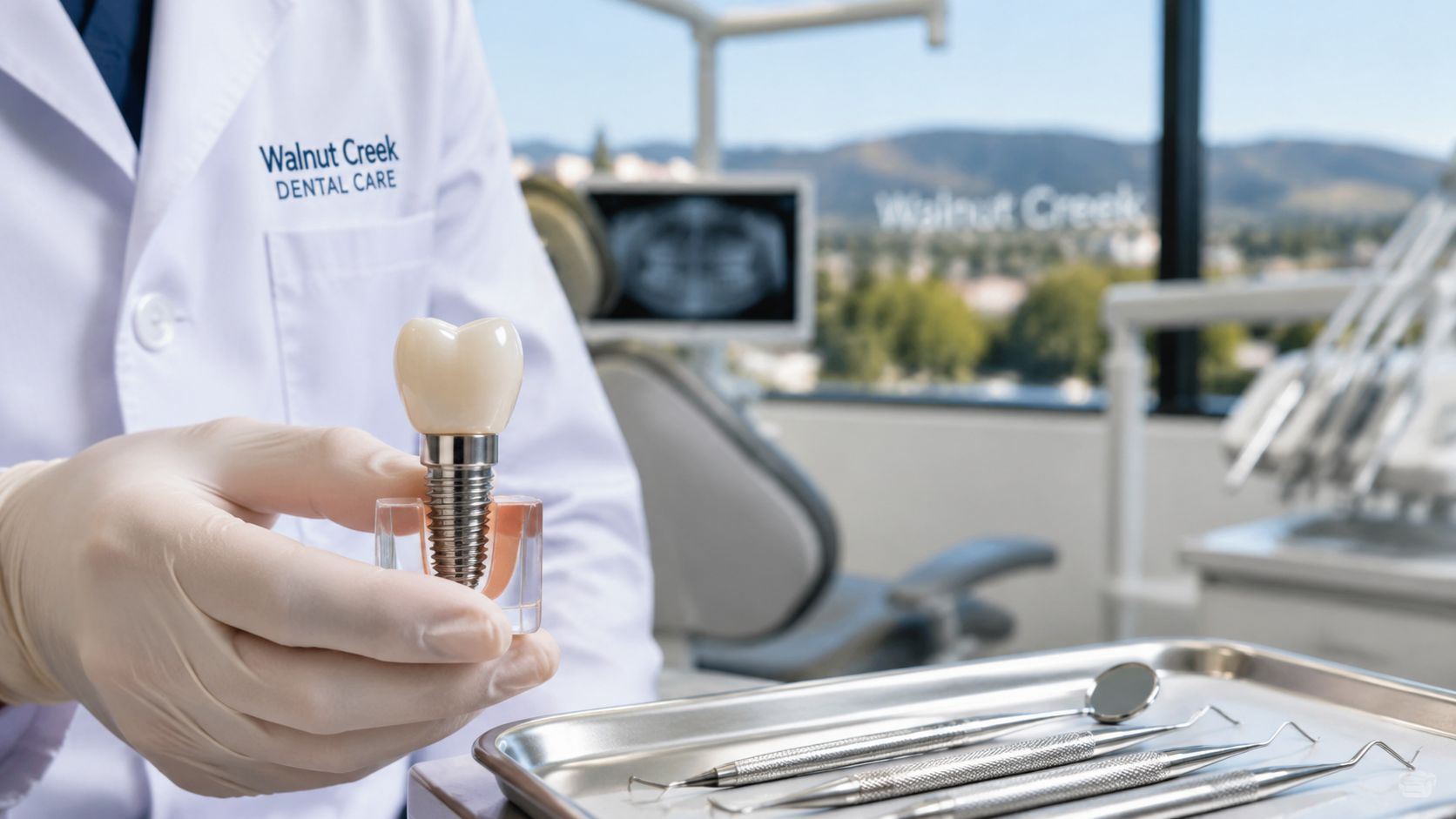
Dental Implant Treatment Service
Grinding and Clenching Can Affect Dental Implants
Teeth and dental restorations are designed to withstand normal biting and chewing. However, grinding and clenching can create forces that are much stronger than those produced during ordinary eating.
Over time, this pressure may affect the implant crown, connecting components, surrounding teeth, or the way the bite comes together.
Some patients grind during sleep and may not realize it until signs of wear are found during an examination. Others wake with jaw soreness, headaches, or tooth sensitivity.
If Dr. Schneider sees evidence of excessive wear or bite pressure, he may discuss ways to protect the teeth and restorations.
Managing these forces is especially important when an implant is located in an area that handles strong chewing pressure.
Smoking Can Increase the Risk of Problems
Smoking can interfere with healing and affect the health of the gums and bone.
Because successful implant treatment depends on healthy tissue support, smoking may increase the risk of complications during healing and over the long term.
Patients who smoke should be honest with their dentist before treatment. This information helps the dental team evaluate risk and provide realistic guidance.
At WC Family Dentist, our recommendations are based on each patient’s complete health history. We want patients to understand any factors that may influence healing or long-term success before committing to treatment.
Your Overall Health Matters
Dental implants are placed in the jawbone, so overall health can influence how the body heals and maintains the surrounding tissues.
Certain medical conditions, medications, and health changes may affect implant treatment or long-term dental care. This does not automatically mean someone cannot receive an implant, but it does mean the treatment plan must be individualized.
Before recommending dental implants, Dr. Schneider reviews the patient’s health history and discusses any relevant concerns.
Patients should continue updating our office about new diagnoses, medications, or major health changes even after the implant treatment is complete.
Dentistry is connected to overall health, and good communication helps us provide safer, more appropriate care.
Regular Dental Visits Protect Your Investment
One of the biggest misconceptions about dental implants is that they no longer need professional care after treatment is complete.
Routine appointments remain extremely important.
During these visits, we evaluate the gum tissue, the stability of the implant, the condition of the crown, and the way the teeth come together. We also examine the surrounding teeth and restorations because changes elsewhere in the mouth can influence the implant.
For example, shifting teeth or changes in the bite may place different pressure on the restoration. A worn crown may need adjustment before it becomes damaged. Gum inflammation may be easier to manage when it is detected early.
At WC Family Dentist, we view dental implant treatment as an ongoing relationship rather than a single procedure. Our goal is to help patients maintain their results for as long as possible.
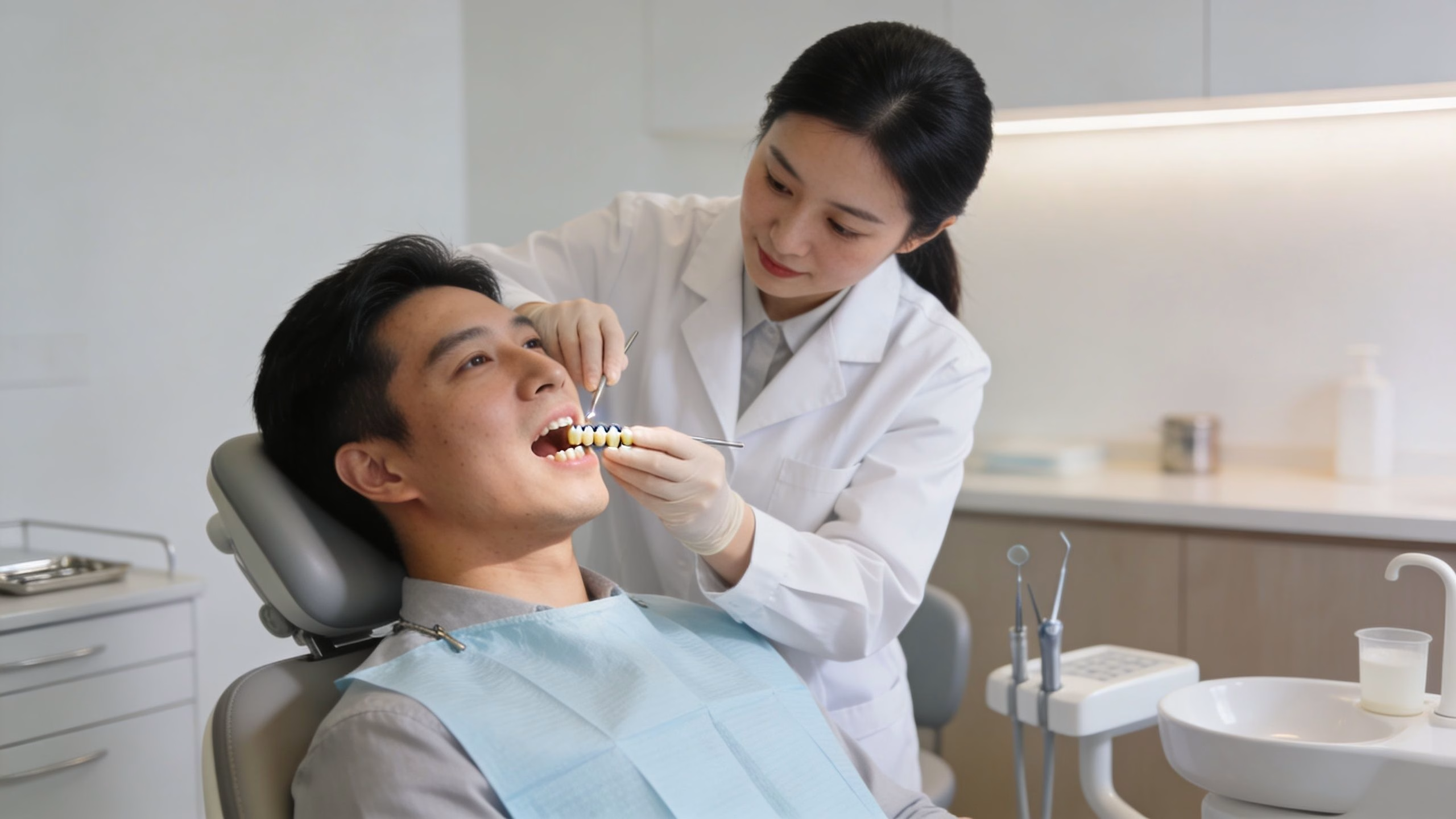
Implant Treatment
Can a Dental Implant Fail?
Although implants have a strong history of long-term use, problems can occur.
An implant may fail to integrate properly during the initial healing stage, or it may lose support later because of gum and bone disease, excessive bite pressure, poor oral hygiene, smoking, or other health factors.
A loose implant, persistent discomfort, swelling, bleeding, or a change in the bite should always be evaluated.
Sometimes, the problem involves the crown or connecting component rather than the implant itself. A crown may loosen or chip while the implant remains stable.
This is another reason professional evaluation is important. Patients may not be able to determine which part of the restoration is causing the issue.
The sooner a problem is identified, the more treatment options may be available.
How Long Does an Implant Crown Last?
The visible crown attached to an implant is designed to be strong, but it is still a dental restoration.
Its lifespan depends on where it is located, how much pressure it receives, the patient’s habits, and how well it is maintained.
A crown on a back tooth may experience greater chewing force than one placed near the front of the mouth. Patients who chew ice, bite hard objects, or grind their teeth may place additional stress on the restoration.
Over time, the crown may show signs of wear or need replacement because its fit, function, or appearance has changed.
The need for a new dental crown does not erase the value of the implant. If the implant post remains healthy and stable, a new restoration can often be created to continue using the same foundation.
Are Dental Implants Worth the Long-Term Commitment?
For many patients, dental implants are worth considering because they can restore stable function, preserve neighboring teeth, and create a natural-looking result.
They may make it easier to chew comfortably and speak with confidence. They can also help maintain spacing by reducing the chance that neighboring teeth will shift into the missing tooth area.
However, implants are not maintenance-free. Patients must be willing to care for the restoration, attend regular dental appointments, and address concerns promptly.
A dental implant should be viewed as a long-term investment in oral health rather than a treatment that can be forgotten after placement.
At our office, we help patients weigh the benefits, responsibilities, and alternatives before deciding how to replace a missing tooth.
Is a Dental Implant Right for You?
Not every patient or missing tooth situation is the same.
Teeth implants may be appropriate for patients with healthy gums, adequate bone support, good oral hygiene habits, and overall health that supports healing.
In other cases, a dental bridge or another restorative option may be more suitable.
At WC Family Dentist, we do not recommend dental implants simply because they are available. Dr. Schneider evaluates the missing tooth area, surrounding teeth, gums, bone support, health history, and treatment goals before discussing the most appropriate options.
Our role is to help you understand the advantages and limitations of each choice so you can make an informed decision.
Protecting Your Dental Implant for Years to Come
Dental implants are considered a long-term tooth replacement solution, but their success depends on a partnership between the patient and dental team.
The implant must be carefully planned and restored, while the patient must protect it through daily cleaning, healthy habits, and routine dental care.
At WC Family Dentist, we provide personalized dental implant care for patients in Walnut Creek and the surrounding communities. Dr. William M. Schneider brings more than 25 years of dental experience to each treatment plan and takes time to explain what patients can realistically expect.
If you are considering a dental implant or have questions about an existing restoration, our office is here to help. Contact WC Family Dentist to schedule a consultation and learn more about protecting your smile with long-term, personalized care.
WC Family Dentist
https://goo.gl/maps/d3H8ow2vWAC4qgZ26
1855 San Miguel Dr STE 31, Walnut Creek, CA 94596, United States
(925) 935-2700
www.wcfamilydentist.com