Conquer Dental Anxiety: How Sedation Dentistry Makes Visits Stress-Free
For millions of people, the dental chair represents a place of genuine fear. If the mere thought of a dental appointment makes your heart race, your palms sweat, or your stomach turn, you are not alone. Dental anxiety is a widespread issue that prevents countless individuals from seeking the oral healthcare they desperately need. This avoidance often leads to a cycle where minor issues, which could have been treated easily, escalate into complex problems requiring extensive work—further fueling the fear.
At William Schneider DDS Inc., we believe that fear should never stand in the way of a healthy smile. Our mission goes beyond simply fixing teeth; we are dedicated to creating a comfortable, judgment-free environment where patients feel safe and understood. By integrating modern sedation dentistry techniques, we transform the dental experience from a source of stress into a manageable, and even relaxing, event.
If you have been putting off your dental care due to anxiety, understanding your options is the first step toward reclaiming your oral health. This guide explores how sedation dentistry works, the different levels of relaxation available, and how our team prioritizes your safety every step of the way.
Understanding the Roots of Dental Fear
To conquer anxiety, we must first understand where it comes from. Dental phobia is rarely baseless; it usually stems from valid experiences or deep-seated psychological triggers. Recognizing these triggers is essential for both the patient and the dentist to create a plan that works.
Fear of Pain
This is the most common reason people avoid the dentist. Whether due to a low pain threshold or a past experience where anesthesia wasn’t fully effective, the anticipation of pain can be paralyzing. Modern dentistry has made great strides in pain management, but the memory of past discomfort can be difficult to shake.
Loss of Control
Lying back in a chair with a dentist hovering over you can feel incredibly vulnerable. You cannot speak clearly, you cannot easily move, and you are entrusting your physical well-being to someone else. For many, this loss of control is the primary source of their anxiety.
Past Trauma
Many adults carry negative memories from childhood dental visits. In decades past, dental techniques were less refined, and the emphasis on patient comfort was not what it is today. These traumatic memories can linger for a lifetime, triggering a “fight or flight” response the moment you step into a clinic.
Sensory Overload
The sights, sounds, and smells of a dental office can be overwhelming. The high-pitched whine of the drill, the clinical scent of antiseptic, or the bright lights can act as immediate stressors. For patients with high sensory sensitivity, the environment itself is the hurdle.
What Is Sedation Dentistry?
Sedation dentistry involves the use of medication to help patients relax during dental procedures. It is sometimes referred to as “sleep dentistry,” though that term is not entirely accurate for all methods. With the exception of general anesthesia, most forms of sedation leave you awake but in a state of deep relaxation.
The goal is not just to “knock you out,” but to eliminate anxiety and discomfort so that the dentist can work effectively while you remain calm. It allows patients who might otherwise need multiple appointments to have extensive work done in a single sitting.
Sedation is a spectrum. It ranges from mild medication to take the edge off, to deep sedation where you have little to no memory of the procedure. At William Schneider DDS Inc., we assess your level of anxiety and medical history to recommend the most appropriate option for you.
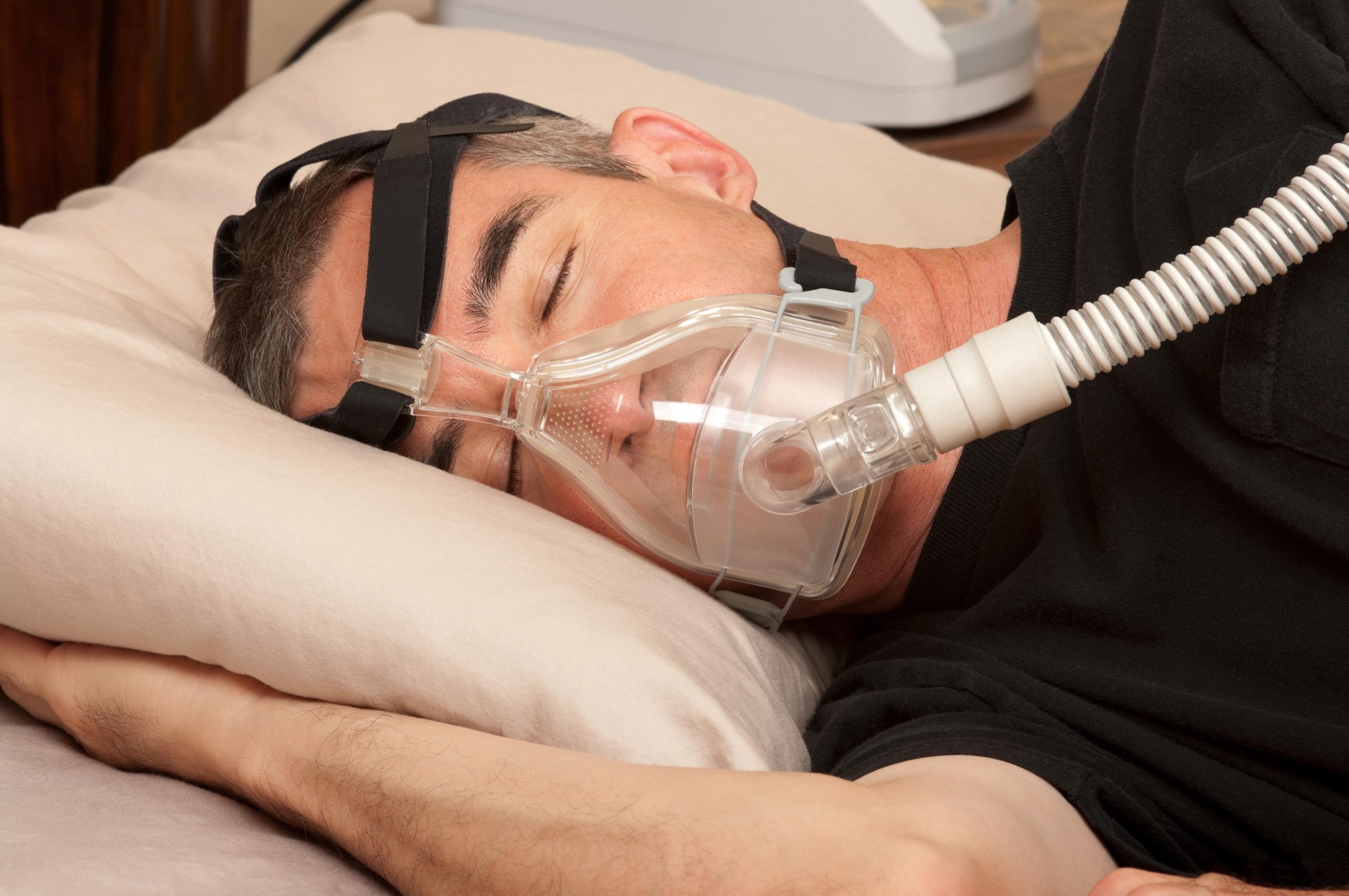
Sedation Dental Treatment Service
Exploring Your Sedation Options
Different patients have different needs. A person needing a routine cleaning who has mild jitters requires a different approach than someone undergoing a root canal who has severe phobia. Here is a comprehensive look at the three main types of sedation we utilize to ensure patient comfort.
Nitrous Oxide (Laughing Gas)
Nitrous oxide is the most common and mildest form of sedation. It is a gas that you inhale through a small mask placed over your nose.
How it feels:
Within moments of breathing the gas, you will feel a wave of relaxation wash over you. Some patients report a heavy feeling in their limbs or a slight tingling sensation. You remain fully conscious and can talk to the dentist, but you will feel detached from the anxiety. The sights and sounds of the office will simply matter less.
The benefits:
- Rapid Onset: It works within minutes.
- Adjustable: The dentist can control the level of sedation moment-by-moment.
- No “Hangover”: Once the mask is removed and you breathe pure oxygen for a few minutes, the effects wear off completely. You can drive yourself home and return to work immediately after your appointment.
Oral Conscious Sedation
This method involves taking a prescribed pill, usually from the Valium or Halcion family, about an hour before your procedure.
How it feels:
This produces a moderate level of sedation. You will feel significantly groggy and incredibly relaxed. While you are technically awake and can respond to commands (like “open wider”), you may doze off lightly. The most significant benefit for anxious patients is the amnesic effect—most people remember very little, if anything, about the procedure once the medication wears off.
The benefits:
- Ease of Administration: No needles are required to start the sedation; you simply swallow a pill.
- Time Distortion: An hour-long procedure may feel like it only took five minutes.
- Deeper Relaxation: It is more potent than nitrous oxide, making it ideal for patients with moderate to high anxiety.
- Note: Because the effects linger, you will need a friend or family member to drive you home.
IV Sedation
Intravenous (IV) sedation is the deepest form of conscious sedation available in a general dental setting. The medication is delivered directly into your bloodstream.
How it feels:
The effects are immediate. You will fall into a state of profound relaxation. While you are not technically unconscious as you would be for major surgery in a hospital, you are on the very edge of sleep. You will likely have no memory of the sights, smells, or noises of the procedure.
The benefits:
- Precise Control: The dentist can adjust the dosage instantly throughout the procedure to ensure you remain comfortable.
- Maximum Comfort: This is the gold standard for patients with severe phobia, strong gag reflexes, or those undergoing long, complex treatments.
- Immediate Action: There is no waiting for pills to digest; the relief is instant.
- Note: Like oral sedation, you will require a chaperone to drive you home and monitor you for the rest of the day.
How William Schneider DDS Inc. Prioritizes Your Safety
Safety is the cornerstone of effective sedation dentistry. At William Schneider DDS Inc., we adhere to rigorous safety protocols to ensure that your experience is not only comfortable but also medically secure.
Before any sedation is administered, we conduct a thorough review of your medical history. We look at current medications, past surgeries, and any underlying health conditions to ensure there are no contraindications. We encourage open dialogue during this phase; the more we know about your health, the better we can tailor the sedation plan.
During the procedure, you are never left alone. Our team utilizes advanced monitoring equipment to track your vital signs, including heart rate, blood pressure, and oxygen levels. This continuous monitoring allows us to detect the slightest physiological changes and adjust immediately.
Furthermore, our team is trained not just in dental procedures, but in compassionate care. We understand that compassion is a powerful sedative in its own right. From providing warm blankets to explaining each step before it happens (if you wish to know), we treat the person, not just the teeth.
Debunking Common Myths About Sedation
Misinformation often keeps patients from exploring sedation options that could help them. Let’s separate fact from fiction.
Myth 1: Sedation is only for surgery.
Fact: You can request sedation for almost any procedure if your anxiety warrants it. We have patients who utilize nitrous oxide for routine cleanings because their sensitive teeth or gag reflex makes the process difficult. You do not need to be having a tooth extraction to deserve comfort.
Myth 2: You will be unconscious and unable to communicate.
Fact: With the exception of general anesthesia (typically reserved for hospital settings), you remain conscious. Even with IV sedation, you can breathe on your own and respond to physical cues. You simply won’t care about the procedure or remember it later.
Myth 3: It is unsafe.
Fact: When administered by experienced professionals like the team at William Schneider DDS Inc., sedation is extremely safe. We use time-tested medications and hospital-grade monitoring to minimize risk.
Myth 4: Anyone can drive home after sedation.
Fact: This is only true for nitrous oxide. For oral and IV sedation, your motor skills and judgment will be impaired for several hours. We strictly require a designated driver for your safety.
A Step-by-Step Guide to a Stress-Free Appointment
Knowing what to expect can alleviate a significant amount of fear. Here is how a typical sedation appointment flows at our practice.

Detal Consultation
The Consultation
Everything begins with a conversation. You will meet with Dr. Schneider to discuss your dental needs and your anxiety levels. We will review your medical history and decide which sedation method is best for you. If you are choosing oral sedation, you will be given a prescription to pick up before your treatment day.
Preparation
If you are undergoing oral or IV sedation, you will likely be instructed not to eat or drink for several hours before your appointment (usually from midnight the night before). Wear comfortable, loose-fitting clothing to the appointment.
Arrival
When you arrive, our front desk team will greet you warmly. If you are using oral sedation, you will have taken your medication about an hour prior, so you will already be feeling relaxed. We will escort you to the treatment room and get you settled in the chair with blankets or pillows.
Administration and Monitoring
We will connect the monitoring equipment to track your vitals. If you are having IV sedation or nitrous oxide, we will begin administration now. We will not start any dental work until we have confirmed you are fully relaxed and the medication has taken full effect.
The Procedure
Dr. Schneider will perform the necessary dental work. Because you are relaxed, your muscles will not be tense, which actually makes the procedure easier and faster for the dentist to perform. Local anesthetic will still be used to numb the area, but because you are sedated, you likely won’t even notice the injection.
Recovery
Once the procedure is done, we will stop the sedation (or allow the nitrous to flush out with oxygen). You will remain in the chair until you are steady enough to stand. Our team will go over post-op instructions with your designated driver, as you might not remember them clearly.
Prioritize Your Health Without the Fear
Dental anxiety is a real hurdle, but it is one you can overcome. You do not have to choose between your mental well-being and your oral health. Modern sedation dentistry bridges that gap, allowing you to receive the care you need in a way that feels safe, controlled, and calm.
At William Schneider DDS Inc., we are committed to changing the way you view the dentist. We invite you to experience the difference that personalized, compassionate, and sedated care can make. Don’t let fear dictate the future of your smile.
William M. Schneider, D.D.S.
https://goo.gl/maps/d3H8ow2vWAC4qgZ26
1855 San Miguel Dr STE 31, Walnut Creek, CA 94596, United States
(925) 935-2700
www.wcfamilydentist.com