The Clear Choice: Why Invisalign Is Changing Modern Orthodontics
For a long time, the only way to get a straighter smile was with metal braces. While effective, they’re often associated with discomfort and the awkwardness of adolescence. Now, modern dentistry offers a new solution: clear aligner technology.
This innovation has revolutionized orthodontics, making it a popular choice for adults who once felt they missed their chance for a perfect smile. The stigma of “brace face” is fading, replaced by a discreet and flexible treatment that fits into any lifestyle.
Invisalign, the leader in this field, offers more than just a cosmetic improvement. It represents a major shift in how we approach tooth alignment, oral hygiene, and patient comfort. Using advanced 3D imaging, the system provides a level of precision that was once unimaginable.
If you’re considering straightening your teeth but don’t want the hassle of metal braces, this guide is for you. We’ll explore how Invisalign works, its benefits, and the treatment process to help you decide if clear aligners are the key to unlocking your confident smile.
The Science Behind Clear Aligners
To the uninitiated, a piece of clear plastic moving a stubborn molar seems impossible. However, the technology driving Invisalign is rooted in complex biomechanics and materials science. Unlike braces, which use a pull force via an archwire to move teeth, aligners use a push force.
Custom 3D Planning and Mapping
The process begins with data. Gone are the days when messy, suffocating putty impressions were the only way to get a model of your teeth. Modern practices utilize intraoral scanners, such as the iTero scanner, to capture thousands of images of your oral structure in minutes. These images are stitched together to create a highly accurate, 3D digital model of your mouth.
Once this digital map is established, your dentist or orthodontist uses proprietary software to plan the movement of every single tooth. This isn’t a guessing game; it is a calculated trajectory. The software calculates the precise amount of force required to rotate, push, or tilt a tooth into its optimal position.
SmartTrack Material
The aligners themselves are not made of standard plastic. They are crafted from a patented thermoplastic material known as SmartTrack. This material was engineered specifically for orthodontic use. It is designed to deliver a constant, gentle force.
Traditional plastic tends to relax and lose its shape quickly once placed over the teeth, meaning the force applied drops off rapidly. SmartTrack material retains its shape and elasticity longer, ensuring that the therapeutic pressure on the teeth is maintained throughout the one or two weeks you wear each tray.
Controlled Movement
One of the most significant scientific advantages of this system is distinct control. With metal braces, the wire often exerts pressure on all teeth simultaneously. Invisalign allows the dentist to prioritize specific movements. For example, they might need to move your molars back before they can straighten your front teeth. The aligners can be programmed to hold the front teeth still while the back teeth shift, creating the necessary space. This staged approach allows for complex corrections that are both efficient and biologically safe for the roots of your teeth.
Top Benefits of Choosing Invisalign
While the “invisible” nature of the product is the most marketed feature, the advantages extend far beyond aesthetics. The design of clear aligners solves several functional and hygienic problems inherent to traditional orthodontics.
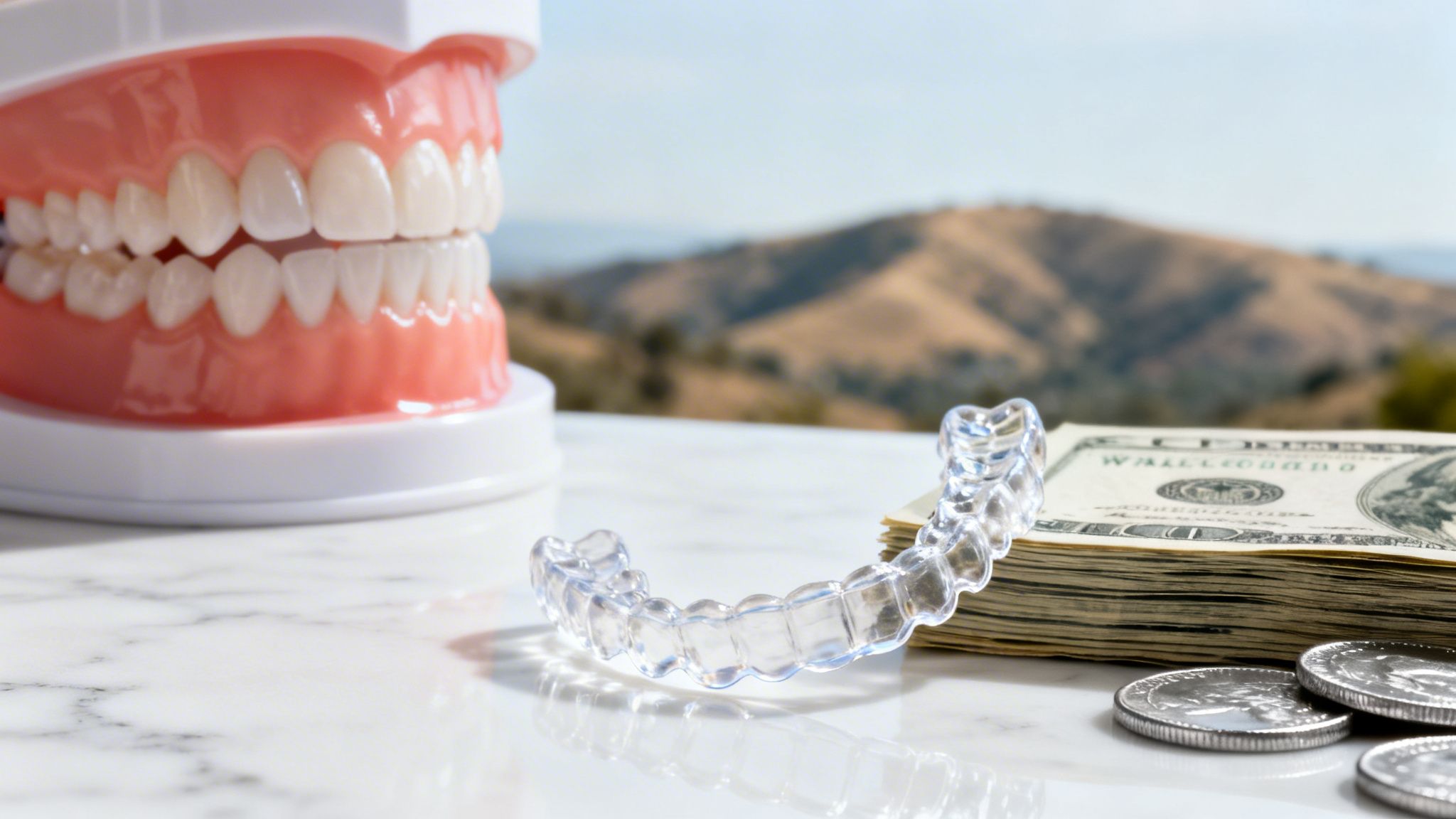
Invisalign Treatment
Unrestricted Diet and Lifestyle
Perhaps the biggest complaint among traditional braces patients is the “forbidden foods” list. Popcorn, gum, nuts, hard apples, and sticky candies are all off-limits because they can snap wires or dislodge brackets.
With clear aligners, the hardware is removable. When it is time to eat, you simply take the trays out. You can bite into a crisp apple or enjoy movie theater popcorn without fear of an emergency orthodontic visit. This freedom makes the treatment feel less like a medical restriction and more like a manageable part of your daily routine.
Superior Oral Hygiene
Brushing and flossing around metal brackets is a tedious chore. It requires threaders, special brushes, and a significant amount of patience. Consequently, many patients with braces end up with plaque buildup, inflamed gums, or decalcification (white spots) on their teeth when the braces come off.
Invisalign eliminates this obstacle. You remove the aligners to brush and floss your teeth just as you normally would. This access ensures you can maintain optimal periodontal health throughout your treatment, reducing the risk of cavities and gum disease.
Comfort and Safety
Metal braces consist of brackets and wires that can chafe against the inside of the cheeks and lips, often requiring orthodontic wax to prevent sores. Clear aligners are custom-trimmed to your gum line and made of smooth material. While your teeth may feel slightly sore from the pressure of movement (a sign the treatment is working), the soft tissues of your mouth are generally spared from irritation and cuts.
Fewer Emergency Visits
Traditional orthodontics often involves emergency appointments for broken wires or loose brackets. Since clear aligners are a single piece of solid material, there are no moving parts to break. This reliability translates to fewer disruptions to your work or school schedule.
What to Expect at William Schneider DDS Inc.
Choosing the right provider is just as important as choosing the right treatment. Technology is only as good as the hands that wield it. At William Schneider DDS Inc., the focus is on a comprehensive, patient-centered approach to clear aligner therapy.
The Initial Consultation
Your journey begins with a conversation. During your first visit, the team at William Schneider DDS Inc. will assess your oral health and discuss your specific goals. Do you have crowding? Spacing issues? An overbite? This assessment determines if you are a suitable candidate for clear aligners. While Invisalign can treat a vast range of issues, some complex bite problems may still require traditional methods or adjunct therapies.
The Digital Roadmap
If you proceed, the team will perform the digital scan mentioned earlier. This is often an exciting moment for patients because the software allows for a “preview” of the final result. You can see a digital simulation of what your smile will look like at the end of treatment before you even wear your first tray. This visualization serves as a powerful motivator throughout the process.
Receiving Your Aligners
Once your custom aligners are fabricated, you will return to William Schneider DDS Inc. to receive your first set. The doctor will ensure they fit perfectly and may place small, tooth-colored shapes called “attachments” on specific teeth. These act like handles, giving the aligner something to grip to achieve more difficult movements. You will leave with detailed instructions and your first series of trays, ready to begin the transformation.
Maintaining Oral Health During Treatment
While Invisalign makes hygiene easier compared to braces, it does require a high level of discipline. Because the aligners cover your teeth, they can trap sugar and bacteria against the enamel if you aren’t careful. This creates a greenhouse effect for cavities. To keep your mouth healthy and your aligners clear, follow these guidelines:
The “22-Hour” Rule
For the treatment to track according to the plan, the aligners must be worn for 20 to 22 hours a day. They should only be removed for eating, drinking (anything other than water), and cleaning. Consistency is key; leaving them out for extended periods can cause your teeth to relapse, extending your treatment time.
Brushing After Every Meal
Before you put your aligners back in after eating, you must brush your teeth. If you put the trays back in without brushing, you are sealing food particles and acids against your teeth. If you are unable to brush, at the very least, rinse your mouth vigorously with water.
Cleaning the Aligners
Your aligners need cleaning, too. Plaque can accumulate on the plastic, making them cloudy and causing odors. Brush your aligners gently with a soft toothbrush and clear liquid soap or rinse them with lukewarm water. Avoid hot water, as it can warp the plastic. Additionally, avoid using colored toothpaste or soaking them in colored mouthwash, as these can stain the clear material.
Hydration is Key
You may experience a dry mouth when you first start treatment. Drinking plenty of water helps stimulate saliva production, which is your mouth’s natural defense against bacteria. Plus, since you can drink water with your aligners in, it is the easiest way to stay healthy without disrupting your wear time.
Frequently Asked Questions About Invisalign Cost and Duration
As with any medical investment, patients often have questions regarding the logistics of the treatment.

Affordable Invisalign Provider
How much does Invisalign cost?
The cost of clear aligner therapy is generally comparable to traditional braces. However, the final price depends on the complexity of your case and the length of treatment. Simple spacing issues cost less to fix than complex bite corrections. Many dental insurance plans cover Invisalign just as they would metal braces, covering a certain percentage or dollar amount of the treatment. William Schneider DDS Inc. can help you navigate your insurance benefits and discuss financing options to make the treatment affordable.
How long does treatment take?
The average treatment time for adults is usually between 12 to 18 months, though you will likely start seeing changes in a matter of weeks. Some minor corrections can be completed in as little as six months. Conversely, complex cases may take two years. The most significant factor in duration is patient compliance—wearing the aligners for the recommended 22 hours a day ensures the fastest results.
Is the treatment painful?
Most patients describe the sensation as “pressure” rather than pain. When you switch to a new set of aligners (usually every week or two), your teeth will feel tight for a day or two. This is a positive sign that the aligners are working to shift your teeth. This discomfort is generally mild and can be managed with over-the-counter pain relievers if necessary. It is significantly less abrasive than the tightening appointments associated with metal braces.
Will it affect my speech?
Like any orthodontic appliance, there is an adjustment period. You may notice a slight lisp for the first few days as your tongue gets used to having the plastic trays in your mouth. However, the tongue is a remarkably adaptable muscle. Most patients return to their normal speech patterns within a few days.
Taking the Next Step Toward Your Perfect Smile
The decision to straighten your teeth is about more than vanity; it is about investing in your long-term oral health and self-confidence. Straight teeth are easier to clean, function better, and can prevent jaw pain and excessive wear patterns later in life.
Invisalign has removed the barriers that once stood between adults and their ideal smiles. It offers a solution that is powerful, hygienic, and designed for the modern lifestyle. You no longer have to choose between a professional appearance and orthodontic treatment.
If you are ready to explore what clear aligner therapy can do for you, the team at William Schneider DDS Inc. is ready to guide you. By combining cutting-edge technology with personalized care, they can help you achieve the smile you have always wanted—clearly, comfortably, and confidently.
William M. Schneider, D.D.S.
https://goo.gl/maps/d3H8ow2vWAC4qgZ26
1855 San Miguel Dr STE 31, Walnut Creek, CA 94596, United States
(925) 935-2700
www.wcfamilydentist.com