Dental Implant Costs Explained: What Factors Affect the Final Price?
When patients begin exploring dental implants, one of their first questions is usually about cost. It is an understandable concern. Replacing a missing tooth is an important investment, and patients deserve to know what may influence the final price before deciding whether treatment is right for them.
The challenge is that there is no single cost that applies to every dental implant case. A straightforward replacement for one missing tooth may involve a very different treatment plan from replacing several teeth or restoring an area that has experienced significant bone loss.
At WC Family Dentist, we believe dental implant costs should be explained clearly and honestly. Before estimating the price of treatment, Dr. William M. Schneider evaluates the missing tooth area, surrounding teeth, gums, bone support, bite, and overall treatment goals. This allows our office to create a personalized plan rather than giving patients a generic price that may not reflect what they actually need.
Understanding the different parts of implant treatment can make the final cost easier to evaluate.
A Dental Implant Is More Than One Component
Many patients hear the phrase “dental implant” and assume it refers to a single replacement tooth. In reality, an implant restoration is generally made up of several components.
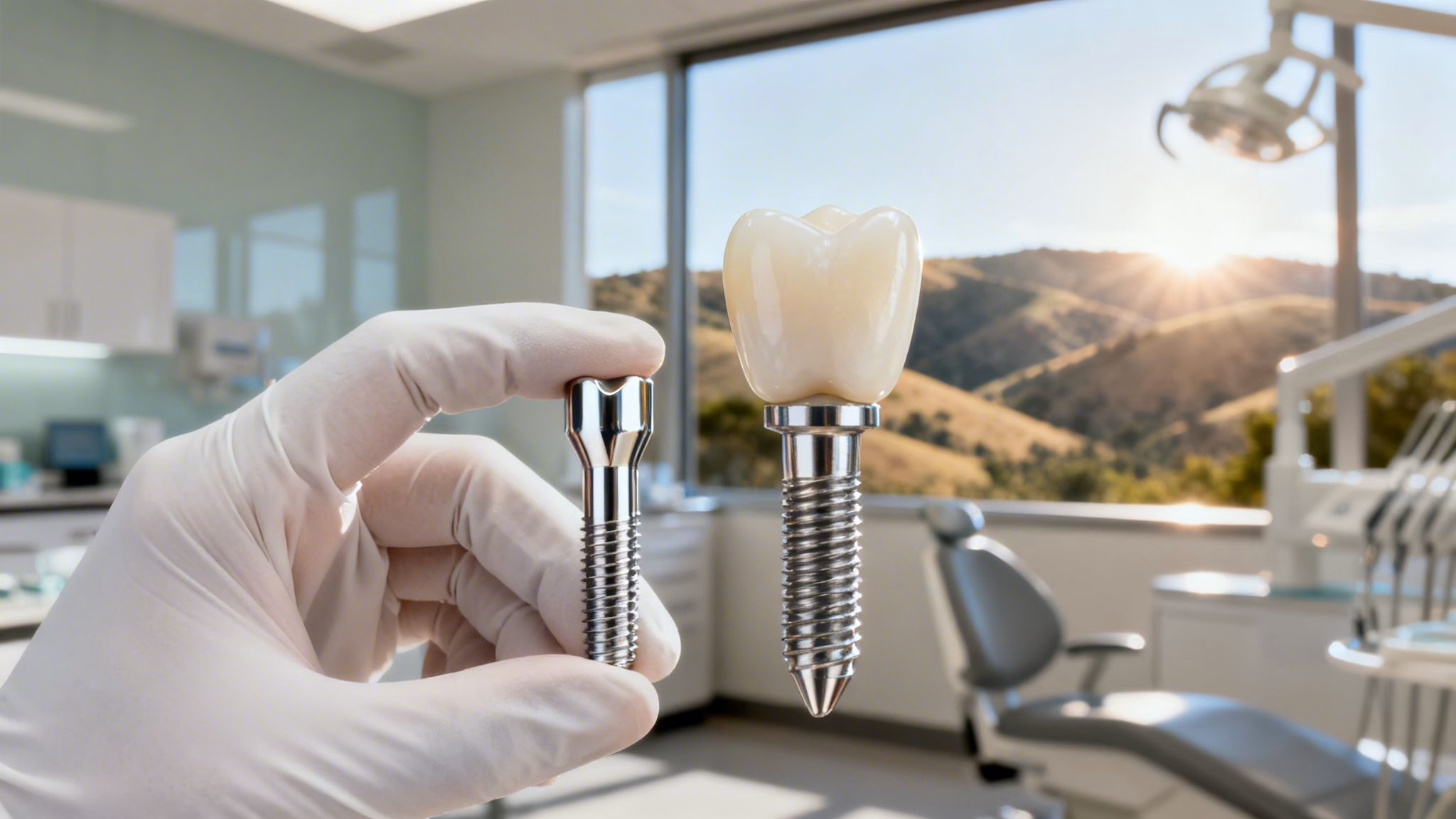
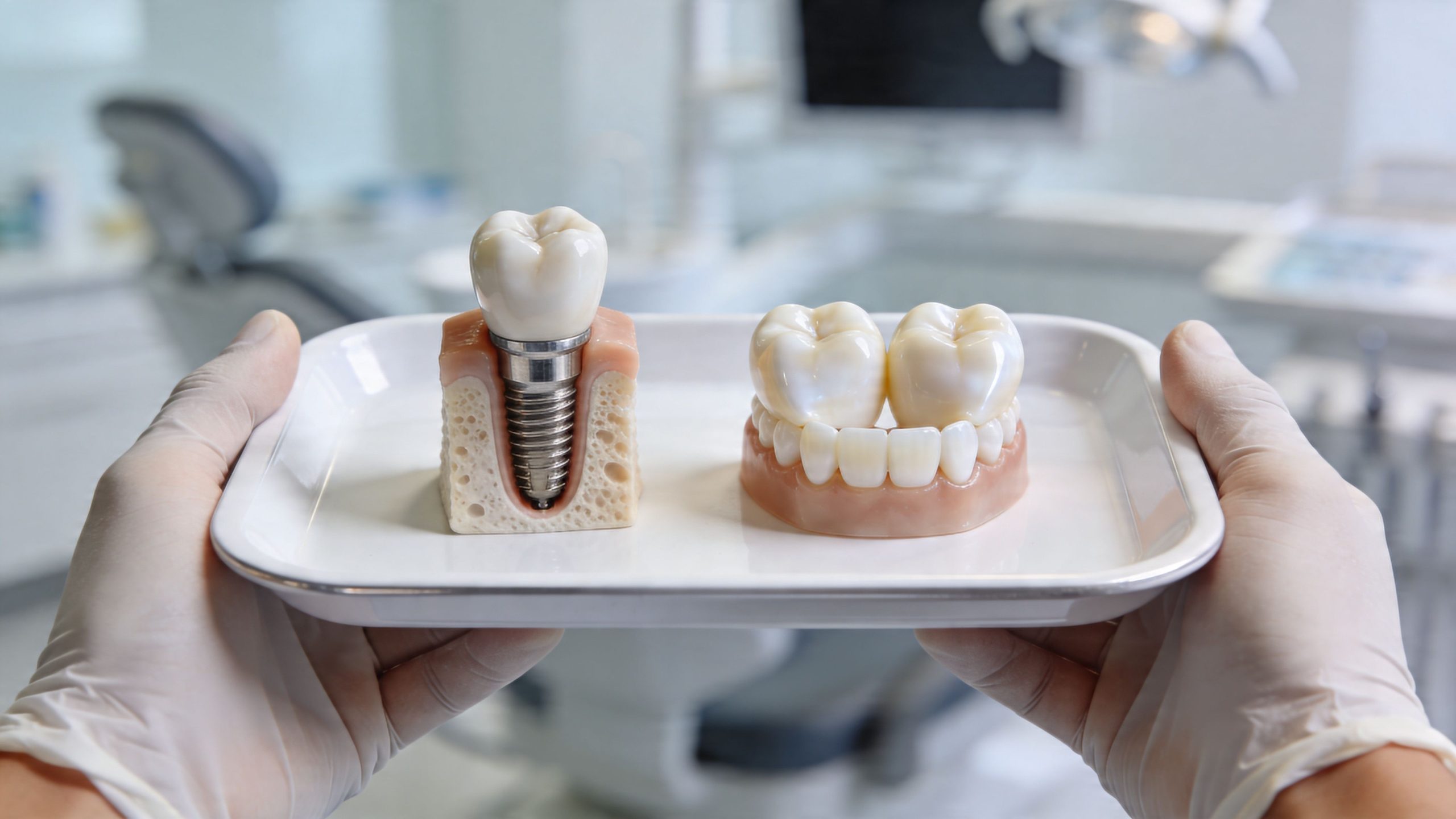
The implant itself is placed within the jawbone and acts as a replacement for the missing tooth root. An abutment connects the implant to the visible restoration, and a custom dental crown replaces the portion of the tooth seen above the gums. Together, these components create a complete replacement tooth.
Each part contributes to the overall treatment cost. This is one reason an advertised implant price may not always represent the full amount a patient will pay.
Before comparing estimates, it is important to understand exactly what each quote includes. A low advertised amount may cover only the implant post, while imaging, the abutment, the final crown, preparatory treatment, or follow-up care may be listed separately.
At our Walnut Creek office, we want patients to understand the full scope of the recommended treatment before moving forward.

Dental Implant Pricing
The Number of Missing Teeth Makes a Difference
The number of teeth being replaced is one of the most obvious factors affecting the final price.
Replacing one missing tooth usually requires one implant and one crown. When several teeth are missing, the treatment plan may involve multiple individual implants, an implant-supported bridge, or another restoration designed to replace a larger section of the smile.
The right approach depends on where the teeth are missing, the condition of the remaining teeth, available bone support, and how biting pressure is distributed across the mouth.
More implants do not always mean that every missing tooth needs its own implant. In some situations, strategically placed implants may support a restoration replacing several teeth. However, this can only be determined after a thorough examination.
At WC Family Dentist, we consider the entire area rather than calculating treatment based only on the number of visible gaps.
The Condition of the Jawbone Can Affect Treatment
Dental implants need adequate bone support to remain stable.
After a natural tooth is lost, the bone in that area may gradually change because it no longer receives the same stimulation from the tooth root. The amount of change can depend on how long the tooth has been missing, the patient’s health, and what happened when the tooth was lost.
Some patients have enough healthy bone to proceed with implant placement. Others may require additional treatment to improve the foundation before an implant can be placed.
When bone preparation is necessary, it adds another stage to the process and can increase the overall cost. It may also extend the treatment timeline because the area needs time to heal.
This does not mean that every patient who has experienced bone loss is unable to receive an implant. It simply means that the condition of the jaw must be evaluated before an accurate treatment plan can be created.
Whether a Tooth Must Be Removed First
Some patients seek implant treatment after a tooth has already been lost. Others still have a damaged, infected, or nonrestorable tooth that must be removed before replacement can begin.
When an extraction is needed, it becomes part of the treatment plan and affects the total cost.
The condition of the tooth can also influence how involved the removal may be. Some teeth can be removed relatively simply, while others may require a more complex approach because of their shape, position, or condition.
After extraction, the area may need to heal before implant placement. In some situations, the dentist may discuss whether implant treatment can be coordinated more closely with the removal of the tooth.
Because each case is different, the sequence of treatment should be based on the health of the area rather than a predetermined timeline.
Gum Health May Need Attention Before Treatment
Healthy gums are essential for supporting a dental implant.
Although an implant cannot develop a cavity, the tissues around it can still become inflamed or unhealthy. Active gum problems should generally be managed before implant treatment begins.
If a patient has gum inflammation or another condition affecting the supporting tissues, that care may become part of the overall treatment plan. Addressing these concerns can increase the initial cost, but it also helps create a healthier foundation for long-term success.
At WC Family Dentist, we do not want to place an implant into an unhealthy environment. We evaluate the gums carefully and explain any treatment that may be needed before moving forward.
Protecting the surrounding tissues is not an optional extra. It is an important part of helping the implant remain stable over time.
Dental Implant Service Pricing
The Location of the Missing Tooth Matters
Not every tooth performs the same job.
Front teeth are highly visible and play an important role in speech and the appearance of the smile. Replacing one requires close attention to the shape, color, symmetry, and surrounding gumline.
Back teeth experience heavier chewing forces. A restoration in this area must be designed to withstand pressure while fitting comfortably within the bite.
These differences may affect the materials, planning, and design of the final restoration.
A front implant crown may require additional cosmetic detail so it blends naturally with the neighboring teeth. A back restoration may need to prioritize strength and durability.
The position of the missing tooth can also affect how accessible the area is during treatment. These factors can influence the complexity and final cost of the case.
The Design and Material of the Final Crown
The crown is the visible portion of the implant restoration.
It must be designed to fit the available space, blend with surrounding teeth, and contact the opposing teeth comfortably. The goal is to create a restoration that looks natural while handling normal biting and chewing.
The material and level of customization involved in creating the crown can affect the cost. A restoration in a highly visible area may require more detailed color and shape matching than one positioned farther back in the mouth.
At our office, we consider appearance and function together. An implant crown should not simply fill the gap. It should feel comfortable, support a balanced bite, and complement the patient’s smile.
A well-planned crown is an important part of the investment because it is the portion of the restoration patients see and use every day.
Diagnostic Imaging and Treatment Planning
Dental implant treatment requires information that cannot always be gathered through a visual examination alone.
Dental imaging helps the provider evaluate the bone, nearby tooth roots, and other structures beneath the gums. This information is used to determine whether an implant is appropriate and how treatment should be planned.
The type of imaging required may depend on the location and complexity of the case. More involved treatment may require additional diagnostic information.
These planning costs may be included in the total estimate or listed separately, depending on the office.
Careful evaluation adds to the initial expense, but it is an important part of responsible treatment. Implants are surgically placed devices that support crowns, bridges, or dentures, so accurate planning is necessary before treatment begins.
At WC Family Dentist, we explain which diagnostic steps are recommended and how they contribute to your treatment plan.
Sedation and Comfort Options
Local anesthesia is generally used to numb the treatment area during implant placement. Some patients, however, experience significant dental anxiety and may benefit from additional support.
At WC Family Dentist, sedation dentistry is available when appropriate. If sedation is included in the treatment plan, the type of support needed may affect the overall cost.
Not every patient requires sedation. Some feel comfortable with local anesthesia and clear communication throughout the appointment. Others may have a history of dental anxiety, difficulty remaining comfortable during treatment, or concerns related to the complexity of the procedure.
Comfort options should be discussed based on the individual rather than added automatically.
Our goal is to help patients understand what is available and choose an approach that allows them to receive care as comfortably as possible.
Dental Implant Treatment Pricing
The Experience and Approach of the Dental Provider
Dental implant pricing may also vary between providers.
Patients are not paying only for the physical implant and crown. The cost may reflect the provider’s experience, treatment planning, attention to bite and appearance, follow-up care, and the time spent evaluating the patient’s individual needs.
Dr. Schneider brings more than 25 years of dental experience to the care of our patients. At WC Family Dentist, we believe experience should be paired with clear communication and personalized treatment.
The least expensive option is not always the option that provides the greatest long-term value. Patients should also consider whether the provider explains the full process, discusses alternatives, carefully evaluates oral health, and offers ongoing maintenance after treatment.
A dental implant is intended to support long-term function. Choosing care based only on the lowest initial price can overlook important differences in planning and follow-up.
Geographic Location Can Influence Dental Implant Costs
The cost of dental care can vary by region.
Operating expenses, laboratory costs, local market conditions, and the cost of providing care may differ between cities and states. As a result, an estimate from another part of the country may not accurately represent dental implant costs in Walnut Creek.
This is another reason broad online price ranges can be misleading.
An online estimate cannot account for the condition of your jawbone, whether a tooth needs to be removed, how many teeth are being replaced, or what type of final restoration is required.
The most useful estimate is one created after an examination by the dental office that will be providing or coordinating your care.
Dental Insurance Coverage Varies
Dental insurance may help with certain portions of implant treatment, but coverage varies significantly between plans.
Some policies may contribute toward the dental crown, tooth extraction, or other parts of treatment. Others may limit or exclude implant-related benefits. Annual maximums, deductibles, waiting periods, and other plan rules can also affect the amount covered.
Patients should avoid assuming that a procedure is fully covered simply because they have dental insurance.
Our office can help patients understand the treatment being recommended so they can ask their insurance provider more specific questions. The final decision about coverage, however, is made by the insurance company according to the individual plan.
It is also important to remember that insurance coverage does not determine whether a treatment is clinically appropriate. The recommended plan should be based on oral health, while insurance can help patients understand their financial responsibility.
A Bridge May Have a Different Initial Cost
Dental implants are not the only fixed option for replacing missing teeth.
A dental bridge may have a different upfront cost and can sometimes be completed in a shorter period. It fills the missing tooth space by using neighboring teeth for support.
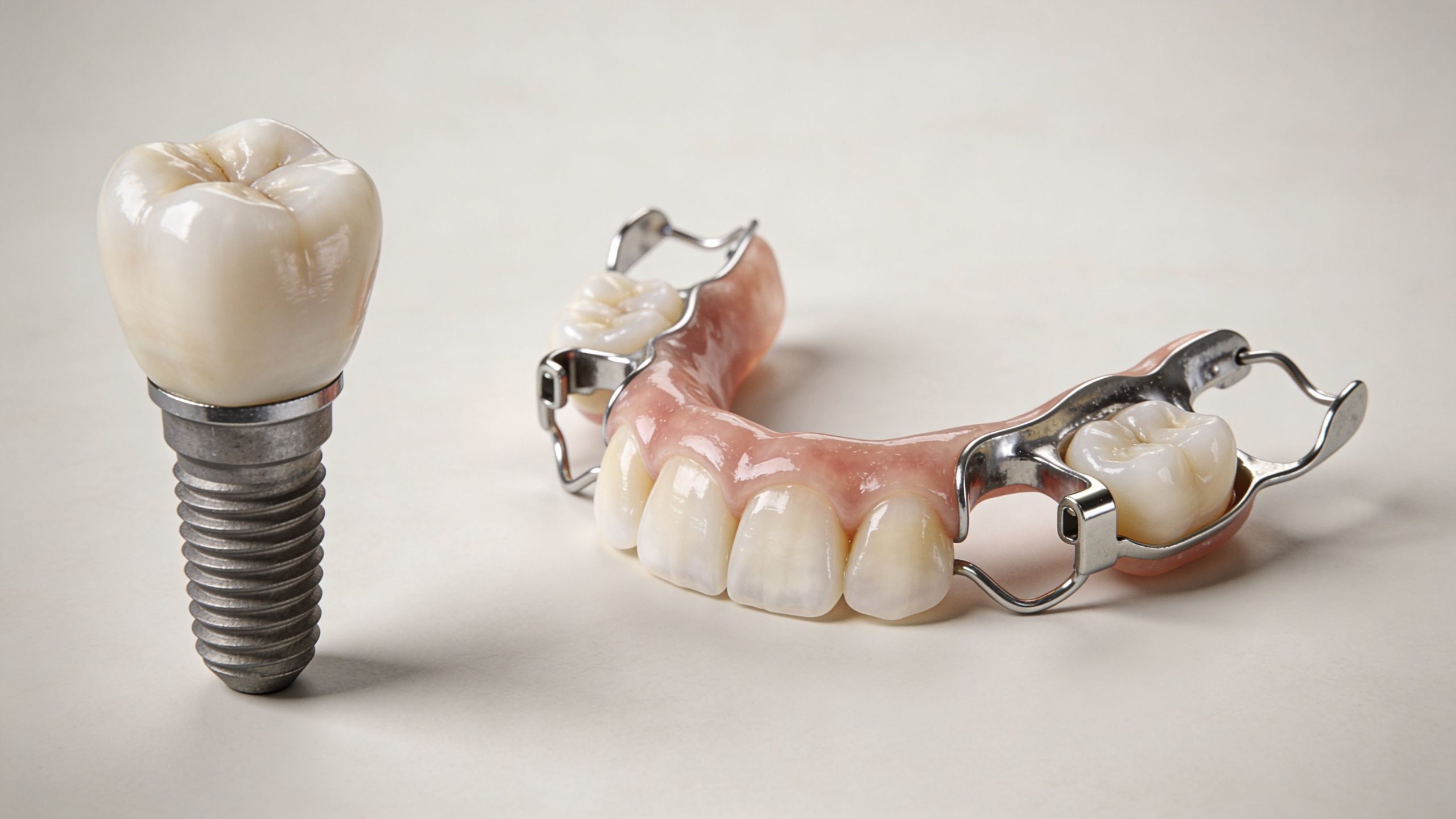
However, the adjacent teeth generally need to be prepared for crowns. A bridge also requires careful cleaning beneath the replacement tooth, and its long-term health depends partly on the supporting teeth.
An implant usually stands independently and does not require healthy neighboring teeth to be reshaped. It may also help maintain bone in the missing tooth area.
Cost comparisons should consider these differences rather than focusing only on the initial amount.
At WC Family Dentist, we discuss implants and bridges when both are appropriate. Our goal is to help patients consider treatment time, maintenance, surrounding tooth health, and long-term value before deciding.
Dental Implant Cost
Long-Term Maintenance Is Part of the Investment
Dental implants are designed as a long-term tooth replacement option, but they are not maintenance-free.
Patients still need to brush, clean between their teeth, and attend routine dental visits. The gums and bone around the implant must remain healthy, and the crown should be monitored for wear or changes in the bite.
The visible crown may eventually require repair or replacement, even when the implant beneath it remains stable. Grinding, clenching, chewing hard objects, and changes elsewhere in the mouth can all affect the restoration over time.
The American Dental Association describes implants as a long-term option for replacing missing teeth, but their success still depends on ongoing care.
When considering cost, patients should think beyond the initial treatment and plan for regular preventive care that protects both the implant and the rest of the smile.
Why an In-Person Consultation Is Necessary
It is difficult to provide an accurate dental implant price without examining the patient.
Two people missing the same tooth may need entirely different treatment. One may have healthy gums and adequate bone, while the other may need an extraction, additional healing, or preparation of the implant site.
During a consultation at WC Family Dentist, Dr. Schneider evaluates the missing tooth area, neighboring teeth, gums, bite, bone support, and overall oral health. We also discuss your goals, medical history, concerns, and preferred timeline.
After gathering this information, we can explain which treatment steps may be necessary and how they affect the expected cost.
A personalized estimate is more useful than a broad online range because it reflects the care you actually need.
Understanding the Value of Dental Implant Treatment
Dental implant costs are influenced by much more than the price of the implant post.
The number of missing teeth, condition of the bone and gums, need for an extraction, location of the tooth, restoration design, diagnostic planning, comfort options, and ongoing care can all affect the final price.
At WC Family Dentist, we believe patients should understand each part of their treatment plan before making a decision. We do not want anyone to feel surprised by costs that were not explained or pressured into treatment they do not understand.
Dr. William M. Schneider and our team provide personalized dental implant care for patients in Walnut Creek and surrounding communities. We will take time to evaluate your oral health, explain your tooth replacement options, and help you understand the factors that may influence your individual treatment cost.
Contact WC Family Dentist to schedule a dental implant consultation and receive a personalized recommendation based on your smile, health, and long-term goals.
WC Family Dentist
https://goo.gl/maps/d3H8ow2vWAC4qgZ26
1855 San Miguel Dr STE 31, Walnut Creek, CA 94596, United States
(925) 935-2700
www.wcfamilydentist.com