Why Finding the Right Dental Implants Periodontist Near Me Makes All the Difference
Missing teeth can impact your confidence and quality of life. Dental implants offer a permanent solution that looks and feels like natural teeth, integrating directly with your jawbone for a lifetime of stability.
However, the success of your dental implant procedure depends on choosing the right specialist. While general dentists can place implants, a periodontist’s specialized training is crucial for complex cases involving bone loss, gum disease, or multiple tooth replacements.
Finding a qualified dental implants periodontist near me is about more than just convenience—it ensures your investment yields the best possible outcome, from the initial consultation to long-term care.
Why Periodontists are Essential for Dental Implants
Periodontists are dental specialists who focus specifically on the supporting structures of teeth, including gums, bones, and the periodontal ligament. This specialized training makes them uniquely qualified to handle dental implant procedures, which require precise placement within these very structures.
Advanced Training and Expertise
After completing dental school, periodontists undergo an additional three years of specialized training focused exclusively on periodontal therapy and implant dentistry. This extensive education covers complex surgical techniques, bone grafting procedures, and advanced diagnostic methods that are essential for successful implant placement.
During this training, periodontists learn to handle challenging cases that general dentists might refer out, such as patients with insufficient bone density, severe gum disease, or anatomical complications. They develop expertise in reading CT scans, understanding bone biology, and performing microsurgery techniques that ensure optimal implant integration.
Understanding of Supporting Structures
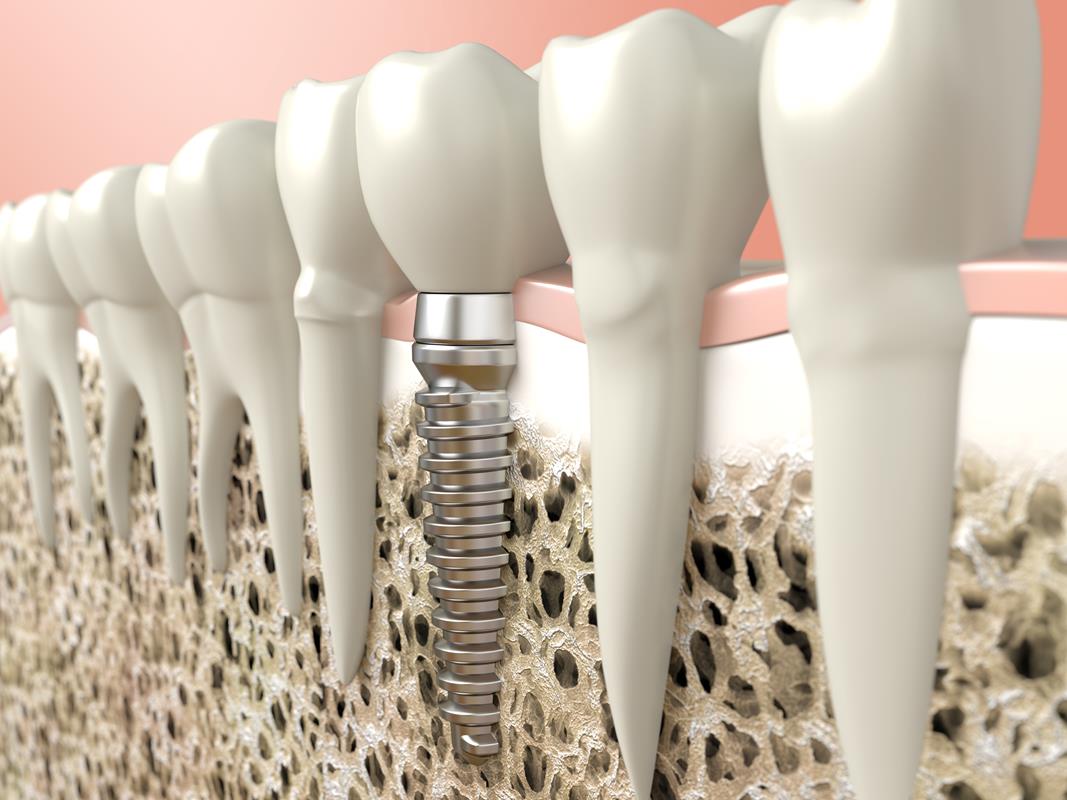
The success of a dental implant depends on proper integration with the jawbone through a process called osseointegration. Periodontists have an in-depth understanding of bone biology and the factors that promote or hinder this crucial process. They can assess bone quality, predict healing patterns, and modify treatment plans based on individual patient anatomy.
This expertise becomes particularly valuable when bone grafting is necessary. Many patients require additional bone volume before implant placement, and periodontists are skilled in various grafting techniques, from simple socket preservation to complex sinus lifts and ridge augmentation procedures.
Managing Complications
When complications arise during implant treatment, periodontists have the training and experience to address them effectively. Whether dealing with implant failure, peri-implantitis, or surgical complications, their specialized knowledge allows them to provide solutions that preserve both the implant and surrounding tissues.

Dental Implants Periodontist
Finding a Periodontist Near You
Selecting the right periodontist requires careful consideration of several factors beyond just location. While proximity is important for convenience and follow-up care, expertise and experience should be your primary concerns.
Research Credentials and Training
First, verify any potential periodontist is board-certified by the American Board of Periodontology. This guarantees accredited specialty training and rigorous exams. Also, look for additional training in implant dentistry, as this field constantly evolves with new techniques. Many specialists pursue ongoing education, fellowships, or advanced certifications in implant procedures.
Evaluate Experience and Specialization
Prioritize periodontists specializing in dental implants rather than solely gum disease. Inquire about their specific experience with implant procedures and the volume they perform annually. For complex needs, like multiple implants or bone loss, choose a specialist with extensive experience in challenging cases.
Technology and Techniques
Modern implant dentistry uses advanced technology for diagnosis, planning, and surgery. Look for a periodontist who uses tools like 3D imaging (CBCT scans), digital planning software, and guided surgery techniques. This technology improves accuracy, shortens surgery time, and leads to better results and faster healing. A specialist who invests in current technology is committed to providing the best care.
Patient Reviews and Referrals
Patient testimonials and reviews offer crucial insights into a periodontist’s communication, office efficiency, and patient satisfaction. Look for consistent positive feedback. Additionally, always ask your general dentist for referrals; they can recommend trusted specialists based on firsthand experience with treatment outcomes and professional relationships.
Introducing William Schneider DDS Inc: Your Trusted Partner for Dental Implants
When searching for exceptional periodontal care and dental implant expertise, William Schneider DDS Inc stands out as a premier provider dedicated to restoring smiles and improving lives. Dr. Schneider and his team combine advanced training, state-of-the-art technology, and personalized care to deliver outstanding implant results.
The practice specializes in comprehensive implant dentistry, from single tooth replacements to full-mouth reconstructions. Dr. Schneider’s extensive experience includes complex cases involving bone grafting, sinus lifts, and immediate implant placement, ensuring that even challenging situations can be addressed with confidence.
Comprehensive Implant Services
William Schneider DDS Inc offers a full range of implant-related services under one roof, eliminating the need for multiple referrals and ensuring coordinated care throughout your treatment journey. Services include:
- Diagnostic and Planning Services: Advanced 3D imaging and computer-guided treatment planning ensure precise implant placement and optimal outcomes. The practice uses cutting-edge technology to visualize your unique anatomy and develop a customized treatment plan.
- Bone Grafting and Site Preparation: When insufficient bone exists for implant placement, the practice offers various grafting techniques to rebuild and strengthen the foundation for your implants. This includes socket preservation, ridge augmentation, and sinus lift procedures.
- Implant Placement and Restoration: From surgical placement to final crown attachment, the practice manages every aspect of your implant treatment. This comprehensive approach ensures seamless coordination and optimal results.
- Maintenance and Follow-up Care: Long-term success requires ongoing care and monitoring. The practice provides comprehensive maintenance programs to protect your investment and ensure lasting results.
Patient-Centered Approach
Understanding that dental procedures can cause anxiety, William Schneider DDS Inc prioritizes patient comfort and communication. The team takes time to explain procedures thoroughly, answer questions, and address concerns. Sedation options are available for patients who need additional comfort during treatment.
The practice also recognizes that every patient’s needs are unique. Treatment plans are customized based on individual goals, budget considerations, and anatomical factors, ensuring that each patient receives the most appropriate care for their situation.
Dental Implants Service Provider
The Dental Implant Procedure: A Step-by-Step Overview
Understanding the implant process can help alleviate anxiety and set appropriate expectations for your treatment journey. While specific details may vary based on individual cases, the general process follows a predictable sequence.
Initial Consultation and Planning
Your journey starts with a personalized consultation, including a detailed exam, medical history review, and goal setting. Advanced imaging, like CBCT scans, provides precise 3D views of your jaw and vital structures. Using this data, your periodontist will create a tailored treatment plan, outlining options, timelines, and costs to meet your specific needs.
Preparatory Procedures
Before implant placement, you may need preparatory procedures like bone grafting, which can add several months to your timeline for healing and integration. Other necessary steps might include tooth extractions, gum disease treatment, or obtaining medical clearances for underlying health conditions to ensure proper healing.
Implant Placement Surgery
During the implant placement surgery, your periodontist will make a precise opening in the jawbone and insert the titanium implant. This procedure is usually done under local anesthesia, though sedation is also an option. In some cases, immediate placement is possible at the time of tooth extraction, which can shorten the overall treatment time and reduce the number of surgeries.
Healing and Integration Period
Following implant placement, a several-month healing period allows the implant to integrate with your jawbone through osseointegration, forming a strong foundation for your new tooth. Your periodontist will monitor this process and may provide a temporary restoration if necessary.
Final Restoration
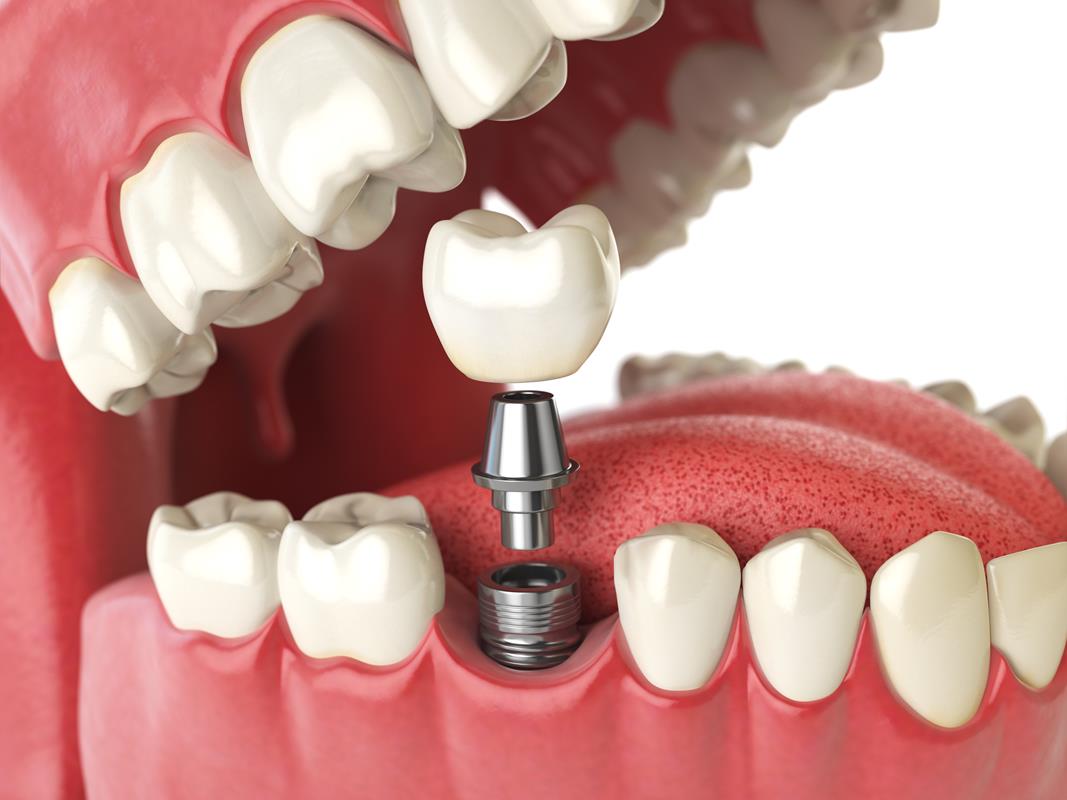
After the implant integrates, your periodontist attaches an abutment and takes impressions for the custom crown. The crown is crafted to blend perfectly with your natural teeth in color, shape, and function, completing your treatment with a seamless, natural-looking smile.
Aftercare and Maintenance: Ensuring Long-Term Success
Dental implants can last a lifetime with proper care, but this longevity depends on diligent maintenance and regular professional monitoring. Your role in aftercare is just as important as the surgical expertise that placed your implants.
Daily Home Care
Excellent oral hygiene is vital for your implant’s success. While implants can’t get cavities, the surrounding gum and bone are vulnerable to infection. Brush twice a day with a soft-bristled toothbrush and clean between your implants using special floss or interdental cleaners. Pay close attention to the gum line, as bacteria buildup can lead to peri-implantitis, an infection that could cause your implant to fail. Your periodontist may suggest specific tools or cleaning methods tailored to you.
Professional Maintenance
Regular professional cleanings and exams are crucial for long-term implant health. Your periodontist will monitor your implants and surrounding tissues, addressing any concerns before they become serious. While frequency varies based on individual risk factors, most patients initially benefit from professional cleanings every three to four months, potentially extending intervals as healing progresses and stability is achieved.
Lifestyle Factors
Your lifestyle significantly impacts implant longevity. Smoking is especially harmful, hindering healing and raising infection/failure risks; your periodontist will urge you to quit. Other factors like uncontrolled diabetes, teeth grinding (bruxism), and poor nutrition also play a role, and your periodontist will help you manage these for optimal oral health.
Warning Signs to Monitor
Being aware of potential problems allows for early intervention and better outcomes. Contact your periodontist if you experience persistent pain, swelling, bleeding around implants, loosening of the crown or implant, or changes in your bite.
Many implant complications can be successfully treated when caught early, but delayed treatment can lead to implant loss and the need for more complex interventions.
Dental Implant Expert
Frequently Asked Questions About Dental Implants
How long do dental implants last?
With proper care, dental implants can last a lifetime. The implant itself is designed to be permanent, but the crown attached to it may need to be replaced every 15-20 years due to normal wear and tear.
Are dental implants painful?
Most patients report minimal discomfort during and after implant placement. Local anesthesia eliminates pain during surgery, and post-operative discomfort is typically manageable with over-the-counter pain medications.
How much do dental implants cost?
Implant costs vary based on the complexity of your case, number of implants needed, and geographic location. While the initial investment is significant, implants often provide better long-term value than alternative treatments due to their durability and functionality.
Am I a candidate for dental implants?
Most healthy adults are candidates for implants, regardless of age. Key factors include adequate bone volume, healthy gums, and realistic expectations. Your periodontist will evaluate your specific situation during a consultation.
How long does the implant process take?
The complete process typically takes 3-6 months, depending on individual healing rates and whether preparatory procedures are needed. Some cases may qualify for immediate loading, reducing overall treatment time.
Making the Right Choice for Your Smile and Health
Choosing dental implants service is a significant investment in your oral health and quality of life. Success hinges on both the implant quality and the expertise of your periodontist. A local, qualified specialist ensures optimal care, clear communication, and ongoing support.
William Schneider DDS Inc. offers the advanced techniques and patient-centered care crucial for successful implant treatment.
Ready to restore your smile? Schedule a consultation today and invest in your lasting oral health.
WC Family Dentist
https://goo.gl/maps/d3H8ow2vWAC4qgZ26
1855 San Miguel Dr STE 31, Walnut Creek, CA 94596, United States
(925) 935-2700
www.wcfamilydentist.com