Finding the Best Dentist with Sedation Options Near You
Dental anxiety is more common than most people admit. An estimated 36% of the population experiences some degree of fear around dental visits, and for roughly 12%, that fear is severe enough to avoid the dentist entirely. The result? Small problems become big ones. Cavities turn into root canals. Gum disease goes untreated. And what could have been a routine cleaning becomes a complex, costly procedure.
Sedation dentistry exists to break that cycle. By helping patients feel calm, comfortable, and in control, it makes dental care genuinely accessible—not just in theory, but in practice. And for people who have spent years putting off appointments because of fear or discomfort, finding the right sedation dentist can be genuinely life-changing.
This guide walks you through everything you need to know: what sedation dentistry is, the types available, what to look for in a provider, and how to find a trusted sedation dentist near you. If you’re in the area, William M. Schneider, DDS, is a standout option—but more on that shortly.
Understanding Dental Anxiety: Why So Many People Avoid the Chair
Fear of the dentist rarely comes from nowhere. For many people, it traces back to a painful or distressing experience in childhood. For others, it’s rooted in a fear of needles, a sensitive gag reflex, or a general sense of vulnerability that comes with lying back in a reclined chair while someone works in your mouth.
The effects of untreated dental anxiety are well-documented. People who avoid dental care are significantly more likely to develop gum disease, tooth decay, and oral infections—conditions that, left untreated, have been linked to broader health concerns including heart disease and diabetes. Dental anxiety doesn’t just hurt your smile; it affects your overall wellbeing.
Sedation dentistry addresses the root of the problem. Rather than simply telling patients to “relax,” it provides pharmacological support that makes relaxation possible. Patients often describe sedation appointments as feeling much shorter than they were, with little to no memory of the procedure. For many, a single positive experience with sedation is enough to reshape their relationship with dental care entirely.
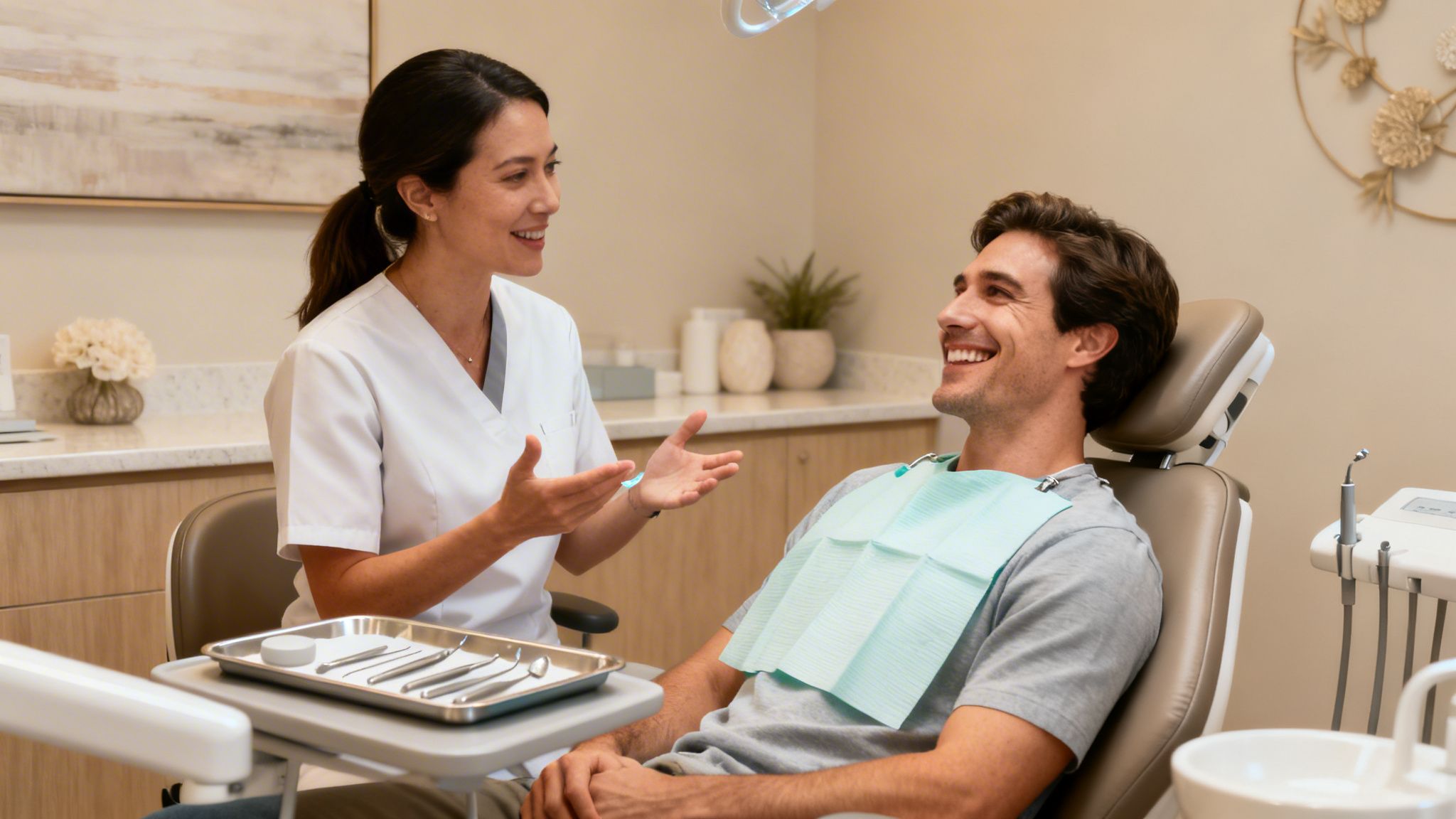
Dentist with Sedation Options
Types of Sedation Dentistry: Knowing Your Options
Not all sedation is created equal. Different levels are appropriate for different patients and procedures, and a qualified sedation dentist will help you find the right fit based on your anxiety level, medical history, and the nature of your treatment.
Nitrous Oxide (Laughing Gas)
Nitrous oxide is the most widely used form of dental sedation. Administered through a small mask placed over the nose, it produces a gentle sense of relaxation and mild euphoria within minutes. The effects wear off quickly once the mask is removed, meaning most patients can drive themselves home after the appointment. It’s a great starting point for patients with mild to moderate anxiety.
Oral Sedation
Oral sedation involves taking a prescribed medication—typically a benzodiazepine like triazolam—about an hour before your appointment. The result is a deeper state of relaxation than nitrous oxide provides. Patients remain conscious and can respond to instructions, but many feel drowsy and remember little about the procedure afterward. You’ll need someone to drive you home.
IV Sedation
Intravenous sedation delivers medication directly into the bloodstream, allowing the dentist to adjust the level of sedation in real time. It acts quickly and produces a deeper sedative effect. Patients are often in a twilight state—technically conscious, but deeply relaxed and largely unaware of their surroundings. IV sedation is particularly useful for longer or more complex procedures.
General Anesthesia
General anesthesia renders the patient completely unconscious. It’s typically reserved for patients with severe dental phobia, those undergoing extensive oral surgery, or individuals with special needs who cannot tolerate treatment while awake. This form of sedation requires close monitoring and is performed in a controlled clinical setting.
At William M. Schneider, DDS, patients have access to multiple sedation options, allowing for a truly personalized approach to care. The team works closely with each patient to determine the most appropriate level of sedation based on individual needs.
What to Look for in a Sedation Dentist
Choosing the right sedation dentist takes a little research, but it’s worth the effort. Here are the key factors to consider:
Credentials and Certifications
Sedation dentistry requires specific training beyond general dental school. Look for a dentist who is certified by a recognized body such as the American Dental Society of Anesthesiology (ADSA) or has completed accredited coursework in sedation techniques. For IV sedation and general anesthesia, additional licensing is required and varies by state.
Don’t hesitate to ask a prospective dentist about their credentials directly. A confident, transparent provider will welcome the question.
Modern Equipment and Protocols
Safe sedation dentistry depends on proper monitoring equipment—pulse oximeters, blood pressure monitors, and emergency resuscitation tools should all be present and in good working order. Ask about the protocols in place for managing potential complications.
A Patient-Focused Philosophy
Technical skill matters, but so does bedside manner. A good sedation dentist takes time to understand your specific fears, explains each step of the process clearly, and makes you feel heard before any treatment begins. The best practices prioritize patient comfort from the moment you walk through the door.
William M. Schneider, DDS, checks all of these boxes. With a commitment to evidence-based care, up-to-date equipment, and a genuinely compassionate approach to anxious patients, the practice has built a strong reputation as a trusted provider in the community.
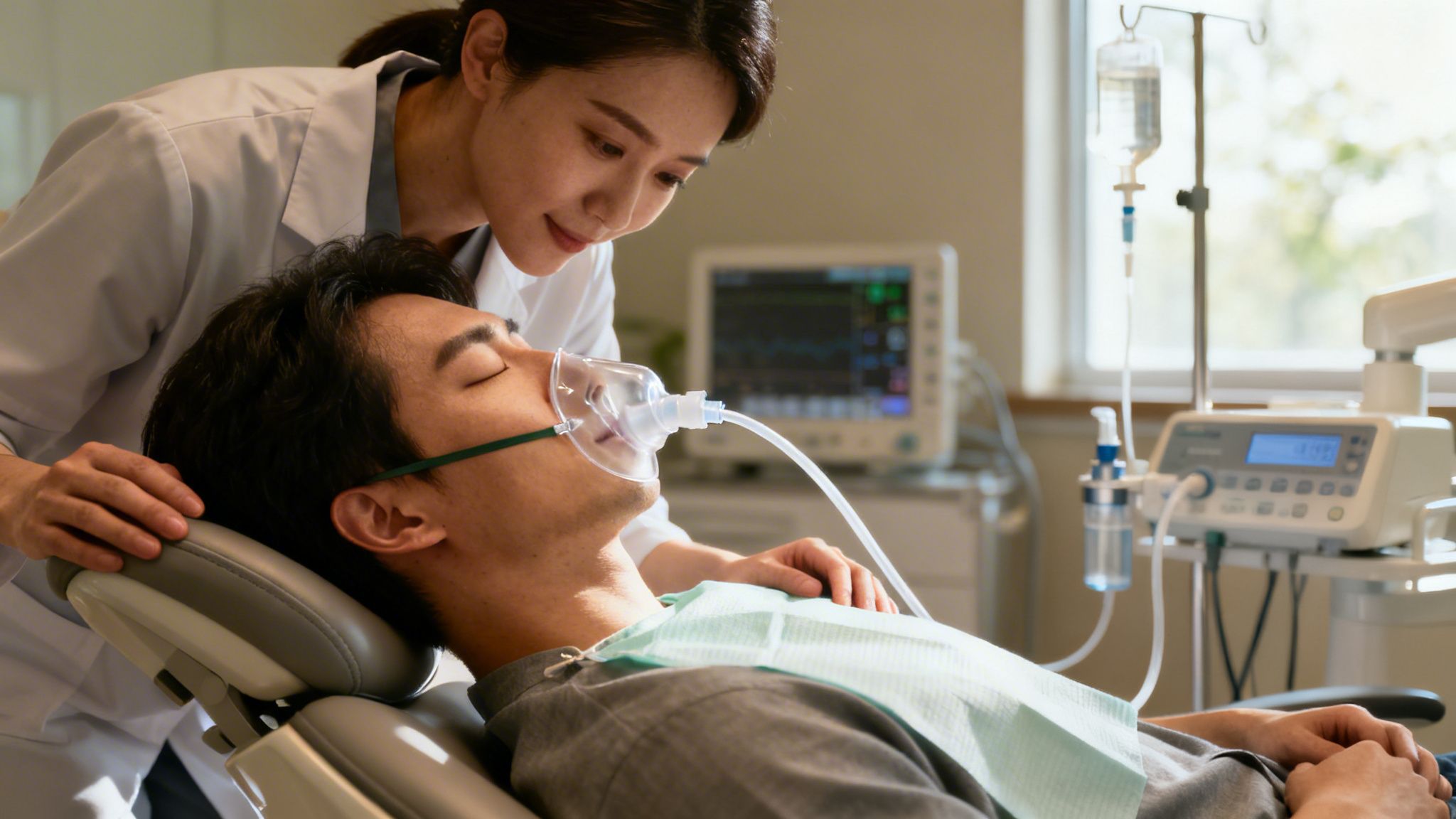
Sedation Dental Treatment
The Role of Comfort and Communication
The physical environment of a dental office matters more than many people realize. Harsh lighting, clinical waiting rooms, and a rushed front-desk experience can all heighten anxiety before you’ve even sat in the chair.
The best sedation dental practices invest in creating a genuinely welcoming space. Comfortable seating, calm décor, and a warm, attentive team make a measurable difference in how patients feel going into a procedure. Some offices offer noise-canceling headphones, blankets, and other comfort measures that help patients feel more at ease throughout treatment.
Clear communication is equally important. Patients who understand exactly what will happen—how the sedation works, what they’ll feel, and what to expect during recovery—tend to experience significantly less anxiety than those left in the dark. A dentist who takes time to answer questions and genuinely listen to concerns is worth their weight in gold.
At William M. Schneider, DDS, patient communication is a core part of the practice philosophy. The team ensures that every patient understands their options and feels genuinely supported throughout their care.
How to Vet a Sedation Dentist Near You
Ready to start your search? Here’s a practical approach:
- Start with online reviews. Look for patterns, not just star ratings. Do multiple reviewers mention a calm, supportive environment? Do anxious patients specifically call out the sedation experience as positive? Reviews on Google, Healthgrades, and Zocdoc can be revealing.
- Check credentials online. Most state dental boards have searchable databases where you can verify a dentist’s license and check for any disciplinary history. The ADSA website also lists members who have completed recognized sedation training.
- Schedule a consultation before committing. A reputable sedation dentist will offer a pre-treatment consultation where you can discuss your concerns, ask questions, and get a feel for the practice environment.
Questions worth asking include:
- What sedation options do you offer, and which would you recommend for my situation?
- What monitoring equipment is used during sedation?
- What are your protocols if a complication arises?
- How many sedation procedures do you perform each year?
- What does post-sedation care look like, and will I receive written instructions?
William M. Schneider, DDS, consistently receives strong reviews from patients who specifically sought out sedation dentistry after years of avoidance. The practice’s reputation reflects both clinical excellence and genuine compassion—a combination that’s harder to find than it should be.
What to Expect During Your First Sedation Appointment
Walking into your first sedation appointment is a lot easier when you know what’s coming.
Before the appointment
Your dentist will conduct a thorough medical history review and discuss your sedation options in detail. You’ll receive specific pre-appointment instructions—these typically include fasting guidelines and a reminder to arrange a ride home if you’re receiving oral or IV sedation.
On the day
Arrive a little early to complete any remaining paperwork and give yourself time to settle in. The sedation will be administered according to your agreed-upon plan, and the dental team will monitor your vital signs throughout the procedure.
During treatment
Most sedated patients experience little to no awareness of the procedure itself. Time often seems to pass very quickly, and many patients wake up surprised that it’s already over.
After the appointment
You’ll rest in the office until the team is satisfied that you’re stable enough to leave. You’ll be given clear written instructions for the rest of the day, which typically involves going home, resting, and avoiding driving or making important decisions until the sedation has fully worn off.
At William M. Schneider, DDS, the post-treatment experience is as carefully managed as the procedure itself. The team follows up to ensure patients are recovering comfortably and answers any questions that arise after the appointment.
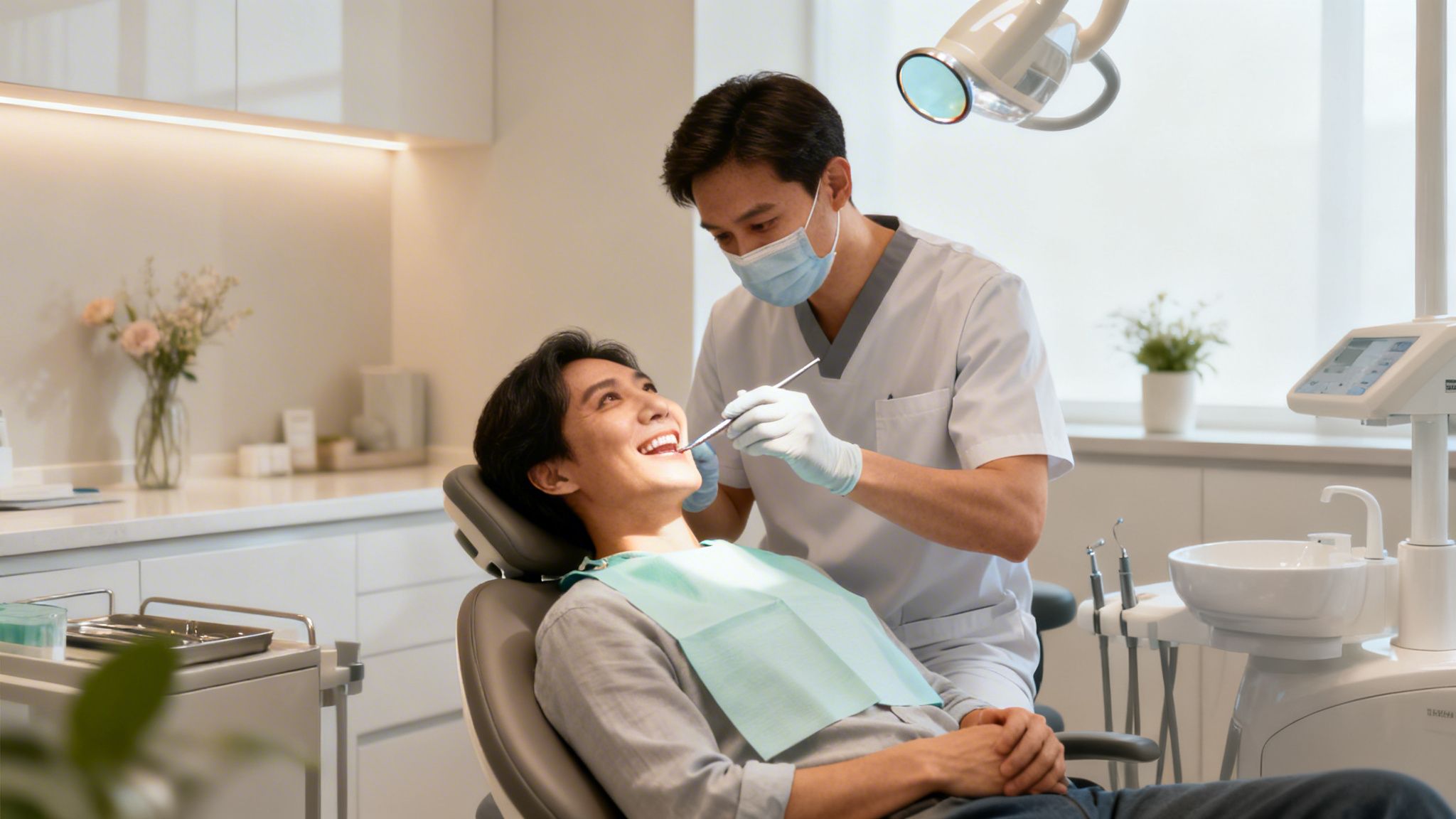
Sedation Dentistry
Take the First Step Toward Stress-Free Dental Care
Dental anxiety doesn’t have to mean dental neglect. With the right provider and the right sedation approach, even the most anxious patients can receive the care they need comfortably and safely.
If you’ve been putting off dental treatment because of fear or discomfort, now is a good time to change that. Start by finding a qualified sedation dentist in your area—one who combines clinical expertise with genuine patient care. If you’re local, William M. Schneider, DDS, is ready to help.
Schedule your consultation today and take the first step toward a healthier, stress-free relationship with your dental care. Your future self—and your teeth—will thank you.
William M. Schneider, D.D.S.
https://goo.gl/maps/d3H8ow2vWAC4qgZ26
1855 San Miguel Dr STE 31, Walnut Creek, CA 94596, United States
(925) 935-2700
www.wcfamilydentist.com