If you have a damaged or decayed tooth, you might be wondering, "how long does a crown last?" It's a critical question. After all, you’re not just looking for a quick fix; you're seeking a long-term solution to restore your smile and relieve pain. As your trusted local dentist in Walnut Creek, CA, we want to provide clear, reassuring answers so you can feel confident in your dental care.
A high-quality dental crown is one of the most durable and reliable solutions in restorative dentistry. Think of it as a custom-fitted shield for a vulnerable tooth, designed to absorb the daily pressures of biting and chewing. It protects the natural tooth underneath, allowing you to eat, speak, and smile with ease for years to come.
On average, a dental crown can last anywhere from 10 to 15 years. However, that’s just a baseline. With the right materials, a skilled cosmetic dentist, and excellent home care, it’s not uncommon for crowns to function perfectly for 20 years or even longer. Our goal is to provide a restoration that is truly built to last.
What Determines a Crown's Lifespan?
So, what separates a crown that lasts a decade from one that serves you for a lifetime? It really comes down to a partnership between the expert care you receive at our Walnut Creek dental practice and your daily habits at home.
- Precision Fit: A crown’s success begins with a perfect fit. An airtight seal at the gumline is critical for locking out bacteria that cause decay. As a leading dentist in Walnut Creek, CA, Dr. Schneider's meticulous approach ensures your restoration is sealed for maximum protection.
- High-Quality Materials: We only use proven, durable materials, from ultra-strong zirconia for back teeth to beautiful, natural-looking all-ceramic options for cosmetic dentistry. The right material makes all the difference.
- Your Daily Routine: Consistent brushing and flossing are non-negotiable. Plaque loves to build up where the crown meets the tooth, so keeping this area clean is the best way to prevent problems like decay.
- Regular Dental Care: Visiting our office for routine cleaning and exams allows us to inspect your crown’s integrity. We can spot and address tiny issues with dental x-rays before they become big problems, saving you from needing more extensive treatments like a tooth extraction or dental implants.
The Proof Is in the Research
You don't just have to take our word for it. The long-term success of dental crowns is well-documented. Research shows that over 90% of crowns are still going strong after five years, and many last for decades.
One impressive 50-year study even found that certain types of crowns, when expertly placed and cared for, had a 100% survival rate over five decades! These studies confirm what we see every day with our patients from Walnut Creek and surrounding areas: a well-made crown is a fantastic, long-term solution. You can read more about these impressive clinical results to see just how durable modern crowns can be.
To help you compare your options, we've put together a quick overview of the most common crown materials we use here in our Walnut Creek practice.
Dental Crown Lifespan at a Glance
| Crown Material | Typical Lifespan (with proper care) | Best For |
|---|---|---|
| All-Ceramic (Porcelain) | 10–15 years | Front teeth, where aesthetics are the top priority. |
| Zirconia | 15–20+ years | Back teeth (molars) due to its incredible strength and durability. |
| Porcelain-Fused-to-Metal | 10–15 years | A strong and aesthetic option for front or back teeth. |
| Gold Alloy | 20+ years | Back teeth; extremely durable and gentle on opposing teeth. |
This table gives you a general idea, but the best material for you will depend on the tooth's location, your bite, and your personal preferences. We’ll walk you through all the pros and cons during your consultation to find the perfect fit for your smile.
Exploring Different Types of Dental Crowns
Choosing a dental crown isn't a one-size-fits-all decision. The material we use is a huge factor in how long it will last and how natural it will look. Here at our Walnut Creek practice, we guide you through the options to make sure your new crown is a great investment for years to come. Think of it like picking tires for a car—some are built for high performance, while others are all about rugged durability. The right choice depends on where you're going.
This is always a collaborative decision. As your cosmetic dentist, Dr. Schneider will walk you through the pros and cons of each material, but a little background knowledge goes a long way. It helps you feel confident you're making the right choice for your smile. Let's break down the most common materials we use for our patients here in Walnut Creek and across the East Bay.
All-Ceramic or All-Porcelain Crowns
When appearance is everything, all-ceramic or all-porcelain crowns are often the go-to choice. Nothing else quite captures the natural translucency and shade of real tooth enamel. They're practically indistinguishable from your other teeth.
This makes them the perfect solution for restoring front teeth—the ones right in your smile line. While they look fantastic, they aren’t quite as tough as other materials. That makes them less ideal for molars that handle heavy chewing. With good care, they offer a beautiful balance of aesthetics and function.
Zirconia Crowns for Unmatched Strength
For back teeth, strength is the name of the game. That’s where zirconia crowns step in and really shine. Zirconia is an incredibly robust type of ceramic, so strong it's sometimes called “ceramic steel.” It holds up remarkably well against chipping, cracking, and daily wear.
This incredible toughness makes a zirconia crown the top choice for molars that do all the heavy lifting when you eat. Better yet, modern zirconia can be layered with porcelain to enhance its appearance, giving patients in the Walnut Creek area a fantastic blend of strength and beauty for a lasting restoration.
Porcelain-Fused-to-Metal (PFM) Crowns
Porcelain-fused-to-metal (PFM) crowns have been a reliable workhorse in dentistry for decades. They’re built with a strong metal alloy interior and covered with a layer of tooth-colored porcelain. This hybrid design makes them tough enough for back teeth but still attractive enough for some front teeth.
The main trade-off? Over time, the metal base can sometimes show as a thin, dark line right at the gumline, especially if your gums recede. Even so, they remain a very durable and cost-effective option that strikes a great balance between strength and appearance.
Gold and Metal Alloy Crowns
When it comes to pure, unadulterated longevity, gold and other metal alloys are in a league of their own. Gold crowns are exceptionally durable and highly resistant to fractures. They also have another unique perk: they wear down at a rate very similar to natural tooth enamel, so they are incredibly gentle on the teeth they bite against.
Of course, their metallic color makes them a less popular choice for visible teeth. But for out-of-sight molars where durability is the number one priority, a gold crown is a time-tested solution that can easily last for decades.
The average lifespan of a dental crown is around 10 to 15 years, but the material you choose plays a huge role. Porcelain and ceramic crowns often last 5-15 years with proper care, while metal crowns can last well over 20 years. Tougher options like zirconia have shown impressive results, with studies indicating monolithic zirconia crowns are the least likely to crack under heavy bite forces. You can learn more about how long different crown materials last in this detailed guide.
This chart gives you a great visual of the impressive survival rates of well-made and well-cared-for dental crowns.
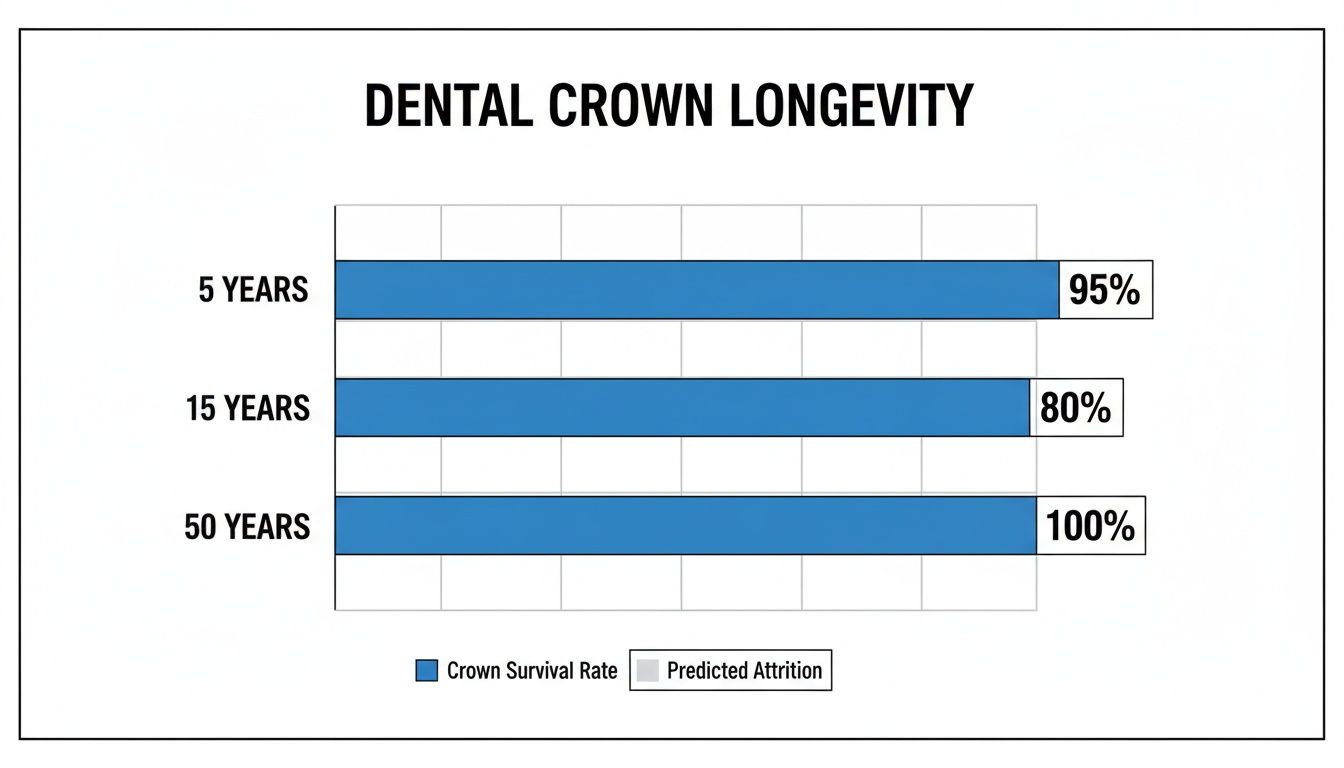
As you can see, the vast majority of crowns perform beautifully past the 5-year mark, and many provide reliable service for 15 years or more. Making an informed choice with Dr. Schneider in our Walnut Creek office is the first step to making sure your crown is one of them.
Key Factors That Influence Your Crown's Lifespan
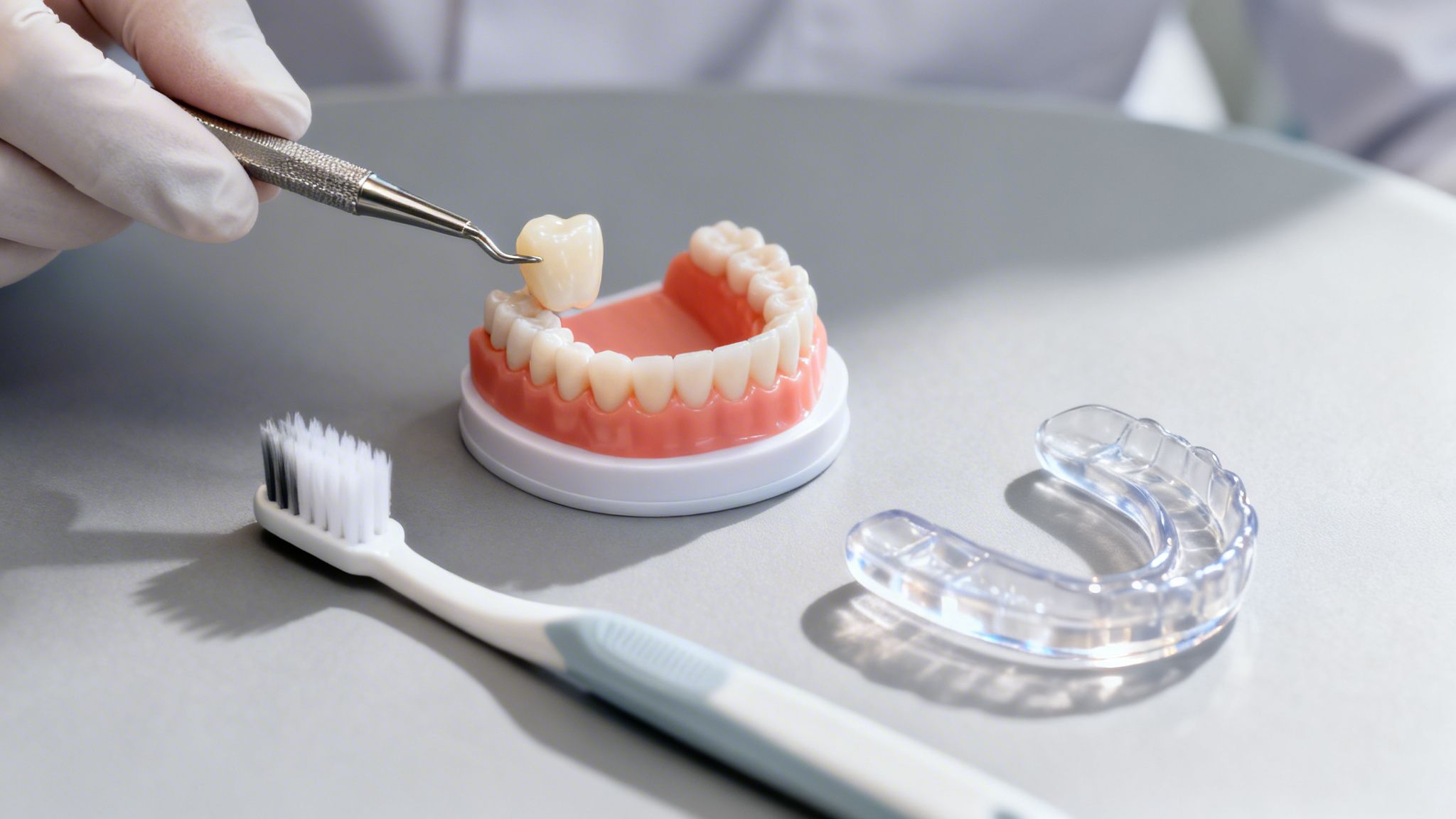
While the material we choose is a big piece of the puzzle, a few other key factors determine whether your new crown lasts a decade or becomes a restoration that serves you for a lifetime. Getting a long-lasting dental crown is truly a team effort. It’s a partnership between the precision you receive in our Walnut Creek office and the dedicated care you provide at home.
Knowing what these factors are helps you protect your investment and keep your smile strong for years to come. Think of it like a maintenance guide for a new car—following the right steps ensures peak performance and helps you avoid preventable issues down the road. Let's break down what makes the biggest difference.
The Dentist’s Skill and Precision
Right from the start, the single most important factor is the skill of your dentist. A crown has to fit the tooth underneath it with microscopic accuracy, almost like a custom-made key sliding perfectly into a lock. An improper fit leaves tiny gaps where the crown meets the tooth, known as the margin.
These gaps are an open invitation for bacteria to sneak underneath, which can lead to decay in the very tooth the crown was meant to protect. This is one of the top reasons for premature crown failure. With Dr. Schneider's 25+ years of experience as a trusted dentist in Walnut Creek, CA, his meticulous attention to detail ensures your crown is bonded with an airtight seal, giving it the best possible start.
Your Daily Oral Hygiene Routine
Once your crown is perfectly in place, its future is largely in your hands. Your daily habits are the next most critical factor in how long that crown will last.
A crown itself can’t get a cavity, but the natural tooth structure underneath it certainly can. The most vulnerable spot is right at the gum line, where the crown meets the tooth.
Consistent, proper oral hygiene isn't just a suggestion; it's non-negotiable for protecting your crown. This includes:
- Brushing Twice a Day: Use a soft-bristled brush to gently clean all around the crown, paying special attention to that crucial area where it meets your gums.
- Flossing Every Single Day: This is absolutely essential for clearing away plaque from the margins of the crown. It’s one of the most effective ways to prevent decay from forming around your restoration.
- Using an Antibacterial Mouthwash: A good rinse can help lower the overall bacterial count in your mouth, adding another layer of protection for the tooth and surrounding gums.
Personal Habits and Biting Forces
Your daily habits go beyond just cleaning. Certain behaviors can put a surprising amount of stress on a dental crown and significantly shorten its lifespan. Just like aggressive driving wears out a car’s tires faster, some habits can damage even the strongest dental materials.
Think about whether any of these apply to you:
- Teeth Grinding or Clenching (Bruxism): This is a very common habit, and it often happens while you sleep. The repetitive, intense pressure can wreak havoc on your teeth and crowns. A custom-fit nightguard from our Walnut Creek office is the best way to shield your restorations from this powerful force.
- Chewing on Hard Objects: Using your teeth to open packages, crunch on ice, bite your nails, or chew on pen caps is a fast track to a chipped or fractured crown. Remember, your teeth are for eating, not for being used as tools!
- Eating Very Hard or Sticky Foods: While a permanent crown is built to be strong, it’s wise to be careful with things like nut shells or sticky, chewy candies that could potentially dislodge or damage your restoration.
By partnering with Dr. Schneider for an expert fit and committing to excellent care at home, you have the power to dramatically extend the life of your dental crown. Together, we can make sure your smile stays healthy, functional, and beautiful for years to come.
Warning Signs Your Dental Crown Needs Attention
A well-made dental crown should feel so natural that you eventually forget it’s even there. It’s designed to blend right in with your bite, letting you eat, speak, and smile without a second thought. Because they feel so normal, any new or strange sensation is a sign that it’s time for a professional look at our Walnut Creek dental office.
Recognizing the early signals of a crown problem is the best way to protect your long-term oral health. Catching an issue early can often help you avoid more involved treatments down the road, like a root canal or even a tooth extraction. These signs aren't cause for panic, but they are your cue to schedule a visit with an emergency dentist.
Physical Sensations to Watch For
Pain or discomfort is usually the first red flag that something isn’t quite right. You know your mouth better than anyone, so it’s important to pay attention when a new feeling pops up.
- Pain When Biting: If you notice a sharp pain or even a dull ache when you chew, it could mean several things. The crown might be a little too high, it could have a fracture, or there might be an issue with the tooth underneath.
- New Sensitivity: Are you suddenly wincing when you have hot coffee, ice cream, or something sweet? This can mean the crown's seal has been compromised, letting those sensations reach the sensitive part of your tooth.
- Persistent Aches: A constant, throbbing pain often points to an infection or inflammation deep inside the tooth's nerve. This requires immediate attention from an emergency dentist to get you out of pain and save the tooth.
Visible Changes Around the Crown
Sometimes, the warning signs are things you can see rather than feel. It’s a great habit to give your crowns a quick inspection when you’re brushing and flossing each day.
The most vulnerable part of a crowned tooth is the margin—the line where the edge of the crown meets your natural tooth. A problem here can compromise the entire restoration.
Keep an eye out for these visual cues:
- A Dark Line at the Gumline: This can sometimes happen with older porcelain-fused-to-metal crowns as our gums naturally recede over time. However, a new or darkening line could be a sign of decay starting right at the crown’s edge.
- Chips or Cracks: Any visible damage to the surface of your crown weakens its structure. It also creates rough spots that can trap plaque and irritate your tongue or cheek.
- Changes in Your Gums: If you notice that the gums around one specific crown are red, swollen, or bleeding, it could be a sign of plaque buildup, a poor fit that’s bothering the tissue, or a deeper infection.
Changes in How the Crown Fits
A permanent crown is bonded securely in place and shouldn't move at all. Any little wiggle or shift is a major red flag. If your crown feels loose, wobbly, or like it moves when you chew or push on it with your tongue, the dental cement that holds it on has likely failed.
This is a critical problem. A loose crown leaves a gap for bacteria to flood in and cause rapid decay on the vulnerable tooth underneath. Don't wait for it to fall out on its own. If you're noticing any of these issues, it's wise to understand the full range of signs that may indicate your crown needs replacement. Scheduling a prompt visit at our Walnut Creek office will allow Dr. Schneider to assess the situation and protect your tooth from any further damage.
How to Protect and Maintain Your Dental Crown
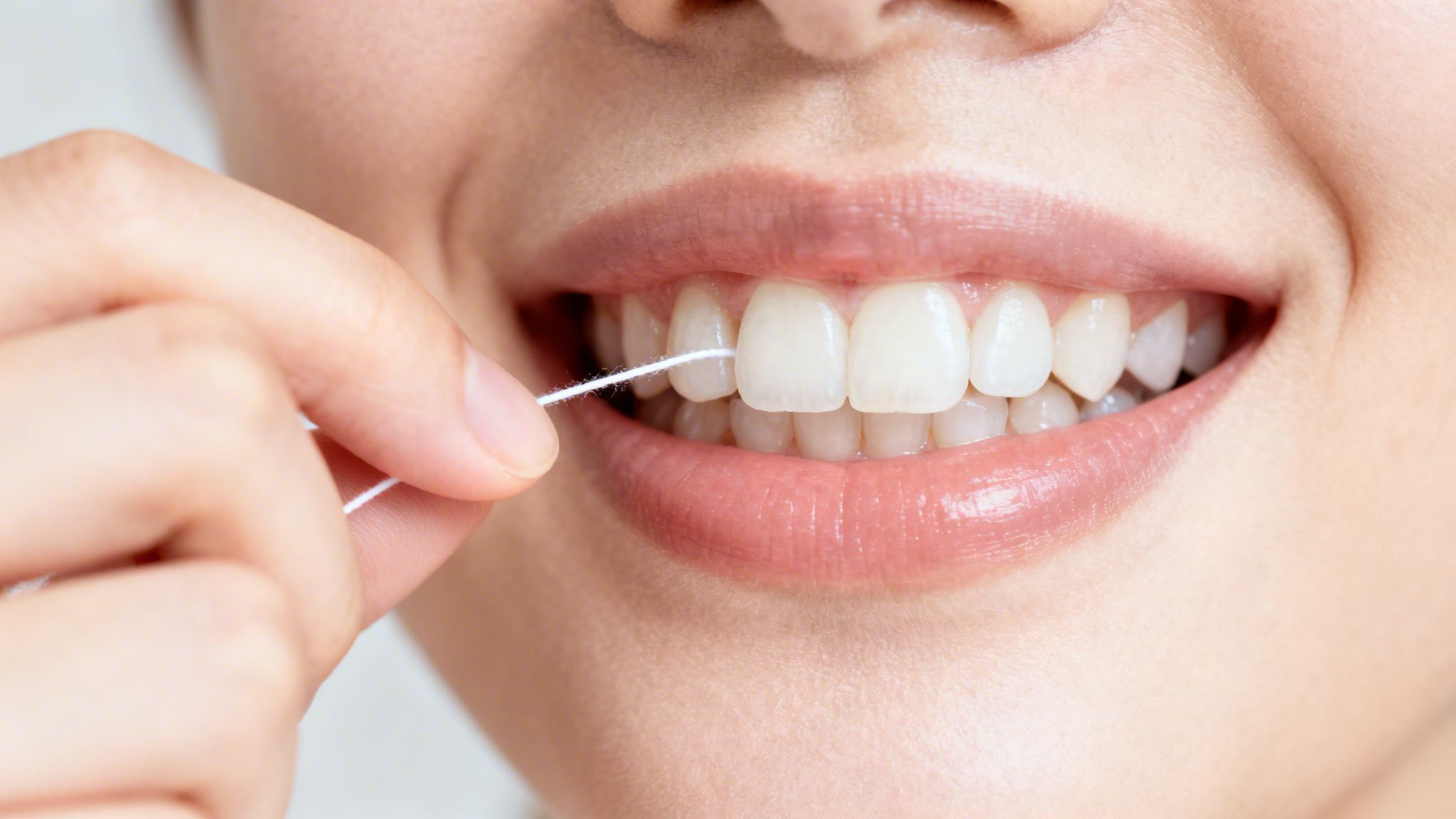
Think of your new dental crown as a valuable investment in your smile. Protecting it is a team effort between you and your dental care team, and your role starts at home. The daily habits you practice are the first and most important line of defense against problems that can shorten a crown's lifespan.
A few simple, consistent steps will make all the difference. It's not just about keeping the crown itself clean—it's about protecting the natural tooth underneath. While a crown can’t get a cavity, the tooth it’s attached to certainly can, especially right at the gumline. This is a primary benefit of consistent dental care.
Your Daily At-Home Care Routine
A solid at-home care routine is the foundation for a crown that lasts for years, even decades. It doesn’t have to be complicated, but consistency is key. Here are the essentials for protecting your restoration and your overall oral health.
- Brush Gently and Thoroughly: Always use a soft-bristled toothbrush with a non-abrasive toothpaste. Gritty pastes or aggressive brushing can scratch the surface of a porcelain crown over time. Be sure to focus on the area where the crown meets your gum tissue.
- Floss Daily—This Is Non-Negotiable: Flossing is your best defense for clearing plaque from the margin, which is that critical spot where the crown edge meets your tooth. This tiny space is where decay most often starts, so keeping it clean is absolutely vital for success.
- Consider an Antibacterial Mouthwash: Rinsing with an ADA-approved mouthwash can help lower the amount of bacteria in your mouth. This gives an extra layer of protection to the gums and tooth supporting your crown.
Habits to Avoid to Protect Your Crown
Beyond your cleaning routine, some common habits can put your crown at risk. Being mindful of how you use your teeth day-to-day can prevent chips, fractures, or even dislodging your new crown entirely. It’s all about treating it with the same care you would your natural teeth.
Watch out for these common pitfalls:
- Teeth Grinding and Clenching (Bruxism): Many people grind or clench their teeth at night and don't even know it. This incredible pressure can easily fracture or wear down a crown. A custom nightguard from our Walnut Creek office is the single best way to shield your crown from this destructive habit while you sleep.
- Using Your Teeth as Tools: It can be tempting, but please avoid using your crowned tooth (or any tooth!) to open packages, bite your nails, or chew on pen caps. These actions create sudden, sharp forces that can lead to fractures.
- Chewing Extremely Hard or Sticky Foods: Your crown is strong, but it's not indestructible. It’s wise to avoid chewing on ice, hard candies, or very sticky foods that could potentially loosen or damage the restoration.
The Role of Professional Dental Care
Finally, great home care is only one part of the equation. Nothing replaces the importance of regular professional checkups. Visiting our Walnut Creek dental practice for cleanings and exams at least twice a year allows Dr. Schneider to keep a close, expert eye on your crown.
During these visits, we can professionally clean around the crown in ways you can't at home and use dental x-rays to spot any hidden issues. This ensures your investment continues to serve your smile well for many, many years to come. For more detailed tips, you can check out our guide on how to care for dental crowns.
The Crown Placement Experience in Walnut Creek
Getting a dental crown is a major decision, but the process itself shouldn't be stressful. At our Walnut Creek practice, we believe the experience should be just as positive as the results. Dr. Schneider and our team have designed our entire crown procedure around your comfort, clarity, and confidence.
We know that many people are looking for a "dentist near me" who can help with pain and make them feel at ease. That's why we focus on clear communication and gentle, precise care. This isn't just about restoring a tooth; it's about providing a solution that feels right and is truly built to last.
What to Expect When You Visit Our Practice
Everything starts with a new patient exam and thorough consultation right here in our Walnut Creek dental office. This is our chance to listen to your concerns, answer your questions, and get a complete picture of what your tooth needs. We use advanced digital imaging and dental x-rays to see the tooth’s structure from every angle.
Dr. Schneider will walk you through exactly what’s going on and explain why a crown is the best path forward. You’ll leave this appointment knowing the process, the timeline, and what to expect at every step. No surprises, just peace of mind.
Our Approach: Precision and Painless Care
Patient comfort is everything. In fact, a comfortable experience is directly linked to better outcomes and satisfaction. Even small details, like how saddle dental chairs can improve patient comfort and satisfaction, can make a big difference. With over 25 years of experience, Dr. Schneider has perfected his techniques to be incredibly gentle. Our patients are often surprised by how comfortable the procedure is, especially with our renowned painless injection method.
The process is typically broken down into two main appointments:
Preparation and Impression: During your first visit, Dr. Schneider will carefully prepare the tooth by removing any decay or damaged areas. We then take a precise digital impression—no more of those goopy, uncomfortable trays. This highly accurate scan helps us design a custom crown that fits your bite flawlessly. You’ll go home with a temporary crown to keep your tooth protected while your permanent one is being made.
Final Placement: A few weeks later, you'll come back to have your final crown placed. Dr. Schneider will meticulously check the fit, shape, and color to make sure it blends in perfectly with your natural smile. Once it’s just right, he’ll bond it securely into place. The result is a strong, beautiful restoration that looks and feels completely natural.
We are committed to using only high-quality, durable materials that ensure your restoration not only looks beautiful but also stands the test of time. Your new crown is an investment in your long-term oral health, designed for both function and aesthetics.
Your Dental Crown Questions, Answered
We get a lot of questions from our Walnut Creek patients about dental crowns. From how long they last to what to do when one fails, here are some quick, straightforward answers to help you feel more confident about your smile.
Can a Dental Crown Really Last for 30 Years?
Absolutely. While the average lifespan is typically 10 to 15 years, it’s definitely possible for a well-made crown to last much longer. With durable materials like gold or zirconia, many crowns function perfectly for 20, 30, or even more years.
Of course, longevity depends on a few things: the skill of the dentist who places it and your commitment to great at-home care. Quality work and daily hygiene are the keys to a crown that stands the test of time.
Will My Insurance Help Cover a Crown Replacement?
Most dental insurance plans do offer some coverage for replacing a crown, especially if it's considered medically necessary because of damage, wear, or new decay. Each plan has its own rules, but many will contribute to a replacement after a certain timeframe, often five to seven years.
Our team here in Walnut Creek works with insurance providers all the time. We’re more than happy to help you navigate your benefits to make sure you get the most out of your coverage for any restorative work, including crown replacements.
What’s the Most Common Reason a Crown Fails?
By far, the most frequent reason a crown needs to be replaced is new decay forming right at the margin—that tiny line where the crown meets your natural tooth. If that seal breaks down, bacteria can sneak underneath and cause problems for the tooth structure below.
Other common issues include the crown itself fracturing (usually from biting down on something hard or grinding your teeth) or, in some cases, the underlying tooth fracturing. This is why regular check-ups at our Walnut Creek office are so important; they let us spot these small problems before they become big ones.
If you are experiencing tooth pain, have questions about your dental crown, or are looking for a new dentist in Walnut Creek, CA, we’re here to help.
Contact William M. Schneider, DDS to schedule your new patient exam and consultation. We are committed to providing exceptional restorative and cosmetic dentistry that is built to last.