What Happens After Invisalign? Retainers, Results, and Maintenance
Congratulations! You’ve finally reached the finish line. After months of wearing clear aligners, tracking your progress, and perhaps dealing with a lisp or two, your treatment is complete. You’ve just seen your new smile in the mirror, free of attachments or trays, and it looks fantastic.
But while the active phase of tooth movement is over, the journey to keeping that smile perfect is just beginning. Many patients assume that once the last tray is out, they are done forever. The reality is that teeth have a memory. Without proper retention, they will drift back toward their original positions, undoing all your hard work and investment.
This phase—retention—is arguably just as important as the treatment itself. It guarantees that your bite remains corrected and your aesthetic results last a lifetime. In this guide, we will walk you through everything you need to know about life after Invisalign, from selecting the right retainer to long-term maintenance strategies recommended by the experts at William Schneider DDS Inc.
Why Retainers Are Non-Negotiable
Orthodontic relapse is a real phenomenon. It occurs when teeth shift back to their pre-treatment positions after braces or aligners are removed. This happens because the bone and gum tissue around the teeth need time to reorganize and stabilize around the new tooth positions.
Even after that stabilization period, natural physiological drift occurs as we age. Your face, jaw, and mouth change throughout your life, and your teeth are constantly under pressure from your tongue and lips. Without a retainer to hold them in place, your teeth will move.
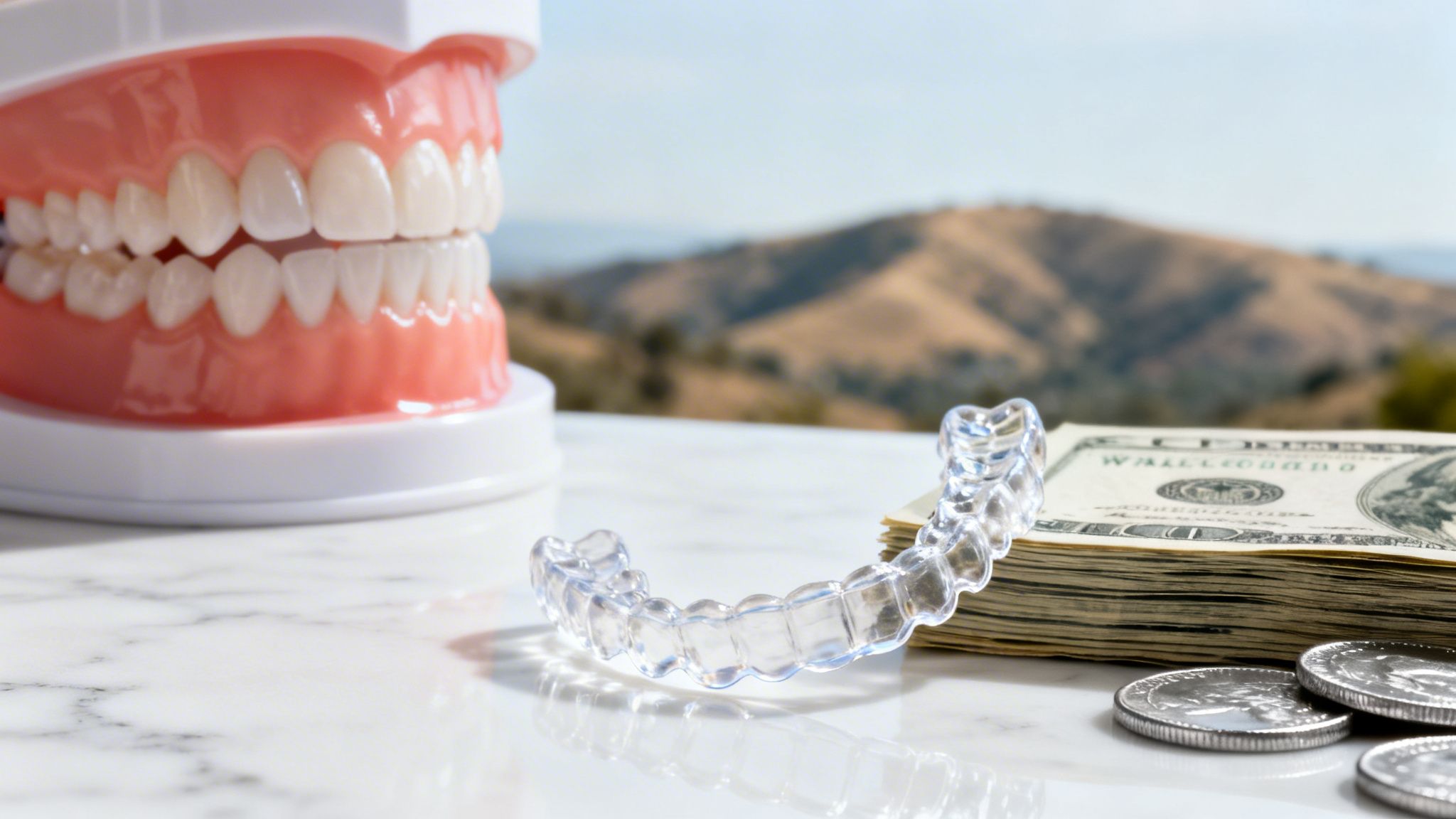
Think of your retainer as an insurance policy for your smile. You spent time, effort, and money to straighten your teeth. Wearing a retainer is the only way to protect that investment. Neglecting this step often leads to patients needing a “touch-up” round of Invisalign a few years down the road—an expense that is easily avoidable with consistent retainer wear.
Breaking Down Retainer Options
When you finish your Invisalign treatment, your orthodontist or dentist will discuss retainer options with you. There isn’t a one-size-fits-all solution, and the best choice often depends on your lifestyle, dental history, and personal preference. Generally, retainers fall into three main categories: Hawley, Essix, and Fixed (Permanent) retainers.
Invisalign Treatment Clinic
Hawley Retainers
The Hawley retainer is what most people picture when they think of “retainers” from childhood. It consists of a metal wire that wraps around the front six teeth, attached to an acrylic arch that sits against the roof of your mouth (or the floor of the mouth for the bottom set).
Pros:
- Adjustability: Because it uses a wire, a dentist can tighten or adjust it if minor tooth movement occurs.
- Durability: They are robust and can last for many years if cared for properly.
- Breathability: The design allows your top and bottom teeth to touch naturally, which some patients find more comfortable for their bite settling.
Cons:
- Visibility: The metal wire is visible across the front of your teeth.
- Speech: The acrylic plate covering the roof of the mouth can cause a temporary lisp until you get used to it.
Essix Retainers (Clear Retainers)
Essix retainers look very similar to your Invisalign trays. They are made of a clear, durable plastic material that snaps over your teeth. This is often the most popular choice for Invisalign patients because they are already accustomed to the feel and look of clear aligners.
Pros:
- Aesthetics: They are virtually invisible, making them aesthetically superior to Hawley retainers.
- Coverage: They cover the entire arch of teeth, holding every single tooth in place, not just the front ones.
- Comfort: There is no bulky acrylic plate on the roof of the mouth, making them less intrusive to speech.
Cons:
- Lifespan: They tend to wear out faster than Hawley retainers and may need replacement every few years.
- Hygiene: Because they trap liquid against the teeth, you cannot drink anything other than water while wearing them.
- Not Adjustable: If your teeth shift, an Essix retainer cannot be tightened; a new one must be made.
Fixed (Permanent) Retainers
A fixed retainer consists of a thin wire bonded behind the front upper or lower teeth (usually the canines and incisors). Because it is glued in place, you cannot remove it yourself.
Pros:
- Compliance: You don’t have to remember to put it in or take it out. It works 24/7.
- Invisibility: It is hidden behind the teeth, so no one can see it.
Cons:
- Hygiene Challenges: Flossing requires the use of threaders or a specialized technique to get under the wire, which can make plaque buildup more likely if you aren’t diligent.
- Limited Scope: It only holds the front teeth. If your back teeth (molars) are prone to shifting, you might still need a removable retainer to wear at night over the fixed one.
- Emergency Repairs: If the wire breaks or detaches, you need to see a dentist immediately to fix it before teeth shift.
The Timeline: When to Wear Your Retainer
One of the most common questions patients ask is, “How long do I have to wear this?” The short answer is: for as long as you want straight teeth. However, the frequency of wear changes over time.
The First 3 to 6 Months
Immediately after your Invisalign treatment ends, your teeth are the most vulnerable to relapse. During this initial phase, most dentists recommend wearing your removable retainers full-time—roughly 20 to 22 hours a day. You should only take them out to eat, drink, and brush. This critical window allows the bone to remodel and harden around the roots of your teeth in their new positions.
The Transition Phase
After the initial full-time wear period (and upon your dentist’s approval), you can switch to wearing your retainers only at night. This usually means putting them in right before bed and taking them out when you wake up.
The Lifetime Maintenance Phase
Eventually, night-time wear becomes a lifelong habit. Some patients may be able to switch to wearing them a few nights a week after several years, but skipping too many nights poses a risk. If you try to put your retainer in and it feels tight, that is a sign your teeth have started to move, and you should increase your wear time immediately.
Cleaning and Care Guide
Your retainer lives in your mouth, which is full of bacteria, plaque, and tartar. Without proper cleaning, your retainer can become a breeding ground for germs, leading to bad breath and even cavities.
For Removable Retainers (Hawley and Essix):
- Clean Immediately: Rinse your retainer with lukewarm water as soon as you take it out. This removes saliva and prevents it from drying into a crust on the plastic.
- Brush Gently: Use a soft-bristled toothbrush to clean the retainer. Avoid using toothpaste on clear Essix retainers, as the abrasives in toothpaste can create micro-scratches that make the plastic look cloudy and trap bacteria. Instead, use mild dish soap or a dedicated retainer cleaner.
- Deep Clean: Once a week, soak your retainer in a denture or retainer cleaning solution (like Retainer Brite) or a mixture of vinegar and water to kill bacteria and remove buildup.
- Avoid Heat: Never use hot or boiling water to clean your retainer. High temperatures can warp the plastic, ruining the fit.
For Fixed Retainers:
- Floss Daily: Use a floss threader or “super floss” (which has a stiff end) to navigate between the teeth and under the wire. This is crucial for gum health.
- Water Flossers: A water flosser can be a game-changer for fixed retainers, helping to blast away food particles trapped around the wire.
- Professional Cleanings: Maintain regular hygiene appointments at William Schneider DDS Inc. Your hygienist has special tools to clean around the wire and ensure no tartar hardens in that area.
Handling Common Issues
Even with the best intentions, hiccups happen. Here is how to handle common post-Invisalign scenarios.
“I Lost My Retainer”
If you lose your removable retainer, do not wait until your next checkup. Call your dentist immediately. Teeth can start shifting in as little as a few days. The sooner you get a replacement, the less likely you are to experience relapse. If you have your last set of Invisalign trays, try wearing those at night temporarily while you wait for your new retainer to be made.
“My Retainer Feels Tight”
If you skipped wearing your retainer for a few days or weeks and it feels tight when you put it in, that means your teeth have shifted slightly. Wear the retainer full-time (24 hours a day) for a few days until it fits comfortably again, then resume night-time wear. If you force a retainer that doesn’t fit, you could damage the retainer or your teeth. If it won’t go in at all, you need to see your dentist.
“My Fixed Retainer Broke”
If the wire behind your teeth snaps or the bonding material pops off a tooth, you may feel a sharp edge with your tongue. This is an urgent issue because the tooth that is no longer bonded can move quickly. Schedule an appointment right away to have it rebonded.
Protecting Your Smile Long-Term
Maintaining your smile goes beyond just wearing a retainer. It involves a holistic approach to oral health.

Invisalign Dentist
Regular Checkups
You might be done with monthly orthodontic visits, but your six-month dental checkups are vital. During these visits, the team at William Schneider DDS Inc. will inspect your retainers for cracks or wear and check your fixed retainer for stability. They will also monitor your bite to ensure no problematic shifts are occurring.
Monitor Grinding
If you grind your teeth at night (bruxism), you might wear through clear retainers quickly. In this case, your dentist might recommend a thicker, more durable night guard that acts as both a retainer and a protective barrier for your teeth.
Lifestyle Habits
Avoid using your teeth as tools to open packages or bite nails, as this can damage both your teeth and your fixed retainer. Additionally, maintaining excellent oral hygiene prevents gum disease, which can lead to bone loss and subsequent tooth movement.
Protecting Your Investment
Finishing Invisalign is a major milestone. You have invested time and resources into achieving a smile that makes you feel confident. The post-treatment phase is simply the maintenance required to keep that asset in top condition.
By choosing the right retainer, keeping it clean, and adhering to the wear schedule prescribed by your dentist, you ensure that your smile remains as straight as the day you finished treatment. Whether you opt for the invisibility of an Essix retainer or the set-it-and-forget-it nature of a fixed wire, consistency is key.
If you have questions about retention or need to replace a lost retainer, the team at William Schneider DDS Inc. is here to help guide you through the lifetime maintenance of your smile. Don’t let your hard work go to waste—embrace the retainer routine and enjoy your results for decades to come.
William M. Schneider, D.D.S.
https://goo.gl/maps/d3H8ow2vWAC4qgZ26
1855 San Miguel Dr STE 31, Walnut Creek, CA 94596, United States
(925) 935-2700
www.wcfamilydentist.com