Saving Your Natural Teeth: When to See an Endodontic Specialist
Preserving your original teeth supports long-term oral health, optimal chewing function, and a natural aesthetic appearance. Natural teeth are designed to withstand the daily pressures of biting and chewing in ways that even the most advanced dental implants cannot entirely replicate. Keeping your original tooth structure maintains the natural alignment of your jaw and prevents neighboring teeth from shifting out of place over time.
Tooth discomfort isn’t always a surface-level issue caused by minor enamel wear or temporary sensitivity. Deep, lingering pain often indicates underlying problems within the tooth, such as a bacterial infection or severe inflammation of the dental pulp. Ignoring these warning signs can allow the infection to spread, potentially leading to irreversible bone damage or the complete loss of the affected tooth.
This comprehensive guide explores the specialized field of endodontics and highlights the crucial signs that require advanced dental care. Readers will learn about the expertise of endodontic specialists, the specific treatments available to preserve damaged teeth, and the long-term benefits of seeking prompt professional intervention for complex oral health issues.
What is an Endodontist? Understanding Their Expertise
Specialized Training
Endodontists are dental specialists who complete two or more years of advanced education and training beyond dental school. This specialized residency focuses exclusively on diagnosing tooth pain and performing delicate procedures relating to the interior of the tooth. Their rigorous training equips them with the precise skills needed to handle complex cases that go beyond the scope of general dentistry.
What They Treat
These specialists primarily diagnose and treat conditions affecting the dental pulp, which is the soft inner tissue containing nerves and blood vessels. Common issues include severe bacterial infections, deep tooth decay, and trauma that has cracked or compromised the tooth’s structural integrity. By addressing the root cause of internal inflammation, an endodontist effectively eliminates the source of the pain while keeping the outer shell of the tooth intact.
Why See an Endodontist?
Consulting a specialist for complex dental issues significantly increases the chances of saving a severely compromised tooth. Endodontists perform these intricate procedures daily, translating to a higher success rate and a more comfortable patient experience. Their focused expertise ensures that even the most challenging anatomical variations within the root canals are navigated safely and effectively.

Endodontic Specialist
Signs You Might Need an Endodontic Specialist
Persistent Tooth Pain
Ongoing, throbbing pain that arises spontaneously or disrupts sleep is a strong indicator of a serious infection or permanent nerve damage inside the tooth. Unlike temporary sensitivity, this type of ache rarely subsides on its own and often worsens when pressure is applied during chewing. An endodontic evaluation is essential to identify the exact source of this persistent discomfort and prevent the infection from spreading into the surrounding jawbone.
Sensitivity to Hot and Cold
Experiencing a sharp, lingering pain after consuming hot coffee or cold ice cream often points to severe inflammation within the tooth pulp. When the protective enamel wears away or a deep cavity forms, temperature changes directly stimulate the exposed nerve endings. If this thermal sensitivity lasts for several minutes after the stimulus is removed, a specialist must assess the tooth for irreversible pulp damage.
Swelling or Abscesses
Noticeable swelling in the gums, face, or neck, especially when accompanied by a pimple-like bump on the gum line, strongly suggests a dental abscess. This pocket of pus forms when a bacterial infection reaches the root tip and begins draining into the surrounding tissues. An abscess is a dental emergency that requires immediate endodontic attention to clear the infection and prevent systemic health complications.
Root Canal Therapy: The Cornerstone of Endodontics
What is a Root Canal?
Root canal therapy is a highly effective, specialized procedure designed to remove infected or inflamed pulp tissue from the inside of a tooth. By carefully extracting the damaged nerves and bacteria, the treatment eliminates pain and halts the spread of infection. This crucial intervention allows the patient to retain their natural tooth, avoiding the need for a complex extraction and artificial replacement.
The Root Canal Process
The procedure begins with the administration of local anesthesia to ensure complete comfort before a small opening is created in the crown of the tooth. Tiny, specialized instruments are then used to thoroughly clean and shape the narrow root canals, removing all traces of diseased tissue. Finally, the cleaned space is filled with a biocompatible material and sealed with a temporary or permanent restoration to protect the tooth from future bacterial invasion.
Debunking Myths About Root Canals
Many people mistakenly believe that root canal therapy is extremely painful, but modern anesthetics and advanced techniques make the experience highly comfortable. In reality, the procedure relieves the agonizing pain caused by the tooth infection itself rather than causing additional discomfort. Patients typically find that recovering from a modern root canal is very similar to healing from a routine dental filling.
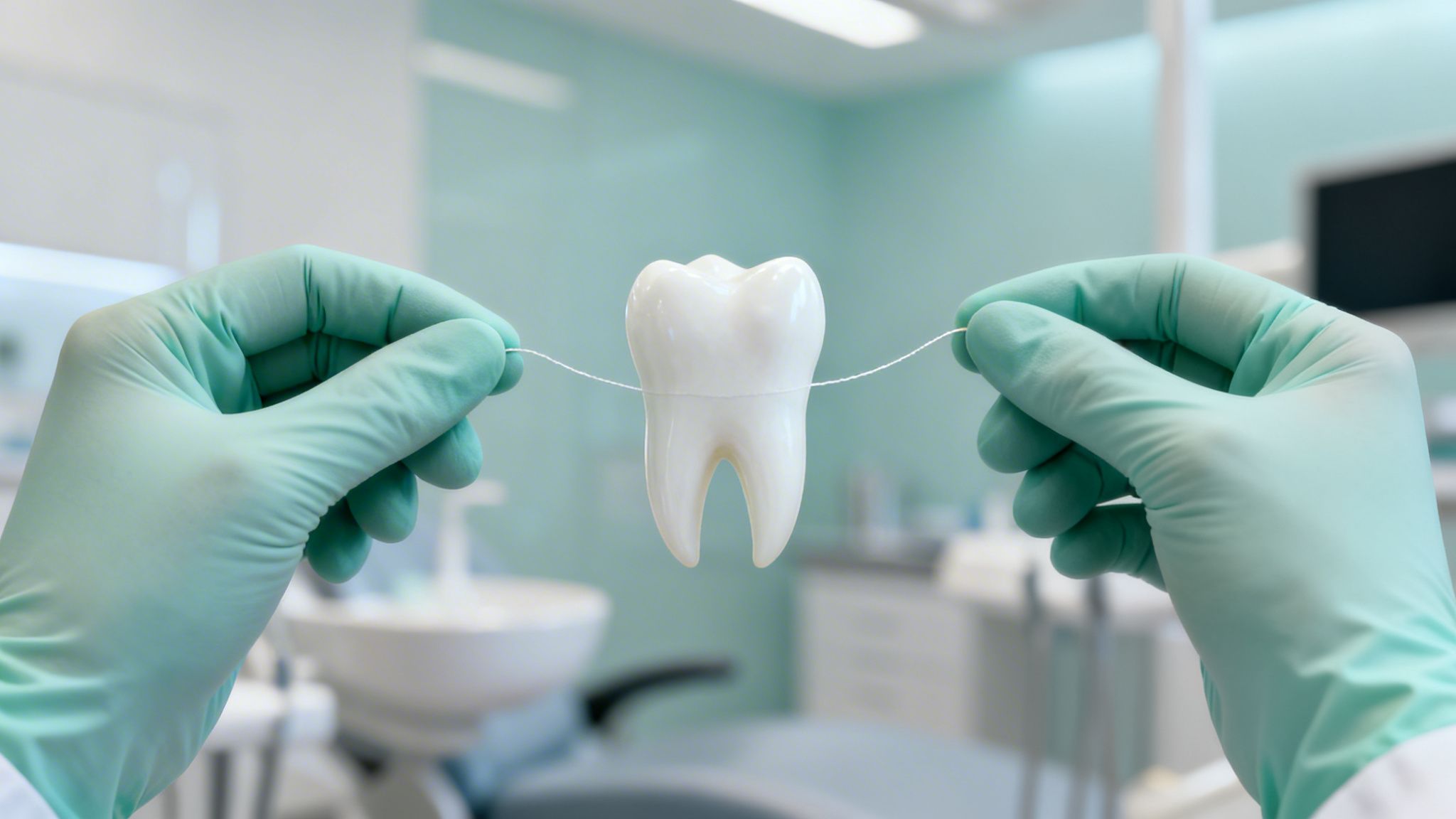
Endodontic Treatment
When a Tooth Can Be Saved: Exploring Treatment Options
Pulp Capping for Early Intervention
Pulp capping is a conservative treatment utilized when dental decay closely approaches or slightly exposes the healthy pulp tissue. A specialized medicated material is placed directly over the exposed nerve area to stimulate natural healing and encourage the formation of protective secondary dentin. This early intervention technique frequently prevents the need for a full root canal if the damage is caught in its earliest stages.
Apicoectomy: A Surgical Solution
An apicoectomy is an advanced microsurgical procedure necessary when an infection persists or reoccurs at the very tip of the tooth root following a standard root canal. The specialist accesses the underlying bone through a small incision in the gum tissue, removing the infected root tip along with the surrounding diseased tissue. A small filling is then placed at the end of the root to seal the canal completely, effectively saving the tooth from extraction.
Re-Treatment of Failed Root Canals
Occasionally, a tooth that previously underwent root canal therapy fails to heal properly or develops a new infection months or years later due to new decay or a cracked restoration. During an endodontic re-treatment, the specialist removes the old filling material, carefully disinfects the entire canal system again, and places a fresh seal. This secondary procedure offers a highly successful avenue for addressing complications and preserving the natural tooth structure for a lifetime.
The Role of Endodontics in Dental Trauma
Handling Cracked or Fractured Teeth
Accidents, sports injuries, or biting down on hard objects can result in cracked or fractured teeth that expose the sensitive inner pulp to oral bacteria. Endodontists possess the precise skills required to evaluate the depth of the fracture and determine if the nerve has been compromised. Timely treatment, which often includes root canal therapy and a protective crown, prevents further cracking and protects the tooth from an inevitable infection.
Saving Knocked-Out Teeth
If an entire tooth is completely knocked out of its socket, immediate action combined with specialized endodontic care offers the best chance for successful re-implantation. The tooth must be kept moist and reinserted into the socket as quickly as possible while an endodontist performs a splinting procedure to stabilize it. A follow-up root canal is usually required a few weeks later to treat the severed nerves and ensure the tooth remains healthy and fully functional in the jaw.
Long-Term Care After Trauma
Following any severe dental injury, consistent follow-up care is absolutely critical to monitor the healing process and ensure the tooth remains viable. Endodontists use advanced imaging to check for signs of root resorption or delayed nerve death, which can sometimes occur months after the initial trauma. Regular specialized monitoring guarantees that any delayed complications are addressed immediately, ensuring the traumatized tooth survives for decades.
Preventing Tooth Loss: How Endodontics Supports Long-Term Oral Health
The Importance of Early Intervention
Addressing dental discomfort and signs of infection as soon as they appear drastically reduces the likelihood of catastrophic tooth loss. Early endodontic diagnosis allows for conservative treatments that stop decay and inflammation before they destroy the foundational root structure. Prompt attention essentially halts the progression of dental disease, ensuring the patient keeps their natural smile intact.
Maintaining Tooth Structure
Endodontic treatments are specifically designed to preserve the natural integrity and strength of the original tooth structure. By removing only the diseased pulp and leaving the hard outer enamel and dentin in place, the tooth can continue to function normally during chewing and speaking. Retaining this structural foundation prevents the jawbone deterioration that typically follows a tooth extraction.
Partnering with William Schneider DDS Inc.
Choosing a highly skilled practice like William Schneider DDS Inc. guarantees access to professionals dedicated to the art and science of saving natural teeth. The clinic provides targeted treatments that align with the overarching goal of long-term oral health and structural preservation. Patients benefit from a focused approach that prioritizes healing and natural tooth retention over unnecessary extractions.

Endodontic Dental Treatment
Why Choose William Schneider DDS Inc. for Endodontic Care
Expertise in Tooth Preservation
William Schneider DDS Inc. brings extensive experience and focused specialization to the field of advanced endodontic treatments. The clinic handles the most complex dental anatomies and severe infections with a high degree of precision and clinical mastery. This specialized expertise directly translates to higher success rates for patients facing severe dental challenges.
Comprehensive and Compassionate Care
The patient experience at William Schneider DDS Inc. is defined by a personalized approach that prioritizes total physical comfort and thorough patient education. Every step of the treatment plan is explained in clear, accessible language so patients fully understand their options and the healing process. This compassionate environment significantly reduces dental anxiety and builds a foundation of trust and reliability.
State-of-the-Art Technology
Modern diagnostic tools and advanced endodontic techniques form the backbone of the clinical approach at William Schneider DDS Inc. The utilization of high-resolution 3D imaging and operating microscopes ensures maximum precision during delicate root canal procedures. These state-of-the-art investments guarantee successful outcomes, faster healing times, and the highest standard of modern endodontic care.
A Lifetime of Healthy Smiles
No artificial dental implant or bridge can perfectly replicate the look, feel, and function of a healthy natural tooth. Consulting an endodontic specialist at the first sign of deep pain or trauma ensures that the original dental structure is given every possible chance of survival. Prioritizing endodontic preservation protects the integrity of the jawbone and maintains the natural harmony of the mouth.
Ignoring persistent tooth pain or temperature sensitivity only allows underlying infections to worsen and threaten the viability of the tooth. Scheduling a professional consultation with William Schneider DDS Inc. is the most effective way to explore targeted treatment options and halt the progression of dental disease. Prompt action is the defining factor in successfully treating inflammation and avoiding the permanent loss of a tooth.
William M. Schneider, D.D.S.
https://goo.gl/maps/d3H8ow2vWAC4qgZ26
1855 San Miguel Dr STE 31, Walnut Creek, CA 94596, United States
(925) 935-2700
www.wcfamilydentist.com