The Hidden Benefits of Dental Implants Beyond Just Replacing Teeth
Most people think of dental implants as a way to fill the space left by a missing tooth. That is certainly one of their most important purposes, but the benefits can reach much further.
A missing tooth can affect the way you chew, the alignment of nearby teeth, the health of the jawbone, and even how confidently you speak or smile. Because dental implants are designed to replace the support of a natural tooth root as well as the visible portion of the tooth, they can address several of these concerns at the same time.
At WC Family Dentist, we believe patients should understand the full value of their treatment options before making a decision. Dr. William M. Schneider takes time to explain how dental implants work, what they may help preserve, and how they compare with other ways of replacing missing teeth.
While every patient’s needs are different, dental implants may offer several less obvious benefits that support long-term oral health, comfort, and confidence.
Dental Implants Help Protect the Jawbone
One of the most important benefits of dental implants happens beneath the surface.
Natural tooth roots help stimulate the jawbone during biting and chewing. When a tooth is lost, that stimulation disappears. Over time, the bone in the missing tooth area may gradually begin to shrink.
This change may not be immediately noticeable, but it can affect the shape and strength of the jaw over time. It may also make future tooth replacement more complicated if too much bone support is lost.
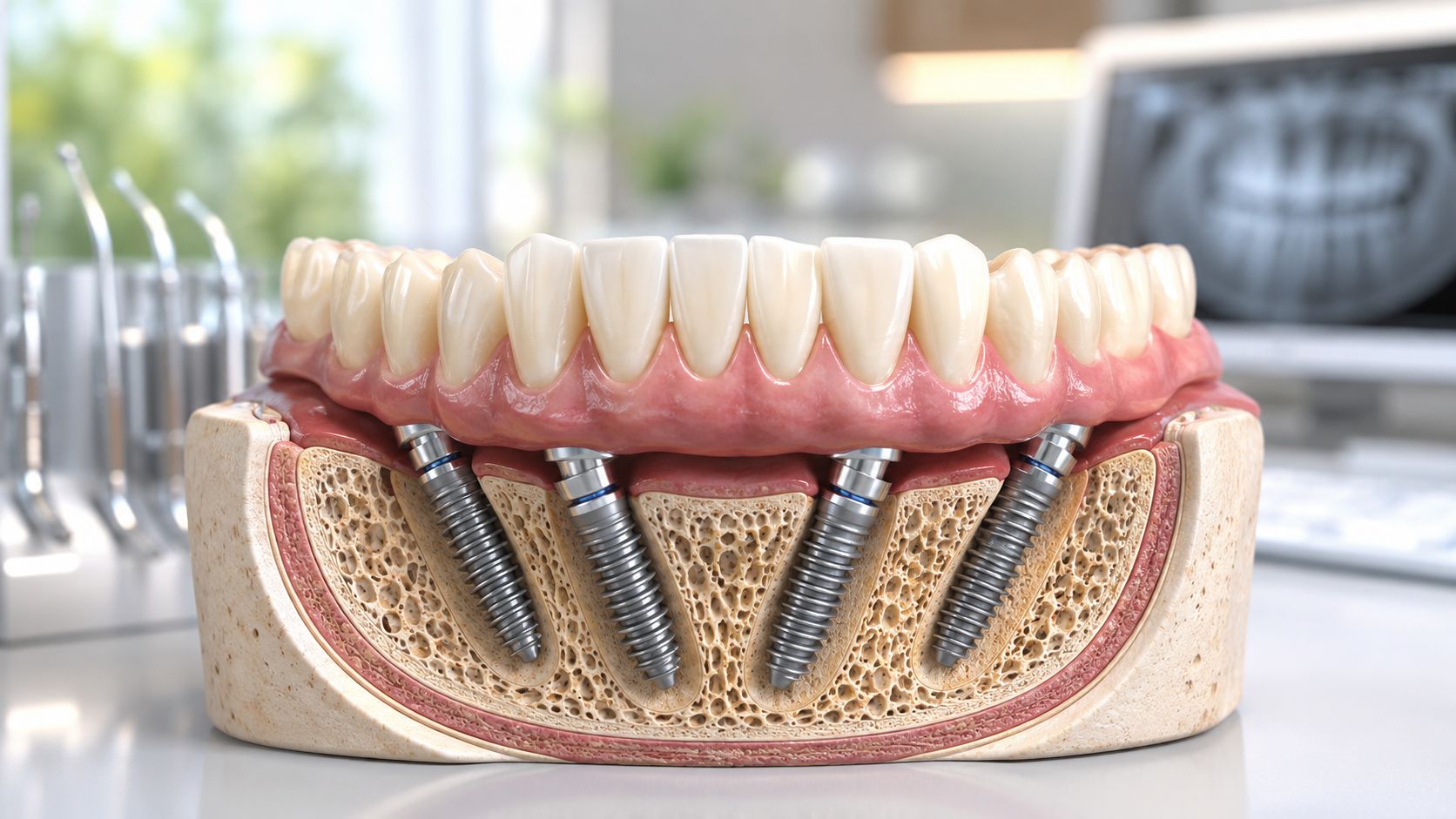
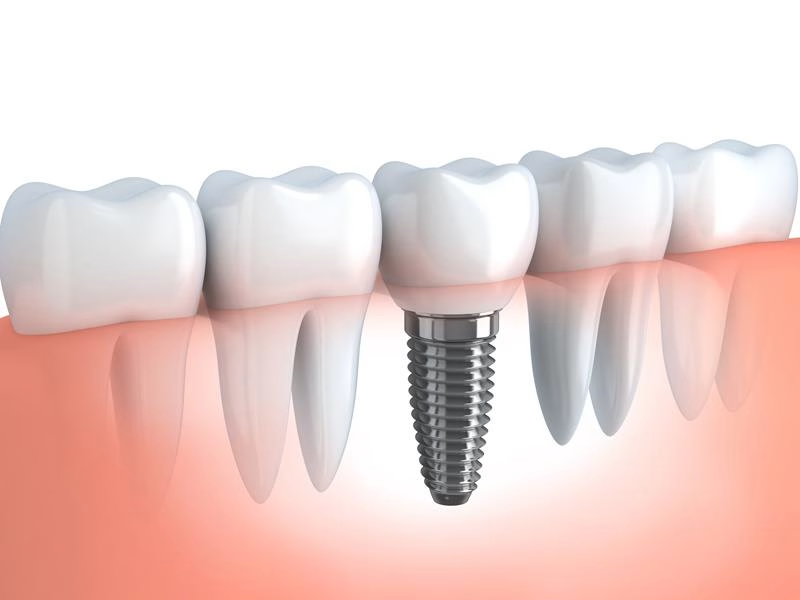
A dental implant is placed within the jawbone, where it acts as a foundation for the replacement tooth. Because it occupies the area where the natural root was located, it can help provide stimulation to the surrounding bone.
Traditional bridges replace the visible portion of the missing tooth, but they do not replace the root. This is one reason implants are often considered when long-term bone support is an important part of the treatment plan.
At our Walnut Creek office, we evaluate the condition of the bone before recommending dental implant treatment. The amount and quality of available support can influence whether an implant is appropriate and whether additional preparation may be needed.
Dental Implant Service Provider
They Can Help Keep Neighboring Teeth in Place
Teeth naturally support one another by maintaining proper spacing within the mouth.
When one tooth is lost, the teeth next to the open space may gradually begin to drift or tilt. The opposing tooth may also move because it no longer has a tooth to meet during biting.
These changes can affect the way the teeth come together and may create areas that are more difficult to brush and clean. Shifting can also place uneven pressure on the bite.
Replacing the missing tooth with a dental implant helps fill the open space and maintain the natural position of nearby teeth.
This is not only a cosmetic benefit. Proper alignment supports more balanced chewing and can make it easier to maintain good oral hygiene.
At WC Family Dentist, we consider how a missing tooth affects the entire mouth rather than looking only at the empty space. Restoring that area may help protect the function and stability of the teeth around it.
Healthy Adjacent Teeth Can Often Remain Untouched
Preserving natural tooth structure is an important goal whenever possible.
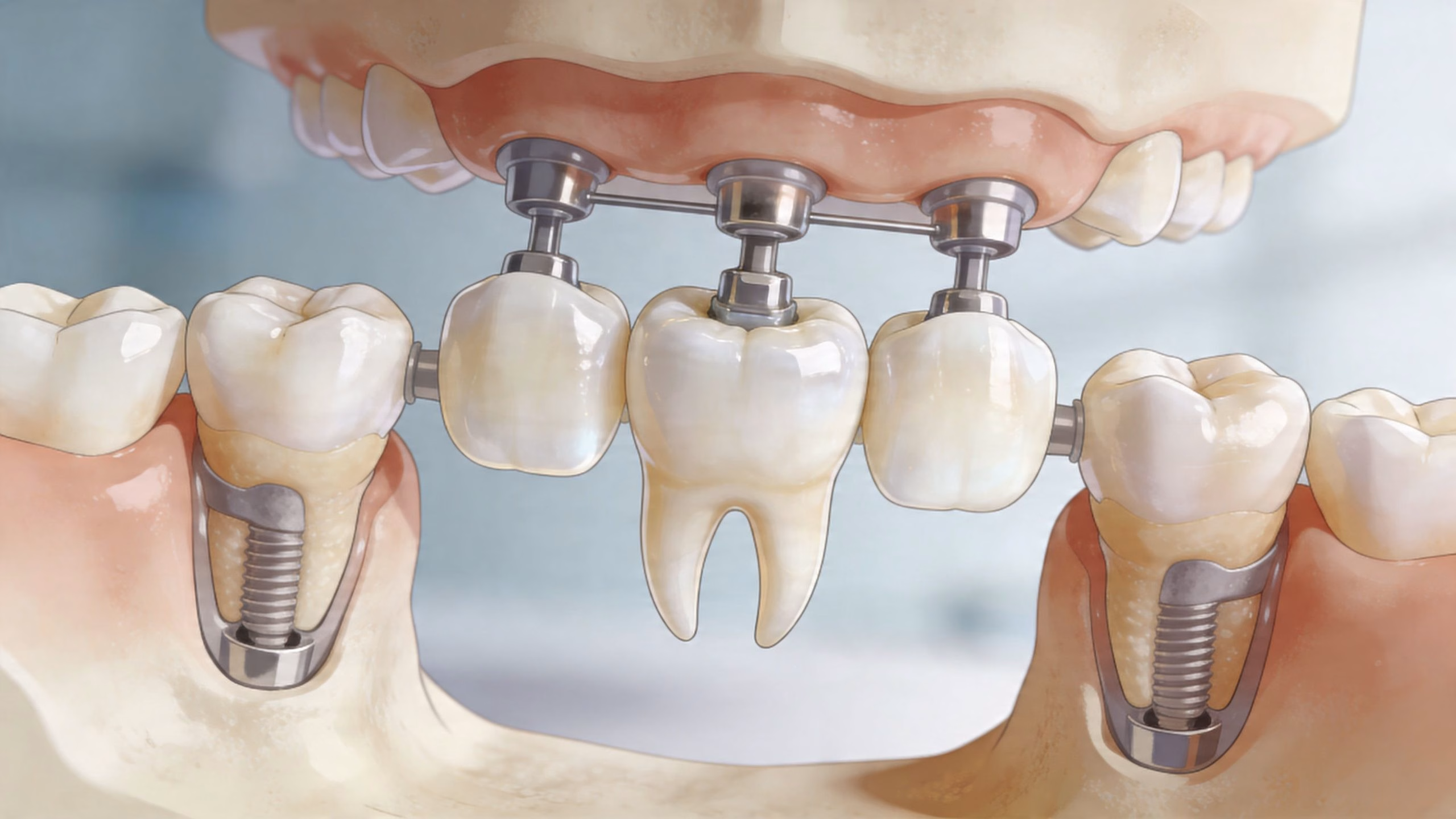
A traditional dental bridge typically uses the teeth on both sides of the gap for support. Those teeth are prepared for crowns, which hold the replacement tooth in place.
A single dental implant works independently and usually does not require the neighboring teeth to be reshaped.
This can be a meaningful advantage when those teeth are healthy and do not otherwise need crowns.
Keeping healthy tooth structure intact may reduce the amount of treatment required in the surrounding area. It also means the implant restoration is not dependent on adjacent teeth for support.
A bridge may still be an excellent option in certain situations, especially when the neighboring teeth already require significant restoration. The best choice depends on the condition of the entire area.
Dr. Schneider carefully evaluates the surrounding teeth before discussing whether an implant, bridge, or another option is most appropriate.
Dental Implants Can Improve Chewing Efficiency
Many people adjust to missing teeth without realizing how much their eating habits have changed.
They may begin chewing mostly on one side, avoiding firm foods, or cutting meals into smaller pieces because the open space feels uncomfortable. Over time, this can place additional stress on the remaining teeth and limit food choices.
A dental implant provides stable support for a replacement tooth. Once treatment is complete and the area has healed, the restoration can help patients chew more comfortably and evenly.
This may allow patients to enjoy a broader variety of foods without worrying that a removable appliance will shift or that food will become trapped in the missing tooth space.
Balanced chewing also helps distribute pressure more evenly across the mouth. Instead of relying heavily on a smaller number of teeth, the restored area can participate more normally in daily function.
At our office, we want tooth replacement to improve more than appearance. A successful restoration should also help patients eat comfortably and protect the rest of the bite.
They May Help Protect the Remaining Teeth From Excessive Wear
When a tooth is missing, the remaining teeth often take on additional work.
Patients may unconsciously chew more heavily on the opposite side of the mouth or rely on certain teeth more than others. This uneven pressure can contribute to wear, sensitivity, or damage over time.
By restoring the missing area, a dental implant may help rebalance the bite and allow chewing forces to be distributed more naturally.
The exact effect depends on the location of the missing tooth and the patient’s bite. This is why careful planning is so important.
The implant restoration must fit correctly and contact the opposing teeth in a balanced way. If the bite is too heavy in one area, the implant or neighboring teeth may experience unnecessary stress.
At WC Family Dentist, Dr. Schneider checks how the final restoration fits within the bite and makes adjustments when needed. Long-term dental visits also allow us to monitor wear and changes over time.
Dental Implant
Dental Implants Can Support Clearer Speech
Missing teeth can sometimes affect the way words sound.
The teeth help guide airflow and assist the tongue in forming certain sounds. When a visible space is present, particularly toward the front of the mouth, speech may feel different or less clear.
A dental implant can restore the shape and position of the missing tooth, helping the tongue and lips function more naturally during speech.
Because the restoration is fixed in place, patients do not have to worry about movement while talking.
This benefit may be especially important for people whose work or daily activities involve frequent conversation, presentations, or public interaction.
The goal is not only to create a complete-looking smile, but also to help the mouth function in a way that feels natural and familiar.
Confidence Often Extends Beyond the Smile
A missing tooth can affect confidence in ways that are not always obvious to others.
Some patients begin smiling with their lips closed, avoiding photographs, or covering their mouth when they laugh. Others may feel self-conscious during professional meetings, social events, or conversations.
Replacing the missing tooth with a restoration that looks secure and natural can help patients feel more comfortable in these situations.
At WC Family Dentist, we understand that cosmetic concerns are not superficial. Feeling confident about your smile can influence how freely you interact with other people and how comfortable you feel expressing yourself.
A well-designed implant restoration should blend with the surrounding teeth rather than drawing attention to the fact that dental treatment was completed.
For many patients, the most valuable result is being able to smile without thinking about the missing tooth anymore.
Dental Implants Can Feel More Like Natural Teeth
Dental implants are fixed in place, which helps them feel stable during normal daily activities.
Unlike a removable tooth replacement, an implant restoration is not taken out for cleaning or sleeping. Patients do not need to worry about it shifting while they speak or eat.
The implant is anchored within the jawbone, while the visible crown is designed to fit naturally among the surrounding teeth.
This structure allows the restoration to function more like an individual tooth than some other options.
Of course, implants are not identical to natural teeth. They do not have the same nerve structure, and they still require careful maintenance. However, many patients appreciate the secure, independent feel they provide.
At our office, we design implant restorations with both comfort and appearance in mind. The goal is to create a result that becomes a natural part of the patient’s everyday life.
They Can Simplify Daily Care Compared With Some Alternatives
A single dental implant can often be brushed and cleaned in a way that is similar to a natural tooth.
Patients still need to keep the gumline clean and remove plaque between the teeth, but the restoration does not usually require removal or adhesive products.
A traditional bridge requires cleaning beneath the replacement tooth because the teeth are connected. This is completely manageable, but it may require special flossing techniques or cleaning tools.
An implant allows access around the replacement tooth more independently.
This does not mean implants are maintenance-free. The gums and bone surrounding the implant must remain healthy, and routine dental care is essential.
At WC Family Dentist, we show patients how to clean around their restorations and help them choose techniques that fit their needs. Keeping the area healthy is one of the most important factors in protecting the implant over time.
Dental Implant Service
Implants May Provide Long-Term Value
Dental implants often involve a longer treatment process and a greater initial investment than some other tooth replacement options.
However, many patients consider the long-term advantages when comparing their choices.
An implant does not usually require healthy neighboring teeth to be prepared, may help preserve bone in the missing tooth area, and can provide stable support for many years when properly maintained.
The visible crown may eventually need repair or replacement, but the implant beneath it may remain healthy and stable.
Long-term value should not be measured only by how long a restoration lasts. It should also include the effect on surrounding teeth, comfort, function, maintenance needs, and overall oral health.
At our Walnut Creek office, we help patients consider the complete picture rather than choosing treatment based only on the initial cost or timeline.
They Can Make Long-Term Dental Care More Consistent
Replacing a missing tooth gives the dental team a more complete and stable bite to monitor over time.
Instead of watching neighboring teeth continue to shift or seeing one side of the mouth carry extra pressure, the restored area can become part of the patient’s ongoing preventive care.
During routine visits, we monitor the implant crown, surrounding gums, bone support, bite, and nearby teeth.
This continued care can help us identify small changes before they become more serious.
At WC Family Dentist, we view dental implant treatment as a long-term relationship rather than a one-time procedure. Our goal is to help patients protect the result and maintain the health of their entire smile.
Dental Implants Are Not the Right Choice for Everyone
Dental implants offer many benefits, but they are not automatically the best solution in every situation.
Patients need healthy gums, appropriate bone support, and overall health that allows for proper healing. Smoking, certain health conditions, poor oral hygiene, or strong grinding and clenching habits may affect treatment planning.
Some patients may be better suited for a dental bridge or another restorative option.
A careful consultation is the only way to determine which treatment is appropriate.
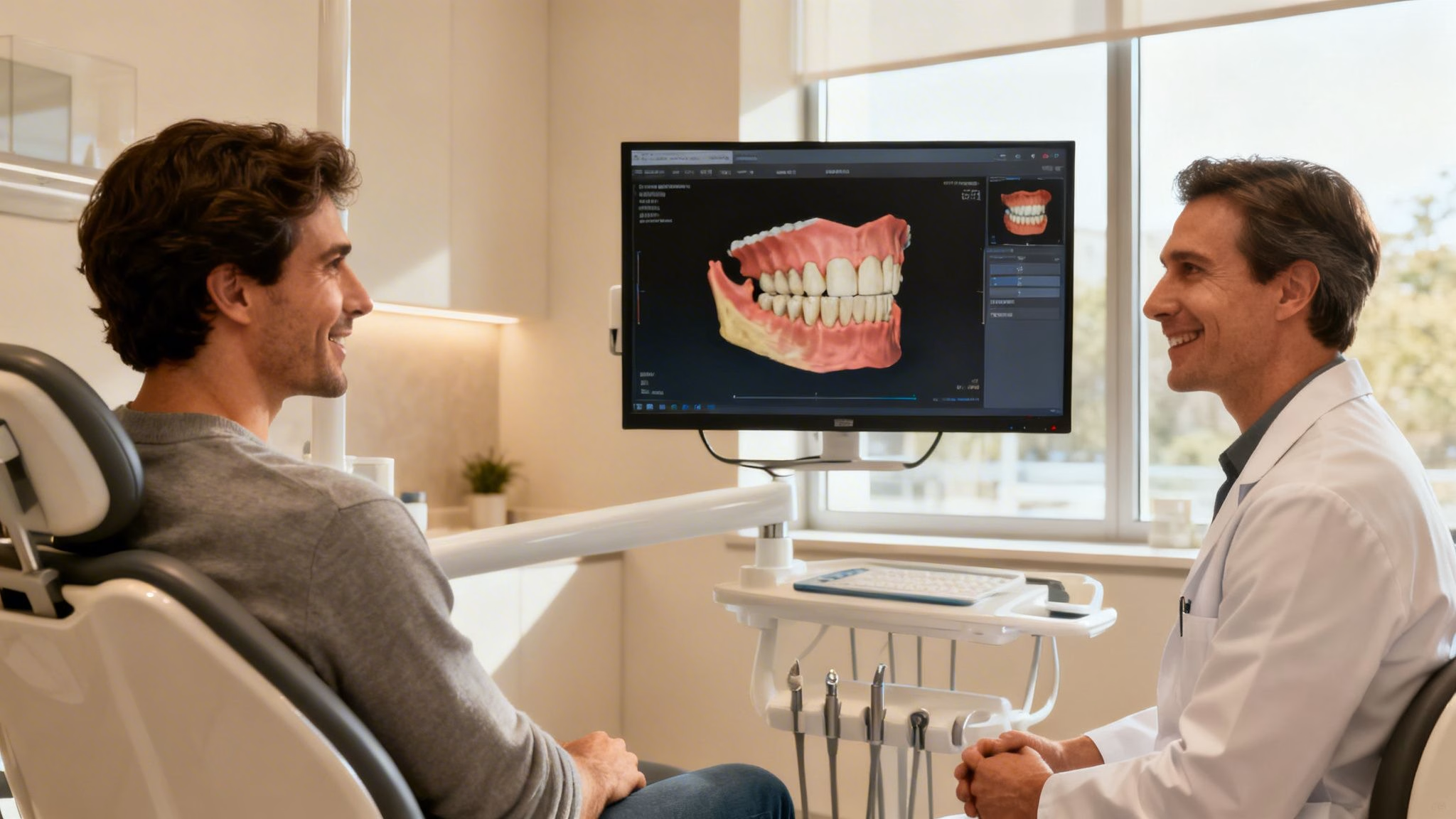
Dr. Schneider reviews the condition of the missing tooth area, surrounding teeth, gums, bite, health history, and patient goals before making a recommendation.
We believe patients deserve honest guidance, including a clear explanation of both the advantages and limitations of each option.
Dental Implant Expert
Discover the Full Benefits of Dental Implants
Dental implants do much more than replace the visible portion of a missing tooth. They may help preserve jawbone, maintain spacing, protect healthy neighboring teeth, improve chewing, support clearer speech, and restore confidence.
Their value lies in the way they address both function and appearance while becoming part of a patient’s long-term oral health plan.
At WC Family Dentist, we provide personalized dental implant care for patients in Walnut Creek and nearby communities. Dr. William M. Schneider brings more than 25 years of experience to each treatment plan and takes time to help patients understand all of their tooth replacement options.
Whether you recently lost a tooth or have lived with a gap for years, our office can help you decide whether a dental implant may be the right choice for your smile.
Contact WC Family Dentist to schedule a consultation and learn more about the hidden benefits dental implants may provide beyond simply replacing a missing tooth.
WC Family Dentist
https://goo.gl/maps/d3H8ow2vWAC4qgZ26
1855 San Miguel Dr STE 31, Walnut Creek, CA 94596, United States
(925) 935-2700
www.wcfamilydentist.com