The Role of Endodontists in Preventing Tooth Loss
Maintaining your natural teeth is one of the most important aspects of lifelong oral health. Natural teeth allow you to chew efficiently, speak clearly, and maintain the structural integrity of your jawbone. When a tooth is lost, it can trigger a cascade of dental complications, including shifting adjacent teeth and a gradual decrease in jawbone density. Preserving the natural tooth structure is always the preferred medical outcome over extraction.
Endodontists serve as dental specialists dedicated to diagnosing tooth pain and saving infected or damaged teeth. These professionals possess advanced training that goes beyond general dentistry, allowing them to perform complex procedures designed to rescue teeth that might otherwise need to be removed. By focusing specifically on the delicate interior of the tooth, these specialists provide a critical line of defense against tooth loss.
This guide explains how specialized endodontic care helps prevent tooth loss and significantly enhances overall oral health. Patients experiencing dental discomfort can learn how treatments provided by William Schneider DDS Inc. offer effective, compassionate solutions. Understanding these procedures empowers patients to make informed decisions and take proactive steps toward preserving their natural smiles for years to come.
Understanding Endodontics and Your Dental Health
What is an endodontist?
An endodontist is a highly specialized dental professional who focuses exclusively on diagnosing tooth pain and treating the sensitive interior tissues of the tooth, known as the dental pulp. The pulp contains nerves, blood vessels, and connective tissue, making it highly sensitive to infection and inflammation. Endodontists use precision techniques to remove diseased tissue, relieve severe pain, and restore the internal health of the tooth structure.
The difference between a general dentist and an endodontist
While general dentists manage comprehensive oral care, endodontists complete an additional two or more years of specialized training after dental school. This extensive education focuses entirely on diagnosing complex causes of tooth pain and performing advanced root canal treatments. Because endodontists limit their practice solely to these specific procedures, they handle a much higher volume of complex cases and possess profound expertise in saving compromised teeth.
How specialized care saves natural teeth
The primary goal of any endodontic treatment is to preserve the natural tooth structure rather than resorting to extraction. By carefully removing the infected pulp and thoroughly disinfecting the root canals, the specialist halts the spread of infection while keeping the outer shell of the tooth intact. This approach maintains the natural root firmly anchored in the jawbone, ensuring the tooth continues to function normally for decades.
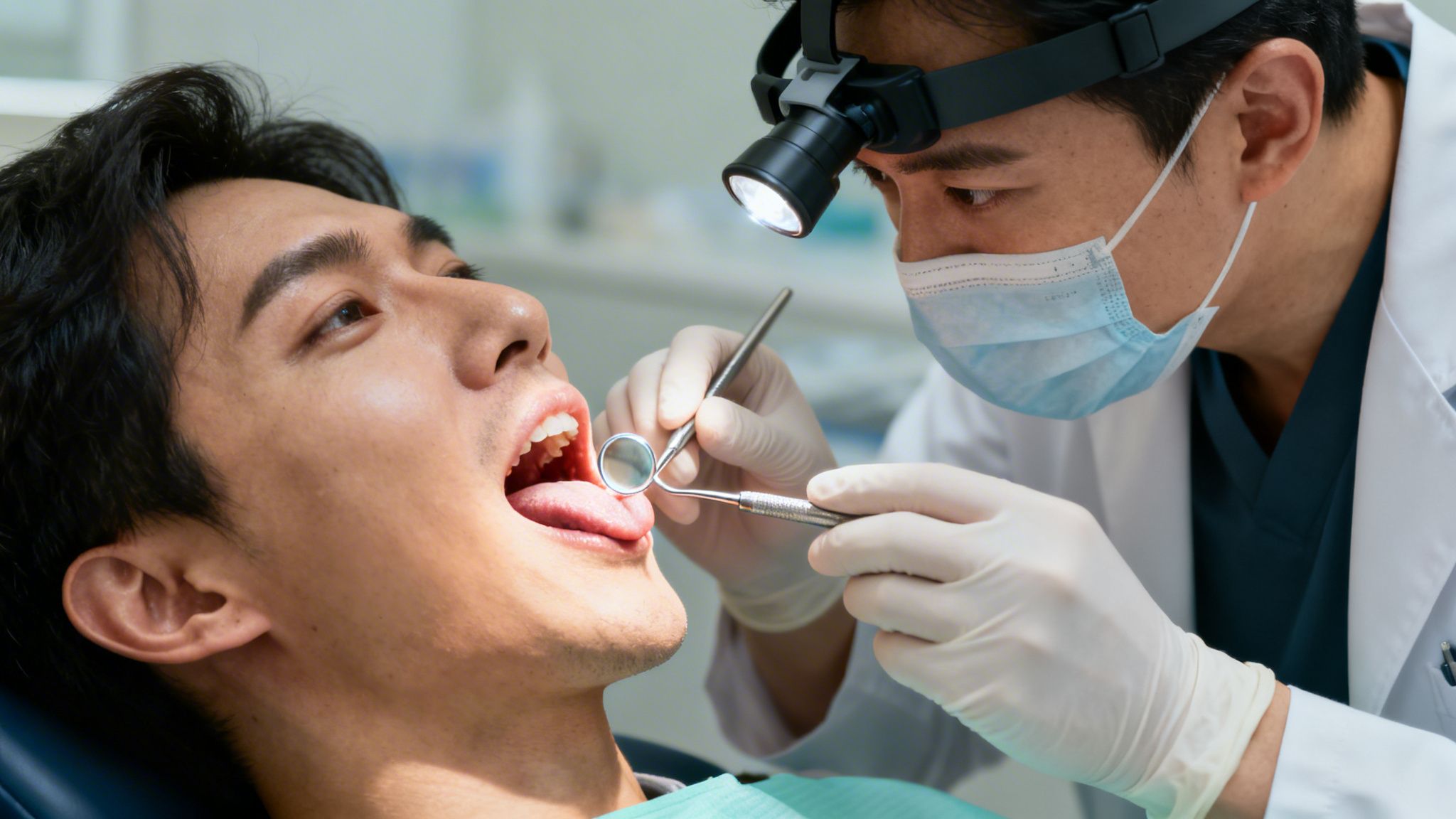
Endodontists in Preventing Tooth Loss
Common Causes of Severe Tooth Damage
Deep decay and untreated cavities
When dental plaque is left unchecked, the resulting bacteria produce acids that slowly erode the hard enamel exterior of the tooth. Over time, this decay penetrates the underlying dentin and eventually reaches the vulnerable dental pulp. Once bacteria enter this sensitive inner chamber, an infection develops rapidly, leading to severe inflammation, intense pain, and the potential need for immediate endodontic intervention to save the tooth.
Dental trauma and cracked teeth
Physical injuries, such as blows to the mouth during sports or accidental falls, can easily cause chips, fractures, or deep cracks in the teeth. Even if a crack appears minor on the surface, it can extend deep into the tooth, exposing the dental pulp to harmful bacteria or directly damaging the nerve. Specialized endodontic treatment is often required to address the internal damage caused by the trauma and prevent the tooth from dying.
Repeated dental procedures on the same tooth
Teeth that have undergone multiple fillings, crown placements, or other restorative procedures over the years can experience significant stress. Each time a tooth is drilled or manipulated, the underlying pulp can become irritated and inflamed. Eventually, this repeated trauma can cause the nerve to fail completely, requiring an endodontist to step in and perform a restorative procedure to salvage the remaining tooth structure.
The Root Canal: A Tooth-Saving Procedure
Debunking root canal myths and fears
Many patients experience anxiety when hearing they need a root canal, often due to outdated misconceptions about the procedure. Modern root canals are highly effective, streamlined, and generally no more uncomfortable than receiving a routine dental filling. Thanks to advanced local anesthetics and precise techniques, patients typically feel immense relief from their existing tooth pain rather than experiencing new discomfort during the treatment.
Step-by-step: What to expect during treatment
The procedure begins with the administration of local anesthesia to ensure complete numbness and comfort around the affected tooth. The endodontist then creates a small opening in the crown to access the infected pulp, carefully cleaning and shaping the intricate root canals. Once the canals are fully disinfected, they are filled with a biocompatible material and sealed securely to prevent bacteria from re-entering the space.
Post-treatment care and recovery
After the local anesthesia wears off, it is normal to experience some mild tenderness or sensitivity around the treated tooth for a few days. Patients can easily manage this temporary discomfort with over-the-counter pain relievers and by avoiding chewing on the affected side. A follow-up visit with a general dentist is usually required shortly after the procedure to place a permanent crown, which restores the tooth to its full strength.
Advanced Technologies in Endodontic Care
Operating microscopes for precise treatments
Endodontists rely on high-powered operating microscopes to gain an exceptionally clear, magnified view of the tiny, intricate canals hidden inside the tooth. This specialized magnification allows the practitioner to locate hidden anatomical structures, identify microscopic cracks, and ensure every trace of infected tissue is removed. Such precision dramatically increases the success rate of the procedure and ensures the tooth is thoroughly sanitized.
3D imaging and digital radiography
Digital radiography and state-of-the-art 3D imaging, such as Cone Beam Computed Tomography (CBCT), provide high-resolution, multi-dimensional views of the tooth and surrounding jawbone. These low-radiation imaging tools allow the specialist to accurately map out the complex root anatomy and detect subtle signs of infection early in the diagnostic process.
Ultrasonic instruments and modern filling materials
Modern endodontic therapy utilizes ultrasonic instruments that emit high-frequency vibrations to gently and effectively clean the root canal system. These tools agitate the disinfecting solutions, allowing them to reach microscopic crevices that traditional files might miss. Afterward, the cleaned canals are tightly sealed using advanced, biocompatible filling materials that prevent future bacterial contamination and protect the long-term health of the tooth.
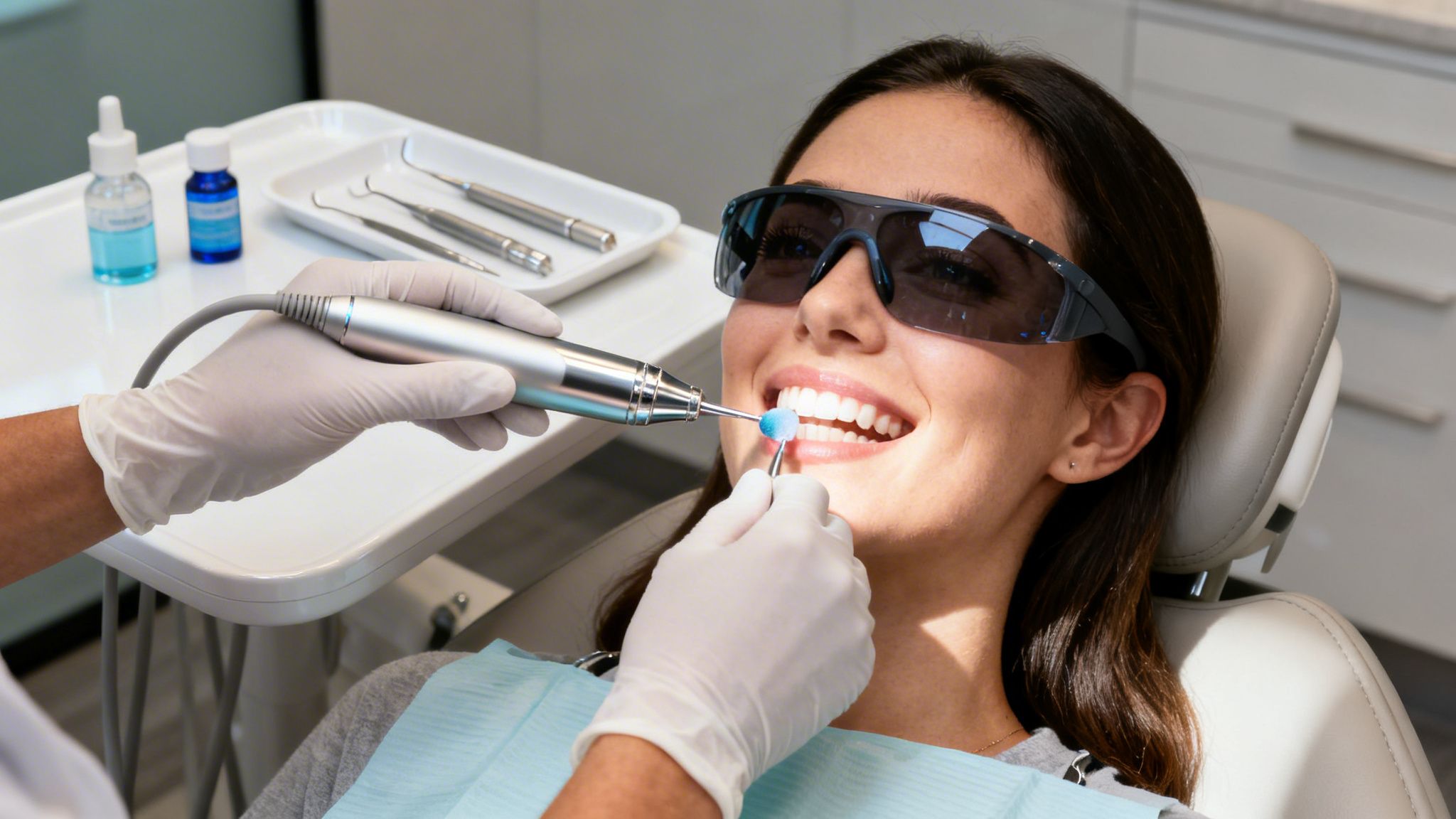
Endodontists for Preventing Tooth Loss
Recognizing the Signs You Need an Endodontist
Unexplained or lingering tooth pain
One of the most obvious indicators of an internal tooth issue is a persistent ache or severe throbbing that seems to have no clear trigger. This type of unexplained pain often worsens when biting down or applying pressure to the tooth, signaling that the delicate nerve tissue inside the pulp is compromised. Seeking a prompt evaluation is essential to accurately diagnose the source of the pain and prevent the infection from spreading.
Sensitivity to hot and cold temperatures
While mild, fleeting sensitivity is common, a sharp, intense pain that lingers long after consuming hot coffee or ice water is a significant warning sign. This prolonged reaction typically indicates severe pulp inflammation or irreversible nerve damage inside the tooth. An endodontist can perform specific thermal tests to determine the vitality of the nerve and recommend the appropriate treatment to alleviate the sensitivity.
Swelling and tenderness in the gums
Physical signs of infection often manifest in the soft tissues surrounding the affected tooth, resulting in localized swelling or noticeable tenderness. Patients might also notice a small, pimple-like bump on the gums, which serves as a drainage point for an underlying dental abscess. These symptoms require immediate professional attention to clear the active infection, relieve pressure, and save the natural tooth structure.
The Long-Term Benefits of Saving Your Natural Tooth
Maintaining efficient chewing and natural biting force
Preserving a natural tooth allows the jaw and surrounding muscles to continue operating exactly as intended without altering the natural bite mechanism. Patients can comfortably chew their favorite foods without the awkward adjustments often required when adapting to a bridge or removable denture. Keeping the original tooth structure ensures the mouth retains its natural strength and functional harmony.
Protecting surrounding teeth from shifting
When a tooth is extracted and the space is left empty, the adjacent teeth will naturally begin to drift and tilt into the void. This shifting can lead to severe misalignment, bite issues, and increased difficulty in cleaning the remaining teeth, which elevates the risk of further decay and gum disease. Saving the original tooth effectively holds the surrounding teeth in their proper anatomical positions.
Cost-effectiveness compared to extractions and implants
Saving a natural tooth through endodontic treatment is frequently more affordable and less invasive than removing the tooth entirely. When a tooth is extracted, replacing it with a high-quality dental implant or a bridge requires multiple procedures, extended healing times, and greater financial investment. Endodontic care provides a highly successful, cost-effective solution that preserves the original smile without the need for extensive restorative surgeries.
Partnering with William Schneider DDS Inc. for Your Dental Health
A compassionate approach to endodontic therapy
William Schneider DDS Inc. is deeply dedicated to providing friendly, compassionate service that prioritizes patient comfort at every stage of treatment. The clinic understands that dental pain can be stressful, which is why the staff focuses on clear communication, gentle care, and effective pain management techniques. Patients can expect a supportive environment where their concerns are heard and their physical comfort is paramount.
Seamless collaboration with your overall dental care plan
The professionals at William Schneider DDS Inc. work diligently to integrate specialized tooth-saving procedures with your existing general dentistry needs. Following an endodontic treatment, the team coordinates closely with general dental practitioners to ensure the swift placement of protective crowns or permanent restorations. This seamless collaboration guarantees that patients receive comprehensive, well-rounded care that supports lifelong oral health.
Creating a comforting and stress-free environment for patients
Recognizing that many individuals feel nervous about advanced dental procedures, the facility places a strong emphasis on maintaining a positive and relaxing atmosphere. From the welcoming reception area to the calming treatment rooms, every detail is designed to alleviate anxiety and promote relaxation. Patients are guided through each step of their procedure with reassurance, ensuring a stress-free experience from start to finish.

Endodontics Treatment
Securing Your Smile for the Future
Endodontists play an irreplaceable role in modern dentistry by diagnosing the root causes of severe tooth pain and performing precise procedures to rescue damaged teeth. By utilizing advanced technology like 3D imaging and operating microscopes, these specialists ensure treatments are comfortable, accurate, and highly successful. Ultimately, this specialized care allows patients to avoid extractions and maintain their natural smiles.
Taking immediate action when experiencing dental discomfort is the most effective way to prevent permanent tooth loss and complex complications. Patients should carefully monitor their oral health for warning signs such as lingering temperature sensitivity, localized gum swelling, or unexplained throbbing pain. Promptly scheduling a professional evaluation at the first sign of trouble can mean the difference between saving a tooth and losing it forever.
William M. Schneider, D.D.S.
https://goo.gl/maps/d3H8ow2vWAC4qgZ26
1855 San Miguel Dr STE 31, Walnut Creek, CA 94596, United States
(925) 935-2700
www.wcfamilydentist.com