When Are Dental Implants the Right Choice for Tooth Loss?
Losing a tooth can affect the way you eat, speak, and feel about your smile. It can also influence the alignment of nearby teeth and the health of the jawbone over time. Once a tooth is gone, deciding how to replace it becomes an important part of protecting your long-term oral health.
Dental implants are one of the most reliable and natural-feeling tooth replacement options available. However, they are not automatically the right choice for every patient or every missing tooth.
At WC Family Dentist, we believe treatment decisions should be based on a careful evaluation of your oral health, overall health, lifestyle, and personal goals. Dr. William M. Schneider takes time to explain how dental implants compare with other options, including dental bridges, so patients can make informed decisions without feeling pressured.
So, when are dental implants the right choice for tooth loss? The answer depends on several important factors.
When You Want a Fixed Replacement Tooth
Dental implants are often a good choice for patients who want a tooth replacement that remains securely in place.
Unlike a removable appliance, an implant-supported tooth is not taken out for cleaning or sleeping. The implant is placed within the jawbone, where it acts as a foundation for the visible replacement tooth.
Once treatment and healing are complete, the restoration is designed to feel stable while you eat, speak, and smile.
This fixed design appeals to many patients because it can feel more similar to having a natural tooth. There is no need to worry about removing the tooth at night or using adhesive to hold it in position.
At our Walnut Creek office, we discuss what patients want from their tooth replacement before recommending treatment. For some people, the stability and convenience of a fixed restoration are major reasons to consider an implant.
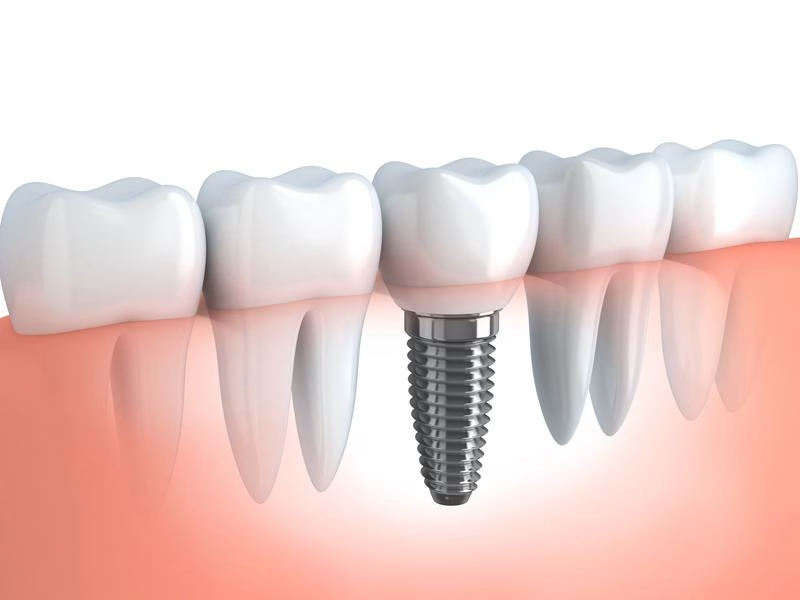
Dental Implant Treatment
When the Teeth Beside the Gap Are Healthy
One of the most significant advantages of a dental implant is that it usually does not rely on neighboring teeth for support.
A traditional dental bridge fills a missing tooth space by attaching to teeth on either side of the gap. Those supporting teeth are generally reshaped and covered with crowns.
This may be a reasonable option when the neighboring teeth are already heavily restored or need crowns for other reasons. However, when those teeth are healthy, preparing them solely to support a bridge may not be the preferred approach.
A single dental implant stands independently. This allows the surrounding healthy teeth to remain largely untouched.
At WC Family Dentist, preserving natural tooth structure is an important consideration whenever possible. Dr. Schneider carefully evaluates the teeth beside the missing space before discussing whether an implant or bridge may be the better choice.
When You Have Healthy Gums
Healthy gums are essential for successful implant treatment.
Although an implant cannot develop a cavity, the gum and bone surrounding it can still be affected by plaque and inflammation. The implant depends on those tissues for support, just as a natural tooth does.
If active gum problems are present, they may need to be treated before implant placement can be considered. Moving forward with implant treatment before the gums are healthy could increase the risk of complications.
Patients also need to be willing to maintain good oral hygiene after treatment. Daily brushing, cleaning between the teeth, and regular professional care are all necessary to protect the implant over time.
At our office, we evaluate gum health as part of the implant consultation. If we see signs of inflammation or other concerns, we will explain what should be addressed before moving forward.
When There Is Adequate Jawbone Support
Dental implants need sufficient bone to remain stable.
After a natural tooth is lost, the jawbone in that area no longer receives the same stimulation during chewing. Over time, the bone may begin to shrink. The longer a tooth has been missing, the more likely the area may have changed.
Some patients still have enough bone support for implant placement. Others may require additional preparation before an implant can be considered.
This is why a detailed examination and appropriate dental imaging are so important. They allow the dentist to evaluate the amount and condition of the available bone, along with the location of nearby roots and other structures.
At WC Family Dentist, we do not assume that every missing tooth space is automatically ready for an implant. We first evaluate whether the area can provide the support needed for a stable result.
When You Want to Help Preserve the Jawbone
Dental implants may also be a good choice for patients who are concerned about maintaining bone in the missing tooth area.
Natural tooth roots stimulate the jawbone during biting and chewing. When a tooth is lost, that stimulation is reduced, and the bone may gradually change.
Because an implant is positioned within the jawbone, it helps replace some of the support once provided by the natural root.
A traditional bridge replaces the visible tooth but does not extend into the jawbone. As a result, it does not provide the same type of stimulation within the missing tooth area.
This does not mean an implant can prevent every future change in the jaw. However, helping preserve bone support is one of the reasons implants are often recommended for suitable patients.
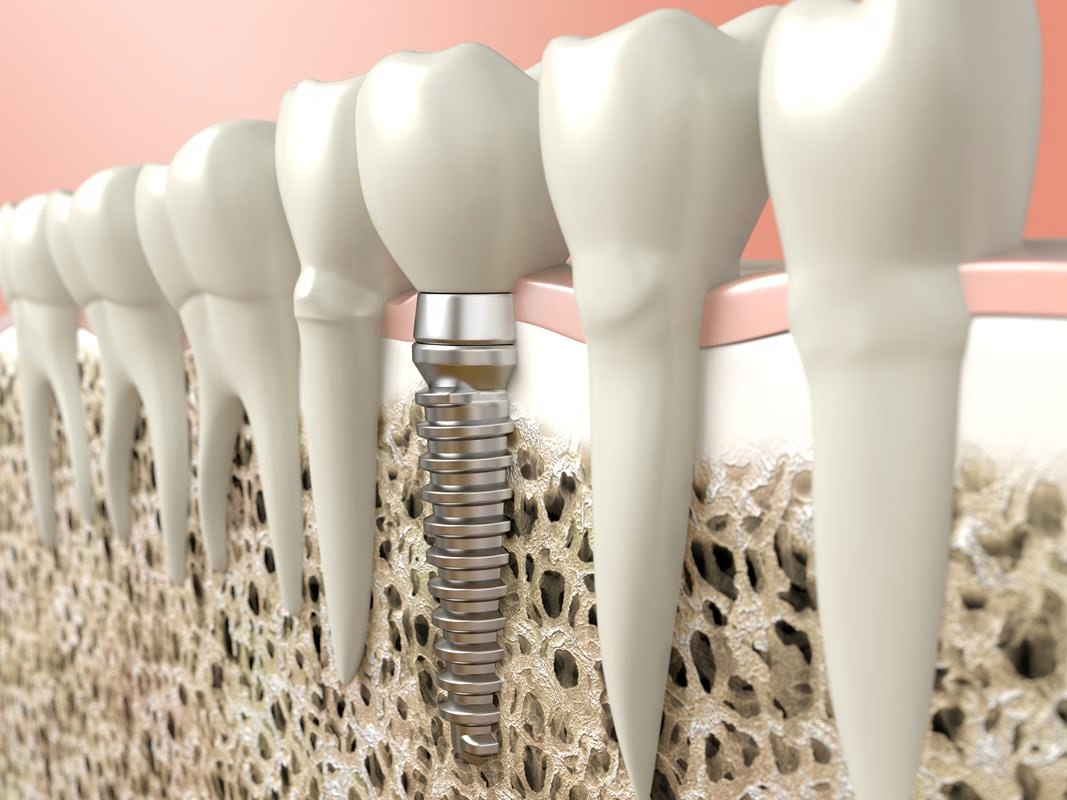
Dental Implant Service
When You Want a Natural-Looking Result
Appearance is an important part of tooth replacement, especially when the missing tooth is visible when you smile.
A dental implant restoration is designed specifically for the patient. The size, shape, color, and position of the replacement tooth are planned to blend with the surrounding smile.
Because the implant supports an individual tooth, the restoration can emerge from the gum area in a way that resembles a natural tooth.
The health and shape of the gum tissue also contribute to the result. This is why implant planning involves more than simply placing a post and attaching a crown.
At our office, we consider both appearance and function. We want the replacement tooth to look balanced within the smile while also fitting comfortably into the bite.
When You Are Willing to Complete a Multi-Step Process
Dental implant treatment is not always the fastest way to replace a tooth.
The process usually involves multiple stages, including evaluation, implant placement, healing, and attachment of the final restoration. Some patients may also need a damaged tooth removed or the area prepared before the implant can be placed.
Healing is an important part of treatment. The surrounding bone needs time to form a stable connection with the implant before it can support the final tooth.
The overall timeline varies based on the patient’s health, the location of the implant, the condition of the bone, and whether additional treatment is required.
Dental implants may be a good choice when you are comfortable with a longer process in exchange for the potential long-term benefits.
At WC Family Dentist, we explain the expected stages before treatment begins. We want patients to have realistic expectations and understand why the process should not be rushed.
When You Are Looking for a Long-Term Solution
Many patients consider dental implants because they want a durable tooth replacement.
With proper planning, healthy supporting tissues, good oral hygiene, and routine dental care, an implant can provide many years of function. The implant post may remain stable for decades in some patients.
The visible crown experiences daily chewing pressure and may eventually require maintenance or replacement. This does not necessarily mean the implant itself has failed.
No dentist can guarantee that an implant will last forever. However, implants are designed as a long-term solution rather than a temporary fix.
Patients who are willing to maintain the area and attend regular dental visits may find that an implant provides excellent long-term value.
When Tooth Loss Is Affecting How You Eat
A missing tooth can make chewing difficult, particularly when the space is located toward the back of the mouth.
Patients may begin avoiding firm foods or chewing mainly on the opposite side. This can place additional stress on the remaining teeth and make meals less enjoyable.
An implant-supported replacement tooth provides a stable surface for chewing. After the implant has healed and the final restoration is in place, patients can often return to a broader and more balanced diet.
The restoration must be carefully adjusted so it fits comfortably into the bite and does not receive excessive pressure.
At WC Family Dentist, we check both the appearance and function of the final restoration. Tooth replacement should help patients feel more confident while also allowing them to eat comfortably.
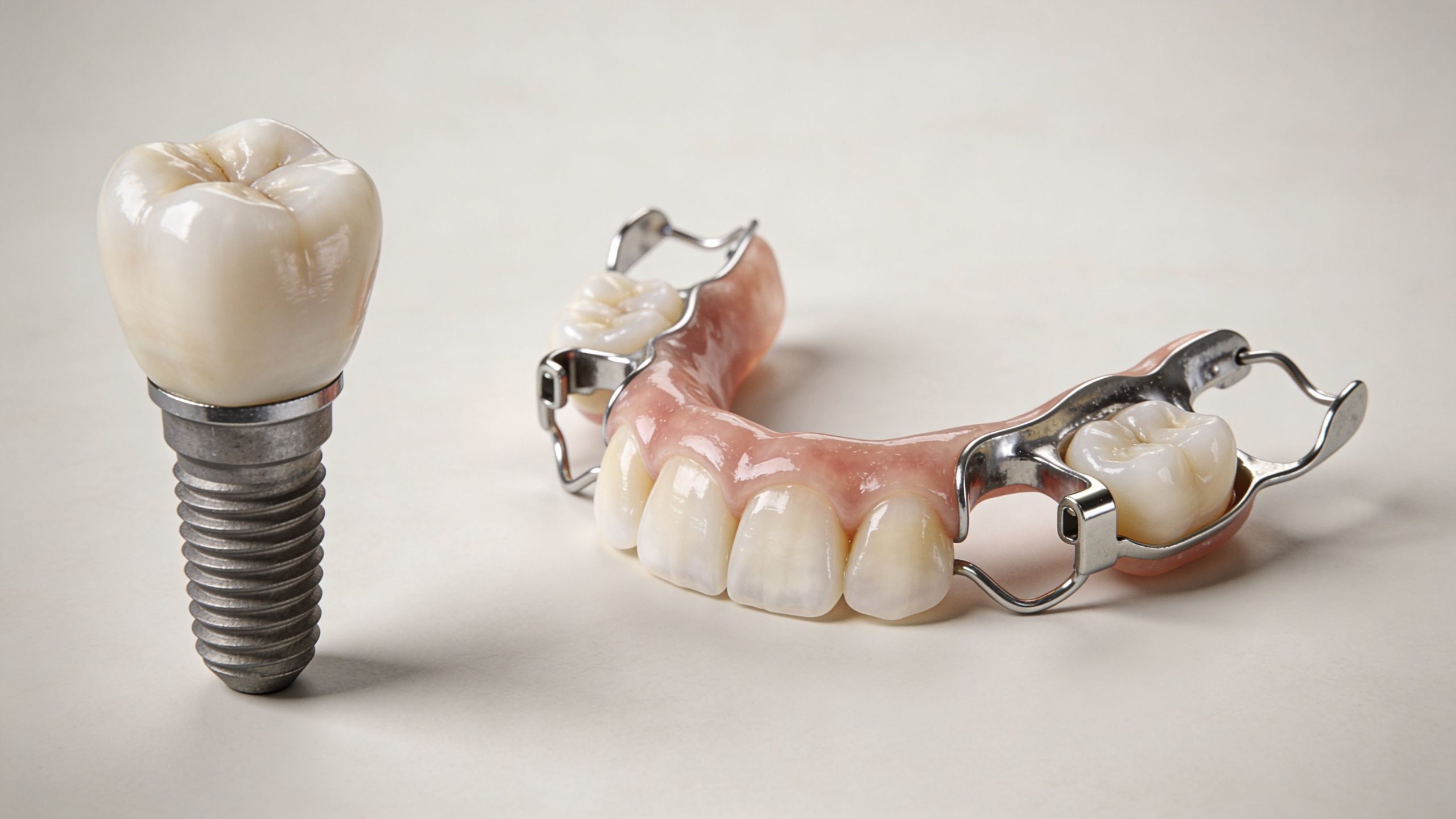
Dental Implant
When Nearby Teeth Are Beginning to Shift
Teeth help maintain each other’s positions.
When a tooth is lost, those beside the gap may begin to drift or tilt into the open space. The opposing tooth may also move because it no longer meets another tooth during biting.
These changes can affect the bite and create areas that are harder to keep clean.
Replacing a missing tooth with an implant can help maintain proper spacing and reduce the opportunity for neighboring teeth to shift.
The sooner tooth replacement is considered, the easier it may be to preserve the existing space. When significant movement has already occurred, additional planning or treatment may be needed.
If you have lived with a missing tooth for some time, we can evaluate how the surrounding teeth and bite have changed and discuss the most appropriate next step.
When Dental Implants May Not Be the Best Choice
Dental implants offer many benefits, but there are situations in which another option may be more appropriate.
A patient may not have enough bone support for predictable implant placement. Active gum disease, certain health conditions, smoking, or medications that affect healing may also influence the recommendation.
Patients who are not willing or able to maintain daily oral hygiene and routine dental visits may face a greater risk of problems around the implant.
Timing and personal preference matter as well. Some patients may prefer a bridge because it can often be completed more quickly. Others may already have neighboring teeth that need crowns, making a bridge a reasonable way to restore the area.
At WC Family Dentist, our goal is not to convince every patient to choose an implant. We want to help you understand which treatment makes the most sense for your health, circumstances, and priorities.
A Dental Bridge May Be a Better Fit in Some Cases
A dental bridge remains a dependable tooth replacement option for many patients.
It may be appropriate when the neighboring teeth already need crowns, when implant placement is not recommended, or when the patient prefers a shorter treatment timeline.
A bridge is fixed in place and can restore the appearance and function of the missing tooth area. However, it relies on the adjacent teeth for support and requires careful cleaning beneath the replacement tooth.
Both dental bridges and implants have advantages and limitations. The right choice depends on the condition of the missing tooth area and the surrounding teeth.
Dr. Schneider will explain both options when they are appropriate, allowing you to compare treatment timelines, maintenance needs, and long-term considerations.
How We Determine Whether an Implant Is Right for You
The only way to know whether a dental implant is appropriate is through a personalized consultation.
At our Walnut Creek office, we begin by discussing your concerns, dental history, health, and treatment goals. Dr. Schneider then evaluates the missing tooth area, neighboring teeth, gums, bite, and available bone support.
We also consider how long the tooth has been missing and whether any symptoms or changes have developed.
After the evaluation, we explain what we found and discuss the reasonable treatment options. If an implant is recommended, we will describe the expected stages and any preparation that may be required.
If another treatment is more appropriate, we will explain why.
We believe patients make better decisions when they are given clear, honest information rather than a predetermined recommendation.

Implant Treatment
Find the Right Tooth Replacement at WC Family Dentist
Dental implants may be the right choice when you want a fixed, natural-looking replacement that does not rely on healthy neighboring teeth. They can help restore chewing, maintain spacing, support the jawbone, and provide long-term function.
However, successful treatment depends on healthy gums, adequate bone support, good oral hygiene, and a willingness to complete the full treatment process.
At WC Family Dentist, we provide personalized tooth replacement care for patients in Walnut Creek and surrounding communities. Dr. William M. Schneider brings more than 25 years of experience to each treatment plan and takes time to explain how dental implants compare with bridges and other appropriate options.
If you are living with tooth loss, our office can help you understand which solution may best support your comfort, confidence, and long-term oral health.
Contact WC Family Dentist to schedule a consultation and learn whether dental implants are the right choice for your smile.
WC Family Dentist
https://goo.gl/maps/d3H8ow2vWAC4qgZ26
1855 San Miguel Dr STE 31, Walnut Creek, CA 94596, United States
(925) 935-2700
www.wcfamilydentist.com