You've been meaning to call a dentist near me, but the thought of sitting in the chair keeps winning. Maybe you need a cleaning and exam, a tooth extraction, dental implants, or an emergency dentist for pain that won't settle. If you're searching for a dentist in Walnut Creek, CA, sedation dentistry for adults may provide a practical way to receive necessary care without treating your fear as something embarrassing or unreasonable.
At William M. Schneider, DDS, sedation options can be considered alongside preventive, restorative, cosmetic, and emergency dental services. The right approach depends on your procedure, anxiety level, health history, medications, and ability to recover safely after the visit.
A Calmer Way Back to the Dentist in Walnut Creek
An adult in Walnut Creek may skip cleanings for years because one memory still feels immediate. The sound of a drill from childhood can tighten the chest, raise the shoulders, and make a dental appointment feel impossible. Avoidance often begins with something small, such as a sensitive tooth or a cleaning that feels overdue.
Then the small problem can become harder to ignore. A sensitive tooth may crack. A cracked molar may lead you to chew on one side. By Friday afternoon, the uneven chewing can leave your jaw clicking or feeling tired. The dental problem and the fear begin reinforcing each other.
Sedation dentistry offers a bridge back to care. It isn't a luxury added to make a routine appointment feel special. For some adults, the right level of relaxation makes it possible to accept the cleaning, filling, crown, root canal, or tooth extraction they've postponed. Completing one manageable visit can also make the next conversation feel less threatening.
Adult sedation is used relatively infrequently in routine dental care. In a 2024 retrospective study, adults received 2.3 sedations per 1,000 visits and 3.3 sedations per 1,000 treated patients, and anxiety was the most common reason for sedation, according to the 2024 study of oral midazolam sedation in dentistry. The finding supports a useful distinction: sedation usually responds to fear or distress rather than serving as an automatic part of every dental procedure.
A practical way to think about sedation: it can help you cross the gap between knowing you need care and feeling able to receive it.
For a Walnut Creek adult, that may mean starting with a calm consultation rather than committing immediately to treatment. At William M. Schneider, DDS, the discussion can include nitrous oxide, oral conscious sedation, IV moderate sedation, or, when clinically appropriate, general anesthesia. Candidacy, safety, preparation, recovery, and payment planning all matter before an appointment is scheduled.
The long-term objective is bigger than one comfortable visit. It's to restore regular dental care so small concerns can be addressed before they become more involved restorative dentistry, extraction, or implant needs.
Understanding the Main Types of Sedation
Sedation isn't one single experience. Dentists choose a level based on the treatment, your anxiety, your medical history, and how much responsiveness is needed during care.
Nitrous oxide
Nitrous oxide, often called laughing gas, is inhaled through a small nose mask. It's the mildest option described here. Many patients feel calmer within minutes, remain awake, and can communicate with the dental team. Oxygen is used at the end, and the effect generally clears quickly.
This option may fit a nervous patient who needs a cleaning and exam, filling, crown, or other shorter procedure but wants help relaxing. Whether you can drive afterward depends on the office's instructions and your individual response, so confirm that point before your visit.
Oral conscious sedation
Oral conscious sedation uses a prescribed pill taken before treatment. It can create a drowsy, relaxed state while you remain responsive to instructions. Some adults remember little of the appointment, but the medication can also impair coordination and judgment for the rest of the day.
Benzodiazepines remain the core drug class for adult oral conscious sedation. Published guidance describes oral midazolam at approximately 0.25 to 0.5 mg per kilogram, with maximum doses around 7.5 mg in some protocols, while other guidance lists different adult ceilings, including 20 mg for oral midazolam or 30 mg for temazepam. These figures come from the evidence review of oral sedation in adults, and the variation is exactly why a dentist must prescribe and adjust medication for the individual patient.
IV moderate sedation
IV moderate sedation delivers medication through a vein, allowing a trained provider to adjust the effect during treatment. It may be considered for stronger anxiety, longer visits, or more involved procedures. You'll usually remain able to respond, but you may feel much more detached from the appointment.
A 2024 study of adult IV sedation in general dental practice reported that more than half of patients received sedation because of anxiety. The same study reported a mean midazolam dose of 7.8 mg and an average treatment time of 1 hour 25 minutes, as described in the adult IV sedation study.
General anesthesia
General anesthesia produces unconsciousness and is reserved for selected circumstances, such as complex oral surgery, certain special-needs situations, or severe phobia. It requires a higher level of anesthesia support and monitoring than conscious sedation.
| Sedation Type | How It Works | Awake? | Typical Uses |
|---|---|---|---|
| Nitrous oxide | Inhaled through a nose mask | Yes | Mild anxiety, cleanings, fillings |
| Oral conscious sedation | Prescribed pill before treatment | Usually responsive and drowsy | Moderate or severe anxiety, longer care |
| IV moderate sedation | Medication adjusted through a vein | Usually responsive | Strong anxiety, lengthy or complex treatment |
| General anesthesia | Anesthesia produces unconsciousness | No | Selected complex surgery or special circumstances |
Who Is a Good Candidate for Adult Sedation
Candidacy often starts with how dental care affects your behavior. Long-standing dental fear, a prior traumatic experience, a sensitive gag reflex, difficulty sitting still, or embarrassment about the current condition of your teeth can all justify a conversation about sedation.
Some adults need help because one procedure combines several tasks. Others may be more comfortable with sedation during a tooth extraction, root canal, crown, dental implant consultation, or extensive restorative dentistry appointment. Sedation can also be considered when fear has led to repeated avoidance and the patient needs a manageable first step back into care.
Medical history changes the planning. Controlled hypertension, sleep apnea, obesity, pregnancy, certain heart arrhythmias, and medications that interact with sedatives may require additional review or a different approach. These conditions don't automatically mean you can't receive sedation, but they do mean the team must understand your risk before selecting a medication or depth.
What screening includes
A careful screen usually involves:
- Health history: Your dentist reviews current and past medical conditions.
- Medication review: Bring every prescription, over-the-counter medication, and supplement.
- Baseline vital signs: Recent blood pressure information can help identify concerns before treatment.
- Airway assessment: The Mallampati classification may be used to evaluate the visibility of structures in the mouth and throat.
- Previous anesthesia reactions: Tell the team about nausea, breathing problems, unusual drowsiness, or other prior reactions.
A 2026 ADA update added more precise weight-based dosing documentation, body mass index alongside baseline vital signs, supplemental oxygen guidance from moderate sedation through general anesthesia, and updated fasting recommendations. These changes are summarized in ADA News coverage of the updated sedation and anesthesia guidelines.
Age alone is rarely the deciding factor. Honest answers give the dentist a clearer path to safer care, whether that means light nitrous oxide, a different medication plan, additional monitoring, or referral for a deeper level of anesthesia.
What to Expect Before, During, and After Your Visit
Your visit should feel planned rather than mysterious. Before treatment, the team reviews your medical history, medications, allergies, previous anesthesia experiences, and the procedure itself. You'll also receive instructions about food and fluids, transportation, and what to do if your health changes before the appointment.
Fasting rules depend on the planned sedation. ADA guidance lists minimum fasting periods of 2 hours for clear liquids, 4 hours for breast milk, 6 hours for infant formula, 6 hours for nonhuman milk, 6 hours for a light meal, and 8 hours for a fatty meal. Follow the instructions from your dental team rather than relying on a general rule.
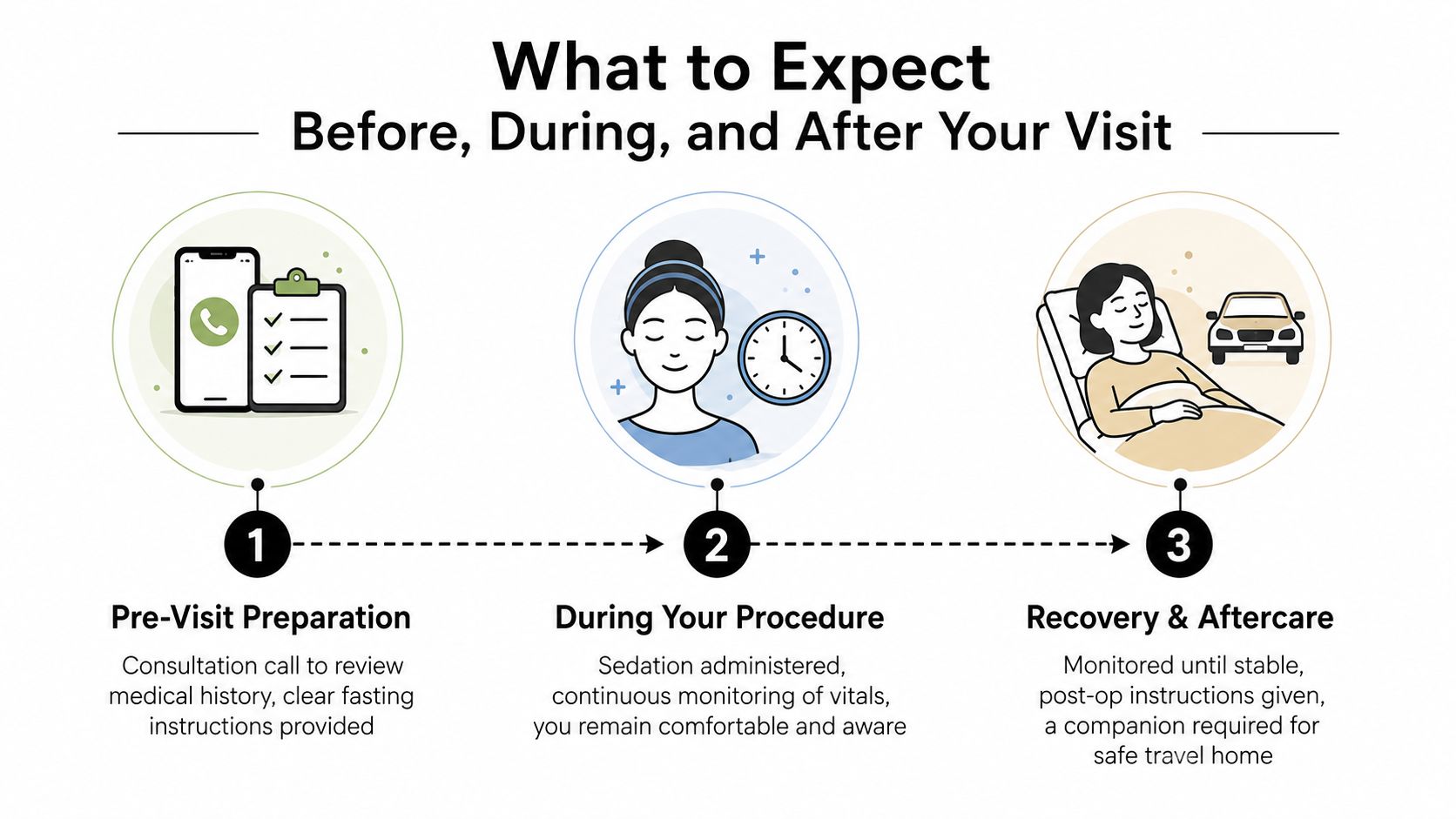
For oral or IV sedation, arrange a responsible adult escort who can drive you home and help you afterward. Adult conscious sedation guidance from SDCEP says patients should have an escort who can look after them unaided and accompany them home. Adults receiving inhalation sedation with nitrous oxide and oxygen usually don't require an escort, although your dentist should confirm the office's specific policy.
During treatment
When you arrive, the team checks your vital signs and places monitoring equipment such as a pulse oximeter and a non-invasive blood pressure cuff. The medication is then given according to the planned method. With oral sedation, the effect develops gradually. With IV sedation, the provider can adjust medication through the vein. Nitrous oxide is inhaled through the nose and followed by oxygen at the end.
Sedation works alongside local anesthetic. The anesthetic numbs the treatment area, while sedation helps reduce fear, tension, and distress. Protective eyewear and continuous observation help the team keep you comfortable and responsive throughout the procedure.
Watch this overview for a visual explanation of the patient experience:
Afterward, you may feel groggy or unsteady. The team monitors you until you're stable, reviews post-treatment instructions, and confirms how you'll travel home. Soft foods may be recommended depending on the procedure. Avoid driving, alcohol, important decisions, and other restricted activities until your dentist says the medication has cleared sufficiently.
How Safe Sedation Dentistry Really Is for Adults
Safe adult sedation depends less on a reassuring label and more on matching monitoring intensity to sedation depth and patient risk. Dental guidance calls for continuous assessment of oxygenation, ventilation, circulation, and responsiveness during active treatment. Pulse oximetry and non-invasive blood pressure monitoring are minimum standards for most non-inhalation techniques, while capnography and ECG may be added for higher-risk or deeper sedation cases, according to the ADA anesthesia guidelines.
The reason is straightforward. Sedation complications are usually connected to hypoventilation and loss of airway protection, not to the filling, crown, extraction, or other dental procedure itself. Continuous physiologic monitoring gives the team an opportunity to recognize deterioration early and prevent a change from moderate sedation to respiratory compromise.
What responsible planning looks like
A responsible practice should be able to explain:
- Who administers sedation: Ask whether the dentist, another trained provider, or an anesthesiologist gives the medication.
- How you're monitored: Confirm which equipment tracks oxygenation, breathing, circulation, and responsiveness.
- How recovery is observed: Ask how long you'll remain under supervision before leaving.
- What happens in an emergency: The team should explain its emergency response and transfer plan without hesitation.
The ADA's updated guidance places greater emphasis on weight-based dosing, body mass index, supplemental oxygen, fasting, and individualized screening. That focus matters for adults with obesity, sleep-disordered breathing, cardiovascular disease, or multiple medications.
The evidence isn't unlimited. A systematic review included only 10 randomized trials and 327 patients, then concluded that more high-quality research is needed across sedative types. Oral sedation can reduce anxiety, but its results are less predictable than carefully monitored IV techniques because studies differ in medications, protocols, and patient groups.
Common side effects can include nausea, prolonged drowsiness, and temporary airway problems. Screening, conservative dosing, appropriate monitoring, trained personnel, and clear recovery instructions reduce the chance that a manageable side effect becomes a serious event. Read the safety guide to sedation dentistry before your consultation, then discuss how its information applies to your own health.
Cost, Insurance, and Payment Considerations
Sedation fees vary with the technique, treatment length, provider involvement, and medical complexity. The following ranges reflect what Walnut Creek adults may encounter, but a written estimate is more useful than a general online figure.
| Sedation Type | Typical Fee Range | Insurance Coverage |
|---|---|---|
| Nitrous oxide | $50 to $150 per visit | Often not covered by dental insurance |
| Oral conscious sedation | $250 to $500 | Coverage varies and may be limited |
| IV moderate sedation | $500 to $1,000 per hour | Medical coverage may apply in selected cases |
| General anesthesia | Higher, depending on length and surgery | Depends on procedure, medical need, and policy |
Dental insurance rarely covers sedation itself. Medical insurance may apply when oral surgery or certain documented medical conditions are involved, but the answer depends on the plan, diagnosis, procedure, and required documentation. Ask the office to check before treatment rather than assuming either full coverage or no coverage.
Planning the full treatment cost
Sedation is only one part of the financial picture. A patient may also need dental x-rays, a filling, crown, root canal, tooth extraction, dental implant, or periodontal care. Combining the sedation estimate with the treatment plan helps you understand the total expected out-of-pocket amount.
At William M. Schneider, DDS, the front-office team can submit pre-authorizations and itemize codes so you can see what insurance may pay and what remains your responsibility. Payment planning may include membership plans, CareCredit financing, or phased treatment sequencing. You can review the practice's dental payment plans while deciding how to move forward.
Choosing the Right Sedation Dentist in Walnut Creek
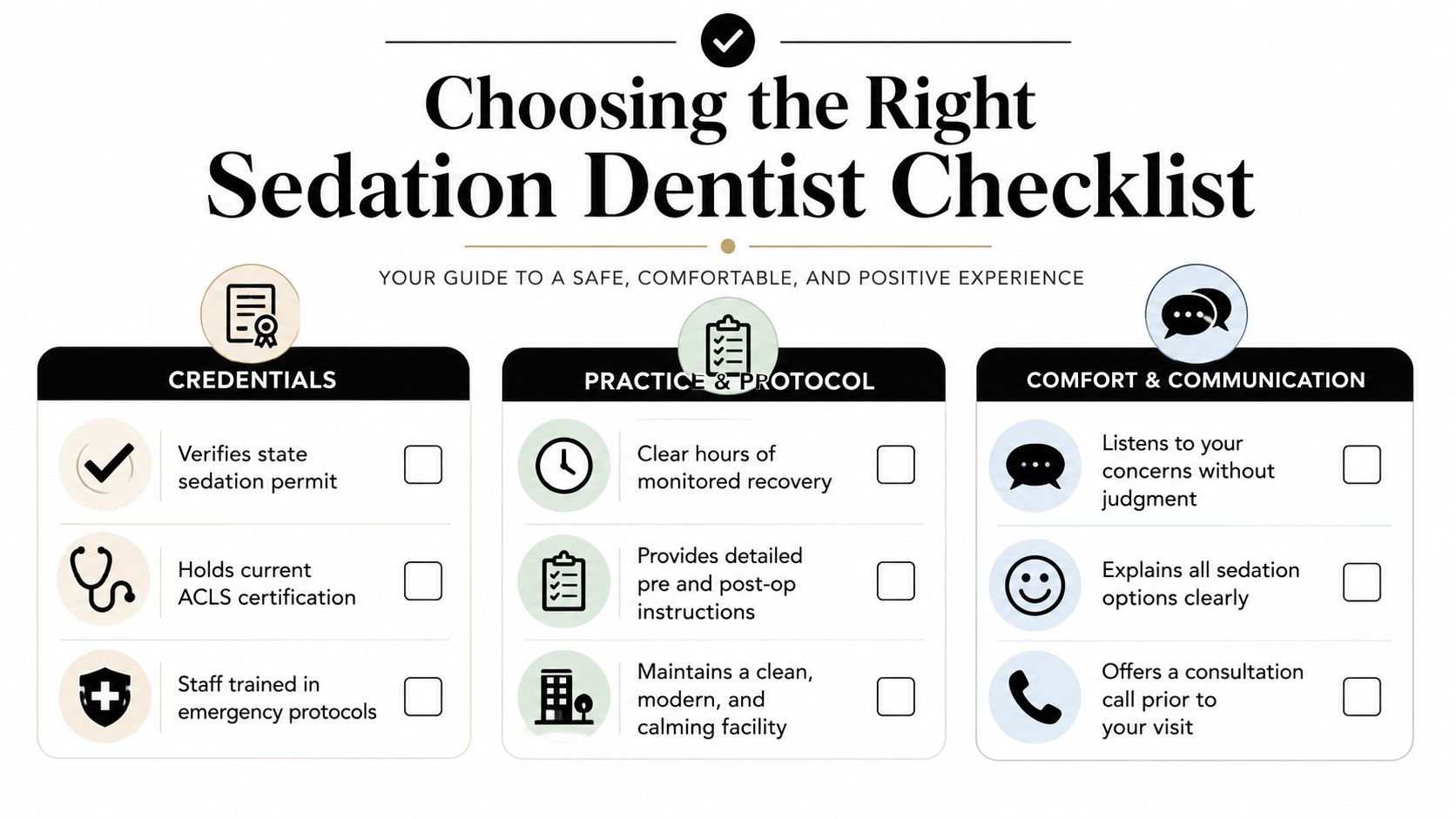
A good sedation consultation should answer practical questions, not ask you to accept vague reassurance. Start by checking whether the provider has the required state sedation permit, current ACLS certification, and meaningful experience with monitored sedation cases. Ask which clinician administers IV sedation and whether a dental anesthesiologist is involved for deeper cases.
The equipment and emergency plan deserve equal attention. A professional office should explain how it monitors oxygenation, ventilation, blood pressure, heart rate, and responsiveness. It should also describe monitored recovery, emergency medications, and the plan for transfer if a patient needs a higher level of care.
Questions worth asking
- Who will give the medication? Clarify the provider's training and role.
- What will you monitor? Ask about pulse oximetry, blood pressure, capnography, and ECG when appropriate.
- How long will recovery take? Get written instructions for leaving, eating, resting, and returning to normal activities.
- What does the estimate include? Request separate fees for sedation, imaging, anesthesia support, and dental treatment.
- Can we begin with a consultation? A low-pressure first visit lets you discuss fear before agreeing to procedures.
Look for transparent written treatment plans and a calm conversation that makes room for your concerns. A Walnut Creek office may be a strong fit when an in-house general dentist coordinates with a dental anesthesiologist for deeper sedation, provides detailed pre- and post-operative instructions, and schedules treatment only after reviewing your medical history and recommended sedation depth.
William M. Schneider, DDS offers general, cosmetic, and restorative care in Walnut Creek, including cleanings and exams, Invisalign, teeth whitening, crowns, bridges, root canals, dental implants, gum disease care, sleep apnea solutions, and sedation when appropriate. During a consultation, the team can review your health history, explain the available options, and help you decide whether sedation is the right bridge back to regular dental care.
If dental fear has delayed your cleaning, tooth extraction, implant consultation, or other needed treatment, schedule a calm, no-pressure conversation with William M. Schneider, DDS. The Walnut Creek team can review your medical history, discuss sedation dentistry for adults, and create a step-by-step plan for comfortable, long-term oral health.